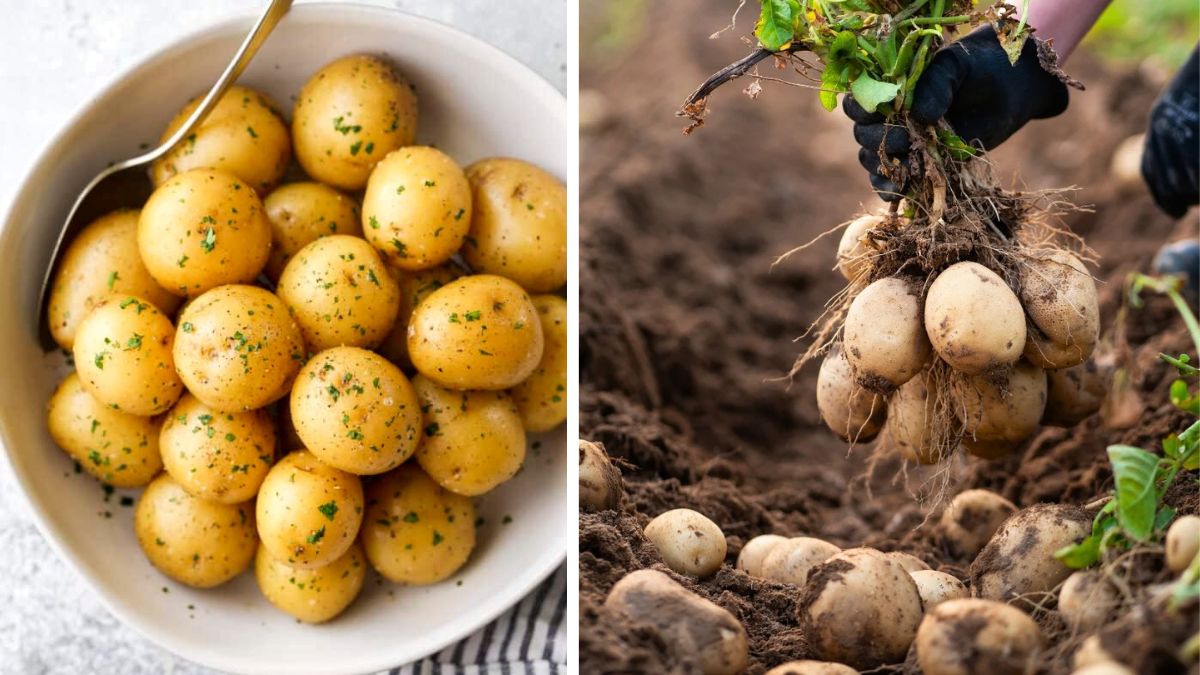
There’s a special kind of satisfaction that comes from growing your own food—watching green shoots emerge from the soil, nurturing them into a thriving crop, and finally bringing the harvest into your kitchen. Few vegetables capture this magic quite like the potato. Humble yet hearty, the potato transforms from a simple garden tuber into an essential ingredient for countless delicious dishes.
When you grow your own potatoes, you’re not just planting a crop—you’re planting the foundation for comforting, nourishing, and versatile meals that can turn any dinner into a veggie feast. This guide will take you through every stage, from preparing your backyard for planting to creating wholesome, flavorful potato-based dishes that highlight your homegrown harvest.
1. Why Potatoes Are the Star of the Backyard Garden
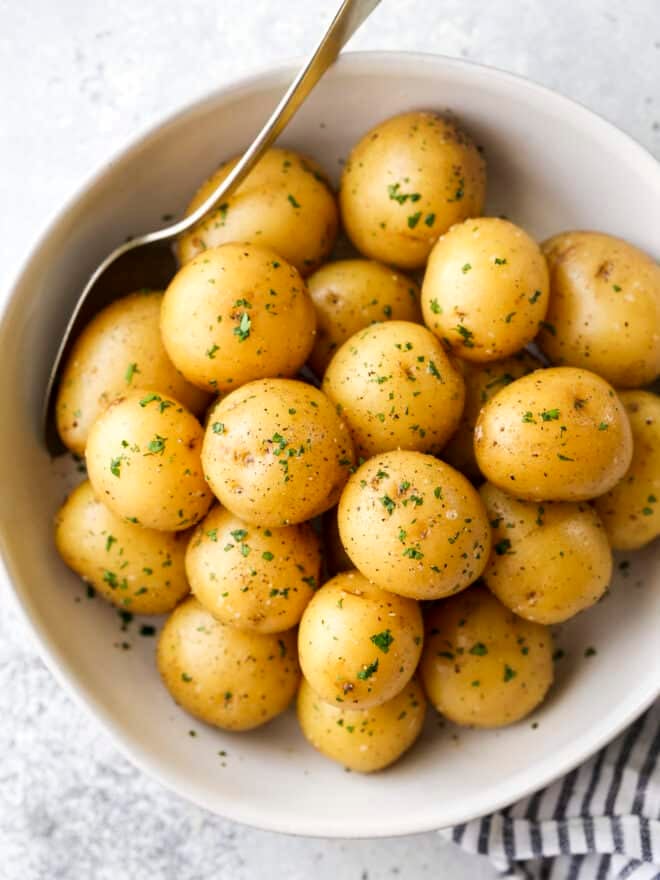
Potatoes have been a global staple for centuries, loved for their adaptability and satisfying taste. For home gardeners, they’re a dream crop—easy to grow, nutrient-rich, and highly rewarding.
A single potato plant can yield multiple pounds of food, making it an ideal choice for anyone aiming for self-sufficiency or simply fresher meals. More importantly, potatoes are incredibly nutrient-dense, containing:
- Complex carbohydrates for long-lasting energy
- Vitamin C to boost immunity and aid collagen production
- Potassium and magnesium for heart health
- Fiber for digestion and satiety
- Vitamin B6 for brain and metabolic function
When you grow potatoes yourself, you control every factor—soil health, fertilizer use, and harvest timing—resulting in a cleaner, tastier, and more nutritious food source. The flavor difference between store-bought and homegrown potatoes is striking: the latter are creamier, sweeter, and full of earthy depth.
2. Choosing the Perfect Potato Varieties for Your Garden
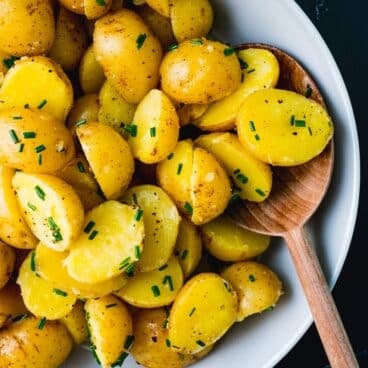
Success in growing potatoes starts with choosing the right varieties. Each type offers a unique texture and taste, making them perfect for different dishes in your veggie feast.
Here’s a quick guide:
- Yukon Gold: Golden flesh and buttery flavor; perfect for mashing, roasting, or creamy soups.
- Red Pontiac: Moist and smooth; great for potato salads or oven-roasted sides.
- Russet Burbank: Starchy and fluffy; ideal for baked potatoes and fries.
- German Butterball: Dense, yellow-fleshed, and rich in flavor—great for stews or casseroles.
- Purple Majesty: Vibrant purple skin and flesh, high in antioxidants and visual appeal.
Planting a mix of these varieties not only adds diversity to your garden but also allows you to experiment with a range of flavors in your homemade veggie dishes.
3. Preparing the Soil: The Foundation for a Flavorful Harvest
Potatoes grow underground, so their health and flavor depend heavily on soil conditions. They thrive in loose, well-drained, and slightly acidic soil (pH 5.5–6.5).
To prepare your garden bed:
- Choose a sunny spot that receives at least 6–8 hours of sunlight daily.
- Loosen the soil to a depth of 10–12 inches to allow tubers to expand easily.
- Add organic matter: Mix in compost, aged manure, or leaf mold to enhance soil fertility and structure.
- Ensure good drainage: Avoid compacted or clay-heavy areas to prevent rot.
If you have limited space, potatoes also thrive in raised beds, grow bags, or large containers—a great way to enjoy fresh produce even in urban settings.
4. Start with Certified Seed Potatoes
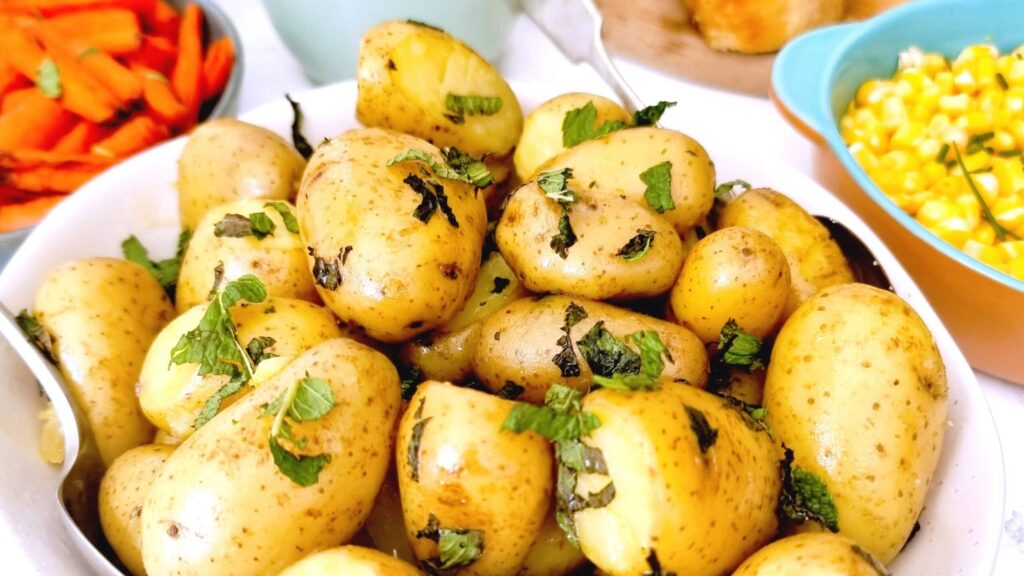
Always begin with certified seed potatoes rather than grocery store ones. Commercial potatoes are often chemically treated to prevent sprouting and may carry diseases that hinder healthy growth.
Before planting:
- Cut large seed potatoes into chunks, each with one or two “eyes.”
- Let them dry for a day or two to form a callus, which protects against rot.
- Optional: Pre-sprout (or “chit”) them by placing them in a bright, cool space for 1–2 weeks until small shoots appear.
This small preparation step sets the stage for vigorous growth and a more productive harvest.
5. Planting Potatoes the Right Way
Potatoes prefer cool weather, so plant them 2–4 weeks before your region’s last frost date.
Garden Bed Method:
- Dig trenches about 6–8 inches deep and 2–3 feet apart.
- Place the seed potatoes cut side down, eyes facing up, spaced 12 inches apart.
- Cover with 3–4 inches of soil.
- As plants grow, hill them up—mound soil around the base to protect tubers from sunlight and encourage more growth.
Container or Grow Bag Method:
- Fill a container with 6 inches of soil.
- Add your seed potatoes and cover lightly.
- Keep adding soil as plants grow until the container is nearly full.
This method is perfect for patios or balconies and makes harvesting simple and mess-free.
6. Watering and Feeding: The Secret to Creamy, Flavorful Potatoes
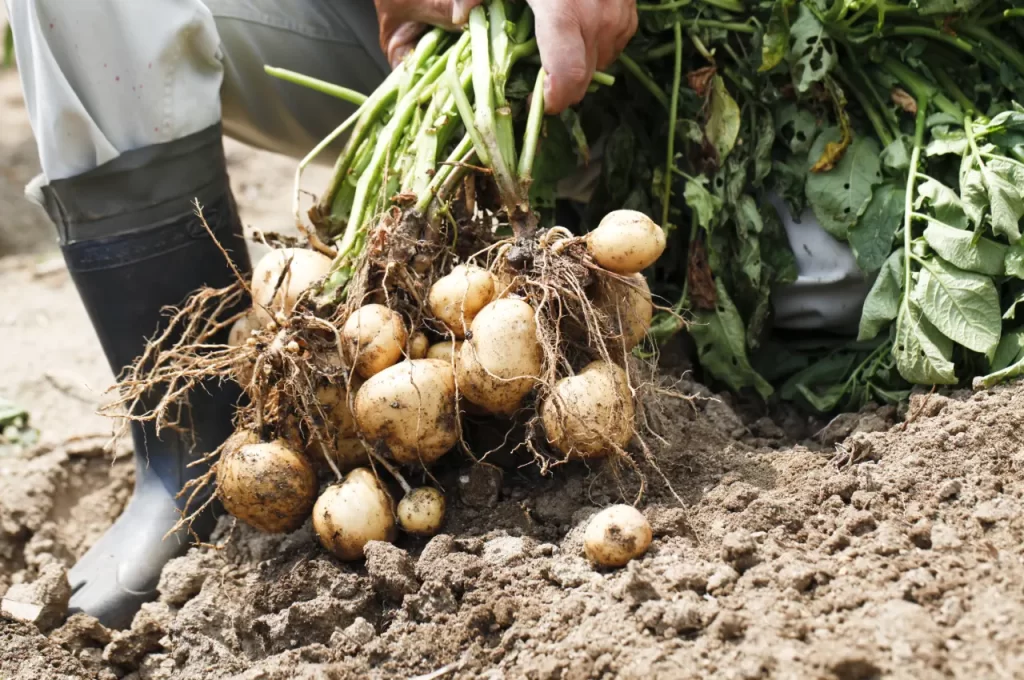
Potatoes require consistent watering to develop evenly sized, tender tubers. Uneven moisture can cause cracking or tough skins.
- Water deeply: About 1–2 inches per week, depending on rainfall.
- Morning watering: Helps prevent fungal issues.
- Mulch: Use straw, grass clippings, or dry leaves to retain moisture and suppress weeds.
For feeding, potatoes thrive on balanced nutrition. Avoid heavy nitrogen fertilizers that encourage leafy growth at the expense of tubers. Instead, use:
- Compost tea or seaweed extract for overall health
- Bone meal or wood ash to strengthen tuber growth and improve flavor
The richer your soil nutrition, the more flavorful your potatoes will be.
7. Protecting Your Crop Naturally
While potatoes are resilient, they can face a few pests and diseases. Protecting them organically keeps your harvest safe and chemical-free.
- Rotate crops: Don’t plant potatoes in the same spot year after year to avoid soil-borne diseases.
- Handpick pests: Remove Colorado potato beetles and larvae regularly.
- Neem oil or insecticidal soap: Effective against aphids and leafhoppers.
- Avoid water on leaves: This prevents fungal blight.
Healthy plants produce cleaner, tastier potatoes—free from chemical residues and full of natural goodness.
8. Harvesting and Curing: The Reward of Patience
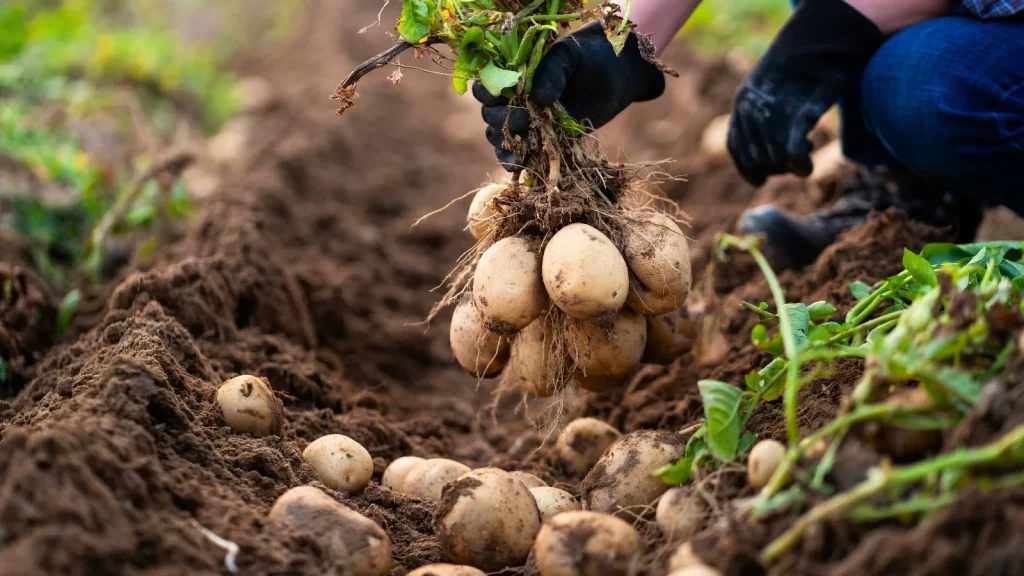
Your plants will tell you when they’re ready.
- For “new” potatoes: Harvest 2–3 weeks after flowering. These young potatoes are tender and slightly sweet—perfect for fresh salads and warm bowls.
- For mature potatoes: Wait until the leaves yellow and die back. Carefully dig around the plant with a fork or your hands to avoid bruising the tubers.
After harvest, let your potatoes cure for 1–2 weeks in a cool, dark, well-ventilated space. This process toughens their skin, improving storage and enhancing flavor.
9. Storing Your Harvest
Store your cured potatoes in a dark, cool (4–10°C or 40–50°F) place such as a basement or pantry.
- Keep them in breathable containers like burlap or paper bags.
- Don’t refrigerate—cold converts starches to sugar, affecting flavor.
- Keep away from onions, which release gases that cause sprouting.
With proper storage, your homegrown potatoes will stay fresh and ready for cooking for months—long enough to power many hearty veggie feasts.
10. From Garden to Table: Turning Your Potatoes into a Veggie Feast
Now for the most rewarding part—transforming your homegrown potatoes into delicious, nourishing dishes. Their mild flavor and creamy texture make them the perfect centerpiece for vegetarian and plant-based meals.
Here are a few veggie feast ideas to celebrate your backyard harvest:
A. Rustic Roasted Potato Bowl
- Roast cubed Yukon Golds with olive oil, rosemary, and garlic.
- Pair with sautéed spinach, chickpeas, and cherry tomatoes.
- Drizzle with lemon-tahini dressing for a Mediterranean flair.
B. Potato and Lentil Curry
- Use diced Red Pontiacs simmered with onions, lentils, and spices like turmeric and cumin.
- Serve with brown rice or naan for a protein-packed, cozy dinner.
C. Loaded Veggie Potato Skillet
- Pan-fry sliced Russet potatoes with bell peppers, onions, and zucchini.
- Top with avocado slices and a sprinkle of feta or tofu crumble.
D. Warm Potato Salad with Herbs
- Boil fingerling potatoes and toss with mustard dressing, dill, parsley, and green beans.
- Perfect for a light summer lunch or picnic dish.
E. Creamy Mashed Potato Base Bowl
- Whip German Butterballs with butter or olive oil.
- Layer with roasted carrots, kale, mushrooms, and a drizzle of herb sauce for a satisfying plant-based meal.
Each recipe celebrates the flavor and freshness of your homegrown potatoes—proof that the best meals come from your own garden.
11. The Joy of the Backyard-to-Table Experience
Beyond flavor and nutrition, growing potatoes reconnects you with the rhythm of nature. It teaches patience, responsibility, and the value of real food. When you harvest your own potatoes, every meal becomes a story—a story of nurturing, care, and sustainability.
The difference isn’t just in taste; it’s in how you feel when you sit down to eat something you grew with your own hands. That’s what makes your backyard harvest truly special.
Conclusion: Potatoes Done Right
From a humble seed potato to a hearty veggie feast, growing your own potatoes is one of the most rewarding experiences in backyard gardening. With rich soil, consistent care, and mindful harvesting, you can produce potatoes that are flavorful, nutritious, and endlessly versatile in the kitchen.
Whether mashed, roasted, baked, or curried, your homegrown potatoes will shine as the heart of every plant-based meal. So, dig in—both to the soil and to the joy of growing your own food. Because when it comes to potatoes done right, nothing beats the taste of your own harvest turned into a feast that nourishes both body and soul.