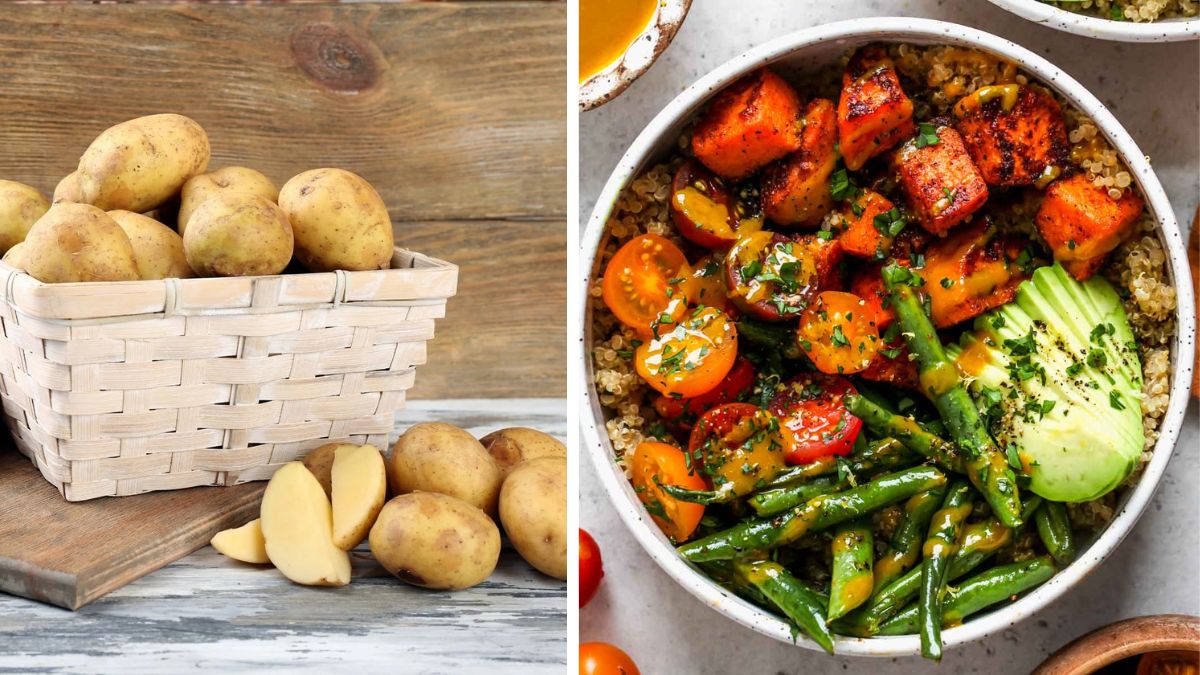
In an era where healthy eating meets sustainable living, few vegetables embody both values as perfectly as the potato. Despite its reputation as a comfort-food staple, the potato is a nutrient-dense, versatile crop that fits beautifully into plant-based, balanced meals. When you grow your own potatoes at home, you gain more than just a harvest—you gain the power to create nourishing veggie bowls brimming with freshness, flavor, and nutrition straight from your backyard.
Whether roasted with herbs, boiled for a warm salad, or mashed as a wholesome base, homegrown potatoes elevate every dish they touch. Let’s explore how you can grow your own potatoes at home and use them to create colorful, hearty, and nourishing veggie bowls that celebrate the true essence of garden-to-table living.
1. Why Homegrown Potatoes Belong in Your Veggie Bowls
Potatoes are often misunderstood as “filler foods,” but they are actually nutritional powerhouses when grown and prepared naturally. A single medium potato offers:
- Vitamin C: Strengthens immunity and aids collagen production.
- Potassium: Helps maintain heart health and proper muscle function.
- Vitamin B6: Supports brain development and metabolism.
- Fiber: Aids digestion and keeps you full longer.
- Complex carbohydrates: Provide steady, long-lasting energy.
When you grow your own potatoes, you’re in full control of how they’re cultivated—without pesticides, synthetic fertilizers, or long storage times that reduce nutrient quality. Homegrown potatoes, freshly dug and cooked, have a naturally sweet, earthy flavor that complements all kinds of veggie bowl ingredients like leafy greens, grains, legumes, and sauces.
From creamy mashed potato bases to roasted potato cubes tossed in olive oil and spices, these humble tubers can transform a simple bowl into a wholesome, comforting meal.
2. Choosing the Best Potato Varieties for Home Gardens
The first step toward your nourishing potato harvest is choosing the right variety. Each type of potato offers a different flavor, texture, and color—perfect for diversifying your veggie bowls.
- Yukon Gold: Golden-yellow flesh with a naturally buttery flavor. Ideal for mashing or roasting.
- Red Norland: Smooth red skin and creamy flesh, great for salads and bowls.
- Purple Majesty: Deep purple skin and flesh rich in antioxidants—adds vibrant color and nutrition.
- Russet Burbank: Classic starchy potato, perfect for baking or making crispy wedges.
- Fingerling Potatoes: Small, elongated tubers with rich, nutty flavors, ideal for pan-roasting or grilling.
For home gardens, it’s best to grow a mix of varieties to enjoy different textures in your veggie meals throughout the season.
3. Preparing the Ideal Soil and Location
Potatoes thrive in loose, fertile, well-drained soil with a slightly acidic pH (5.5–6.5). The soil should be fluffy enough to allow the tubers to grow freely underground.
Steps to prepare your garden bed or container:
- Choose a sunny location: Potatoes need at least 6–8 hours of sunlight daily.
- Loosen the soil: Dig or till 10–12 inches deep to improve aeration.
- Add compost or aged manure: This boosts nutrients and enhances flavor.
- Avoid waterlogging: Ensure good drainage; soggy soil can cause rot.
If you have limited space, raised beds, grow bags, or large containers are excellent alternatives. Fill them with a rich mix of compost, coconut coir, and garden soil for optimal results.
4. Using Seed Potatoes: The Foundation of a Healthy Crop
Unlike store-bought potatoes (which are often treated to prevent sprouting), certified seed potatoes ensure disease-free, vigorous growth.
Here’s how to prepare them:
- Choose firm, blemish-free seed potatoes.
- Cut larger ones into pieces, each with 1–2 eyes (sprouting buds).
- Let them air-dry for a day or two to form a callus, which prevents rot.
- Optional: Pre-sprout them indoors for a week or two by placing them in a bright, cool spot.
This preparation leads to faster sprouting and earlier harvests—so your veggie bowls are ready sooner.
5. Planting Potatoes at Home: Step-by-Step
Timing is key. Potatoes are cool-weather crops, so plant them 2–4 weeks before your area’s last expected frost.
In the Garden Bed:
- Dig trenches about 6–8 inches deep and 2–3 feet apart.
- Place seed pieces 12 inches apart, eyes facing upward.
- Cover with 3–4 inches of soil.
- As plants grow 6–8 inches tall, hill up the soil around the stems to prevent sunlight from greening the tubers and to encourage more growth.
In Containers or Grow Bags:
- Fill with 6 inches of soil.
- Place 3–4 seed potatoes per bag.
- Add soil as plants grow until the bag is nearly full.
This method is compact, tidy, and perfect for urban gardening. Plus, harvesting is as easy as tipping out the container.
6. Watering, Feeding, and Care for Healthy Growth
To grow delicious, nutrient-rich potatoes, consistent care is essential.
- Water deeply and consistently: About 1–2 inches per week. Avoid overwatering, as soggy soil promotes rot.
- Mulch generously: Use straw, dry leaves, or grass clippings to keep soil cool and moist.
- Fertilize naturally: Add compost tea or organic fertilizer rich in potassium and phosphorus. Avoid too much nitrogen, which promotes leaves over tubers.
Healthy soil and steady moisture yield creamy, flavorful potatoes that make your veggie bowls truly satisfying.
7. Managing Pests and Diseases Naturally
Homegrown potatoes can face challenges like pests and blight, but organic care keeps your garden thriving.
- Rotate crops: Don’t plant potatoes in the same soil year after year. Rotate with beans, lettuce, or carrots.
- Keep leaves dry: Water at the base to prevent fungal infections.
- Use neem oil or insecticidal soap: These control aphids and beetles naturally.
- Encourage beneficial insects: Ladybugs and lacewings help control harmful pests.
Healthy plants mean better-tasting potatoes—and a safer, chemical-free meal for your family.
8. Harvesting: When Your Patience Pays Off
The moment of harvest is pure joy.
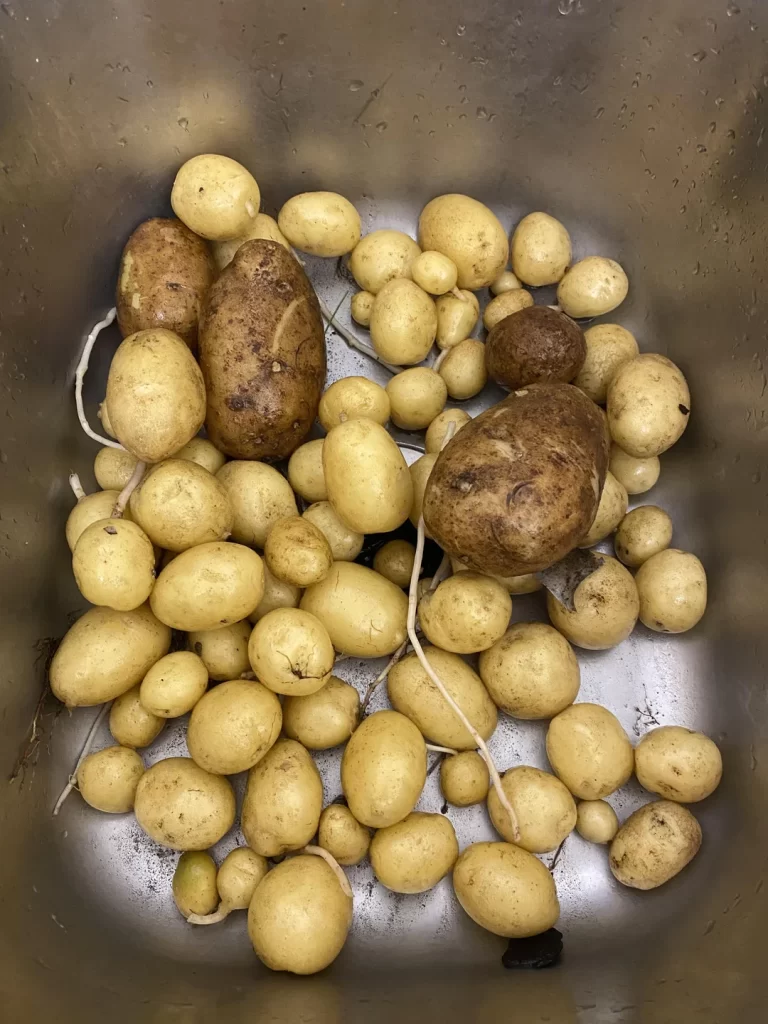
- For new potatoes: Harvest about 2–3 weeks after flowering, when tubers are small and tender. Perfect for lightly boiled or roasted veggie bowls.
- For mature potatoes: Wait until the foliage yellows and dies back. Gently dig them up with a fork or trowel.
Handle them carefully to avoid bruising, and let them cure for about 10 days in a cool, dark, well-ventilated space. This helps toughen their skins for better storage and flavor.
9. Storing Your Homegrown Potatoes
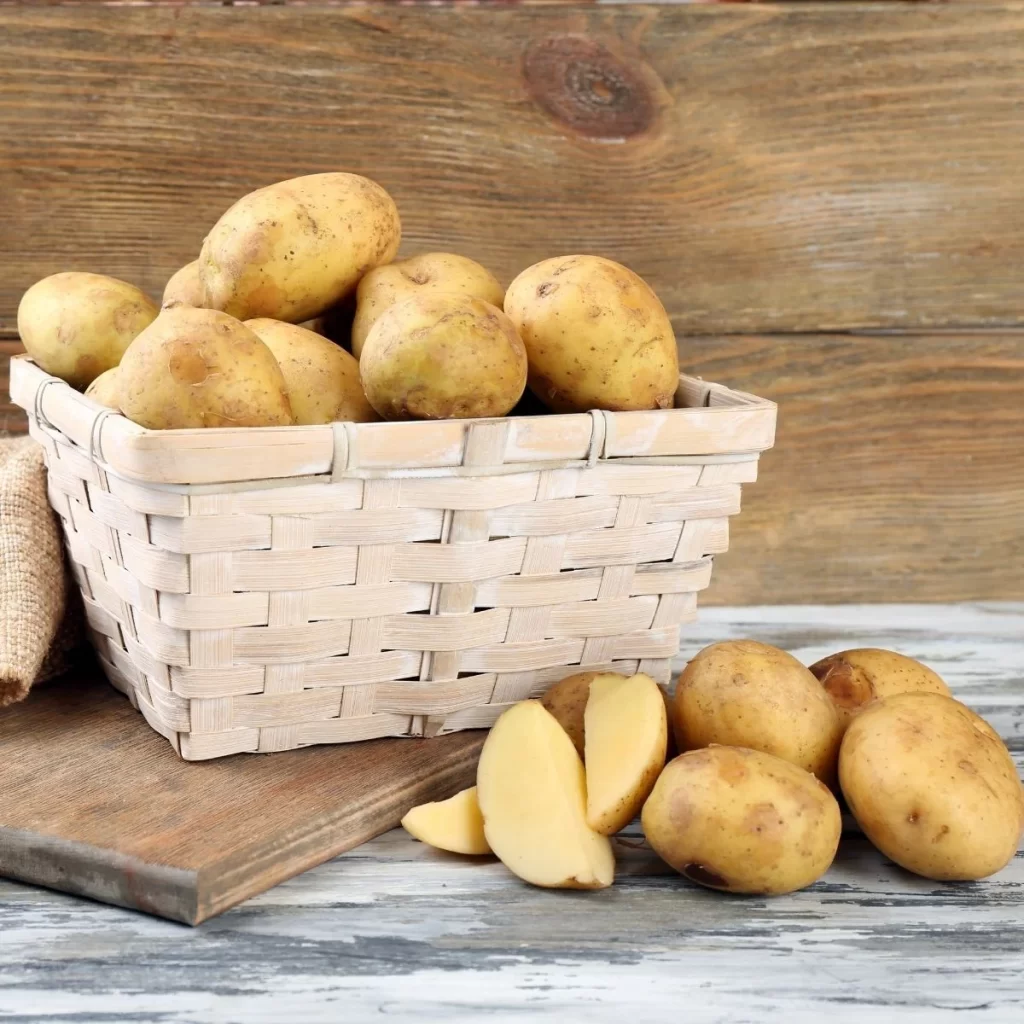
Store your cured potatoes in a dark, cool place (around 4–10°C or 40–50°F).
- Avoid refrigeration—it converts starches to sugars.
- Keep them in breathable bags or baskets, not plastic.
- Check periodically and remove any that sprout or soften.
With proper storage, you’ll have fresh potatoes for months, ready to nourish countless veggie bowl creations.
10. Creating Nourishing Veggie Bowls with Homegrown Potatoes
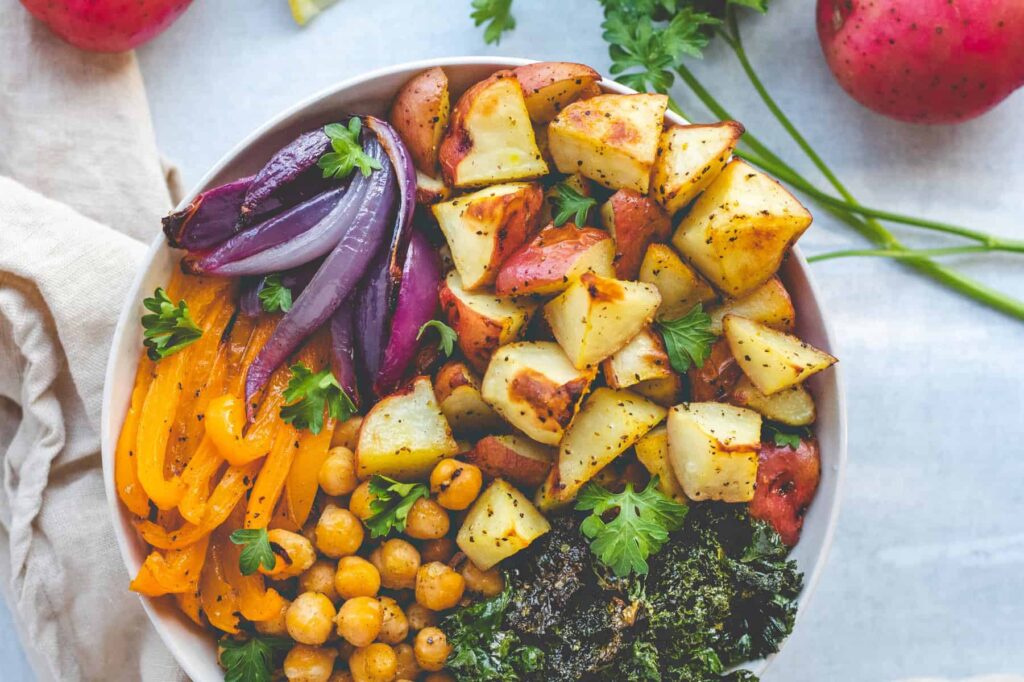
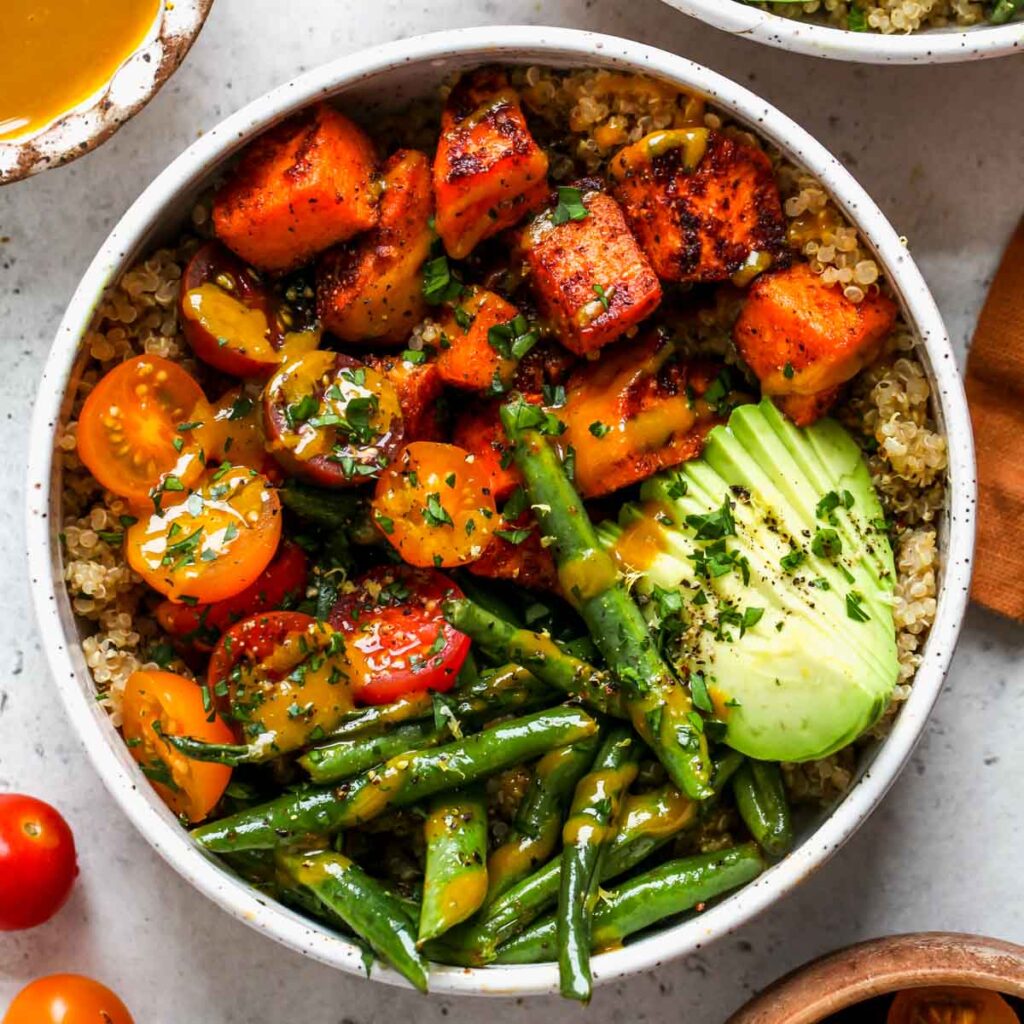
Now comes the most rewarding part—turning your harvest into vibrant, wholesome meals. Veggie bowls are a modern favorite because they combine flavor, color, and nutrition in one satisfying dish. Potatoes make a perfect foundation thanks to their hearty texture and ability to pair with almost any ingredient.
Here are a few delicious ideas:
A. Mediterranean Potato Bowl
- Base: Roasted Yukon Gold potatoes
- Toppings: Chickpeas, cherry tomatoes, cucumber, olives, spinach
- Dressing: Lemon-tahini sauce
B. Rainbow Veggie Power Bowl
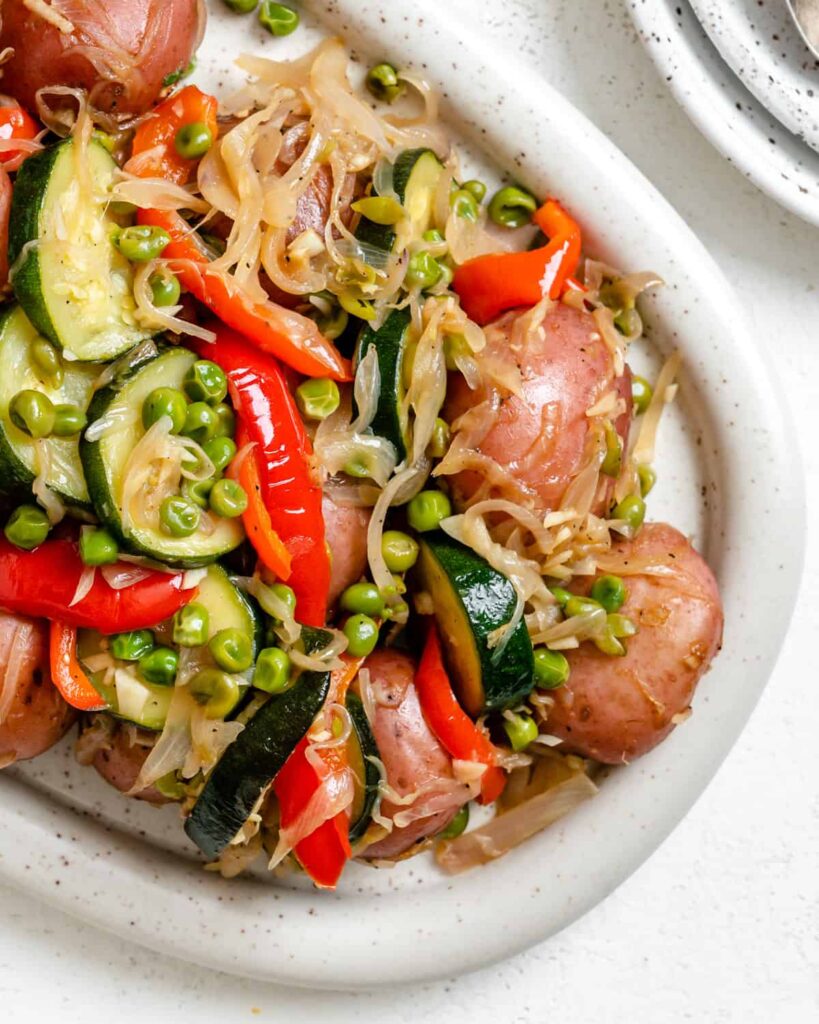
- Base: Boiled red potatoes
- Toppings: Steamed broccoli, shredded carrots, corn, and quinoa
- Dressing: Olive oil, garlic, and a squeeze of lime
C. Warm Winter Bowl
- Base: Mashed Russet potatoes
- Toppings: Sautéed mushrooms, kale, caramelized onions, and tofu
- Dressing: Balsamic glaze or creamy cashew sauce
D. Protein-Rich Bowl
- Base: Roasted purple potatoes
- Toppings: Black beans, avocado, bell peppers, and corn
- Dressing: Spicy yogurt or hummus drizzle
Each bowl bursts with texture, color, and nutrients—perfect for a comforting lunch or energizing dinner. The homegrown potatoes not only add substance but also a freshness that ties all the ingredients together.
11. The Joy of Growing and Eating What You Grow
Growing potatoes at home isn’t just about saving money or ensuring food quality—it’s a mindful, rewarding experience. Watching green vines turn into golden tubers teaches patience and appreciation for the food we eat. Every harvest deepens your connection to nature and reminds you that nourishment begins in the soil.
Plus, when your family enjoys a hearty veggie bowl made from potatoes you nurtured, there’s a special flavor no store-bought vegetable can match—the flavor of effort, care, and pride.
Conclusion: From Soil to Bowl, Pure Nourishment
Homegrown potatoes are a perfect ingredient for building nourishing veggie bowls that are as beautiful as they are healthy. With the right soil, a little care, and consistent attention, anyone can grow these versatile vegetables—even in a small backyard or on a sunny balcony.
By growing your own potatoes, you’re not just cultivating food—you’re cultivating wellness, sustainability, and satisfaction. Every bowl you prepare becomes a celebration of homegrown nutrition and creativity.
So, grab some seed potatoes, roll up your sleeves, and start planting. Soon enough, your garden will reward you with golden tubers ready to transform into delicious, nourishing veggie bowls—a true testament to the magic of growing your own food.