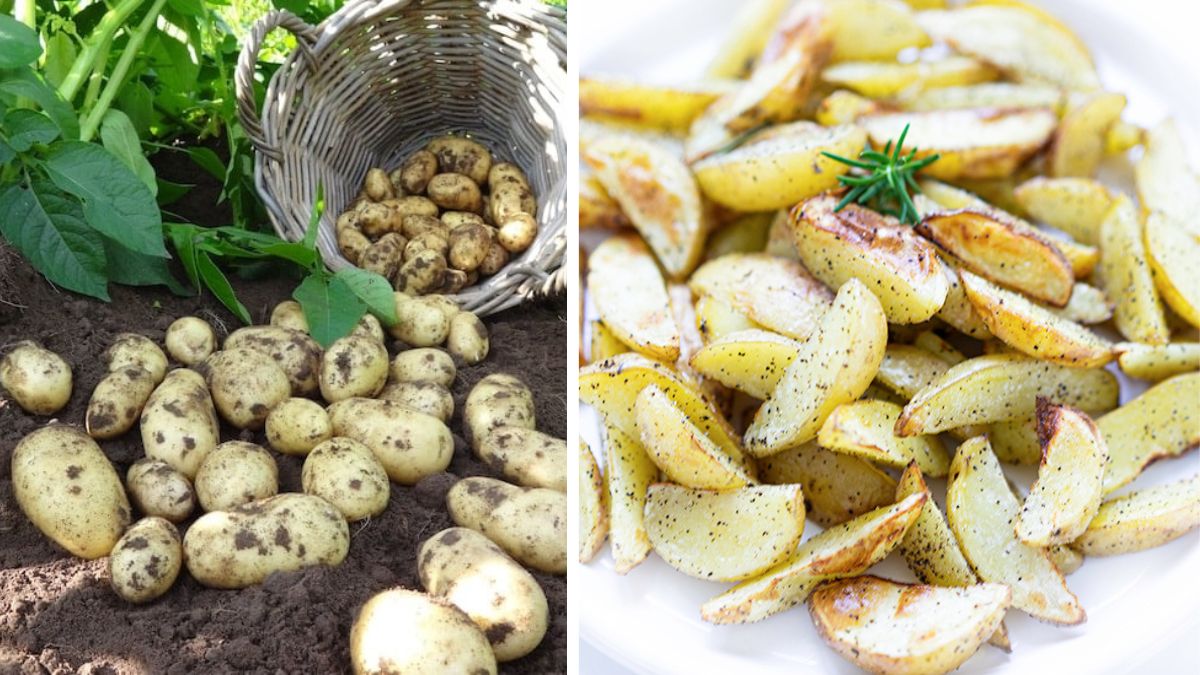
In an age when sustainability and mindful eating are more important than ever, growing your own food has become both a personal and planetary act of change. A simple vegetable like the potato — humble, hearty, and endlessly versatile — can play a surprisingly powerful role in supporting a vegetarian lifestyle and promoting eco-friendly living.
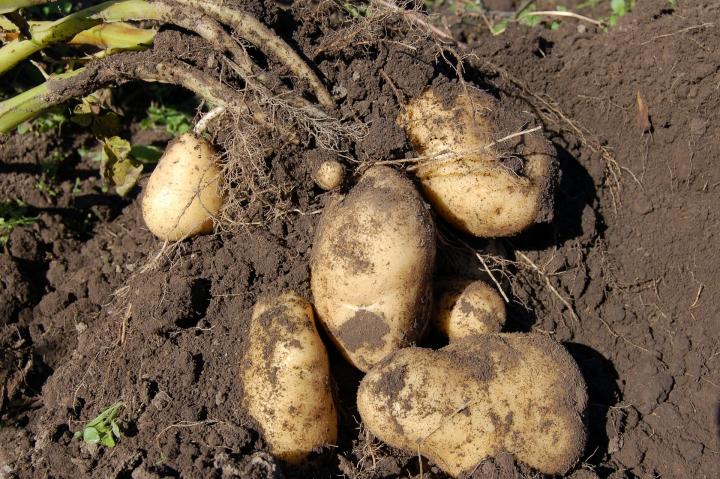
Imagine walking into your backyard, brushing aside soft green leaves, and uncovering a cluster of golden potatoes. These homegrown gems not only feed your body but also nourish the earth through sustainable gardening practices. From planting to plate, backyard potatoes symbolize a cycle of self-sufficiency, environmental care, and delicious vegetarian meals made straight from the soil you tend.
This article explores how to grow, harvest, and enjoy backyard potatoes — and how this simple crop can become the cornerstone of a sustainable vegetarian lifestyle.
1. Why Potatoes Matter in Sustainable Vegetarian Living
Potatoes have long been a dietary staple worldwide, but in the context of sustainable living, they shine even brighter. They’re nutritious, easy to grow, and adaptable to various climates — making them a perfect addition to a plant-based lifestyle.
Here’s why potatoes are a sustainable superfood for vegetarian living:
- Nutrient-Rich and Filling: Potatoes are packed with potassium, vitamin C, and complex carbohydrates, providing energy and satiety without relying on animal-based foods.
- Minimal Inputs: Compared to many other crops, potatoes require less water and space for high yields.
- Soil-Friendly: When grown using organic methods, potatoes improve soil structure and encourage biodiversity in your garden.
- Low Waste: Every part of the potato plant — from peel to leftover mash — can be composted, reducing food waste.
- Versatile in Vegetarian Cooking: Potatoes can be roasted, mashed, steamed, or stewed, blending perfectly with plant-based ingredients for endless culinary creations.
By growing potatoes in your backyard, you’re reducing reliance on industrial agriculture while building a direct relationship with the food you eat — a foundational principle of sustainable vegetarian living.
2. Planning Your Backyard Potato Garden

Potatoes are a gardener’s best friend: forgiving, fast-growing, and generous with their yields. Even if you’re new to gardening, this is one crop that rewards your effort tenfold.
Choosing the Right Space
Select a sunny area that receives at least 6–8 hours of light daily. Potatoes thrive in well-drained, loose soil — heavy or compacted ground can cause the tubers to deform or rot.
If your backyard has limited space, consider containers, grow bags, or raised beds. Potatoes grow just as happily in pots as they do in the ground, making them accessible to apartment dwellers or small-space gardeners.
Preparing the Soil
Healthy soil equals healthy potatoes. Loosen the top 25–30 cm of soil and mix in compost, aged manure, or leaf mold. Avoid fresh manure, as it can burn young roots.
The ideal soil pH for potatoes is 5.0–6.0, slightly acidic. To improve fertility and drainage, add organic matter like coconut coir, composted kitchen scraps, or green manure crops such as clover.
3. Choosing Your Potato Varieties
The variety of potato you grow influences not only your yield but also your culinary options. For vegetarian cooking, consider mixing varieties for texture, color, and taste diversity.
Recommended Varieties:
- Yukon Gold: Buttery flavor; perfect for mashing or soups.
- Red Pontiac: Firm texture, ideal for roasting and salads.
- Kennebec: Excellent all-purpose potato.
- Russet Burbank: Fluffy texture — great for baking or fries.
- Purple Majesty: Vibrant and antioxidant-rich; adds visual appeal to dishes.
Planting multiple types ensures a staggered harvest and a range of flavors for your vegetarian recipes.
4. Preparing and Planting Seed Potatoes
Step 1: Chitting (Pre-Sprouting)
Before planting, pre-sprout your seed potatoes for faster growth.
- Place seed potatoes in a cool, bright area for 2–3 weeks.
- Wait until short green sprouts (1–2 cm) appear from the “eyes.”
- If the potatoes are large, cut them into chunks with at least two eyes per piece.
- Let the cut surfaces dry for 24–48 hours before planting to prevent rotting.
Step 2: Planting
- In-Ground Planting:
- Dig trenches 10–15 cm deep and 60 cm apart.
- Place seed potatoes 25–30 cm apart with eyes facing up.
- Cover lightly with 8 cm of soil.
- In Containers or Grow Bags:
- Fill your container one-third full with soil.
- Place the seed potatoes and cover them with soil.
- As the plants grow, keep adding soil until the container is nearly full.
Potatoes grow beneath the soil, so “hilling” (adding layers of soil around stems) encourages more tubers to form and protects them from sunlight.
5. Caring for Your Potato Plants
Watering
Keep the soil consistently moist but not soggy. Overwatering leads to rot, while underwatering stunts tuber growth. Water deeply once or twice a week, especially during flowering, when the tubers start to form.
Hilling
Every few weeks, gently mound soil or compost around the base of each plant. This process supports the stems, prevents sunlight from greening the potatoes, and boosts yield.
Fertilizing
Feed your plants with organic fertilizer or compost tea every 3–4 weeks. Avoid nitrogen-heavy fertilizers — they promote leafy growth at the expense of tubers.
Pest and Disease Control
- Use neem oil or insecticidal soap to deter pests like potato beetles and aphids.
- Practice crop rotation each year to avoid soil-borne diseases.
- Interplant with herbs like basil, marigold, or thyme to repel insects naturally.
Sustainable pest control keeps your soil ecosystem healthy and chemical-free.
6. Harvesting Your Backyard Potatoes
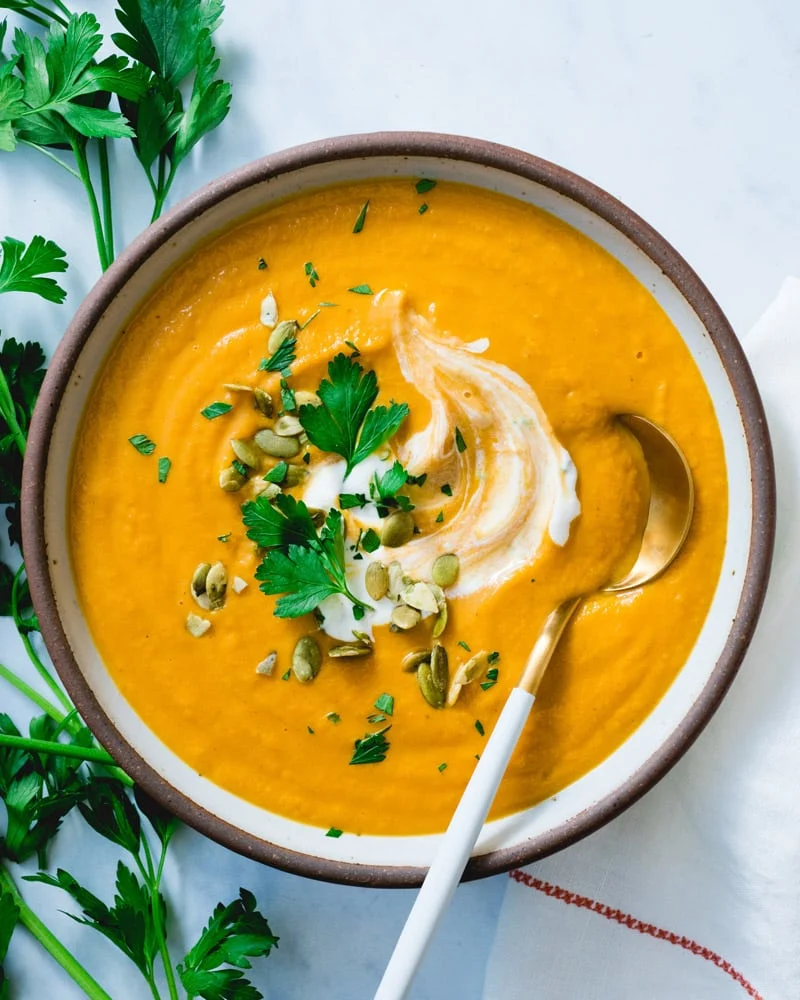
The moment of harvest is pure joy — a tangible reward for your patience and care.
For New Potatoes:
Harvest early, about 2–3 weeks after flowering, for small, tender tubers with delicate skins. Perfect for salads and quick-cooking dishes.
For Mature Potatoes:
Wait until the foliage turns yellow and dies back. Gently dig around the base with a garden fork or your hands to avoid damaging the tubers. Brush off excess soil and let them dry in a shady, airy spot.
7. Storing Your Harvest
After harvesting, cure your potatoes for about two weeks in a dark, well-ventilated area. This toughens their skins and extends shelf life.
Store them in a cool, dry, and dark place (around 4–10°C). Avoid sunlight and plastic bags, as these cause sprouting or greening. Properly stored, your potatoes can last for months — reducing your dependence on store-bought produce.
8. Turning Backyard Potatoes into Sustainable Vegetarian Meals
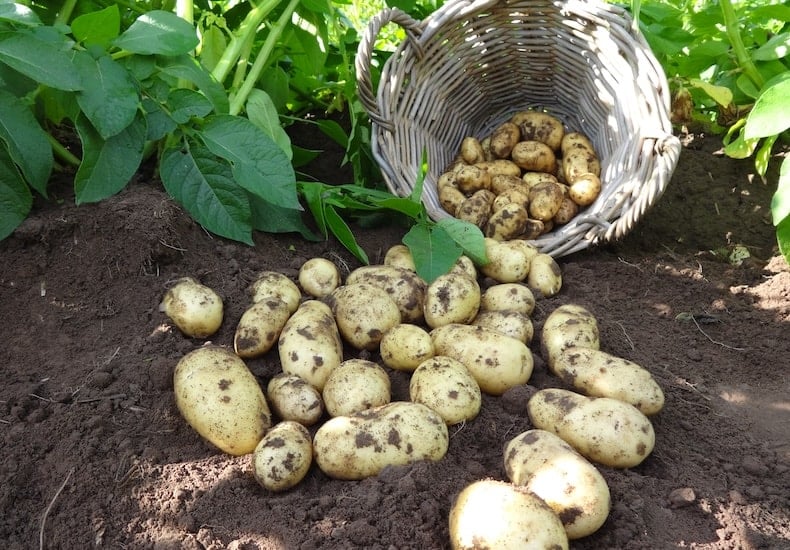
Once your harvest is ready, it’s time to transform it into nourishing, plant-based dishes. Potatoes complement almost every vegetable and grain, making them perfect for sustainable, creative cooking.
1. Roasted Potato & Veggie Medley
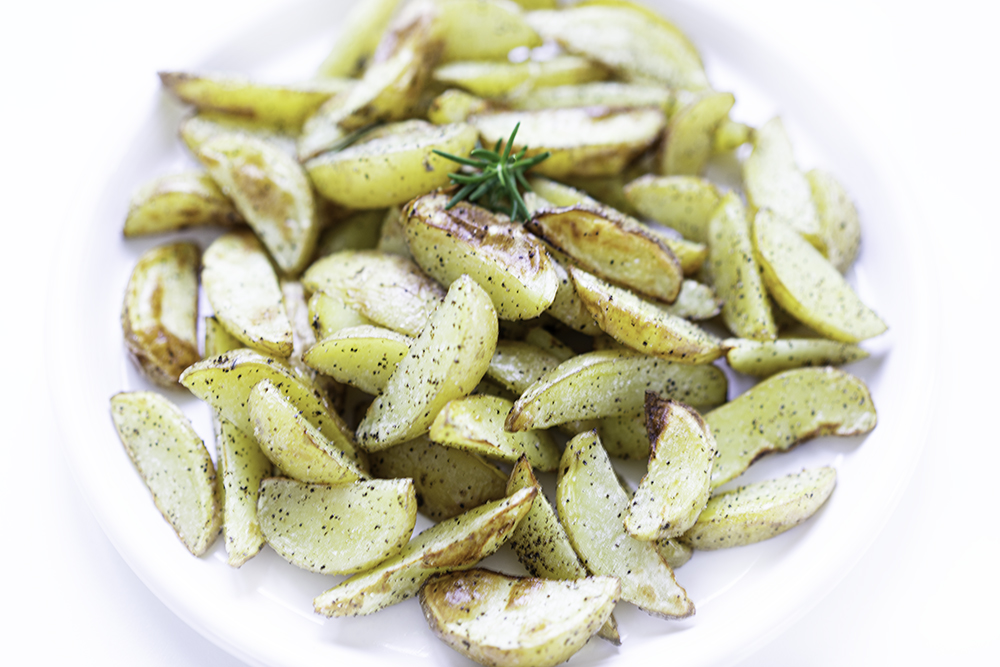
Toss cubed potatoes with zucchini, carrots, bell peppers, olive oil, and rosemary. Roast until crisp for a colorful, nutrient-rich meal.
2. Creamy Potato and Lentil Stew
Simmer potatoes with red lentils, spinach, and coconut milk. Add turmeric and cumin for a warm, protein-packed dish.
3. Garden-Fresh Potato Salad
Mix boiled potatoes with peas, beans, and herbs. Dress with olive oil and lemon for a refreshing summer salad.
4. Mashed Potato and Cauliflower Bowl
Blend steamed potatoes with cauliflower for a lighter, fluffy mash. Serve with grilled tofu or sautéed greens.
5. Potato-Stuffed Bell Peppers
Mash cooked potatoes with corn, spices, and spinach. Fill halved bell peppers and bake until golden.
Each recipe showcases how potatoes can be the heart of vegetarian comfort food — simple, satisfying, and sustainable.
9. The Sustainability Connection
Growing your own potatoes isn’t just about food — it’s about responsibility. It allows you to:
- Reduce Food Miles: Backyard potatoes eliminate packaging and transport emissions.
- Encourage Biodiversity: Home gardens support pollinators and soil organisms.
- Minimize Waste: Composting potato peels and garden scraps closes the nutrient loop.
- Build Food Security: Growing staple crops fosters independence and resilience.
Sustainable vegetarian living thrives on principles of balance — between what we take from the earth and what we give back. Backyard gardening embodies that harmony.
10. Tips for Year-Round Potato Success
- Rotate Crops: Avoid planting potatoes in the same soil every year to prevent disease buildup.
- Mulch Generously: Use straw or leaves to retain moisture and suppress weeds.
- Save Seed Tubers: Select healthy potatoes from your harvest to plant next season.
- Experiment: Try colored varieties or heritage types for richer flavors and nutrition.
Each gardening season offers lessons in patience, adaptation, and gratitude — values that align perfectly with sustainable living.
Conclusion: A Sustainable Future, Rooted in Your Backyard
Your backyard potato patch is more than a source of food — it’s a symbol of sustainability, mindfulness, and self-reliance. By nurturing potatoes in your own soil, you’re reducing your environmental impact, embracing a vegetarian lifestyle, and reconnecting with the rhythms of nature.
From planting the first sprout to enjoying the final forkful of a home-cooked meal, your journey with backyard potatoes represents a return to authenticity — food that’s pure, local, and grown with love.
In a world hungry for sustainability, every home garden becomes a beacon of hope. So, grab a handful of seed potatoes, turn your backyard into a patch of promise, and watch how something as simple as a potato can inspire a greener, healthier, and more compassionate way of living.