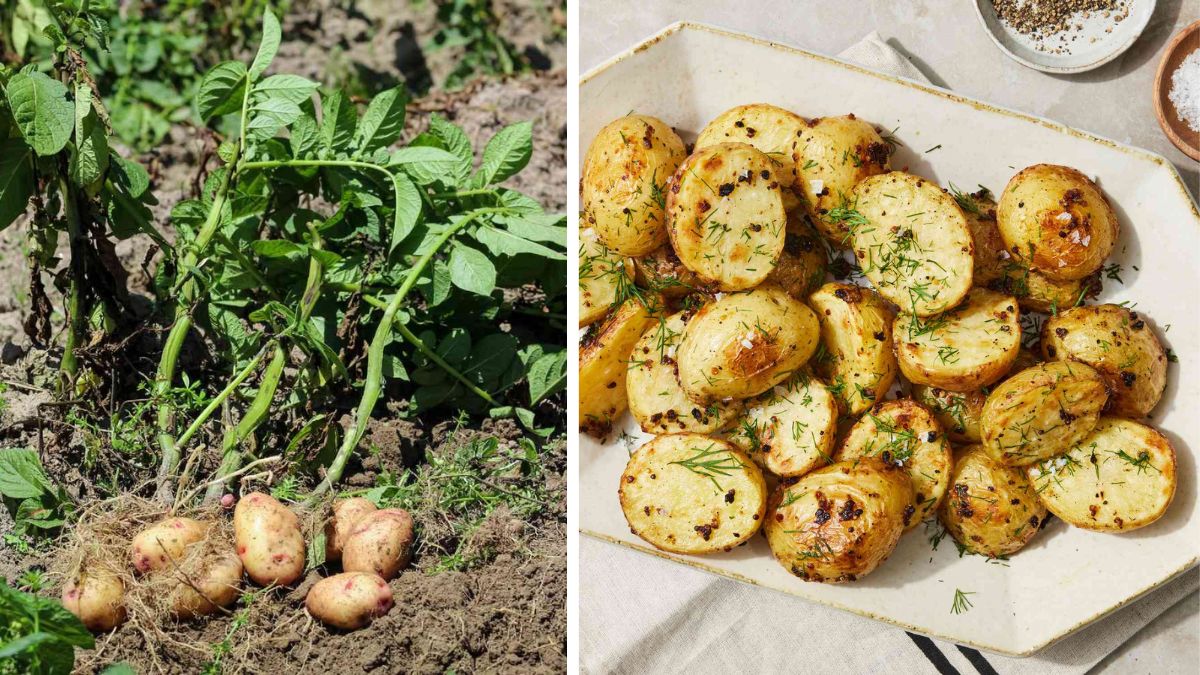
There’s something truly magical about harvesting a basket of freshly dug potatoes from your own backyard. With dirt still clinging to their skins and the earthy scent of the soil rising in the air, these humble tubers represent the essence of the farm-to-fork movement — food grown, harvested, and cooked by your own hands.
Potatoes have long been a symbol of comfort, simplicity, and nourishment. Yet, when homegrown, they become more than just a side dish — they’re a story of sustainability, freshness, and pure flavor. Growing your own potatoes allows you to rediscover the rich taste of this versatile vegetable while embracing an eco-friendly lifestyle that connects you deeply with your food.
This article explores everything you need to know about cultivating potatoes in your garden — from planting to harvesting — and how to transform your harvest into delicious dishes that celebrate true farm-to-fork flavor.
The Meaning of Farm-to-Fork Living
The farm-to-fork philosophy is all about reducing the distance between where your food is grown and where it’s eaten. It promotes freshness, sustainability, and self-sufficiency. When you grow your own produce — especially something as satisfying as potatoes — you become part of a natural cycle that prioritizes health, taste, and environmental responsibility.
Every stage, from soil preparation to serving a warm bowl of mashed or roasted potatoes, reflects a mindful connection to the food you eat. Unlike store-bought potatoes that are often sprayed with chemicals and stored for months, homegrown potatoes are full of authentic flavor and nutrients that industrial farming can’t replicate.
Why Potatoes Deserve a Place in Your Garden

Potatoes are an excellent choice for both beginner and seasoned gardeners. They are easy to grow, adaptable to different climates, and incredibly rewarding. A single seed potato can yield several pounds of produce, making them a space-efficient and cost-effective crop.
Here’s why potatoes are perfect for your farm-to-fork journey:

- Nutrient-Rich: Potatoes are loaded with complex carbohydrates, vitamin C, potassium, and fiber.
- Culinary Versatility: From soups and curries to baked dishes and casseroles, potatoes fit every meal.
- Storage-Friendly: Properly cured and stored, they can last for months — ideal for year-round cooking.
- Eco-Friendly: Growing your own reduces packaging waste, transportation emissions, and reliance on industrial farming.
Step 1: Planning and Preparing the Perfect Potato Bed

Healthy soil grows healthy potatoes. Choose a sunny spot in your yard that gets at least 6 to 8 hours of sunlight daily.
Soil Preparation
Potatoes prefer loose, well-draining, and slightly acidic soil (pH 5.0–6.0). Before planting:
- Loosen the soil to a depth of about 25–30 cm.
- Mix in compost, leaf mold, or aged manure for organic nutrition.
- Avoid adding too much nitrogen, which promotes leafy growth instead of tubers.
If your soil is heavy or clay-based, consider raised beds or grow bags. Potatoes do beautifully in containers, provided they have good drainage.
Step 2: Choosing the Right Potato Variety

Potatoes come in many varieties, each offering distinct textures and flavors. Selecting the right type can enhance both your harvest and your kitchen experience.
Common Varieties:
- Yukon Gold: Buttery and creamy — perfect for mashing and roasting.
- Russet: Fluffy and starchy — great for baking and fries.
- Red Pontiac: Waxy and firm — ideal for salads and soups.
- Kennebec: All-purpose potato with smooth skin and white flesh.
For diverse cooking options, plant a mix of early, mid-season, and late varieties. This way, you’ll enjoy continuous harvests and varied textures for your recipes.
Step 3: Seed Potatoes and Pre-Sprouting (Chitting)
Buy certified seed potatoes from a local nursery or garden store — not grocery potatoes, which are often treated to prevent sprouting.
Two weeks before planting, set your seed potatoes in a bright, cool area. Allow short green shoots to develop — this process, called chitting, helps them grow faster once planted.

If your seed potatoes are large, cut them into pieces about 5 cm wide, ensuring each has at least one or two “eyes.” Let them dry for 24–48 hours before planting to prevent rot.
Step 4: Planting Your Potatoes
Potatoes prefer cool weather, so plant them 2–3 weeks before the last expected frost.
In-Ground Planting:
- Dig trenches 10–15 cm deep and 60 cm apart.
- Place seed potatoes (eyes facing up) 25–30 cm apart in each trench.
- Cover with 5–8 cm of soil.
- As shoots appear, mound soil around the stems — a process called hilling — to protect developing tubers from sunlight and encourage more growth.
Container or Grow Bag Planting:
- Fill the container one-third with soil.
- Add seed potatoes and cover them with soil.
- As plants grow, keep adding layers of soil until the container is nearly full.
Container planting is ideal for patios, balconies, or small gardens.
Step 5: Caring for Your Potato Plants
Watering
Potatoes need consistent moisture but dislike soggy soil. Water deeply once or twice a week, especially during flowering when tubers are forming. Uneven watering can cause irregular shapes or splitting.
Hilling
Every few weeks, add soil or compost around the base of the plants to prevent sunlight from greening the tubers. Repeat until the mound reaches about 20–25 cm high.
Fertilizing
Feed with organic compost tea or seaweed extract every few weeks. Avoid synthetic fertilizers — they may harm beneficial soil organisms and reduce flavor quality.
Pest and Disease Control
Common issues include Colorado potato beetles, aphids, and blight.

- Inspect plants regularly.
- Use neem oil or insecticidal soap for pests.
- Rotate crops yearly to prevent soil diseases.
- Avoid planting potatoes near tomatoes or peppers, as they share pests.
Step 6: Harvesting — The Rewarding Moment
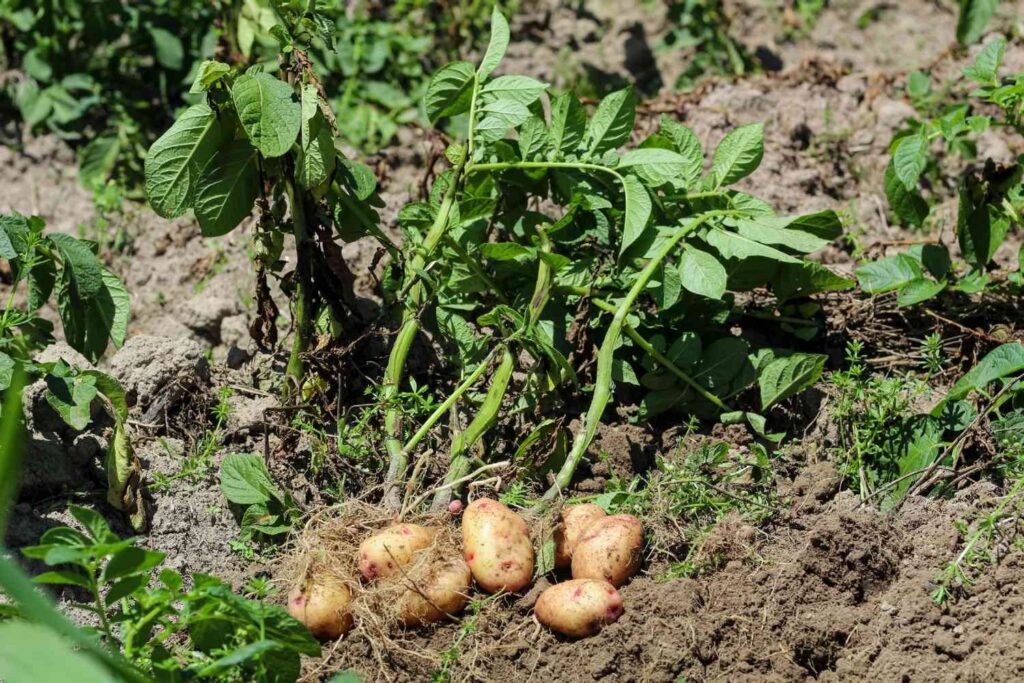
When the plants start to flower, it’s a sign that tubers are forming.
For New Potatoes:
You can gently dig around the base 2–3 weeks after flowering for small, tender “baby potatoes.” Their flavor is unmatched — buttery and sweet.
For Mature Potatoes:
Wait until the foliage yellows and dies back. Use a garden fork to carefully lift the plants, being gentle to avoid bruising the tubers.
Let the potatoes dry for a few hours before cleaning off excess soil.
Step 7: Curing and Storage
To store potatoes for the long term:
- Spread them in a single layer in a dark, well-ventilated place for 10–14 days.
- Once cured, brush off dirt and store in a cool (4–10°C), dark area.
- Never refrigerate them — cold converts starch to sugar, affecting taste and texture.
Properly stored, homegrown potatoes last for up to six months, providing you with garden-fresh ingredients all year.
Step 8: Cooking and Enjoying the Farm-to-Fork Flavor
Here’s where your hard work truly pays off — turning your homegrown harvest into wholesome, comforting dishes that burst with freshness and satisfaction.

1. Rustic Potato Soup
Simmer chopped potatoes with onions, leeks, and garlic in vegetable broth. Add coconut milk for creaminess and top with herbs for a cozy, plant-based delight.
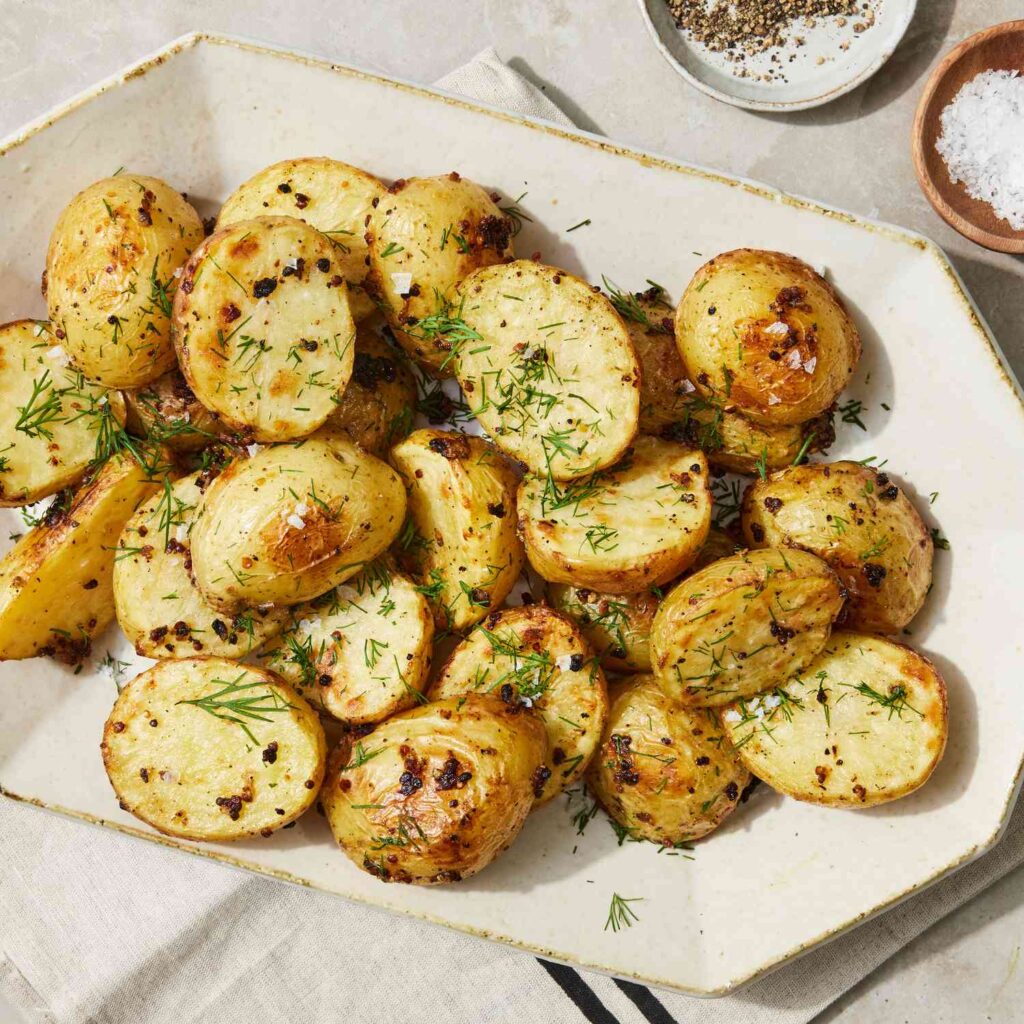
2. Golden Roasted Potatoes
Toss diced potatoes in olive oil, rosemary, salt, and pepper. Roast until crispy outside and soft inside — a perfect side for any meal.
3. Potato and Chickpea Curry
Combine cubed potatoes with chickpeas, tomatoes, and warm spices like cumin and turmeric. Serve with rice for a hearty vegetarian dinner.
4. Baked Potato Casserole
Layer thinly sliced potatoes with spinach, onions, and a cashew cream sauce. Bake until bubbling and golden — the definition of comfort.
5. Homegrown Hash Browns
Grate boiled potatoes, season with herbs, and pan-fry for a crispy breakfast favorite made entirely from your garden.
Each of these dishes highlights the farm-to-fork flavor — earthy, vibrant, and free of artificial additives.
Step 9: Sustainability and Self-Sufficiency
Growing your own potatoes supports a sustainable, mindful lifestyle. You control how your food is grown, reducing your reliance on packaged, store-bought produce. Composting potato peels and garden waste closes the loop, feeding your soil and future crops.

- Reduce Waste: No plastic packaging or long transport chains.
- Save Money: Homegrown potatoes cost a fraction of store prices.
- Empowerment: Producing your own food builds resilience and self-reliance.
It’s not just gardening — it’s a lifestyle of responsibility and reward.
Conclusion: A Journey from Soil to Supper
Growing potatoes is one of the simplest yet most rewarding steps toward a true farm-to-fork lifestyle. From the moment you plant a seed potato to the time you enjoy a freshly cooked meal, every stage reflects nature’s generosity and your own care.
Each homegrown potato tells a story — of sunlight, rain, soil, and the patient hands that nurtured it. The satisfaction of cooking with ingredients you’ve grown yourself is unmatched; it brings flavor, freshness, and fulfillment that no store-bought produce can deliver.
So, turn a corner of your backyard into a potato paradise. Watch them sprout, grow, and flourish. Then bring their wholesome, earthy flavor straight to your table. That’s farm-to-fork living — pure, sustainable, and delicious.