
There’s something deeply comforting about a bowl of hot soup, a bubbling stew, or a creamy casserole on a chilly evening. These dishes warm both body and soul, offering nourishment and nostalgia in every bite. And at the heart of many of these beloved comfort meals lies one humble yet powerful ingredient — the potato.
Growing your own potatoes is more than just a gardening project; it’s a pathway to fresh, flavorful, and fulfilling meals straight from your backyard. Potatoes add richness, texture, and heartiness to countless comfort recipes. By cultivating them yourself, you ensure that every bite is not only delicious but also grown with care, sustainability, and pride.
This comprehensive guide will take you through every stage — from planting and harvesting to cooking — showing you how to grow potatoes that elevate your homemade soups, stews, and casseroles to restaurant-quality perfection.
Why Potatoes Are the Star of Comfort Food

Potatoes are a cornerstone of global cuisine. Their ability to absorb flavors, thicken broths, and create creamy textures makes them indispensable in comfort cooking. But their value goes beyond the kitchen.
Here’s why potatoes are perfect for homegrown comfort meals:
- Nutritious and Filling: Rich in complex carbohydrates, potassium, fiber, and vitamin C, potatoes provide lasting energy.
- Flavor Versatility: They blend beautifully with herbs, spices, and vegetables, making them a perfect base for savory dishes.
- Textural Magic: Potatoes can be silky in soups, hearty in stews, and crisp on top of casseroles.
- Sustainability: Potatoes require less land and water compared to many crops and can yield several pounds from a small patch.
By growing your own, you also skip pesticides, packaging waste, and transportation costs, embracing a farm-to-table lifestyle that’s healthier for you and the planet.
Step 1: Planning Your Potato Patch

You don’t need acres of farmland to grow a good potato harvest. Even a modest garden, a few raised beds, or large containers can yield enough for months of hearty cooking.
Choosing the Right Location
Potatoes thrive in full sunlight — at least 6 to 8 hours daily. Choose a spot with loose, well-draining soil. Heavy or waterlogged soil can cause tuber rot, so if your ground is clay-heavy, opt for raised beds or large containers.
Preparing the Soil
Potatoes love fertile, slightly acidic soil with a pH of 5.0 to 6.0. Before planting, loosen the soil about 25–30 cm deep and enrich it with organic compost or well-rotted manure. Avoid chemical fertilizers; organic amendments promote healthier growth and better flavor.
For container planting, use a mix of garden soil, compost, and sand to ensure good drainage.
Step 2: Selecting and Preparing Seed Potatoes
The quality of your crop begins with your seed potatoes. Skip grocery store potatoes, which are often treated to prevent sprouting. Instead, buy certified seed potatoes from a trusted nursery.
Chitting (Pre-Sprouting)
About two weeks before planting, place your seed potatoes in a cool, bright spot until small, green shoots appear. This pre-sprouting process, called chitting, jumpstarts growth once they’re planted.
If your seed potatoes are large, cut them into chunks about 5 cm wide, ensuring each piece has at least one or two “eyes.” Let the cut pieces dry for a day or two to prevent rot.
Step 3: Planting Time

Potatoes prefer cool weather, so plant them 2–3 weeks before the last frost in your region. If you live in a warm climate, you can plant again in the fall for a second harvest.
In-Ground Planting
- Dig trenches about 10–15 cm deep and 60 cm apart.
- Place the seed potatoes, eyes facing upward, 30 cm apart in each row.
- Cover them lightly with 5–7 cm of soil.
- As the plants grow, gradually mound more soil around them — a technique known as hilling.
Container or Bag Planting
Potatoes grow beautifully in grow bags or large buckets:
- Fill your container one-third with soil.
- Add your seed potatoes.
- Cover with more soil as they grow until the container is nearly full.
This method keeps harvesting simple and works even in small urban spaces.
Step 4: Caring for Your Plants
Potatoes are resilient but thrive with a little consistent attention.
Watering
Keep the soil evenly moist, especially during flowering (the time when tubers start forming). Deep watering once or twice a week is ideal. Avoid soggy soil, as overwatering can lead to rot.
Hilling
When plants reach 20 cm in height, gently mound soil or compost around the base. Repeat every few weeks. This not only supports the plants but also encourages more tuber production and protects potatoes from sunlight, which turns them green and toxic.
Fertilizing
Use organic compost, seaweed extract, or compost tea every few weeks to feed your plants. Avoid fertilizers high in nitrogen — they cause excessive leafy growth with fewer potatoes.
Pest Control
Common pests include Colorado potato beetles and aphids. Combat them naturally by:
- Planting marigolds, beans, or basil nearby.
- Spraying neem oil or insecticidal soap.
- Rotating your crops annually to prevent soil-borne diseases.
Step 5: Harvesting Your Potatoes
The real excitement begins when your plants start to flower — a sign that tubers are forming underground.
For New Potatoes:
Gently dig around the base 2–3 weeks after flowering to collect small, tender potatoes. They’re perfect for soups and creamy casseroles.
For Mature Potatoes:
Wait until the leaves and stems turn yellow and die back. Carefully lift the soil with a fork or your hands to reveal the mature tubers. Shake off the dirt and handle gently to avoid bruising.
Step 6: Curing and Storing
To keep your harvest fresh for months, cure your potatoes before storage:
- Lay them in a dark, well-ventilated area for 10–14 days.
- Once cured, store them in a cool (4–10°C), dark, and humid place.
- Avoid direct sunlight and never refrigerate them — cold temperatures alter their taste and texture.
Properly stored potatoes can last up to six months, ensuring you always have ingredients ready for hearty homemade meals.
Step 7: Cooking Comfort — Soups, Stews, and Casseroles
Now comes the most enjoyable part — cooking! Potatoes are the foundation of many comfort classics. They absorb flavors beautifully and bring creaminess, thickness, and body to plant-based dishes.
1. Creamy Potato and Leek Soup
A classic that celebrates the potato’s mild flavor.
- Sauté leeks and garlic in olive oil.
- Add diced potatoes, vegetable broth, salt, and pepper.
- Simmer until tender, then blend until smooth.
Finish with a drizzle of coconut milk for a velvety, dairy-free touch.
2. Hearty Vegetable Stew
Potatoes shine as the heart of any stew.
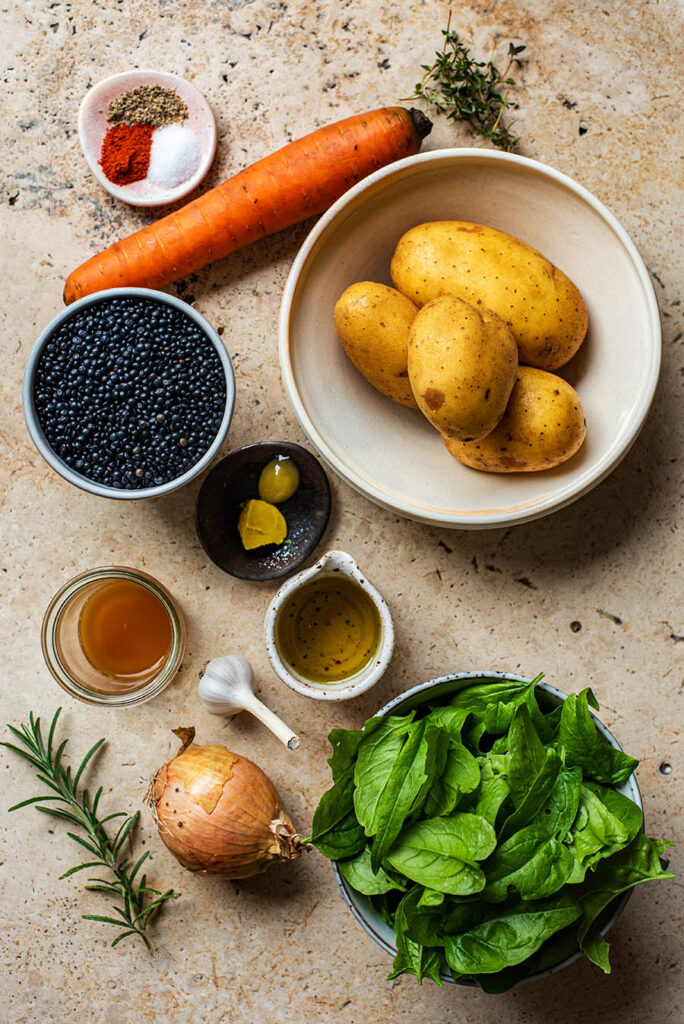
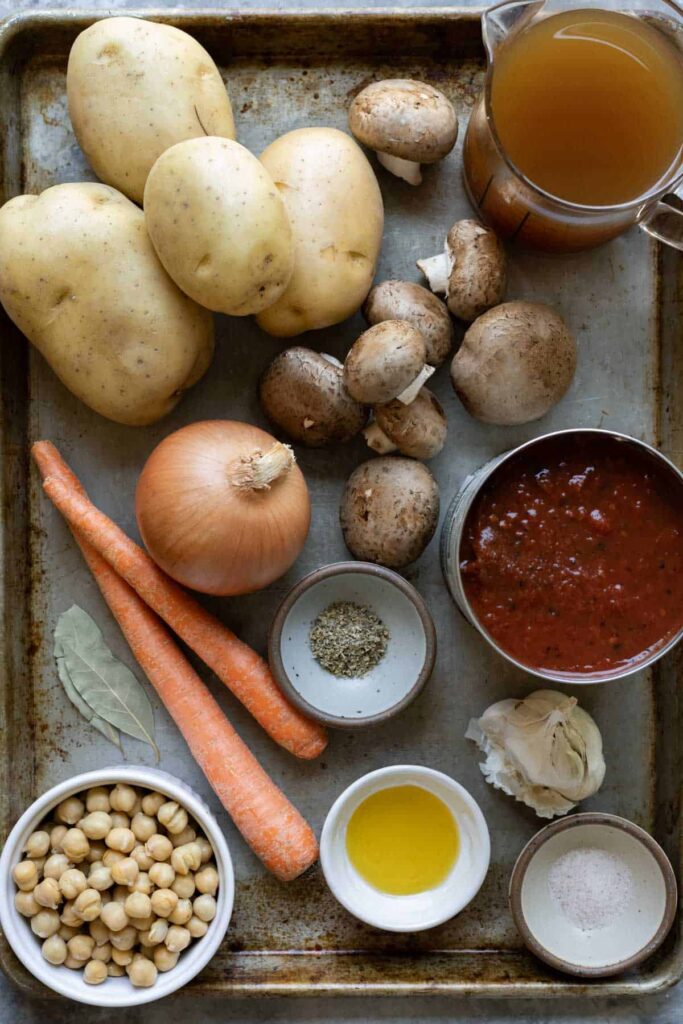
Combine cubed potatoes with carrots, peas, beans, and onions. Simmer in tomato broth with herbs like thyme, rosemary, and bay leaves. The potatoes thicken the stew naturally, creating a cozy, filling meal.
3. Potato and Spinach Casserole
Slice parboiled potatoes and layer them with sautéed spinach, onions, and a cashew-based cream sauce. Bake until bubbly and golden. It’s a rich, satisfying dish without a drop of dairy.
4. Lentil-Potato Shepherd’s Pie
Use mashed potatoes as a creamy topping for a filling of lentils, carrots, and peas. Bake until the top is crisp and lightly browned. This plant-based comfort dish is perfect for family dinners.
5. Roasted Potato and Cauliflower Bake
Toss potato wedges and cauliflower florets in olive oil, garlic, and paprika. Roast together for a simple, one-pan casserole that’s nutritious and irresistible.
With homegrown potatoes, each dish carries a deeper sense of satisfaction — the flavors of your garden, your care, and your creativity.
Step 8: The Sustainable Advantage
Growing your own potatoes contributes to a healthier planet and a more self-sufficient lifestyle.
- Reduced Carbon Footprint: No transport, packaging, or industrial farming waste.
- Zero Waste: Compost potato peels and plant scraps to feed your garden soil.
- Organic Living: You control what goes into your food — no chemicals, no preservatives.
Each step, from planting to cooking, forms a sustainable food loop — nourishing you while nurturing the earth.
Tips for Long-Term Success
- Rotate Crops: Avoid planting potatoes in the same soil two years in a row to prevent diseases.
- Save Your Best Tubers: Use small, healthy potatoes from your harvest as next season’s seed stock.
- Mulch Well: Use straw or dry leaves to keep soil moist and prevent weeds.
- Experiment with Varieties: Try Yukon Gold for soups, Russet for casseroles, or Red Norland for stews.
Conclusion: From Soil to Supper Bowl
Growing your own potatoes connects you to your food in the most beautiful way. With a little care, you can turn simple soil into sustenance — and transform your harvest into steaming soups, savory stews, and creamy casseroles that comfort every sense.
Each potato you dig up is a reminder of the cycle of nature and the joy of self-grown nourishment. As you cook, the flavors carry not just nutrition but also the reward of patience, effort, and care.
So, roll up your sleeves, plant a few seed potatoes, and imagine the aroma of simmering stew or bubbling casserole made with your very own harvest. It’s more than food — it’s a homegrown embrace in every bowl.