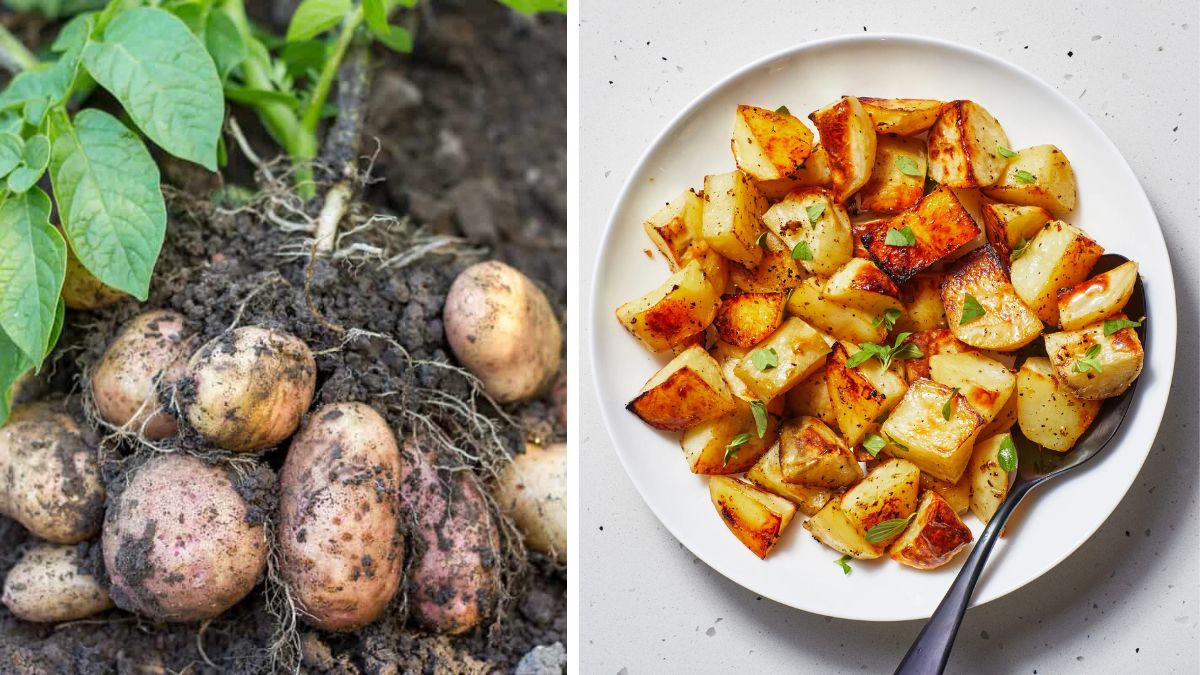
Few foods have shaped global cuisine as deeply as the humble potato. From creamy mashed potatoes to crispy fries and hearty soups, this versatile vegetable has earned its place at the heart of both simple and sophisticated meals. But what if you could take that satisfaction a step further—by growing and cooking your own potatoes right at home?
Growing your own potatoes is more than a gardening project—it’s an invitation to reconnect with the food you eat. It’s about savoring freshness, reducing waste, and experiencing the full journey from soil to supper. Whether you have a backyard, a balcony, or just a few containers, cultivating potatoes can be simple, rewarding, and delicious.
In this detailed guide, we’ll walk through the entire process—planting, growing, harvesting, and cooking your own potatoes—so you can enjoy homegrown comfort food at its finest.
Why Grow Your Own Potatoes?
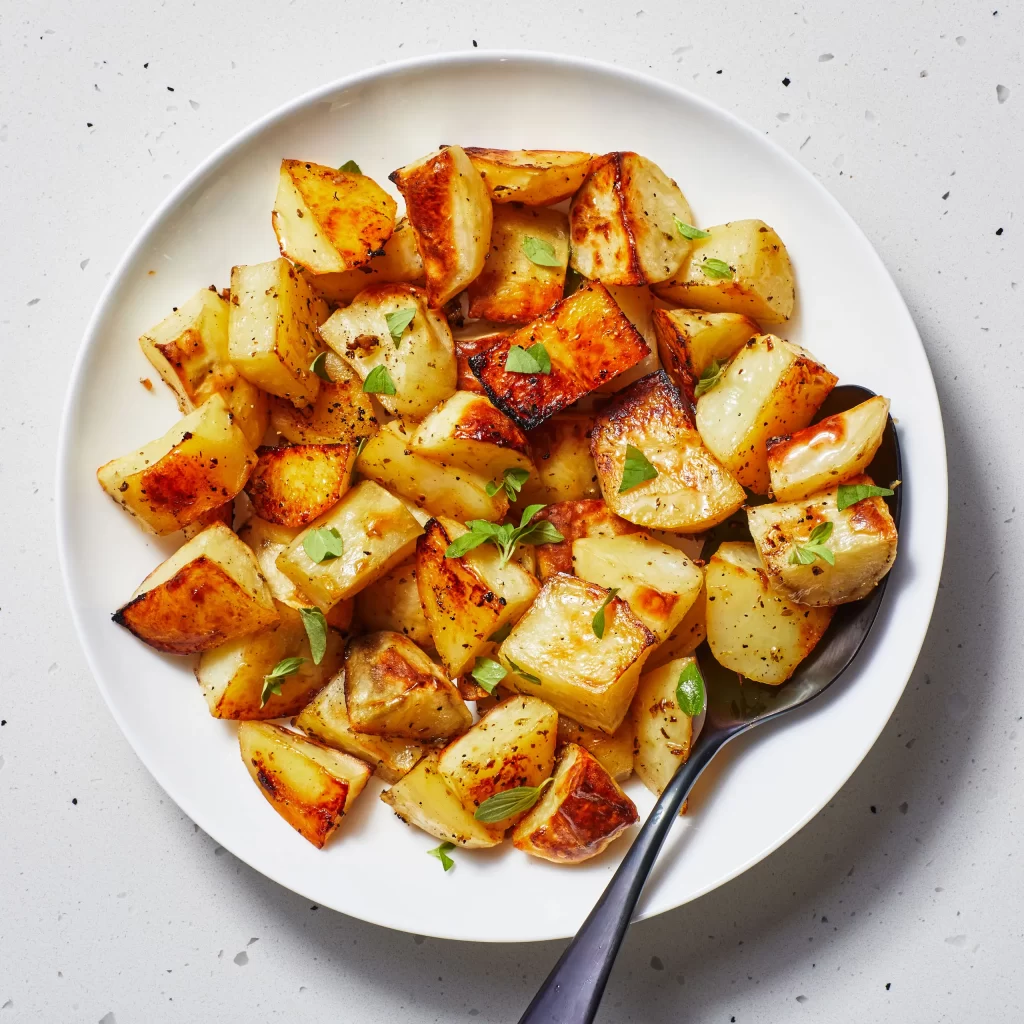
Before we dive into the how, let’s explore the why. Store-bought potatoes are convenient, but they’re often treated with preservatives or sprout inhibitors. Homegrown potatoes, on the other hand, are:
- Fresher and tastier, with a naturally rich, earthy flavor.
- Chemical-free, since you control what goes into your soil.
- Sustainable, reducing packaging waste and transport emissions.
- Nutrient-rich, retaining more vitamin C, potassium, and fiber.
- Cost-effective, yielding kilograms of potatoes from just a few seed tubers.
Growing potatoes also deepens your connection to food. Watching green shoots burst from the soil and later transforming those tubers into comforting dishes makes every bite more meaningful.
Step 1: Preparing for Planting
Choose the Right Spot
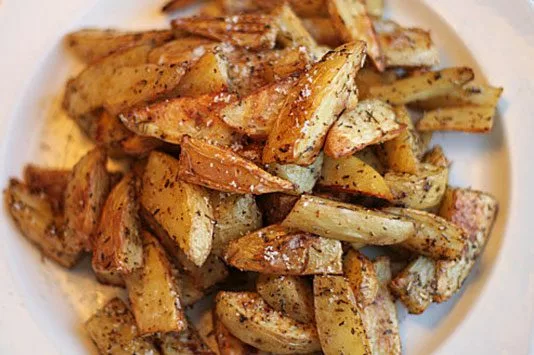
Potatoes need a sunny location with at least six hours of sunlight daily. They grow best in well-drained, loose soil that allows tubers to expand freely. Avoid areas that collect standing water, as soggy soil leads to rot.
If you don’t have much space, you can easily grow potatoes in grow bags, large buckets, or raised beds. Even a small patio can yield a satisfying harvest!
Select Your Potato Variety
There are hundreds of potato varieties, each with unique textures and flavors. Choose based on how you plan to cook them:
- Waxy potatoes (e.g., Red Pontiac, Fingerling): Hold shape well for salads and roasting.
- Starchy potatoes (e.g., Russet, King Edward): Ideal for mashing, baking, and frying.
- All-purpose potatoes (e.g., Yukon Gold, Desiree): Versatile for most dishes.
Use Certified Seed Potatoes
Always start with certified seed potatoes, available from garden centers or online stores. These are disease-free and specifically cultivated for replanting. Avoid supermarket potatoes, as they may carry pathogens or be treated with sprout inhibitors.
Step 2: Preparing the Soil
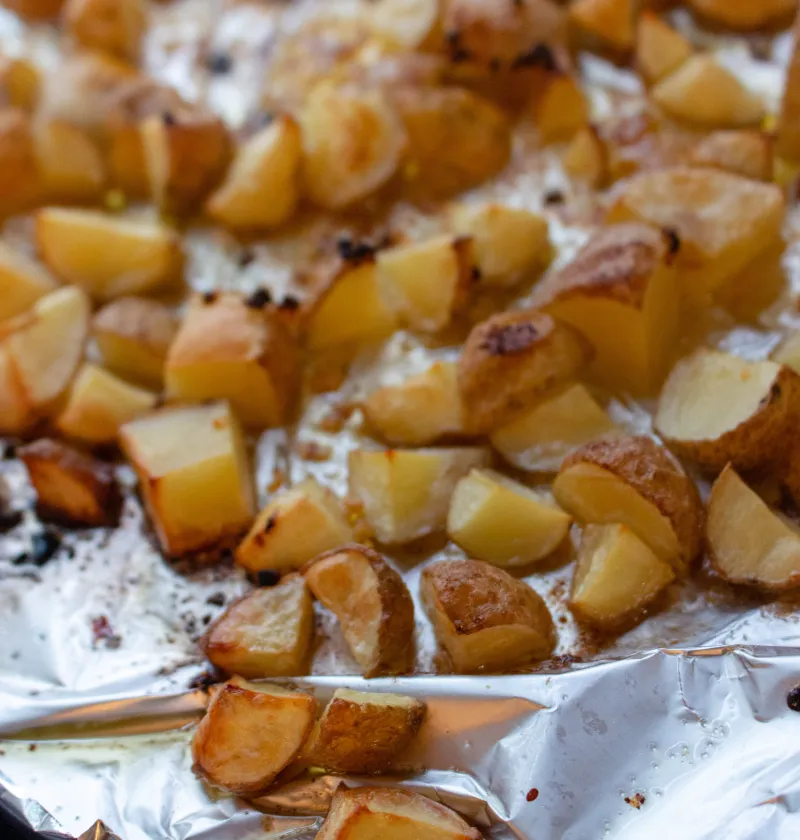
Potatoes thrive in loose, nutrient-rich soil. Here’s how to get it ready:
- Loosen the soil to a depth of about 8–10 inches.
- Mix in compost or aged manure for organic nutrition.
- Maintain a slightly acidic pH between 5.5 and 6.5.
- Avoid heavy clay soils; if needed, improve texture with sand or organic matter.
If growing in containers, use a potting mix blended with compost and make sure there’s good drainage.
Step 3: Planting Potatoes
Cut and Cure
If your seed potatoes are large, cut them into chunks roughly the size of a golf ball, ensuring each piece has at least one or two “eyes” (small buds). Let them dry for 1–2 days in a cool, dry place so the cut surfaces form a protective layer.
Planting Depth and Spacing
- Dig trenches about 4 inches deep and 2 feet apart.
- Place the seed potatoes 12 inches apart within each trench, eyes facing upward.
- Cover with 3–4 inches of soil.
As the plants grow, you’ll add more soil around the base—a technique known as hilling—to encourage more tuber growth and prevent sun exposure.
Step 4: Caring for Growing Potatoes
Once your potatoes are planted, consistent care ensures a healthy, abundant harvest.
Watering
Water deeply once or twice a week, depending on rainfall. The soil should be moist but never soggy. Irregular watering can cause cracking or deformities in the tubers.
Fertilizing
Feed your plants with compost tea or an organic fertilizer every few weeks. Avoid high-nitrogen fertilizers, as they promote leafy growth instead of tubers.
Hilling
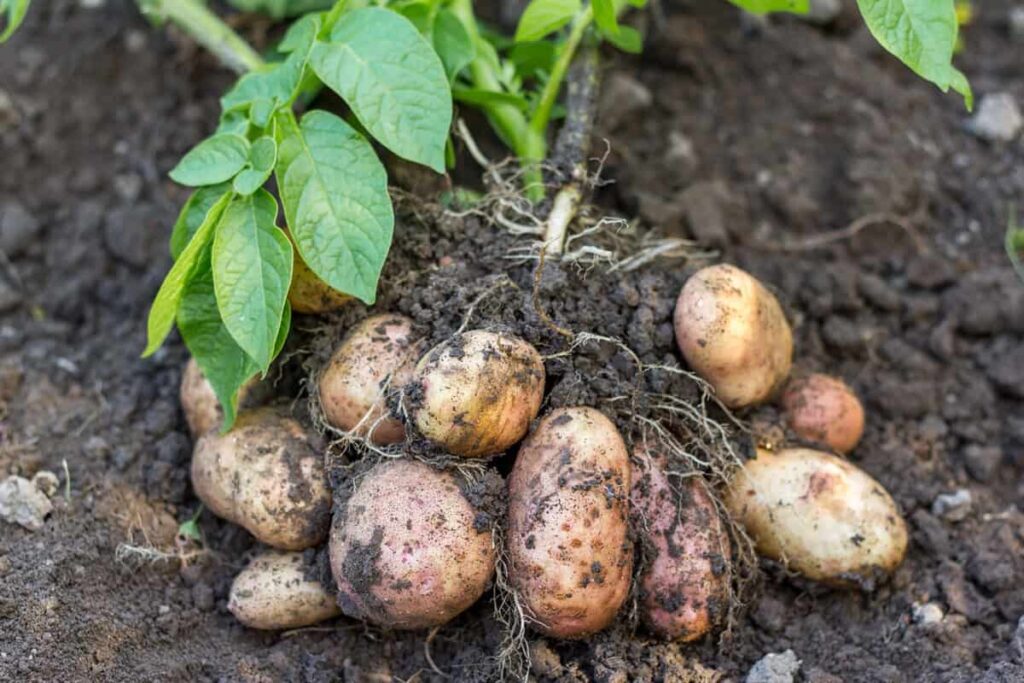
When plants reach about 6–8 inches tall, gently mound soil around their base, leaving the top few leaves exposed. Repeat this process every 2–3 weeks. Hilling prevents tubers from turning green and increases yield.
Mulching
Apply a thick layer of straw, dry leaves, or grass clippings to help retain moisture, suppress weeds, and regulate soil temperature.
Pest and Disease Control
Watch for aphids, wireworms, and potato beetles. Use natural solutions like neem oil or hand-picking pests. Rotate crops yearly to avoid soil-borne diseases like blight or scab.
Step 5: Harvesting Your Potatoes
Harvesting is where all your effort pays off.
New Potatoes
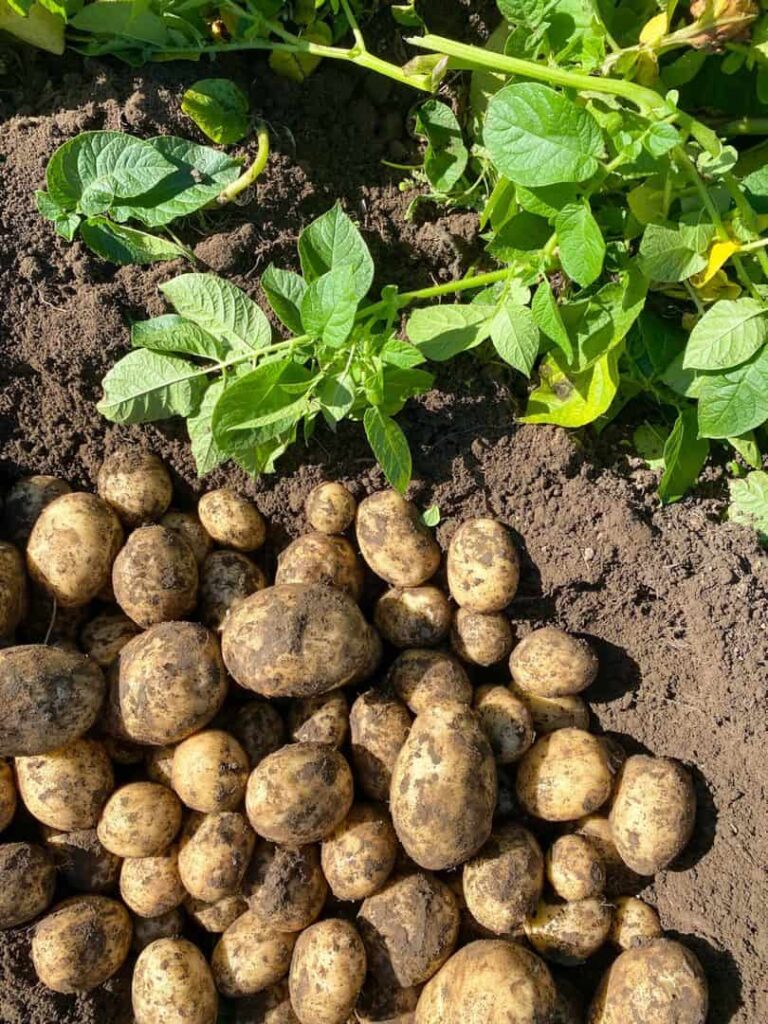
After about 8–10 weeks, when the plants begin to flower, you can gently dig around the base to find small, tender “new potatoes.” These are perfect for boiling or roasting.
Mature Potatoes
For a full harvest, wait until the foliage has completely yellowed and withered—usually after 14–16 weeks. Gently lift the soil with a garden fork or shovel, taking care not to damage the tubers.
Curing and Storage
Cure your potatoes by laying them in a cool, dark, and ventilated space for about 10–14 days. This toughens the skins and helps them store longer. Once cured, keep them in a cool, dark area—like a pantry or cellar—at around 7–10°C. Avoid refrigeration, which can turn the starches into sugar.
Properly stored, homegrown potatoes can last for several months, providing you with a steady supply of fresh, flavorful produce.
Step 6: Cooking with Your Homegrown Potatoes
Now comes the most enjoyable part—transforming your harvest into delicious vegetarian dishes. The beauty of homegrown potatoes lies in their versatility. They can be roasted, boiled, mashed, fried, or baked into a range of comforting recipes.
1. Classic Mashed Potatoes with Garlic and Olive Oil
Boil peeled potatoes until tender, then mash with olive oil, roasted garlic, salt, and herbs like parsley or rosemary. A wholesome side for any veggie dish.
2. Crispy Potato Wedges
Slice potatoes into thick wedges, toss with olive oil, paprika, and pepper, and bake until golden brown. Serve with yogurt-based dips or tomato salsa.
3. Hearty Potato and Leek Soup
Simmer diced potatoes with leeks, onions, and vegetable broth. Blend until creamy and serve warm—a perfect comfort meal for cold evenings.
4. Vegetarian Shepherd’s Pie
Layer a lentil-and-vegetable filling beneath a smooth layer of mashed potatoes. Bake until lightly browned for a nutritious, protein-packed dinner.
5. Stuffed Potato Skins
Bake halved potatoes, scoop out the flesh, mix it with vegetables, cheese, or spices, and refill the skins. Bake again until crisp.
These dishes not only highlight the natural flavor of your homegrown potatoes but also prove how simple ingredients can create gourmet comfort food.
Health Benefits of Homegrown Potatoes
Potatoes are often misunderstood as “fattening,” but when cooked healthily, they’re a nutritious and energy-rich staple for vegetarians.
- Complex carbohydrates provide long-lasting energy.
- Vitamin C supports immunity and skin health.
- Potassium helps regulate blood pressure.
- Fiber aids digestion and promotes fullness.
When baked or boiled instead of fried, potatoes become a low-fat, high-nutrition ingredient that perfectly complements plant-based meals.
Sustainable Gardening and Eco-Friendly Living
Growing potatoes at home is also a small but impactful step toward sustainability.
- You reduce reliance on packaged produce and single-use plastics.
- You minimize food miles—no long transport chains from farm to store.
- You compost organic waste to enrich your soil naturally.
Even a small backyard patch or balcony container can become a source of sustainable, eco-friendly nutrition.
Conclusion: Cultivating Comfort from the Ground Up
Planting, growing, and cooking your own potatoes is more than a hobby—it’s a celebration of self-reliance, sustainability, and the joy of homemade food. From the moment you place your first seed potato in the ground to the day you mash, bake, or roast your harvest, you experience the full cycle of nourishment and gratitude.
Homegrown potatoes embody everything that’s wonderful about farm-to-table living: fresh flavor, wholesome nutrition, and the deep satisfaction of feeding yourself from your own soil.
So, grab a shovel, find a sunny corner of your garden, and start planting. Before long, you’ll be savoring delicious, wholesome potato dishes made entirely by you—from soil to supper.