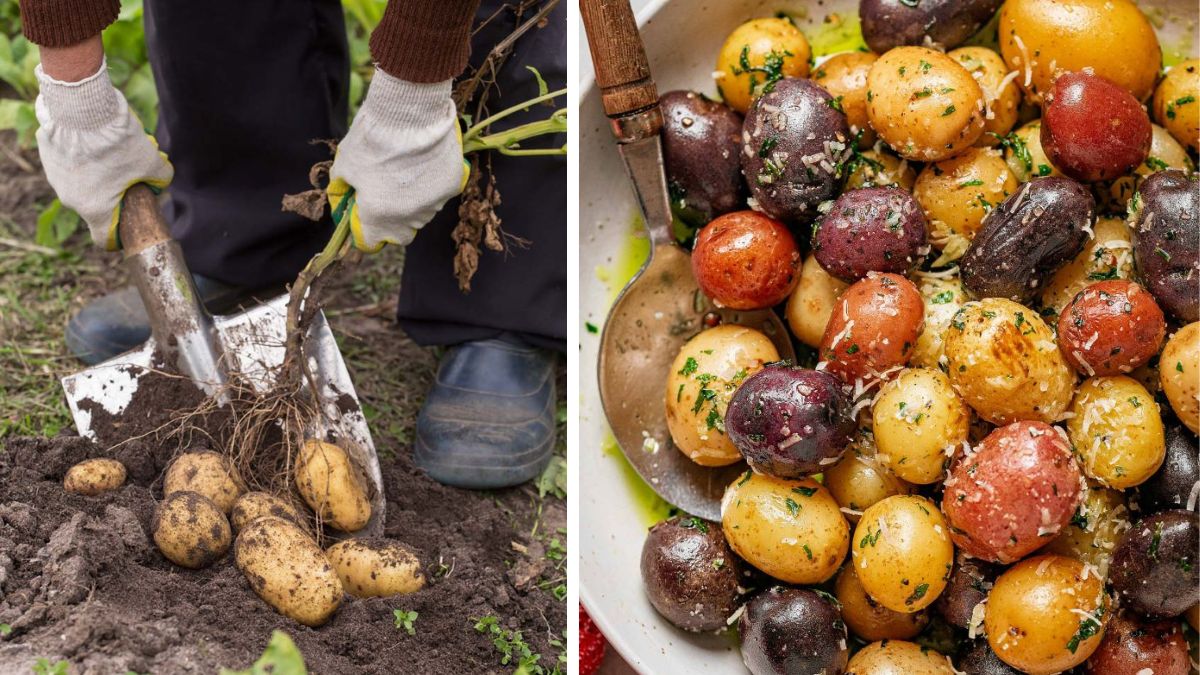
There’s a special kind of satisfaction that comes from eating a meal made with ingredients you’ve grown yourself. Among all the crops that bring this joy, potatoes stand out as a true garden treasure. They’re hearty, versatile, and the foundation of countless comfort dishes—from creamy mashed potatoes and baked wedges to golden fries and steamy stews.
Growing potatoes in your backyard doesn’t require vast farmland or fancy tools—just a bit of soil, sunlight, and patience. A single harvest can provide weeks of delicious, wholesome meals that warm both the body and the soul. This article explores how to grow, care for, and harvest backyard potatoes, and how to transform your bounty into homemade vegetarian comfort dishes that celebrate the simple beauty of garden-to-table living.
Why Potatoes Are the Heart of Comfort Food
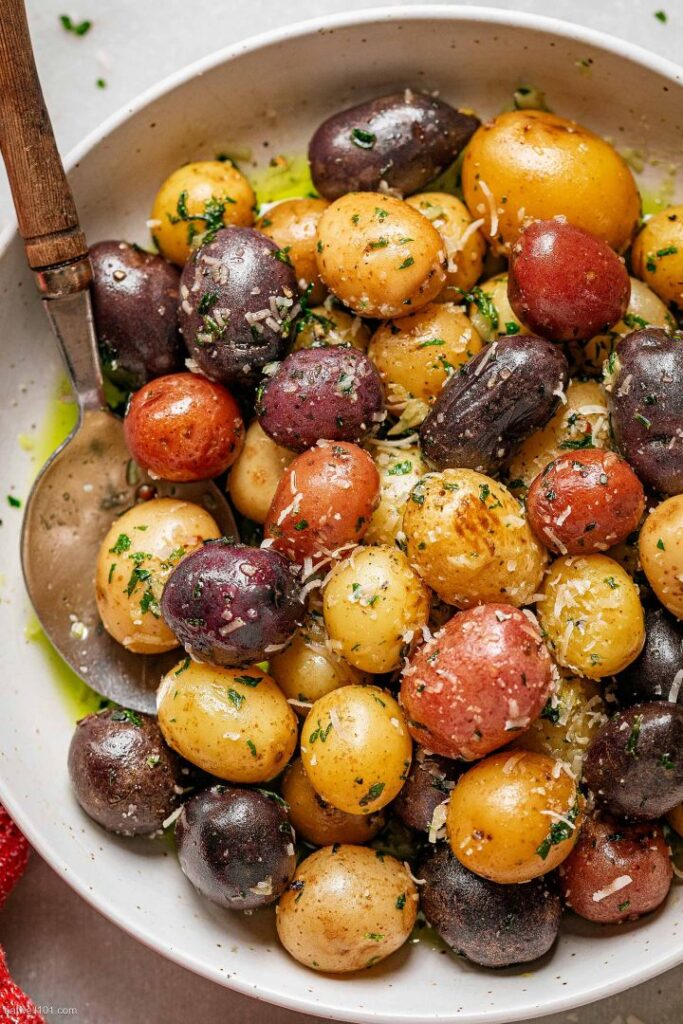
Potatoes are one of the most beloved ingredients in global cuisine. Their soft texture, mild flavor, and ability to absorb seasonings make them the perfect base for cozy, satisfying meals. For vegetarians, they’re an essential source of energy, vitamins, and minerals.
Rich in potassium, vitamin C, fiber, and complex carbohydrates, potatoes offer both nourishment and comfort. When grown at home, they’re fresher, chemical-free, and more flavorful than their store-bought counterparts. Plus, they can be used in endless vegetarian recipes—from creamy soups and crispy snacks to baked casseroles and hearty one-pot meals.
More than just a crop, potatoes symbolize the essence of comfort cooking — simple ingredients transformed into something deeply satisfying.
Preparing for Your Backyard Potato Patch

Before you can enjoy your harvest, you need to lay the groundwork—literally. Potatoes thrive when given the right conditions, and preparing your soil properly will reward you with abundant yields.
1. Choosing the Right Location
Select a sunny area of your backyard that receives at least 6 hours of sunlight per day. Potatoes love warmth but grow best in slightly cool conditions (between 15–25°C). Ensure the spot has well-drained soil, as soggy conditions can cause the tubers to rot.
2. Preparing the Soil
Loosen the soil to a depth of 8–10 inches and mix in plenty of organic matter, such as compost or aged manure. The soil should be light and crumbly so that potatoes can expand freely underground. Aim for a pH level between 5.5 and 6.5.
If your backyard has heavy clay soil, consider using raised beds, barrels, or grow bags for better control over drainage and aeration.
3. Selecting Seed Potatoes
Choose certified seed potatoes rather than store-bought ones, as they’re guaranteed disease-free. Depending on your preferences and growing conditions, you can pick from three main types:
- Early Varieties: ‘Yukon Gold,’ ‘Red Norland’ – ready in 70–90 days.
- Mid-Season Varieties: ‘Kennebec,’ ‘Gold Rush’ – ready in 90–110 days.
- Late Varieties: ‘Russet Burbank,’ ‘German Butterball’ – ready in 110–130 days and ideal for storage.
Planting Potatoes: Step by Step
- Cut and Cure Seed Potatoes:
If your seed potatoes are large, cut them into golf ball-sized chunks, ensuring each piece has at least one or two “eyes.” Leave them in a cool, dry spot for two days to form a protective skin that prevents rotting. - Planting Depth and Spacing:
Dig trenches about 4 inches deep and 2 feet apart. Place seed potatoes about 12 inches apart, with the eyes facing upward. Cover with 3–4 inches of soil. - Hilling Up:
As your potato plants grow to 6–8 inches tall, mound soil around the stems, covering the lower leaves. This technique, known as hilling, encourages more tuber growth and keeps sunlight from turning the potatoes green. Repeat every couple of weeks as the plants grow taller.
Caring for Your Potato Plants
Watering:
Keep the soil evenly moist but never waterlogged. Deep watering once or twice a week encourages the roots to grow strong. Uneven watering can cause tubers to crack or become misshapen.
Fertilizing:
Feed your potato plants every few weeks with compost tea or a balanced organic fertilizer. Avoid high-nitrogen fertilizers, which promote leafy growth but fewer tubers.
Mulching:
A thick layer of straw, dried leaves, or grass clippings around the plants helps retain moisture, suppress weeds, and protect the growing potatoes from direct sunlight.
Pest and Disease Management:
Common pests include aphids and the Colorado potato beetle. Handpick them when visible or use natural repellents like neem oil. For disease prevention, rotate your crops annually and avoid overwatering. Ensure good airflow around plants to reduce fungal issues such as blight.
Harvesting the Backyard Bounty
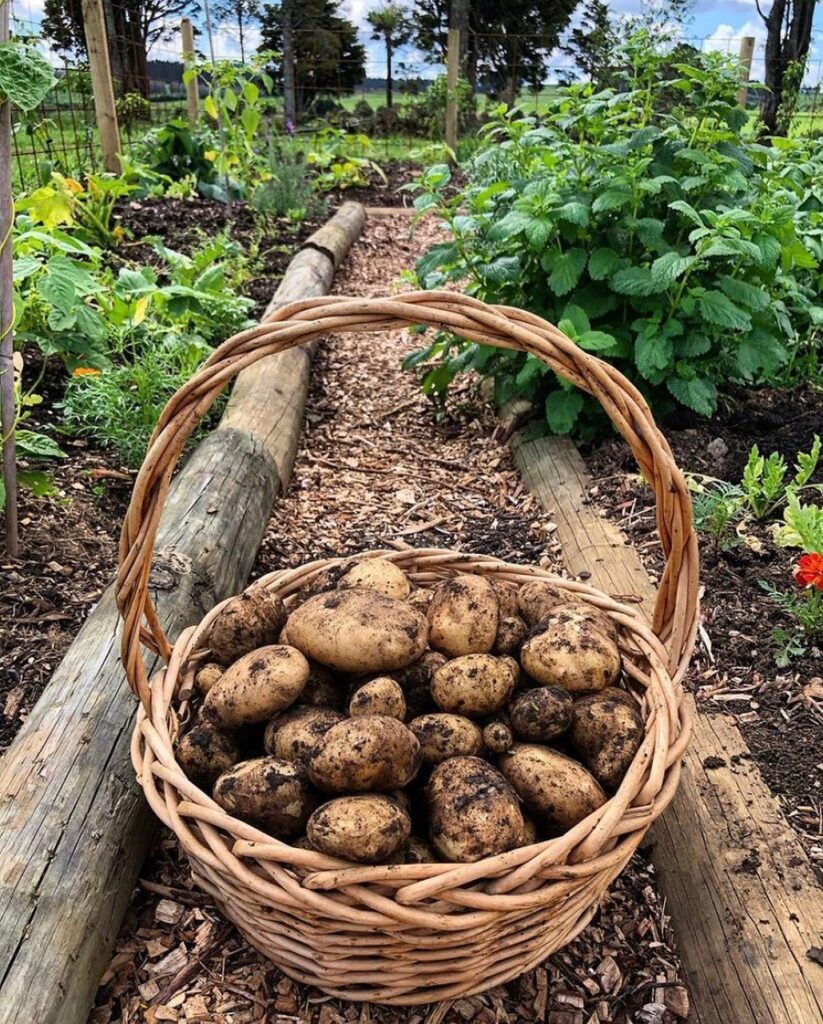
Potato harvesting is one of the most rewarding moments in gardening. When the green vines begin to yellow and die back, it’s a sign that your tubers are ready.
- Early Harvest (New Potatoes):
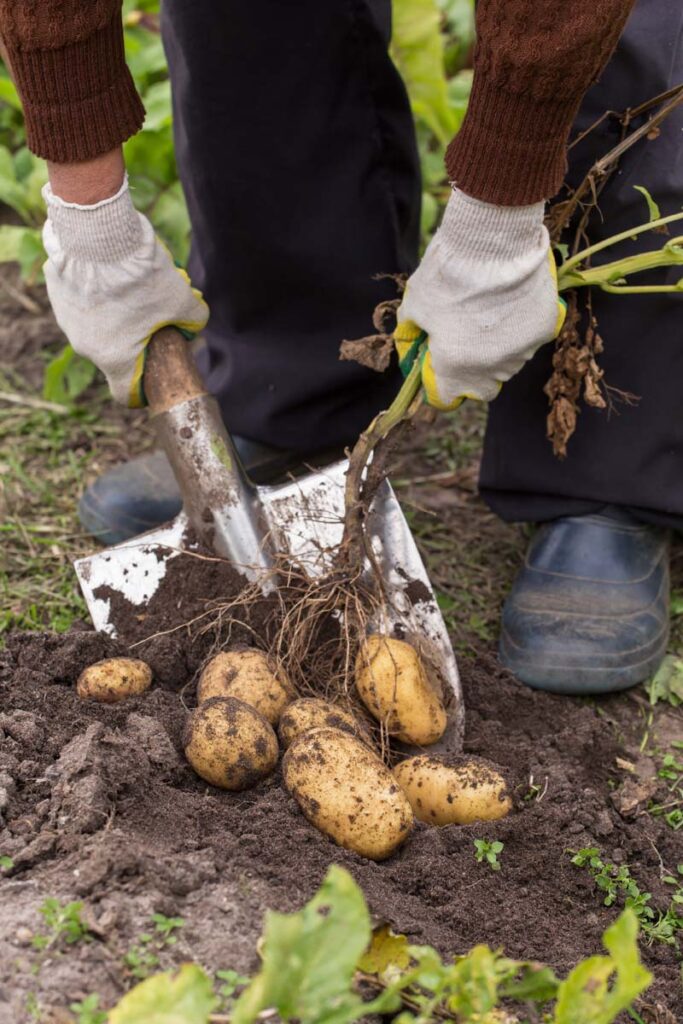
About 8–10 weeks after planting, you can carefully dig around the base to collect small, tender “new potatoes.” These are ideal for boiling or roasting. - Full Harvest:
For mature potatoes, wait until the foliage completely dies back. Gently dig under the plant with a garden fork or trowel, being careful not to pierce the tubers. - Curing and Storage:
Spread the harvested potatoes in a cool, dark, and airy place for about 10 days to allow the skins to toughen. Once cured, store them in a ventilated crate or basket at around 7–10°C. Avoid direct sunlight and never store near onions, which release gases that can cause spoilage.
A well-stored harvest can last for several months, ensuring your kitchen stays stocked with homegrown comfort all year long.
Transforming Your Harvest into Homemade Comfort Dishes
Once you’ve gathered your fresh potatoes, it’s time to enjoy the fruits (or rather, roots) of your labor. Potatoes can be turned into a variety of vegetarian comfort dishes that bring warmth and nourishment to every table.
1. Rustic Mashed Potatoes with Garlic and Herbs
Boil peeled potatoes until soft, then mash with roasted garlic, olive oil, and fresh parsley. Perfect alongside grilled vegetables or lentil patties.
2. Baked Potato Wedges
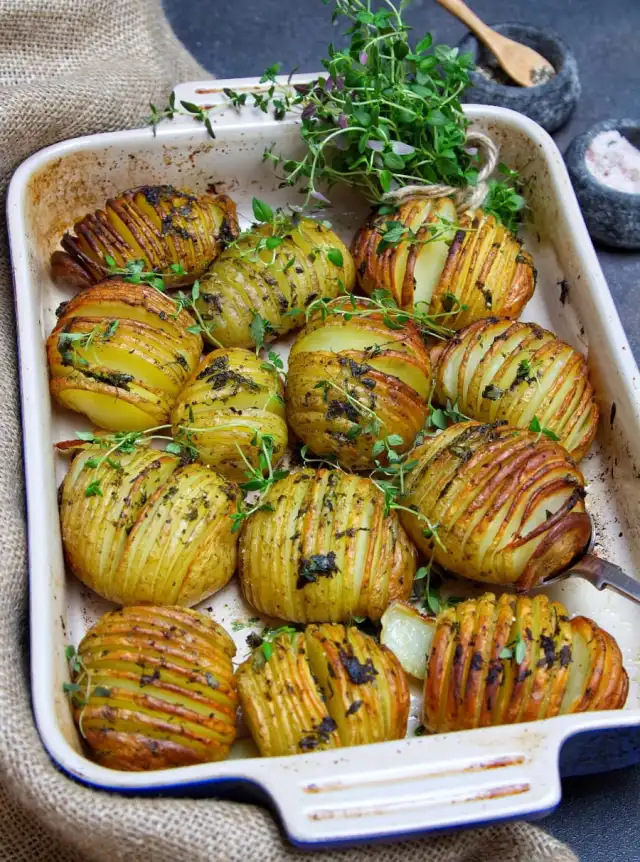
Slice potatoes into thick wedges, toss with olive oil, paprika, and thyme, and bake until crispy. A healthy, homemade alternative to fries.
3. Creamy Potato and Spinach Soup
Simmer chopped potatoes with leeks, onions, and spinach in vegetable broth, then blend for a velvety texture. Ideal for chilly evenings.
4. Vegetarian Shepherd’s Pie
Layer sautéed lentils, peas, and carrots under a smooth blanket of mashed potatoes. Bake until golden brown for a comforting, hearty meal.
5. Stuffed Potato Skins
Bake potato halves, scoop out the centers, and refill with a mix of vegetables, cheese, and herbs before crisping them in the oven. A perfect party snack or dinner side.
These dishes not only highlight the versatility of potatoes but also bring out the farm-fresh flavors that come only from homegrown produce.
Health and Environmental Benefits
Growing your own potatoes has profound benefits beyond the dinner table:
- Nutritional Freshness: Homegrown potatoes retain more nutrients since they’re harvested right before cooking.
- Chemical-Free Produce: You control what goes into your soil, avoiding pesticides and synthetic fertilizers.
- Eco-Friendly Living: By growing food locally, you reduce packaging waste and carbon emissions from transport.
- Food Security: A small backyard patch can yield enough potatoes to supplement your meals for months.
Moreover, gardening is therapeutic — it reduces stress, encourages mindfulness, and fosters a sense of connection to nature.
Tips for Year-Round Potato Growing
- Succession Planting: Plant new batches every few weeks during the growing season for continuous harvests.
- Container Growing: Use large pots or grow bags to cultivate potatoes on patios or balconies if space is limited.
- Crop Rotation: Avoid planting potatoes in the same spot year after year to prevent soil-borne diseases.
With smart planning, you can enjoy a steady supply of homegrown potatoes nearly year-round.
Conclusion: The Joy of Homegrown Comfort
Your backyard potato harvest is more than just food — it’s a celebration of sustainability, creativity, and self-reliance. With each seed you plant and every dish you create, you embrace the farm-to-table philosophy right at home.
Potatoes grown in your own soil taste richer, feel more rewarding, and elevate every comfort dish you prepare. Whether mashed, baked, or simmered into a stew, they bring the warmth of homegrown goodness to every bite.
So, roll up your sleeves, dig into the soil, and let your backyard become a source of homemade comfort and wholesome vegetarian joy. With patience and care, your next comforting meal might just begin beneath your feet — in your very own potato patch.