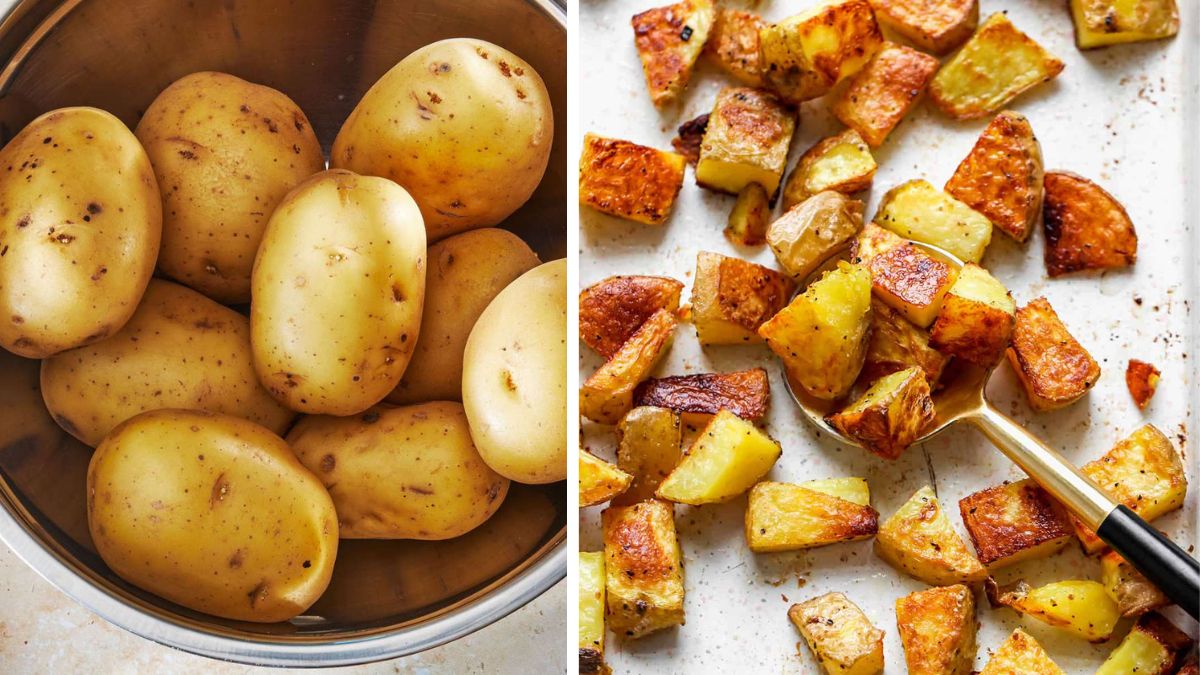
Few vegetables hold the universal appeal and versatility of the potato. From creamy mashed sides to crispy roasts and comforting soups, the potato has earned its place as the heart of vegetarian cooking. Yet, there’s something even more special about enjoying potatoes you’ve grown yourself. When you harvest them straight from your garden, the experience is both nourishing and fulfilling — connecting you to your food in the most natural way possible.
Homegrown potatoes are fresher, tastier, and more nutritious than store-bought ones. They’re easy to grow, rewarding to harvest, and endlessly useful in the kitchen. This article will guide you through the entire journey — from planting seed potatoes to preparing delicious vegetarian dishes that celebrate the simplicity and soul of garden-fresh cooking.
Why Potatoes Belong in Every Home Garden
Potatoes are more than just a comfort food; they are a foundation crop for a self-sufficient kitchen garden. They adapt to various climates, produce high yields, and can grow in garden beds, containers, or even bags. For vegetarian diets, they’re a valuable staple — providing complex carbohydrates, fiber, vitamin C, potassium, and iron.
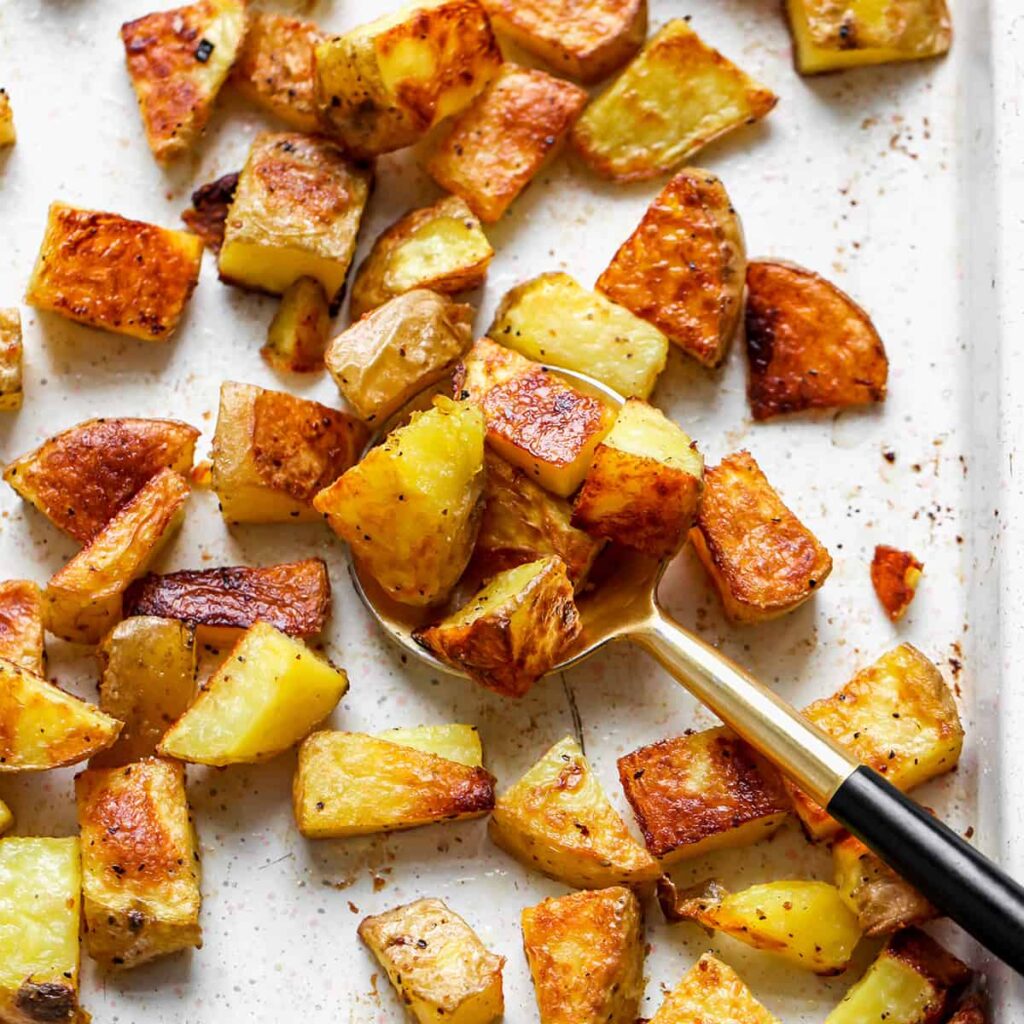
In vegetarian cooking, potatoes act as both a base and a binder. They can be mashed, baked, or roasted to complement almost any vegetable or legume. Their neutral flavor makes them a blank canvas for herbs, spices, and sauces — allowing home gardeners to transform them into hundreds of dishes.
By growing potatoes yourself, you not only save money but also gain confidence in the purity and sustainability of your food.
Preparing the Ground: Building the Perfect Potato Bed
To grow great potatoes, start with healthy, well-prepared soil. These root vegetables thrive in loose, well-drained soil that allows tubers to expand freely underground.
1. Choose the Right Location:
Select a sunny spot in your backyard that receives at least 6 hours of direct sunlight each day. Potatoes prefer cooler weather, so in most regions, planting in early spring (or late winter in warmer climates) ensures a strong start.
2. Prepare the Soil:
Work compost or aged manure into the top 8–10 inches of soil. Potatoes prefer slightly acidic soil (pH 5.5–6.5). Avoid fresh manure — it can cause scabbing on the tubers.
3. Choose Your Seed Potatoes:
Always use certified seed potatoes rather than grocery store ones. Certified seeds are disease-free and designed for planting. Depending on your needs and space, you can choose from:
- Early varieties (e.g., Yukon Gold, Red Norland): ready in 70–90 days.
- Mid-season varieties (e.g., Kennebec, Gold Rush): ready in 90–110 days.
- Late varieties (e.g., Russet Burbank, German Butterball): ready in 110–130 days and great for storage.
Planting Your Potatoes
Step 1: Cutting and Curing
If your seed potatoes are large, cut them into golf ball-sized pieces, ensuring each piece has at least one or two “eyes.” Let the pieces dry for 2–3 days to allow a protective skin to form, which helps prevent rot.
Step 2: Spacing and Depth
Dig trenches about 4 inches deep and 2–3 feet apart. Place the seed pieces about 12 inches apart with the eyes facing up. Cover with 3–4 inches of soil.
Step 3: Hilling Up
As the plants grow 6–8 inches tall, gently mound soil around the stems to cover the lower leaves. This “hilling” process encourages tuber growth and prevents exposure to sunlight, which can turn potatoes green and toxic. Repeat every couple of weeks until your rows resemble small ridges.
Nurturing Your Potato Patch
1. Watering:
Potatoes need consistent moisture — about 1–2 inches of water per week. Uneven watering can cause cracked or misshapen tubers. Always water deeply rather than frequently, and avoid overhead watering to prevent leaf diseases.
2. Fertilizing:
Feed your potato plants every 3–4 weeks with compost tea, organic fertilizer, or well-rotted manure. Avoid nitrogen-heavy fertilizers that promote excessive leafy growth at the expense of tubers.
3. Mulching:
Add a layer of straw, dried leaves, or grass clippings around the base of the plants. Mulching retains moisture, prevents weeds, and keeps the soil cool — ideal for potato development.
4. Pest and Disease Prevention:
- Rotate crops yearly to avoid diseases like blight.
- Inspect regularly for pests such as aphids or potato beetles. Handpick them or use natural sprays like neem oil.
- Maintain good spacing between plants for proper air circulation.
Harvesting and Storing Your Potatoes
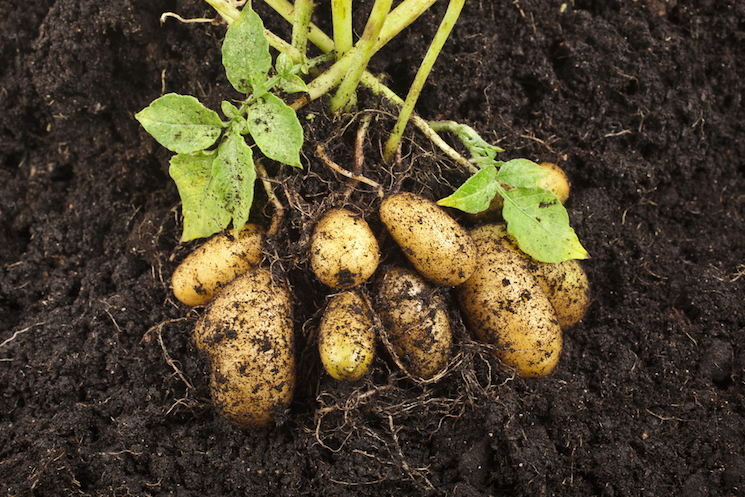
The excitement of harvesting your own potatoes never fades. Depending on the variety, you can start harvesting “new potatoes” — small, tender, and sweet — once the plants begin to flower (around 70 days after planting).
For mature potatoes, wait until the foliage turns yellow and dies back. Gently dig around the base with a garden fork, being careful not to pierce the tubers.
Curing:
After harvesting, let your potatoes dry in a shaded, well-ventilated area for about 10 days. This toughens the skin and improves their shelf life.
Storage:
Store cured potatoes in a dark, cool place (7–10°C) with good airflow. Avoid storing near onions, which can cause faster spoilage. Properly stored potatoes can last up to 6 months, giving you a long supply of homegrown comfort food.
From Garden to Kitchen: Cooking with Homegrown Potatoes
Once harvested, your potatoes are ready to shine in countless vegetarian dishes. Their versatility makes them an essential ingredient in plant-based meals across cultures. Here are a few ways to celebrate your harvest:
1. Creamy Potato and Spinach Curry
Simmer diced potatoes with coconut milk, garlic, spinach, and mild curry spices for a wholesome, iron-rich meal.
2. Herbed Roasted Potatoes
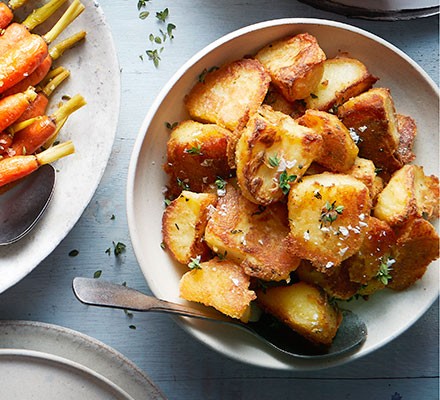
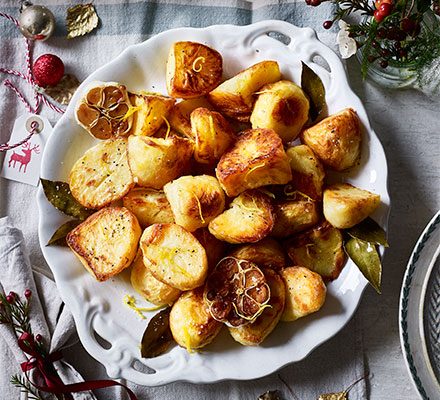
Toss cubed potatoes with olive oil, rosemary, thyme, and a sprinkle of sea salt. Roast until crispy for the perfect side dish.
3. Vegetable Shepherd’s Pie
Layer a filling of lentils, peas, and carrots under a blanket of creamy mashed potatoes for a hearty vegetarian comfort food classic.
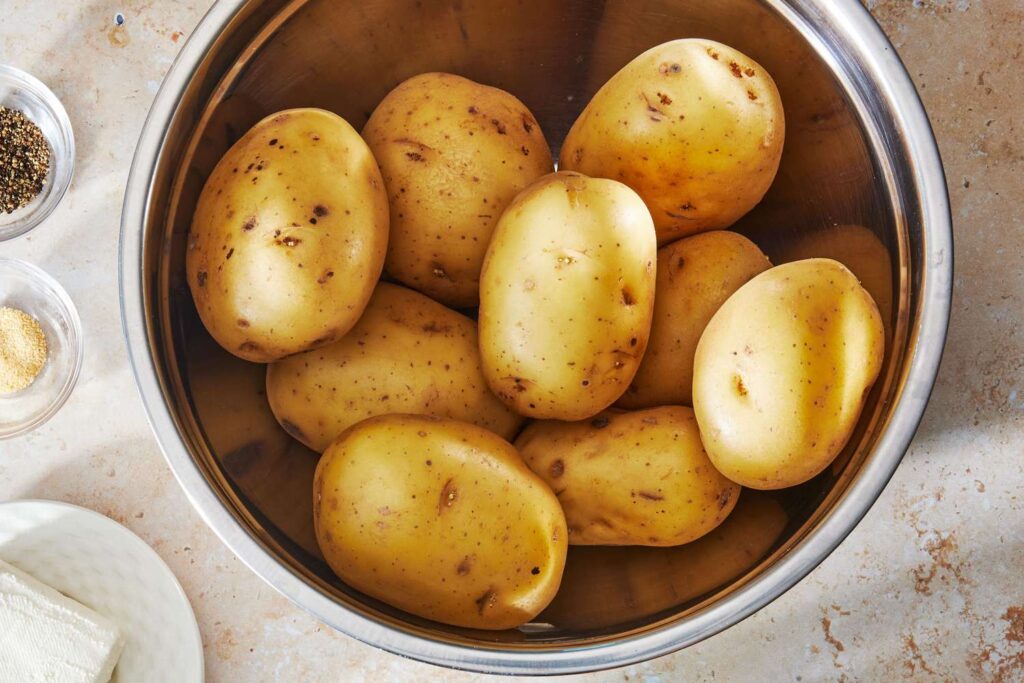
4. Potato and Leek Soup
A silky soup made with sautéed leeks, onions, and fresh herbs — ideal for chilly evenings.
5. Garden Veggie Hash
Combine diced potatoes, bell peppers, zucchini, and onions in a skillet for a colorful, nutrient-packed brunch option.
Each dish showcases how homegrown potatoes enhance both flavor and freshness. Their farm-fresh quality transforms even simple recipes into memorable meals.
The Health and Sustainability Edge
Growing your own potatoes isn’t just about taste — it’s a lifestyle choice with wide-reaching benefits.
- Healthier Food: Freshly harvested potatoes are rich in nutrients that degrade over time in store-bought ones.
- Zero Waste: You harvest only what you need, reducing food waste and packaging.
- Eco-Friendly Gardening: Growing your own food minimizes transport emissions and reliance on industrial farming.
- Sustainability: Composting potato peels and using organic soil enrichers create a closed-loop system in your garden.
Moreover, gardening promotes physical activity, mindfulness, and a deeper connection with nature — benefits that extend beyond the dinner table.
Tips for Continuous Harvest
For year-round potato enjoyment, plan succession planting. Plant small batches every few weeks during the growing season to ensure a steady supply. Rotate growing locations yearly to maintain healthy soil and prevent disease buildup.
If you live in a mild climate, late-season planting in containers allows for winter or early-spring harvests.
Conclusion: Potatoes — The Soul of a Vegetarian Kitchen
Potatoes are more than a crop; they’re a connection between your garden, your kitchen, and your wellbeing. With just a little care and patience, you can turn a corner of your backyard into a potato patch bursting with promise. Each harvest brings satisfaction — the joy of knowing that what’s on your plate was grown with your own hands.
From the soil to the supper table, potatoes embody the essence of farm-fresh living. They transform everyday vegetarian dishes into wholesome, hearty, and soul-satisfying meals. Whether you mash them, roast them, or bake them, your homegrown potatoes will always carry a flavor money can’t buy — the flavor of freshness, effort, and love.
So grab a trowel, plant a few seed potatoes, and let your garden become the heart of your veggie cooking. With every meal you prepare, you’ll taste not just food — but the fruits of your own labor and the magic of homegrown simplicity.