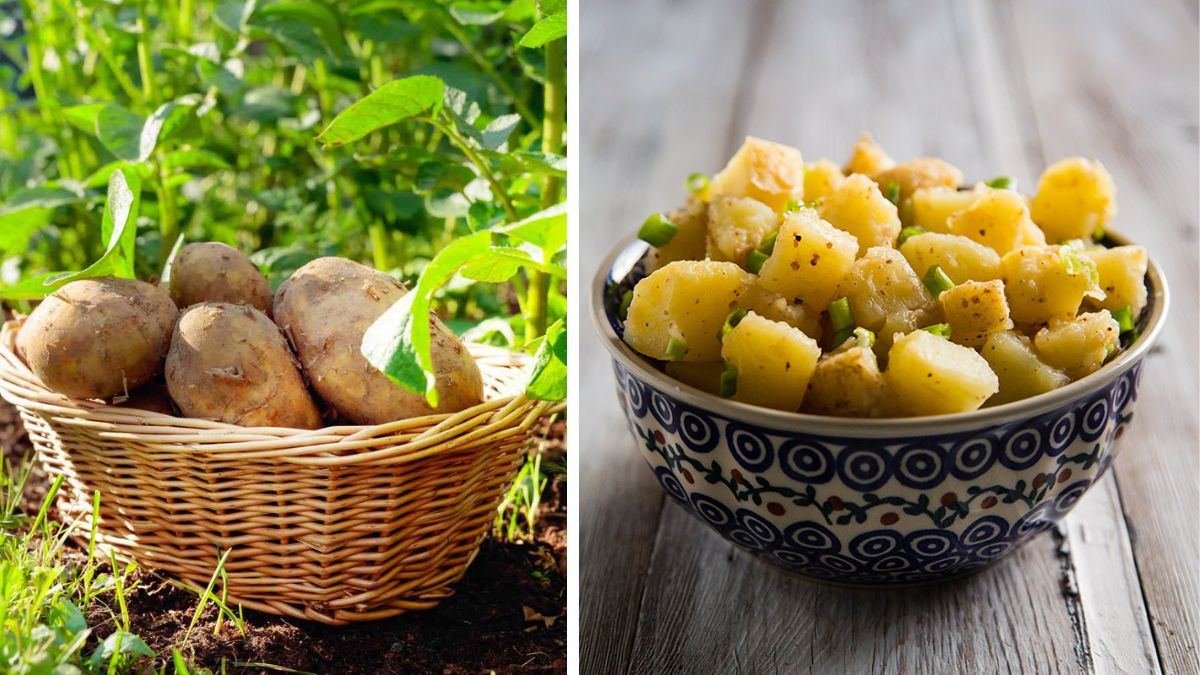
Growing your own food is one of the most fulfilling and sustainable practices you can adopt — and when it comes to home gardening, few crops are as rewarding as the humble potato. Potatoes are not only easy to cultivate but also incredibly versatile in plant-based cooking. From creamy soups to spicy curries and baked delights, they are the heart of countless vegetarian and vegan meals around the world.
This article, The Home Gardener’s Guide to Growing Potatoes for Plant-Based Meals, explores every step of the process — from selecting the right potato varieties and preparing your soil to harvesting your crop and transforming it into nutritious, comforting dishes. Whether you have a backyard, balcony, or small patch of soil, this guide will help you grow your own potatoes and enjoy sustainable, wholesome meals from your garden.
1. Why Potatoes Are Perfect for Home Gardeners
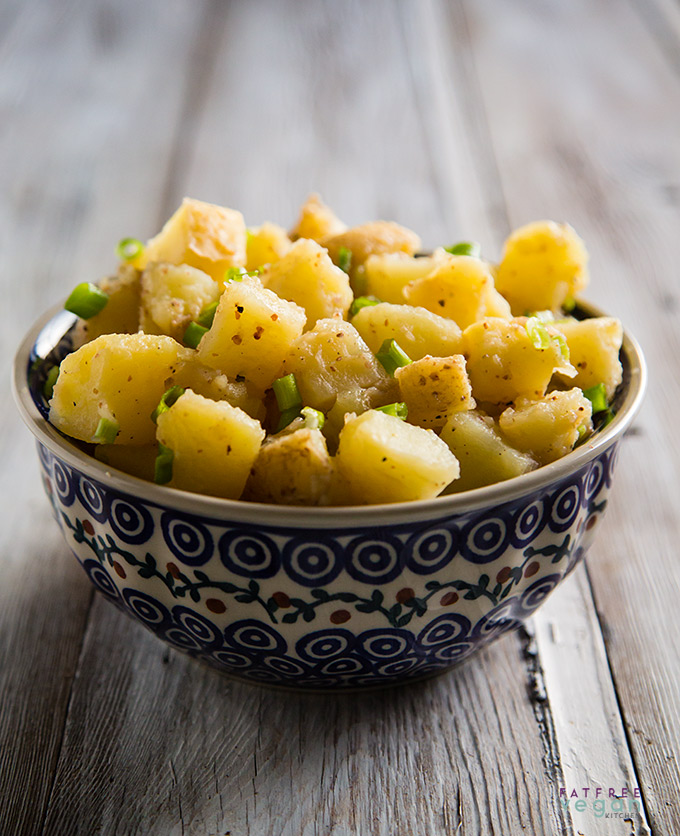
Potatoes are an ideal crop for beginner and experienced gardeners alike. They are hardy, high-yielding, and thrive in a variety of climates. Even a small space can produce a surprisingly generous harvest with minimal effort.
Benefits of growing your own potatoes include:
- Freshness and Flavor: Homegrown potatoes taste richer and more earthy than store-bought ones.
- Nutritional Value: Potatoes are rich in complex carbohydrates, potassium, vitamin C, and dietary fiber—perfect for plant-based nutrition.
- Eco-Friendly Living: Growing your own reduces food miles, packaging waste, and dependency on industrial agriculture.
- Cost-Effective: A few seed potatoes can produce several kilograms of food.
- Therapeutic Gardening: The act of nurturing plants promotes relaxation and mindfulness.
Homegrown potatoes are not just a crop — they represent self-reliance, sustainability, and the joy of slow living.
2. Choosing the Right Potato Varieties for Your Garden
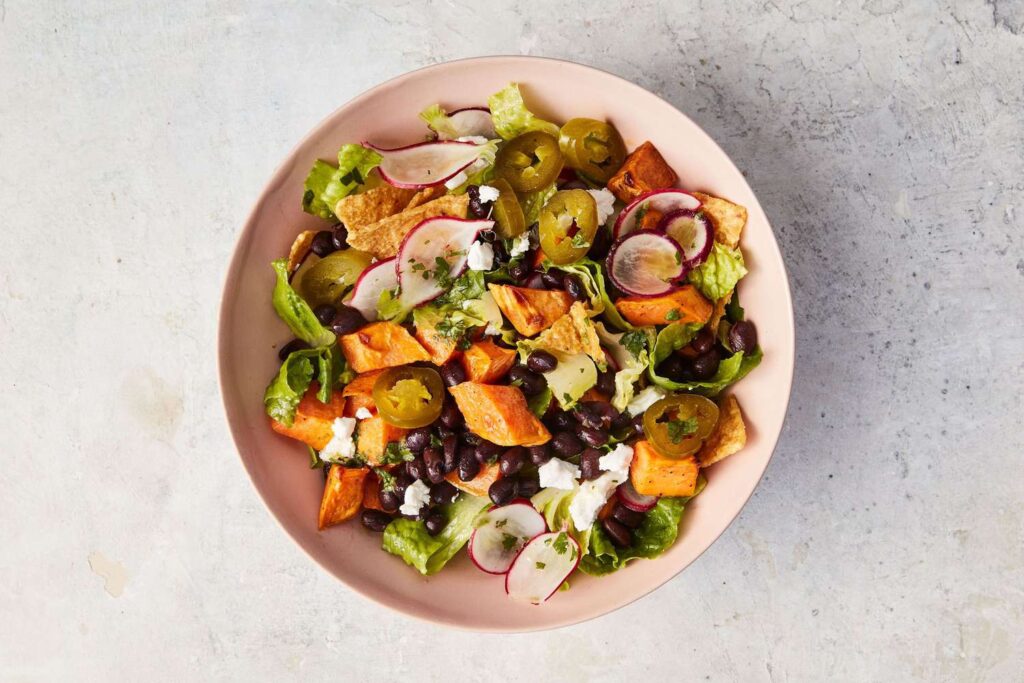
Not all potatoes are the same. Different varieties serve unique culinary purposes, so selecting the right one depends on what you enjoy cooking most.
Common Potato Varieties and Their Best Uses:
- Yukon Gold: Smooth, golden-fleshed potatoes perfect for mashing or roasting.
- Red Pontiac: Firm and waxy — great for curries, stews, or salads.
- Russet Burbank: Fluffy texture when cooked — ideal for baking and fries.
- Kennebec: Excellent all-rounder, suitable for frying, boiling, or casseroles.
- Fingerling Potatoes: Small and gourmet — delicious when roasted with herbs and olive oil.
When buying seed potatoes, always choose certified, disease-free stock from a reputable nursery. Avoid supermarket potatoes, as they are often treated with chemicals to prevent sprouting.
3. Preparing the Soil: Building the Foundation
Healthy potatoes come from healthy soil. Potatoes thrive in loose, well-drained, nutrient-rich soil that allows their tubers to expand freely.
Ideal Growing Conditions:
- Sunlight: Full sun for at least 6–8 hours daily.
- Soil pH: Slightly acidic, between 5.0 and 6.5.
- Soil Texture: Loamy or sandy soil is best for proper aeration and drainage.
- Enrichment: Mix in organic compost or aged manure before planting to boost fertility.
If you don’t have access to open soil, container or grow bag gardening works perfectly. Choose deep containers (at least 12–16 inches tall) and ensure good drainage. Potatoes grow well in layers, so they adapt easily to small-space gardening.
4. Planting Potatoes Step-by-Step
Step 1: Preparing Seed Potatoes
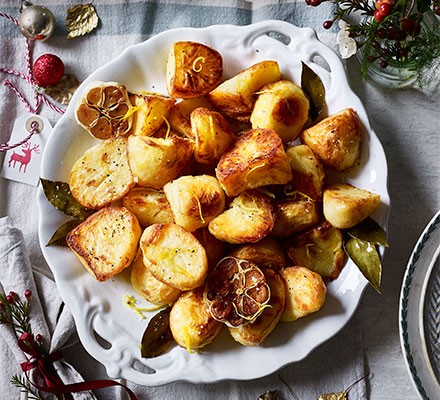
Cut large seed potatoes into smaller pieces, each with one or two “eyes” — small indentations where sprouts form. Let them sit for 1–2 days to dry and form a callus over the cut surface to prevent rot.
Step 2: Planting
Plant each piece about 10–12 cm deep and 30 cm apart. If you’re planting in rows, space them about 60–70 cm apart. In containers, fill the bottom with soil, place the seed potatoes, and cover with another 10 cm layer of soil.
Step 3: Watering and Care
Keep the soil consistently moist, but not soggy. Potatoes prefer evenly watered soil — irregular watering can lead to deformities or cracking. Water deeply once or twice a week depending on the weather.
Step 4: Hilling Up
As the plants grow 15–20 cm tall, pile up loose soil or compost around the stems. This process, called “hilling,” encourages more tuber production and protects developing potatoes from sunlight, which can make them turn green and toxic. Repeat every 2–3 weeks.
Step 5: Pest and Disease Management
Potatoes can attract pests like aphids, potato beetles, and wireworms.
- Use organic deterrents such as neem oil spray.
- Rotate crops every season to prevent soil-borne diseases.
- Avoid planting potatoes near tomatoes, peppers, or eggplants, which share similar pests.
By maintaining organic practices, you can grow healthy, chemical-free potatoes perfect for plant-based meals.
5. Harvesting: The Joy of Digging for Gold
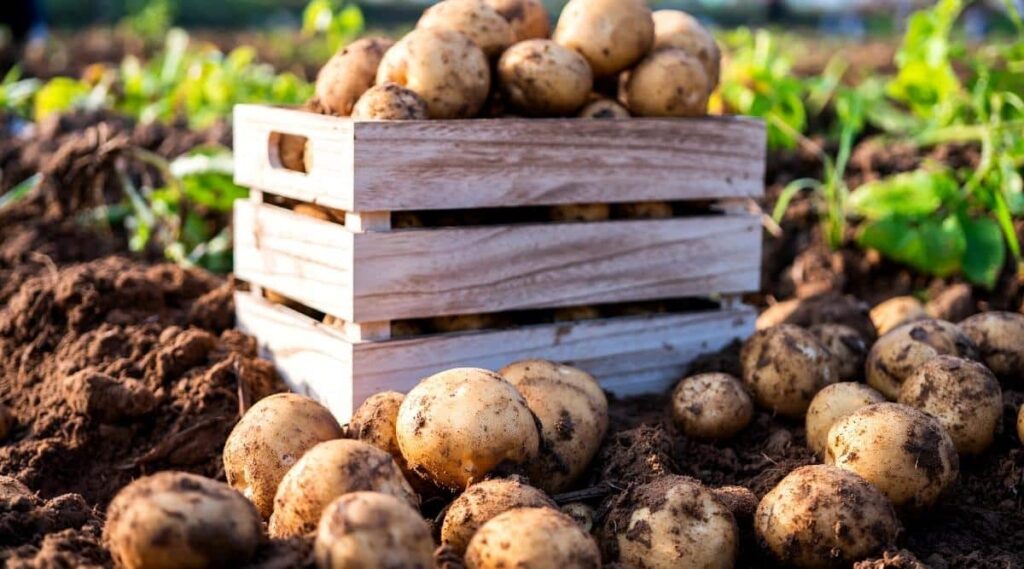
Harvest time is when all your care pays off. Depending on the variety and growing conditions, potatoes are ready in 10–16 weeks.
Two Harvest Stages:
- New Potatoes: Harvest early (8–10 weeks after planting) when the plants start to flower. These small, tender potatoes are perfect for quick salads or light sautés.
- Main Crop Potatoes: Harvest later (when foliage yellows and dies back) for full-sized tubers suitable for storage and hearty dishes.
Use your hands or a garden fork to carefully dig around the plant and lift the potatoes. Handle gently to avoid bruising. Let them dry in a shaded, breezy area for a few hours before storing.
Storage Tips:
- Store in a cool, dark, and dry space (10–12°C).
- Keep away from sunlight to prevent greening.
- Avoid refrigeration, which turns starch into sugar and alters the flavor.
Properly stored potatoes can last for several months — ready to become part of your everyday vegetarian meals.
6. Transforming Your Harvest: Plant-Based Potato Dishes
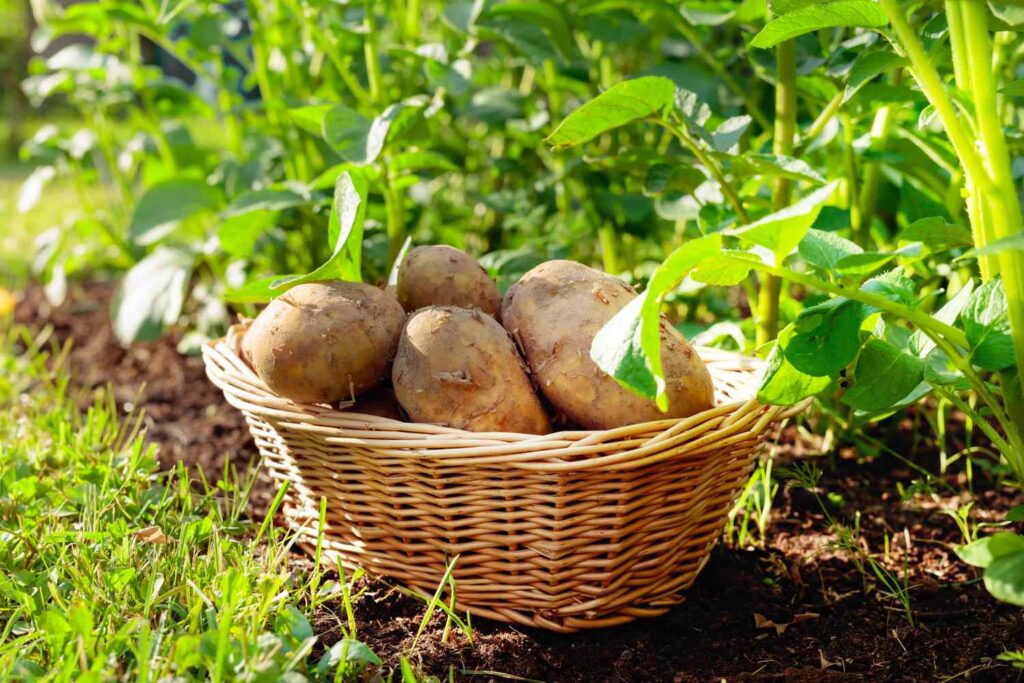
Once your homegrown potatoes are ready, it’s time to move from soil to supper. Potatoes are a staple in plant-based diets because they pair beautifully with vegetables, legumes, and herbs to create nourishing and satisfying meals.
a. Comfort Classics
- Herbed Mashed Potatoes: Combine boiled potatoes with olive oil, roasted garlic, and parsley for a dairy-free twist on a classic side.
- Vegetarian Shepherd’s Pie: Layer lentils, peas, and carrots under creamy mashed potatoes and bake until golden.
- Potato-Leek Soup: Blend boiled potatoes with sautéed leeks, vegetable broth, and plant milk for a silky comfort bowl.
b. Global Inspirations
- Indian Aloo Gobi: Potatoes and cauliflower simmered with turmeric, cumin, and tomatoes — a vegan favorite.
- Italian Potato Gnocchi: Light and pillowy dumplings tossed in pesto or tomato sauce.
- Spanish Patatas Bravas: Crispy roasted potatoes topped with spicy tomato sauce and vegan aioli.
c. Healthy Everyday Meals
- Roasted Potato Medley: Toss baby potatoes in olive oil, rosemary, and salt for a simple yet delicious side.
- Potato Salad with Yogurt and Mint: A refreshing dish using boiled potatoes, vegan yogurt, cucumber, and herbs.
- Stuffed Baked Potatoes: Scoop out baked potatoes, mix the flesh with veggies and plant-based cheese, then bake again for a wholesome entrée.
From soups to salads and curries to casseroles, your backyard-grown potatoes can anchor countless plant-based creations.
7. Sustainable Gardening and Zero-Waste Benefits
Growing your own potatoes fits seamlessly into a zero-waste, plant-based lifestyle. Every stage of the process promotes eco-conscious living.
- Composting: Potato peels, stems, and spoiled tubers can enrich your compost for next season.
- Seed Saving: Reserve small, healthy tubers to use as seed potatoes for the next planting cycle.
- Water Conservation: Mulch your potato beds to retain moisture and reduce the need for frequent watering.
- Local Food Movement: By growing your own, you eliminate the need for plastic packaging and long-distance transport.
These sustainable practices not only reduce your environmental impact but also create a self-sustaining food cycle at home.
8. Common Challenges and Solutions
Even the most careful gardeners face a few hurdles. Here’s how to address common potato-growing issues:
| Issue | Cause | Solution |
|---|---|---|
| Green Potatoes | Sun exposure | Hill up soil or add mulch |
| Small Harvest | Overcrowding or poor nutrition | Ensure spacing and add organic compost |
| Yellow Leaves | Nutrient deficiency | Apply compost tea or balanced organic fertilizer |
| Rotting Tubers | Overwatering or poor drainage | Water moderately and improve soil aeration |
By keeping your garden soil healthy and monitoring moisture, you can enjoy a steady, bountiful yield.
9. The Reward of Homegrown Goodness
There’s a unique joy in digging your own potatoes — it’s a connection to the earth, the seasons, and the food you eat. Home gardening transforms meals from mere sustenance into a story — one of patience, care, and gratitude. Each potato you harvest represents a victory of effort and nature working together.
And when you sit down to enjoy your homegrown potatoes in a warm, plant-based meal, you’re not just eating—you’re experiencing the full circle of sustainability, nourishment, and self-reliance.
Conclusion
The Home Gardener’s Guide to Growing Potatoes for Plant-Based Meals is more than a gardening manual — it’s an invitation to reconnect with your food and the soil beneath your feet. By cultivating your own potatoes, you embrace a lifestyle rooted in sustainability, wellness, and creativity.
From planting tiny seed potatoes to serving up hearty, home-cooked vegan dishes, every step reinforces the beauty of mindful living. Whether you grow them in a backyard, a raised bed, or a few pots on your balcony, your potatoes will become the heart of wholesome, comforting, and eco-friendly meals that truly embody the spirit of plant-based living. 🥔🌿