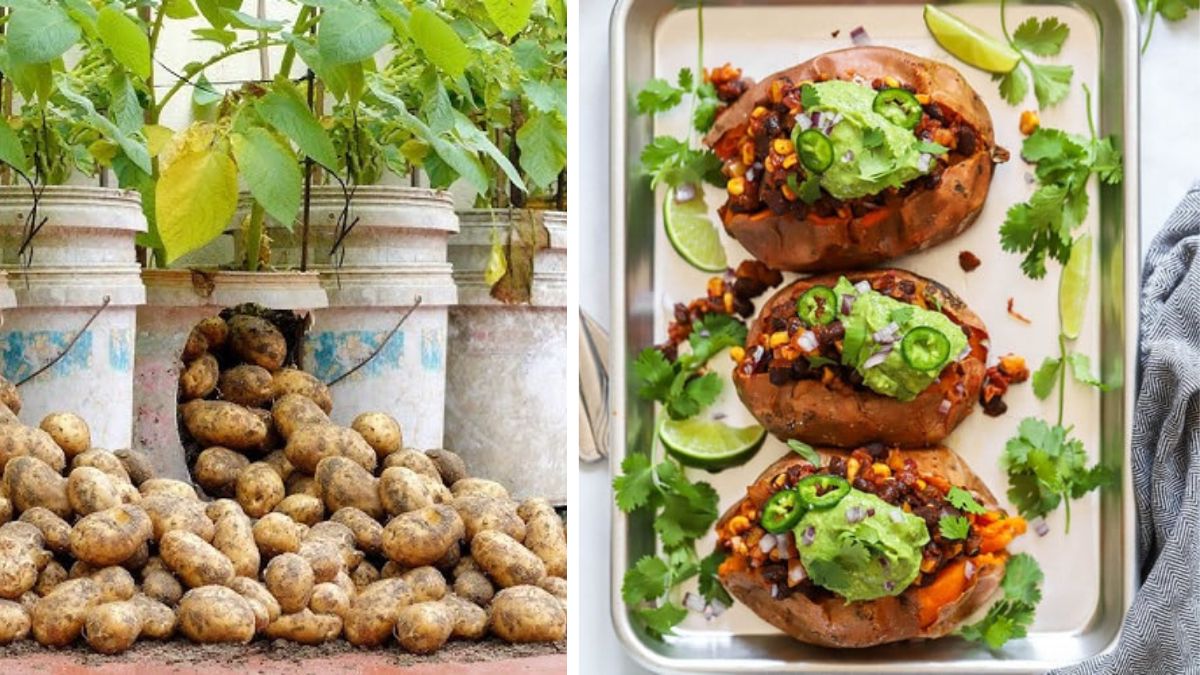
There’s something incredibly satisfying about digging up your own fresh potatoes from the soil—golden, earthy, and ready to transform into comforting vegetarian dishes. Growing potatoes at home isn’t just about saving money; it’s about connecting with your food, reducing waste, and ensuring that every meal comes from clean, sustainable, and nutritious sources. Whether you have a sprawling backyard or a few containers on a balcony, cultivating your own potatoes can elevate your vegetarian cooking to a whole new level.
In this article, we’ll explore everything you need to know—from planting your first seed potatoes to creating wholesome meals straight from your harvest.
1. Why Grow Potatoes at Home?
Potatoes are among the easiest and most rewarding crops for home gardeners. They don’t demand constant attention, yet they yield generously when given proper conditions. More importantly, homegrown potatoes are healthier than many store-bought ones, which are often treated with sprout inhibitors and chemical preservatives.
Here’s why growing your own potatoes is worth it:
- Nutritional richness: Potatoes are loaded with fiber, vitamin C, potassium, and complex carbohydrates, making them a powerhouse in vegetarian meals.
- Versatility in cooking: From mashed potatoes and curries to soups, patties, and baked delights, potatoes fit beautifully in countless vegetarian recipes.
- Eco-friendly: Growing at home reduces packaging waste, transportation emissions, and food miles.
- Cost-effective: A few seed potatoes can yield several kilograms of produce, providing months of wholesome meals.
2. Choosing the Right Potato Varieties
Not all potatoes are the same. Each variety has unique qualities—some are perfect for frying, while others are ideal for mashing or roasting. Here are a few popular options for home gardeners:
- Yukon Gold: A favorite for creamy mashed potatoes and roasting.
- Red Pontiac: Great for boiling and salads due to their firm texture.
- Russet Burbank: High starch content—perfect for fries and baked potatoes.
- Kennebec: A reliable all-rounder with excellent yield and disease resistance.
- Fingerling Potatoes: Small, flavorful, and ideal for gourmet vegetarian dishes.
When buying seed potatoes, always choose certified disease-free stock from a reputable nursery. Avoid planting supermarket potatoes, as they may carry pathogens or be chemically treated.
3. Preparing the Soil and Space
Potatoes thrive in loose, well-draining soil rich in organic matter. Compact soil can lead to deformed tubers and poor yield. If you’re gardening in the ground, select a sunny area that receives at least 6–8 hours of light daily.
Ideal soil conditions:
- pH level: Between 5.0 and 6.5 (slightly acidic)
- Texture: Loamy or sandy
- Additives: Compost, well-rotted manure, or organic fertilizer before planting
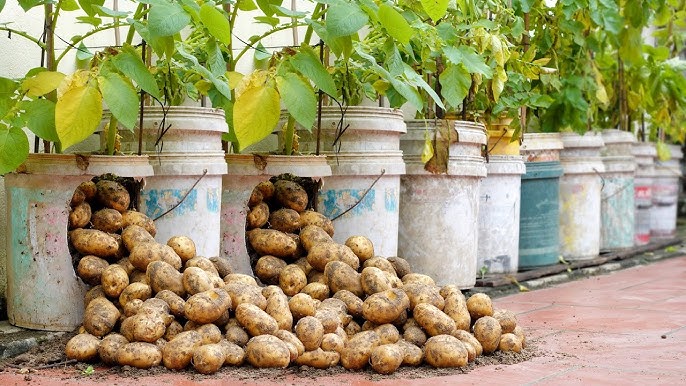
If space is limited, grow potatoes in containers or grow bags. A 10-gallon bag can yield 3–4 kilograms of potatoes with proper care. Fill the container halfway with soil, add your seed potatoes, and cover them lightly. As the plants grow, keep adding soil to “hill up” the plants—this encourages more tuber growth.
4. Planting and Growing Steps
Step 1: Prepare seed potatoes
Cut large seed potatoes into chunks, each with at least one “eye” (the sprouting point). Allow them to air-dry for 1–2 days to prevent rotting after planting.
Step 2: Planting
Plant each piece about 10–12 cm deep and 30 cm apart. Rows should be spaced 60–70 cm apart for easy access. For containers, bury 3–4 pieces per bag.
Step 3: Watering and sunlight
Water regularly but avoid waterlogging. Potatoes prefer consistent moisture—especially when flowering, as that’s when tubers develop most actively.
Step 4: Hilling up
As plants reach 15–20 cm tall, mound soil or compost around the base of the stems. Repeat every 2–3 weeks. This protects tubers from sunlight (which turns them green and toxic) and increases yield.
Step 5: Pest and disease control
Common pests include potato beetles, aphids, and wireworms. You can deter them using neem oil sprays, handpicking beetles, and rotating crops each season. Avoid planting potatoes where tomatoes or peppers grew previously—they share diseases like blight.
5. Harvesting Your Homegrown Potatoes
Potatoes can be harvested at different stages depending on how you want to use them.
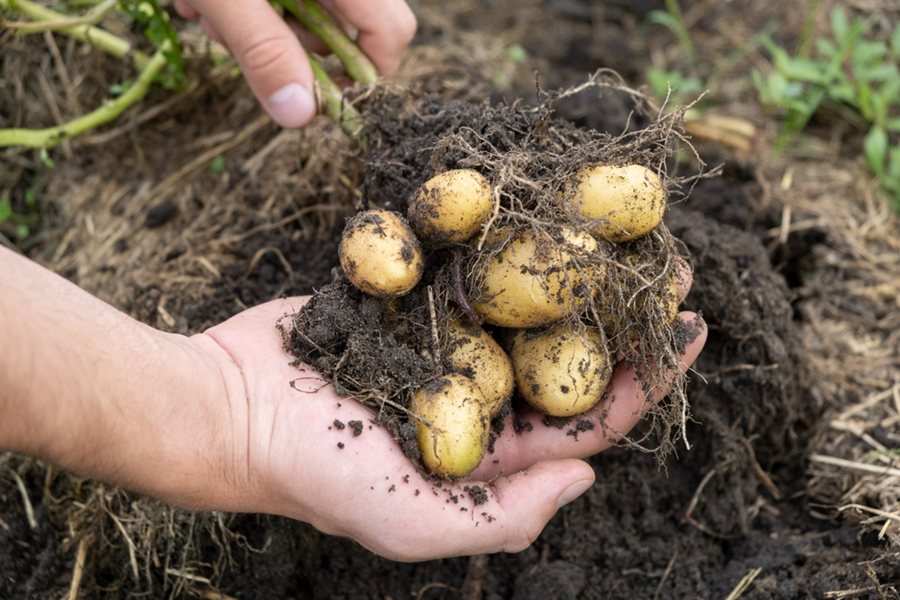
- New potatoes: Harvest 8–10 weeks after planting when plants begin to flower. These are small, tender, and perfect for salads or light stews.
- Main crop potatoes: Wait until the foliage turns yellow and begins to die back—usually 14–16 weeks after planting.
To harvest, gently loosen the soil with a garden fork or hands to avoid damaging the tubers. Allow them to dry in a cool, shaded area for a few hours before storing.
Storage tip: Keep potatoes in a dark, well-ventilated place at around 10–12°C. Avoid refrigeration—it converts starch to sugar, altering flavor and texture.
6. Incorporating Homegrown Potatoes into Wholesome Vegetarian Meals
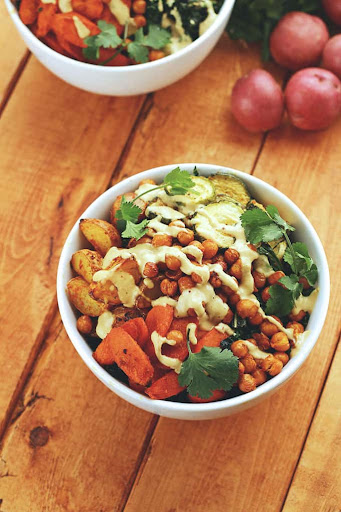
Now comes the most rewarding part—turning your harvest into delicious vegetarian creations. Potatoes are endlessly versatile and can anchor countless nourishing dishes.
a. Classic Comforts
- Mashed Potatoes with Garlic and Herbs: Whip boiled potatoes with olive oil, roasted garlic, and fresh parsley for a dairy-free twist.
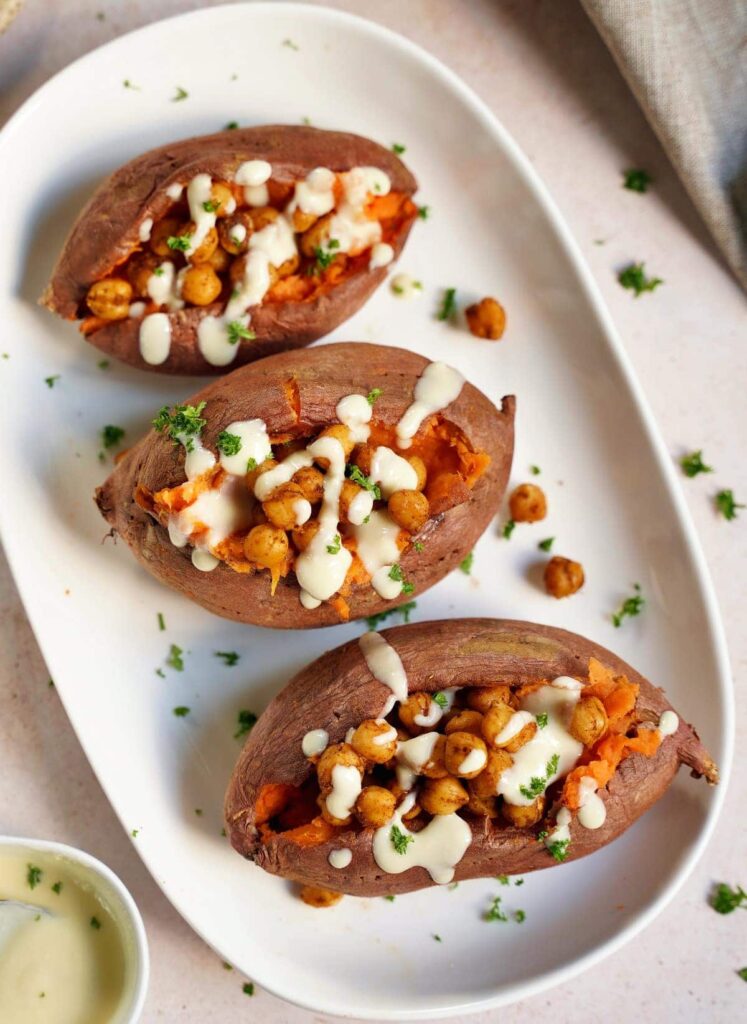
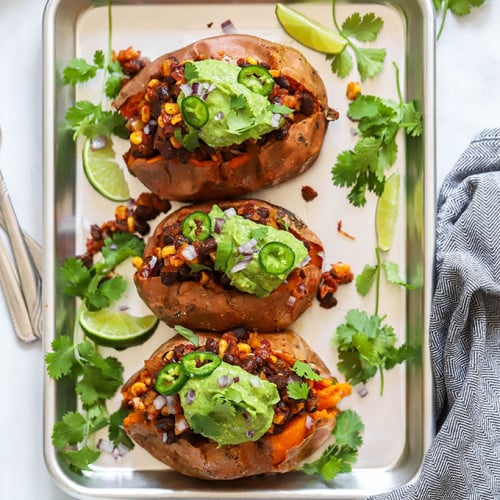
- Baked Potato Bowls: Fill baked potatoes with sautéed spinach, corn, and chickpeas for a balanced meal.
- Vegetable Shepherd’s Pie: Layer mashed potatoes over lentils and vegetables for a hearty family dinner.
b. Global Vegetarian Flavors
- Indian Aloo Curry: A fragrant dish of potatoes simmered in tomato, ginger, and spice. Pair it with rice or chapati.
- Spanish Tortilla: A thick potato omelet (made with chickpea flour for a vegan version).
- Thai Potato Stir-Fry: Lightly sauté cubed potatoes with tofu, bell peppers, and soy-lime sauce.
c. Healthy Snacks and Sides
- Potato Patties (Aloo Tikki): Combine mashed potatoes, peas, and spices; pan-fry until golden.
- Oven-Baked Fries: Toss potato wedges in olive oil and herbs instead of deep frying.
- Potato Salad with Yogurt Dressing: Mix boiled potatoes with cucumber, mint, and homemade yogurt for a cooling summer dish.
Homegrown potatoes don’t just enhance flavor—they remind you of the sustainable effort behind each meal.
7. Sustainability and Zero-Waste Benefits
Growing your own potatoes fits beautifully into a zero-waste, vegetarian lifestyle. Every part of the process encourages mindfulness and reduces environmental impact.
- Composting: Potato peels and old foliage enrich your compost for future crops.
- Water efficiency: Container gardening uses less water than large-scale farming.
- Reduced food miles: No long-distance transportation or plastic packaging.
- Seed saving: Small, healthy tubers from your harvest can be stored and replanted next season.
By cultivating potatoes at home, you take a simple yet powerful step toward sustainable living—one meal at a time.
8. Troubleshooting Common Potato Problems
Even the best gardeners face challenges. Here’s how to address some common potato-growing issues:
| Problem | Possible Cause | Solution |
|---|---|---|
| Yellow leaves early on | Nutrient deficiency | Add compost or organic fertilizer |
| Green potatoes | Exposure to sunlight | Hill up soil around plants |
| Small tubers | Crowded planting or low sunlight | Increase spacing and ensure 6+ hours of sunlight |
| Rotting potatoes | Overwatering | Improve drainage and water only when needed |
Regular observation and preventive care can ensure a healthy, abundant crop.
9. A Homegrown Legacy
The simple act of growing potatoes can transform your approach to vegetarian living. It reconnects you with the rhythm of nature—planting, nurturing, harvesting, and enjoying the fruits of your labor. Each meal you prepare with your homegrown potatoes carries a story of sustainability, patience, and self-reliance.
So, whether you’re cooking a cozy potato soup, a spicy curry, or crispy baked wedges, remember that it all began with a humble seed in your own garden.
Conclusion
Growing potatoes at home for wholesome vegetarian meals is more than a hobby—it’s a commitment to healthier eating and sustainable living. With minimal effort and a touch of care, you can enjoy a steady supply of nutritious, versatile, and delicious potatoes all year round. From seed to skillet, the journey is deeply rewarding—bringing flavor, freshness, and fulfillment straight to your table.
When you grow your own food, you’re not just feeding yourself—you’re cultivating a lifestyle rooted in respect for the earth, nourishment, and mindful living.