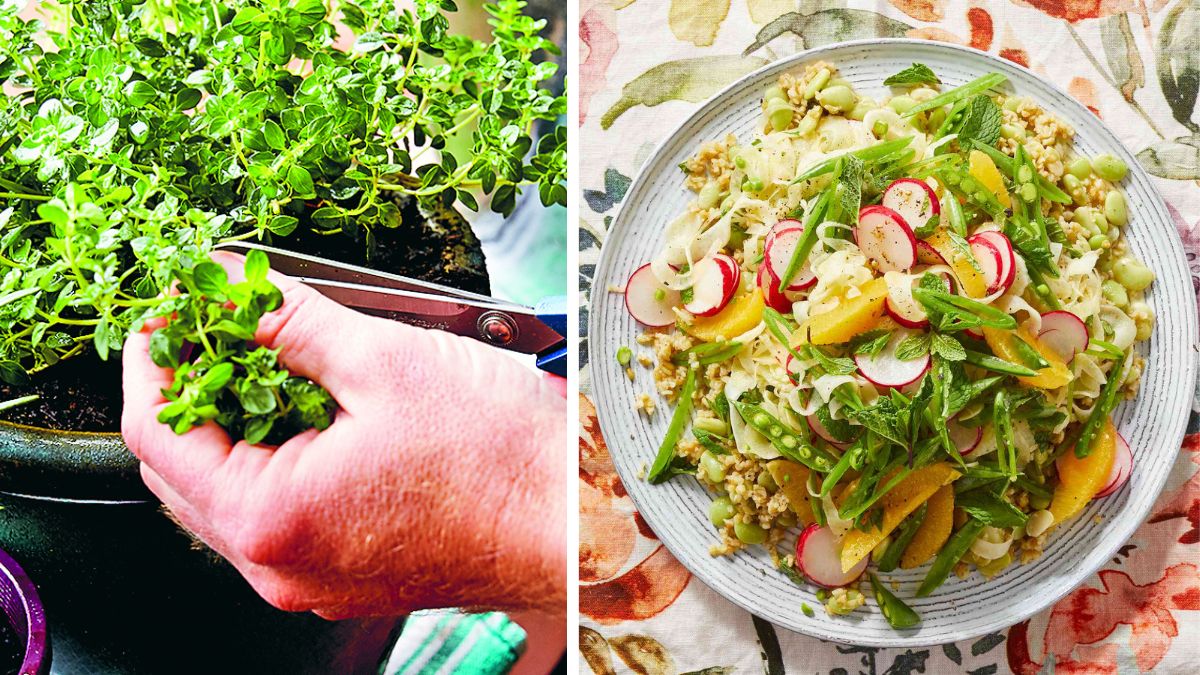
There’s a special kind of magic that happens when your meal begins in the soil and ends on your plate. You plant a seed, nurture it with care, watch it grow, and finally transform it into a wholesome, flavorful dish. That’s the essence of “Plant It, Pick It, Plate It: Vegetarian Cooking from the Garden.”
In an age when convenience often trumps connection, growing your own vegetables and cooking from your garden reconnects you to the true rhythm of food. It’s about slowing down, savoring freshness, and understanding that every bite has a story—from seed to harvest to plate. Whether you have a sprawling backyard or a few pots on a balcony, your garden can become the foundation for nutritious, sustainable, and delicious vegetarian meals.
This article explores how to build your garden, what to grow for a balanced vegetarian diet, and how to turn your homegrown bounty into inspiring dishes that celebrate both health and flavor.
1. The Power of Growing What You Eat
Planting and cooking your own food isn’t just about taste—it’s a lifestyle that embraces sustainability, wellness, and creativity. When you grow vegetables yourself, you:
- Gain control over quality: You know exactly what goes into your soil, so your produce is free from harmful chemicals.
- Enjoy peak nutrition: Freshly picked vegetables are packed with vitamins and antioxidants that fade with long storage.
- Save money: Seeds and soil cost far less than repeated grocery trips for packaged produce.
- Reduce waste: You harvest what you need, minimizing spoilage and packaging waste.
- Find joy and mindfulness: Gardening and cooking are both therapeutic acts of creation.
In essence, growing your own food turns eating into a complete, fulfilling experience—from planting to plating.
2. Designing a Garden for Vegetarian Cooking
Your garden doesn’t need to be large to supply your kitchen with fresh produce—it just needs thoughtful planning. A well-designed kitchen garden (often called a potager) focuses on growing what you actually cook and eat.
Start Small, Plan Smart
If you’re a beginner, begin with a small area or raised bed. Focus on vegetables you use often—like tomatoes, greens, peppers, and herbs. You can always expand as you gain experience.
Choose the Right Spot
Select a sunny area that gets at least 6–8 hours of sunlight daily. Good soil drainage and easy access to water are also key.
Prepare the Soil
Healthy soil equals healthy plants. Mix compost or organic fertilizer into your soil to boost nutrients and improve texture. Avoid synthetic chemicals—organic matter naturally nourishes your vegetables and protects pollinators.
Grow for Variety
To make your meals colorful and diverse, grow crops from different categories:
- Leafy vegetables – spinach, kale, lettuce.
- Root vegetables – carrots, beets, radishes.
- Fruiting vegetables – tomatoes, peppers, zucchini.
- Legumes – beans and peas for protein.
- Herbs – basil, cilantro, mint, parsley, and thyme.
Succession Planting
As soon as one crop is harvested, plant another in its place. For example, follow lettuce with beans, or radishes with spinach. This keeps your garden productive year-round.
Your garden doesn’t just feed you—it evolves with the seasons, reflecting nature’s rhythm in every dish you cook.
3. Harvesting: The Art of Picking at the Right Time
When you grow your own vegetables, the timing of your harvest makes all the difference in flavor and texture.
Leafy Greens
Harvest lettuce, spinach, or kale while the leaves are tender and bright. Picking them regularly encourages new growth.
Tomatoes and Peppers
Wait until fruits are fully colored—red, yellow, or orange—and slightly soft to the touch. The longer they ripen on the plant, the sweeter they become.
Root Vegetables
Gently loosen the soil and pull carrots, radishes, or beets when they’re firm and vibrant. Baby carrots and small beets have delicate sweetness, perfect for salads and roasting.
Herbs
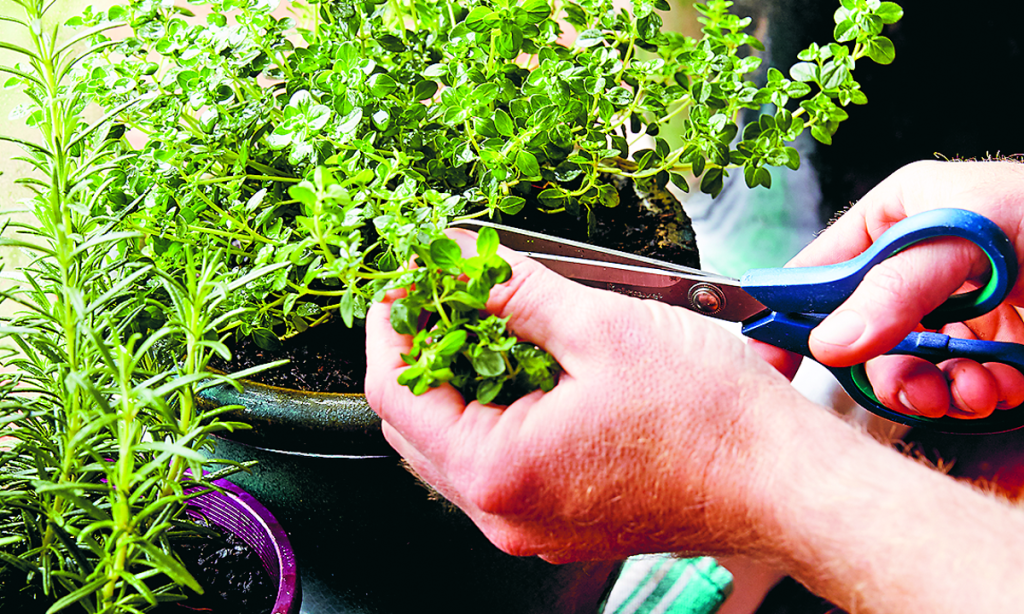
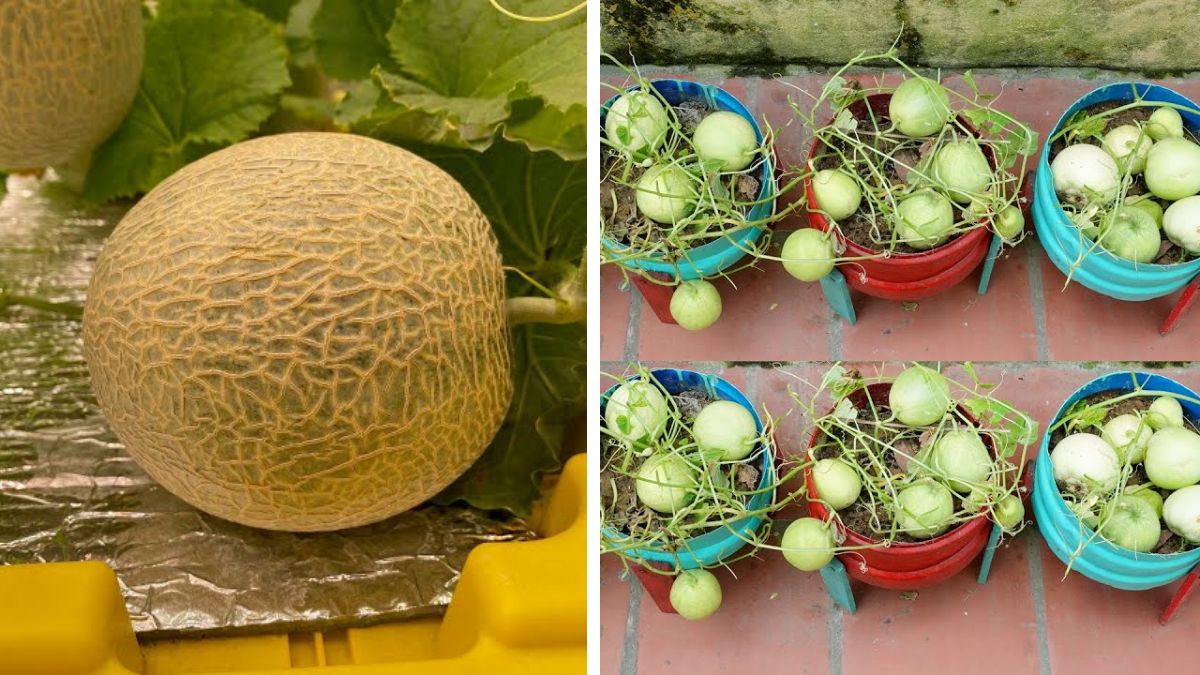
Snip herbs just before flowering for maximum flavor. Regular trimming promotes bushier growth, giving you a continuous supply.
Harvesting at the right time ensures your ingredients are at their flavorful best—ready to shine in your vegetarian creations.
4. From Garden to Kitchen: Turning Fresh Harvests into Flavorful Meals
The beauty of vegetarian cooking is its versatility. When your ingredients come from your own garden, even simple dishes burst with freshness and color.
Garden-to-Table Recipe Ideas
1. Fresh Garden Salad
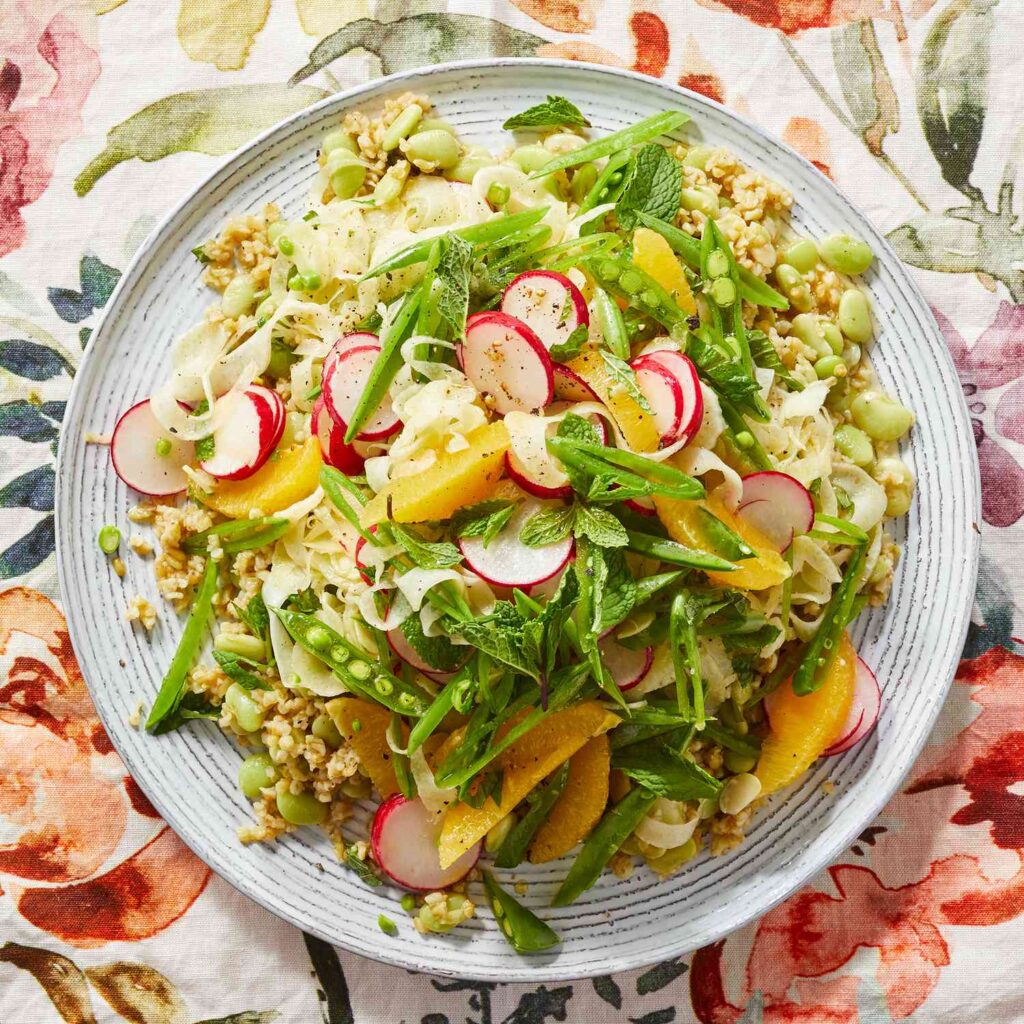
Combine freshly picked lettuce, cherry tomatoes, cucumbers, and shredded carrots. Toss with olive oil, lemon juice, and a sprinkle of chopped basil for a crisp, refreshing start to any meal.
2. Tomato-Basil Pasta
Sauté garlic in olive oil, add diced garden tomatoes, and simmer until soft. Stir in torn basil leaves and toss with pasta. Simple, aromatic, and bursting with flavor.
3. Zucchini Fritters
Grate zucchini, mix with breadcrumbs, herbs, and eggs (or chickpea flour for a vegan version), then pan-fry until golden. Serve with mint-yogurt dip for a crunchy, garden-fresh treat.
4. Veggie Stir-Fry
Use beans, bell peppers, and leafy greens for a colorful stir-fry with ginger, garlic, and soy sauce. Top with sesame seeds for a satisfying meal.
5. Roasted Root Veggie Bowl
Toss carrots, beets, and potatoes with olive oil, thyme, and pepper. Roast until caramelized, then serve over quinoa or rice.
6. Herbal Infused Soup
Simmer tomatoes, kale, onions, and herbs in vegetable broth. Add beans or lentils for protein—a warming, nourishing dish straight from the garden.
Use Everything, Waste Nothing
Zero-waste cooking goes hand in hand with garden cooking:
- Use carrot tops for pesto.
- Dry leftover herbs for seasoning.
- Make broth from vegetable scraps.
This sustainable approach turns every part of your harvest into nourishment.
5. Preserving the Harvest: Enjoying Garden Goodness Year-Round
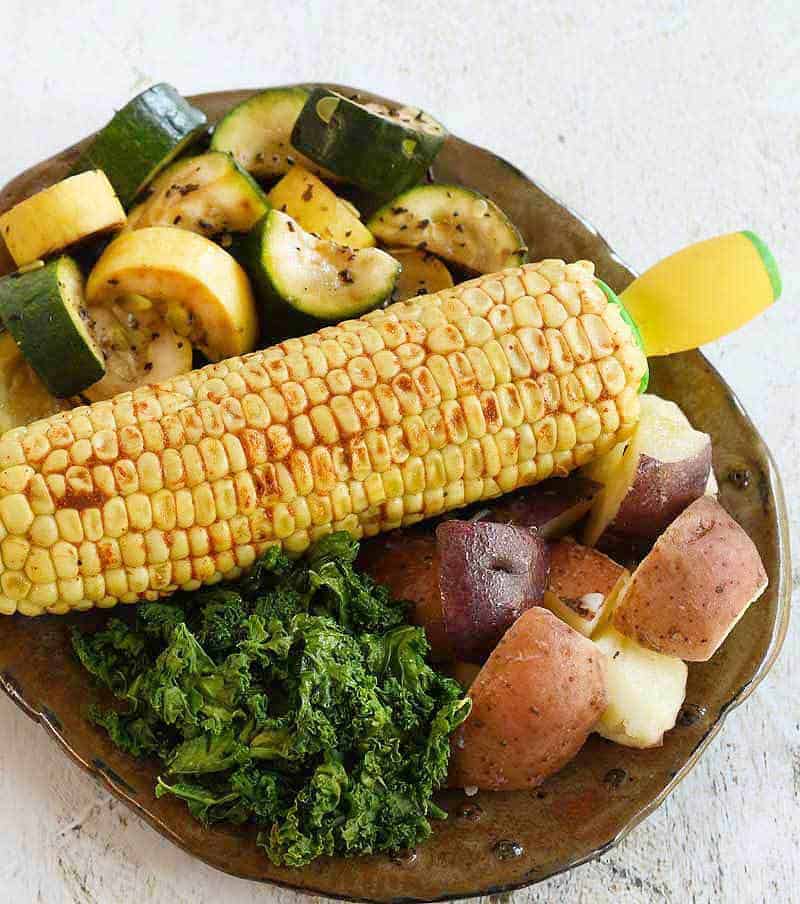
One of the joys of garden cooking is abundance—but when your garden overflows, preservation ensures nothing goes to waste.
Freezing
Freeze chopped greens, beans, and herbs for quick meal prep. Blanching before freezing helps maintain color and nutrients.
Drying
Air-dry or oven-dry herbs like thyme, oregano, and mint. Store in airtight jars to flavor your meals through the winter.
Pickling and Fermenting
Transform cucumbers, carrots, and radishes into tangy pickles or fermented veggies. These not only preserve your produce but also add probiotics to your diet.
Sauces and Jams
Turn extra tomatoes into homemade sauce, or cook down fruit into jam for natural sweetness.
Preserving food means your garden continues to nourish you long after the growing season ends.
6. Gardening for a Balanced Vegetarian Diet
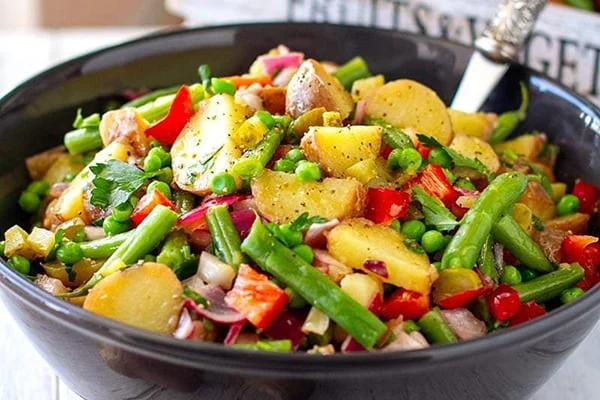
A vegetarian lifestyle thrives on balance—mixing proteins, carbs, fats, and micronutrients from plant sources. By growing a variety of crops, you can easily meet your nutritional needs.
- For Protein: Grow beans, peas, soybeans, or lentils.
- For Iron and Calcium: Spinach, kale, and beet greens are rich sources.
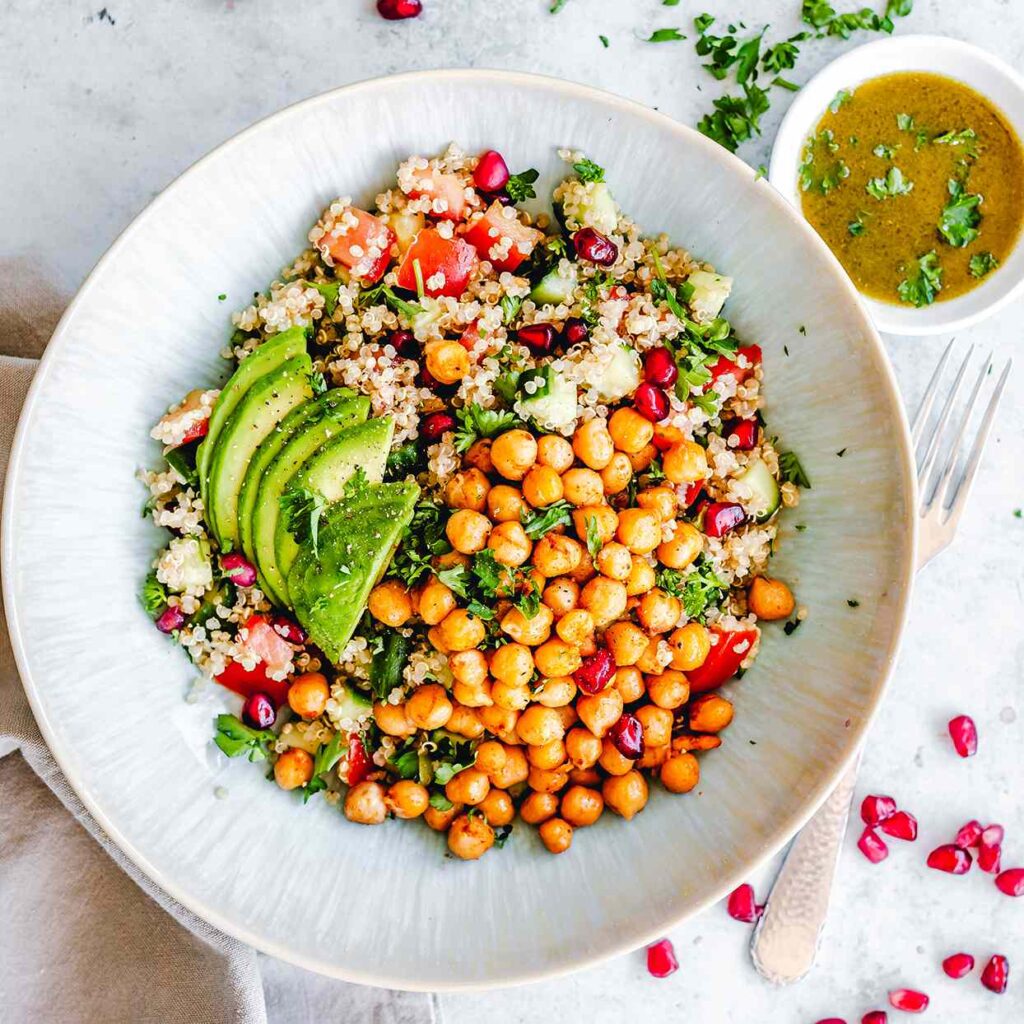
- For Healthy Fats: Add avocados (if your climate allows) and cook with olive or sesame oil.
- For Vitamins: Tomatoes, peppers, and carrots provide a spectrum of vitamins A and C.
By designing your garden with nutrition in mind, you cultivate not just ingredients—but a foundation for a healthy, fulfilling vegetarian lifestyle.
7. The Joy and Mindfulness of Garden Cooking
Cooking from your garden transforms food from a daily necessity into a mindful ritual. Each step—from harvesting herbs to washing vegetables—becomes an act of gratitude.
Gardening teaches patience and respect for the natural world. It reminds us that good food takes time and care, and that nourishment extends beyond calories—it includes creativity, connection, and joy.
Imagine starting your day with a handful of fresh greens for a smoothie or ending it with a bowl of soup made entirely from your backyard’s bounty. That sense of accomplishment and harmony with nature is something no store-bought produce can match.
8. Tips for Success: Blending Gardening and Cooking Seamlessly
To make the most of your “plant-pick-plate” lifestyle, follow these practical tips:
- Grow What You Love to Eat. Choose vegetables and herbs that appear most often in your favorite recipes.
- Harvest Little and Often. Picking frequently keeps plants productive and reduces spoilage.
- Keep Tools Handy. Store scissors, baskets, and gloves near your kitchen door for quick harvests.
- Cook Seasonally. Let the garden guide your menu—tomatoes in summer, greens in winter.
- Experiment. Try new crops or recipes every season to keep meals exciting.
By aligning your kitchen habits with your garden cycles, you create a sustainable, ever-evolving relationship with food.
9. Final Thoughts: A Lifestyle Rooted in Growth and Gratitude
“Plant It, Pick It, Plate It” is more than a catchy phrase—it’s a philosophy of living in harmony with nature. Growing your own food and cooking vegetarian meals from it builds a deeper respect for every ingredient, every season, and every meal.
From the first seed you plant to the dish you serve, each step is an act of care and creativity. It’s a reminder that food is not just fuel—it’s a connection to the earth, to health, and to joy.
So grab your trowel, plant a few seeds, and let your garden inspire your next meal. Whether it’s a handful of herbs or a basket full of vegetables, every harvest brings you closer to a life that’s sustainable, delicious, and beautifully homegrown.