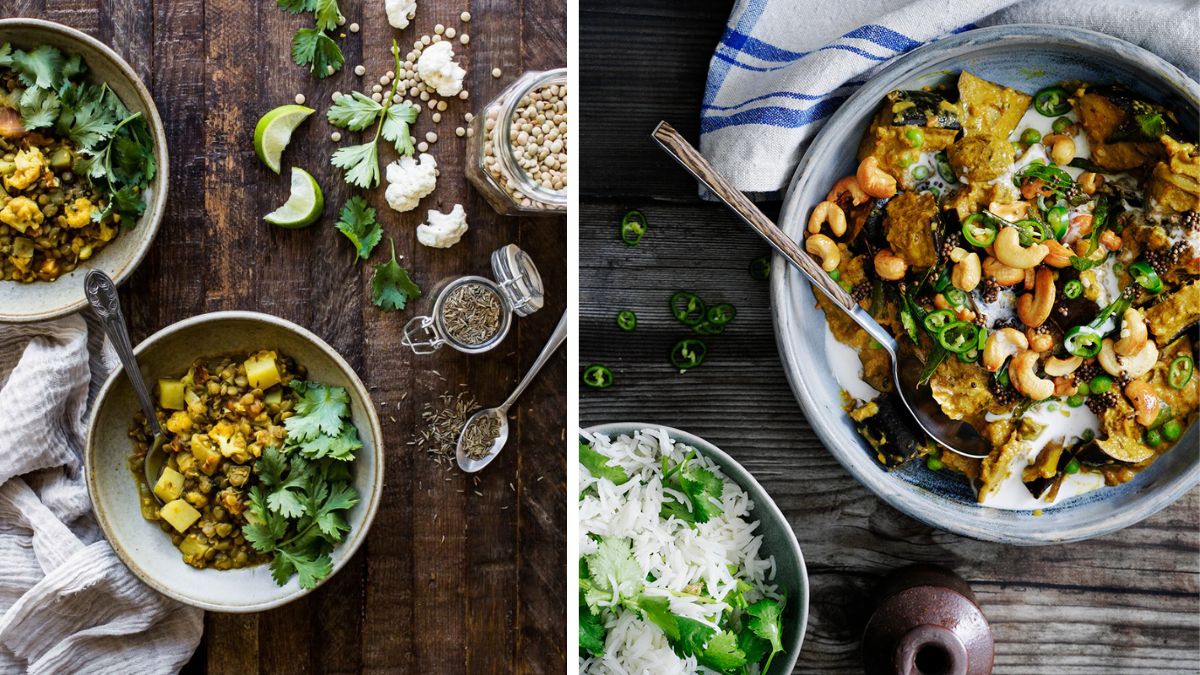
In a world where food waste contributes significantly to environmental damage, zero-waste cooking offers a powerful, practical solution. Pair that with homegrown ingredients, and you have the perfect recipe for sustainable living. Zero-waste cooking isn’t just a trend—it’s a mindful lifestyle that values every leaf, peel, and root. It celebrates creativity in the kitchen while protecting the planet from unnecessary waste.
Whether you’re growing herbs on a balcony or maintaining a full backyard vegetable garden, your homegrown harvest can become the foundation for a truly waste-free kitchen. This article explores how to grow, cook, and reuse food in creative ways—reducing waste, saving money, and savoring fresh, flavorful meals every day.
1. The Zero-Waste Philosophy: A Fresh Way to Think About Food
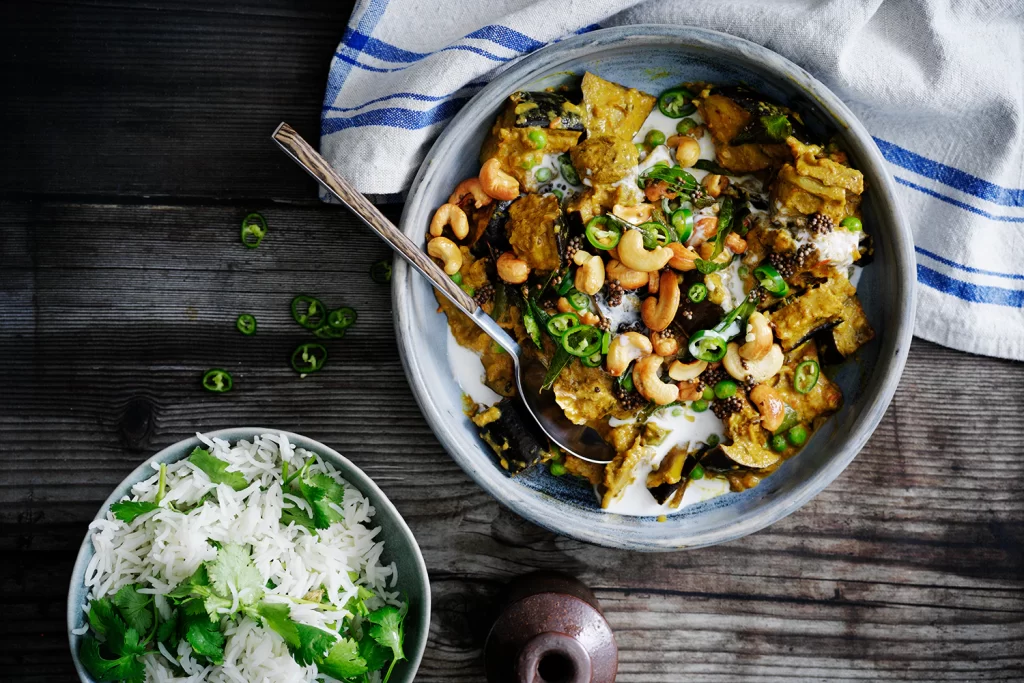
Zero-waste cooking is about using everything—from root to stem and leaf to peel. It encourages us to rethink how we handle ingredients, focusing on efficiency, creativity, and respect for what we eat.
According to the UN Food and Agriculture Organization (FAO), nearly one-third of all food produced globally goes to waste each year. Much of this waste happens in households—from spoiled produce to discarded scraps. By growing your own food and practicing zero-waste cooking, you reduce this impact at its source.
It’s not just about being eco-friendly—it’s about developing a deeper connection with food. When you’ve nurtured a tomato plant or harvested your own spinach, every bite feels more valuable. You naturally become more careful with how you use and preserve your ingredients.
2. Growing Ingredients for a Zero-Waste Kitchen
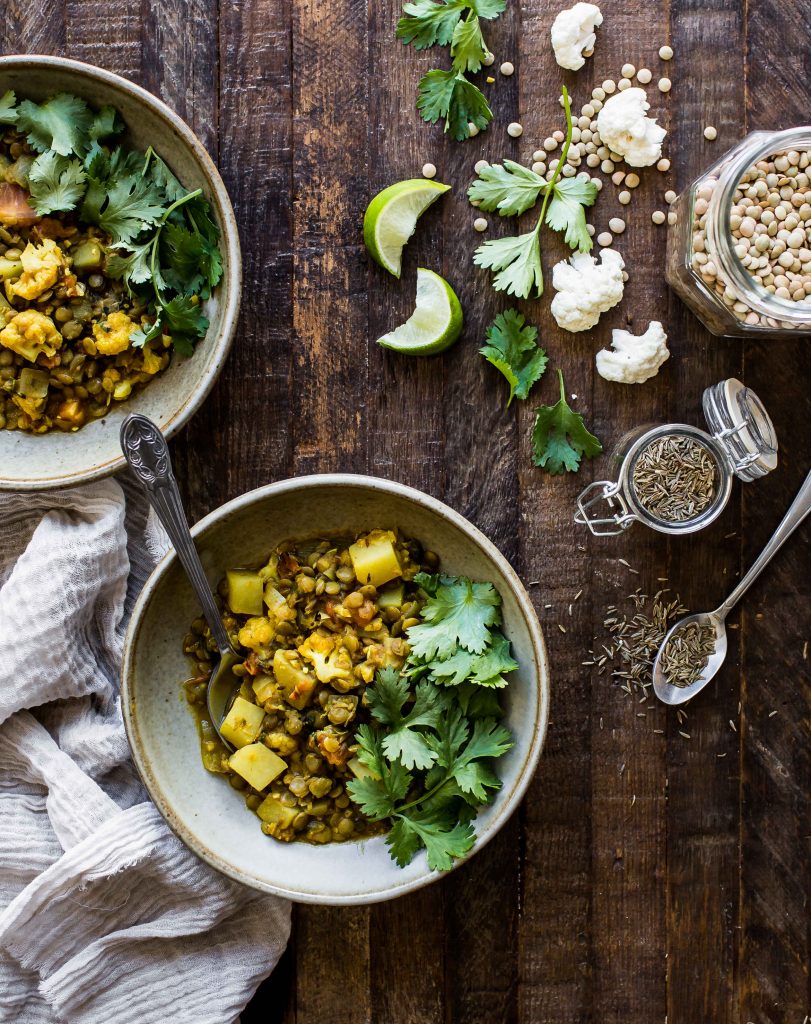
Before you start cooking, let’s begin with the foundation—your garden. A homegrown harvest means fresher ingredients, no packaging waste, and zero transportation emissions. It also allows you to grow exactly what you love to eat.
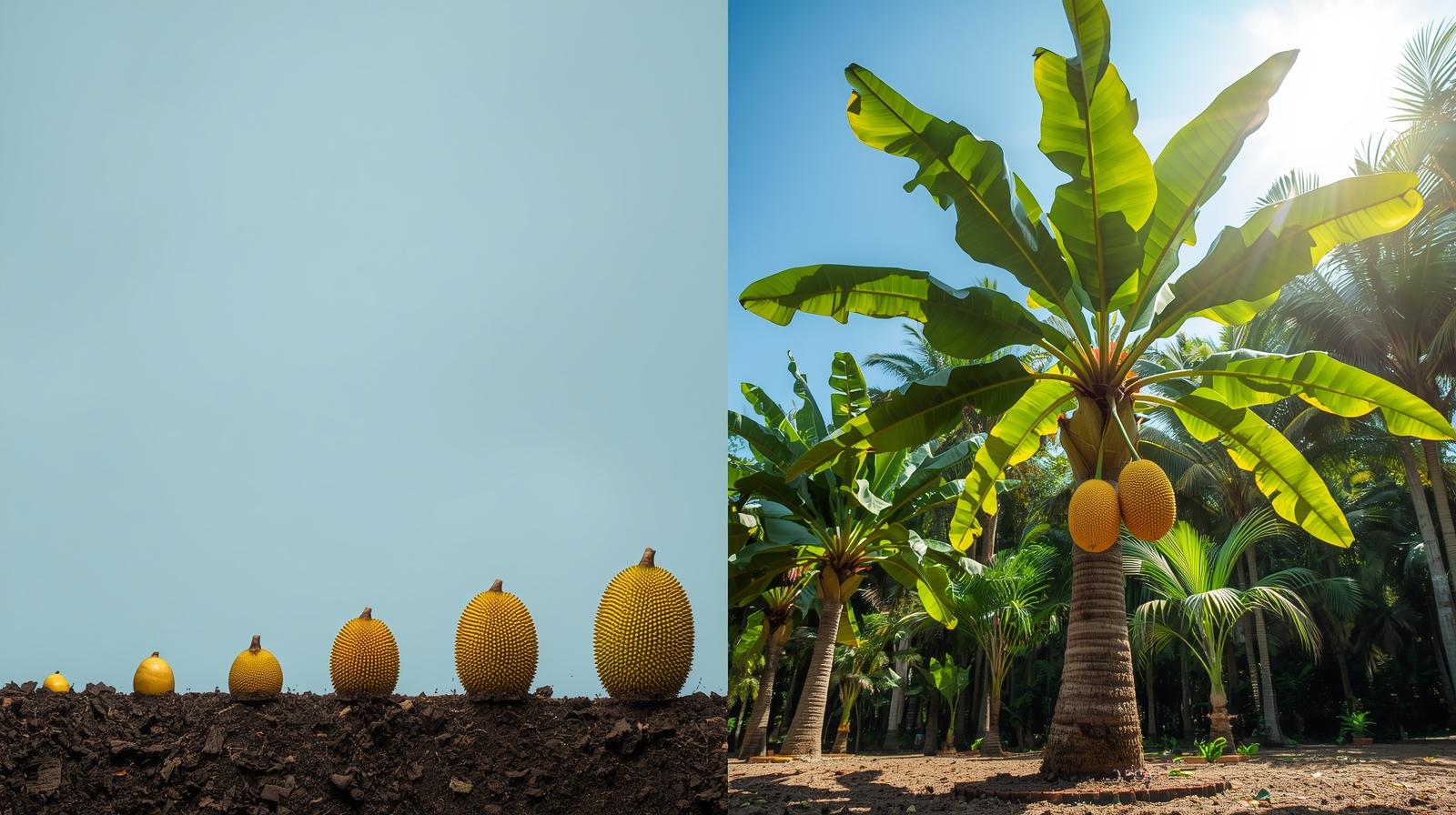
Start Small, Grow Smart
If you’re new to gardening, start with a few easy-to-grow vegetables and herbs:
- Tomatoes: Perfect for sauces, soups, and salads.
- Lettuce and spinach: Quick-growing greens that can be harvested multiple times.
- Herbs: Basil, mint, cilantro, and rosemary add fresh flavor to any dish.
- Carrots and radishes: Great for snacks, soups, and side dishes.
- Peppers and beans: High-yield crops that grow well in small spaces.
Compost to Close the Loop
Every zero-waste kitchen begins with a compost pile. Instead of throwing away scraps, transform them into nutrient-rich compost that feeds your soil naturally. Vegetable peels, coffee grounds, eggshells, and wilted greens all break down into organic matter that boosts plant growth.
Regrow from Scraps
You don’t always need seeds to grow new plants—many vegetables can be regrown from scraps:
- Place the base of lettuce, celery, or bok choy in a shallow dish of water until new leaves sprout.
- Replant green onion roots for an endless supply.
- Save potato eyes and garlic cloves to start new plants.
Regrowing from scraps is an exciting, money-saving step toward sustainable food production.
3. Kitchen Practices for Zero-Waste Cooking
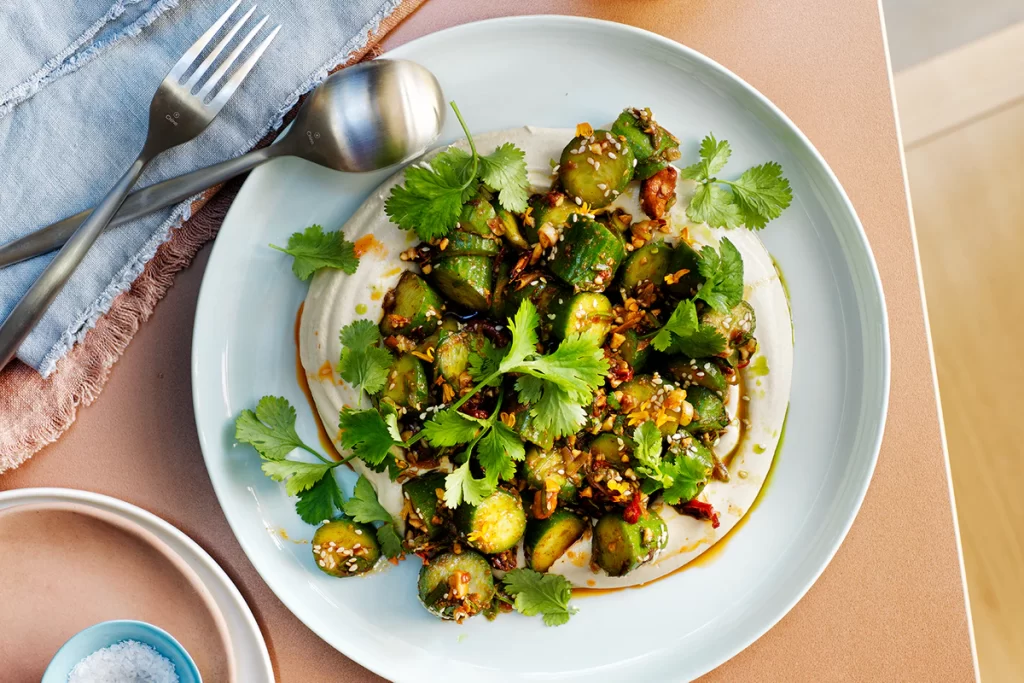
Once your garden starts producing, the next step is transforming those ingredients into delicious meals—without letting a single bit go to waste.
Plan Meals Around What You Have
Zero-waste cooking starts with mindful meal planning. Instead of shopping first, look at what’s ripe in your garden and design meals around those ingredients.
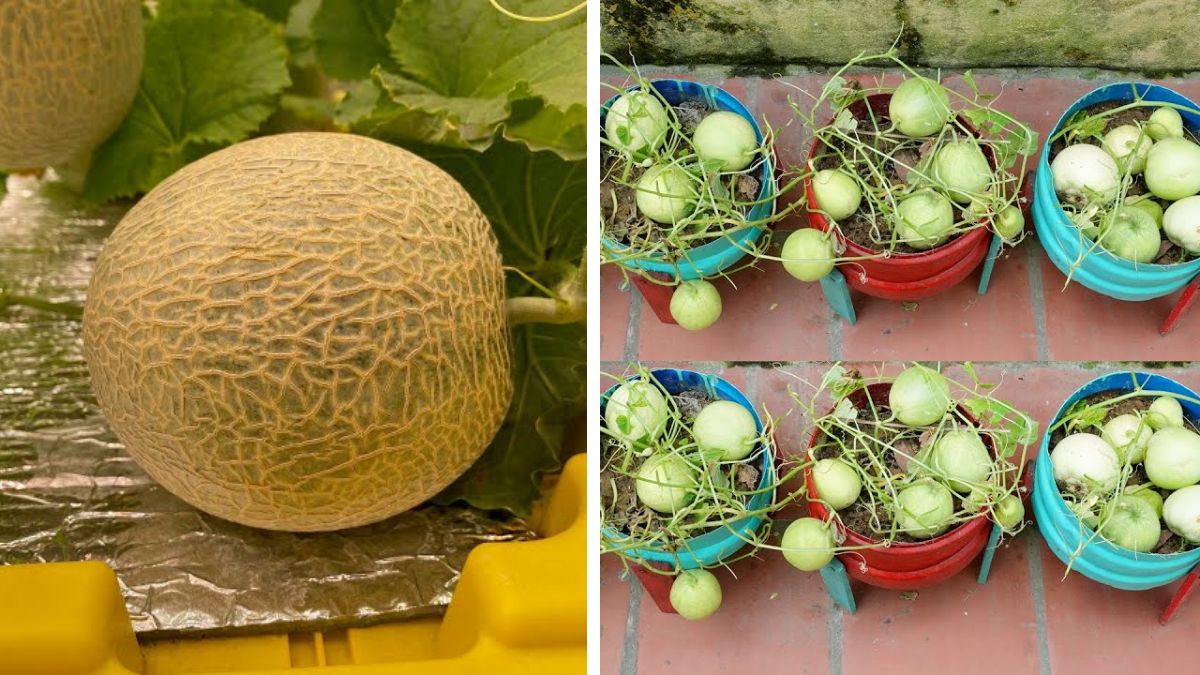
- If tomatoes are overflowing, make fresh salsa or pasta sauce.
- Got too much zucchini? Try fritters, soups, or baked bread.
- An abundance of herbs? Make pesto or dry them for later use.
This approach ensures that nothing spoils before you use it.
Store Smart to Prevent Spoilage
Proper storage extends the life of your produce:
- Leafy greens: Wash, dry, and store in a sealed container with a paper towel to absorb moisture.
- Root vegetables: Keep in a cool, dark place—not the fridge.
- Herbs: Store in a glass of water like a bouquet, covered loosely with a plastic bag.
Freezing, drying, and fermenting are also excellent ways to preserve your harvest for months.
4. Cooking from Root to Leaf
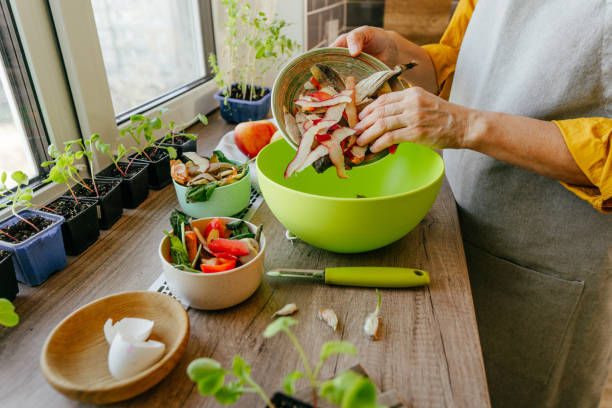
Many parts of vegetables we often throw away are actually edible and nutritious. Zero-waste cooking challenges you to use every part creatively.
Leafy Tops and Stems
- Carrot tops can be blended into a pesto with olive oil, garlic, and nuts.
- Broccoli stems can be sliced thin for stir-fries or blended into soups.
- Beet greens sauté beautifully with garlic and olive oil.
Peels and Scraps
- Potato peels turn crispy when baked with olive oil and salt.
- Citrus peels can be candied or zested for flavor.
- Vegetable scraps (onion skins, celery ends, carrot peels) can be boiled into a rich vegetable broth.
Seeds and Pulp
- Pumpkin or squash seeds can be roasted for snacks.
- Tomato pulp from straining sauces can be added to soups for depth of flavor.
By embracing root-to-leaf cooking, you maximize nutrition, minimize waste, and discover new flavors along the way.
5. Creative Zero-Waste Recipes with Homegrown Produce
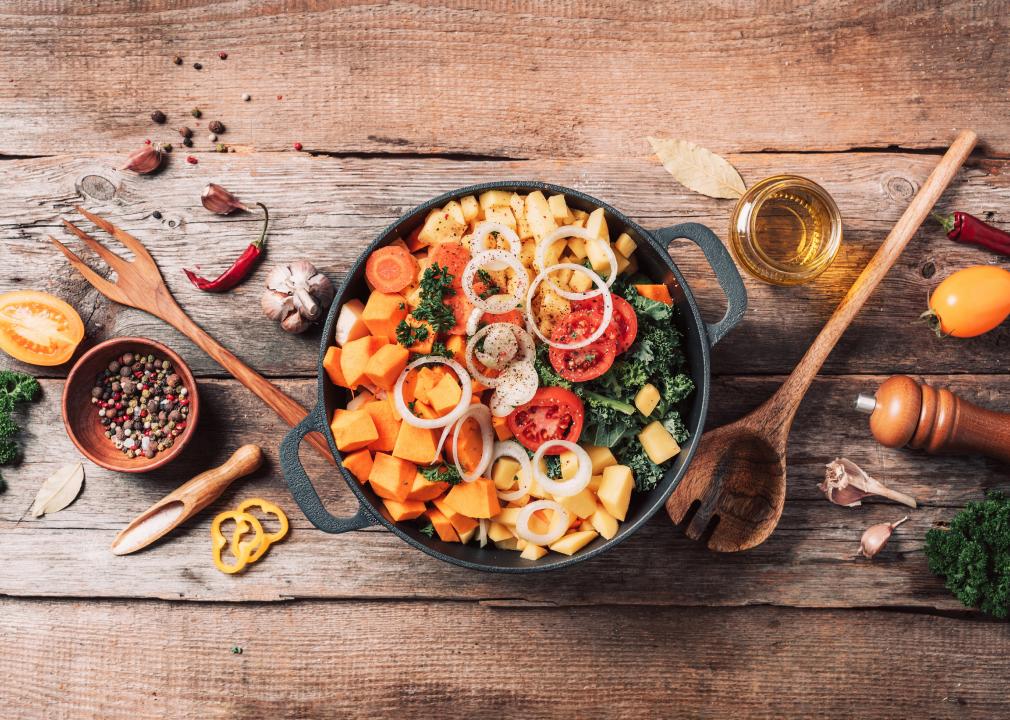
Here are a few easy, delicious ideas to put your homegrown ingredients to full use—waste-free!
1. Garden Veggie Broth
Save vegetable scraps like carrot peels, celery ends, and onion skins in a freezer bag. Once you have enough, simmer them with herbs and peppercorns for an hour. Strain and freeze the broth in ice cube trays—perfect for soups, stews, and sauces.
2. Zucchini Fritters with Stem Pesto
Grate garden zucchini, mix with herbs, flour, and spices, and pan-fry into crispy fritters. Top them with pesto made from carrot tops or kale stems for a full-circle meal.
3. Tomato Peel Pasta Sauce
When making tomato sauce, blanch and peel the tomatoes—but don’t discard the peels! Dehydrate or bake them until crispy, then blend into a powder. It adds a sweet, tangy flavor boost to sauces and soups.
4. Herb-Infused Oil
Instead of letting herbs wilt, preserve them in olive oil. Fill a bottle with herbs and garlic, pour in oil, and let it infuse for a week. Use it for salads, bread dips, or pasta dishes.
5. Veggie Scrap Stir-Fry
Mix leftover chopped veggies, stems, and leaves into a quick stir-fry with soy sauce, ginger, and sesame seeds. It’s colorful, flavorful, and completely waste-free.
6. Preserving the Harvest
A big part of zero-waste living is making your garden harvest last through the seasons. Preservation ensures nothing spoils before it’s used.
Freezing
Blanch greens and beans before freezing to preserve flavor and nutrients. Store in labeled, reusable containers.
Drying
Air-dry herbs like basil and mint, or use a dehydrator for tomatoes, mushrooms, or apples. Dried food takes up less space and lasts for months.
Pickling and Fermenting
Turn extra cucumbers, radishes, or carrots into tangy pickles. Ferment cabbage into sauerkraut or kimchi for a probiotic-rich side dish. These methods not only prevent waste but also add variety and flavor to your meals.
7. Composting: The Final Step in a Zero-Waste Cycle
Even the most careful cook will have some leftovers—like eggshells, coffee grounds, or vegetable trimmings too tough to eat. Composting turns those scraps into valuable fertilizer that enriches your garden soil.
Tips for Successful Composting:
- Balance green materials (food scraps) with brown materials (dry leaves, cardboard).
- Keep the pile moist but not soggy.
- Turn it regularly to promote aeration and speed up decomposition.
In a few months, you’ll have rich compost to nourish your next crop—completing the zero-waste loop from garden to kitchen and back again.
8. The Benefits Beyond the Plate
Zero-waste cooking with homegrown ingredients is about more than just food—it’s about transformation. You save money by making the most of what you grow. You reduce your environmental footprint by cutting waste and plastic use. And you cultivate mindfulness, appreciating every ingredient’s journey from seed to plate.
Growing your own vegetables fosters self-reliance and creativity, while zero-waste cooking encourages gratitude and respect for the earth’s resources. Together, they form a holistic lifestyle centered on sustainability, health, and balance.
9. Final Thoughts: Eat Well, Waste Less, Live Green
Zero-waste cooking and home gardening go hand in hand—each supporting the other in a cycle of growth and renewal. By growing your own ingredients, you take control of your food system. By cooking waste-free, you honor that food by using every bit of it.
You don’t need to be an expert gardener or chef to start. Begin with a few herbs, learn to repurpose scraps, and let the process unfold naturally. With each meal you prepare and every seed you plant, you’ll move closer to a life that’s more sustainable, nourishing, and connected to the earth.
In a world where so much is wasted, your garden and kitchen can become powerful symbols of change. One compost pile, one homegrown tomato, and one zero-waste meal at a time.