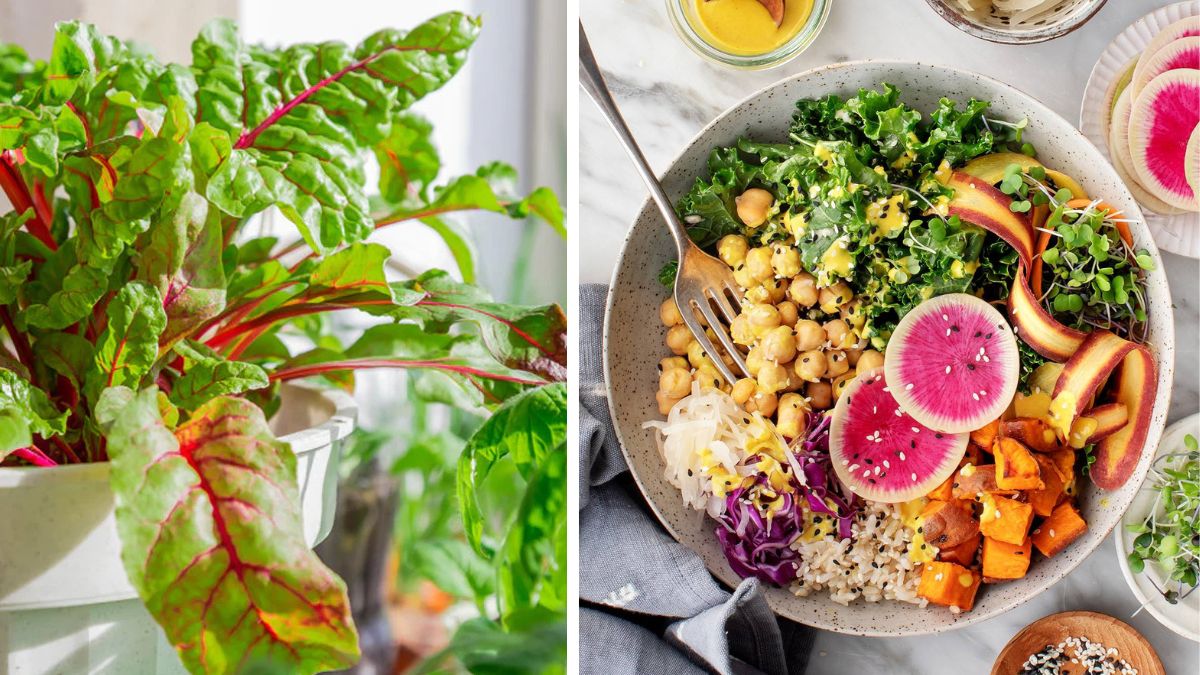
In a time when wellness, sustainability, and mindful eating are gaining global importance, one lifestyle stands out for its simplicity and power — vegetarianism. A vegetarian lifestyle emphasizes plant-based foods rich in nutrients, color, and flavor, offering benefits not only to our health but also to the planet.
But while most people embrace vegetarianism by shopping for produce at the market, a deeper, more rewarding approach lies right outside the kitchen door: growing your own vegetables.
Cultivating your own food reconnects you with nature, ensures fresh and chemical-free ingredients, and enriches your understanding of what it truly means to live sustainably. This article explores why growing your own veggies is one of the best decisions for anyone pursuing — or even considering — a vegetarian lifestyle.
The Vegetarian Lifestyle: A Conscious Choice
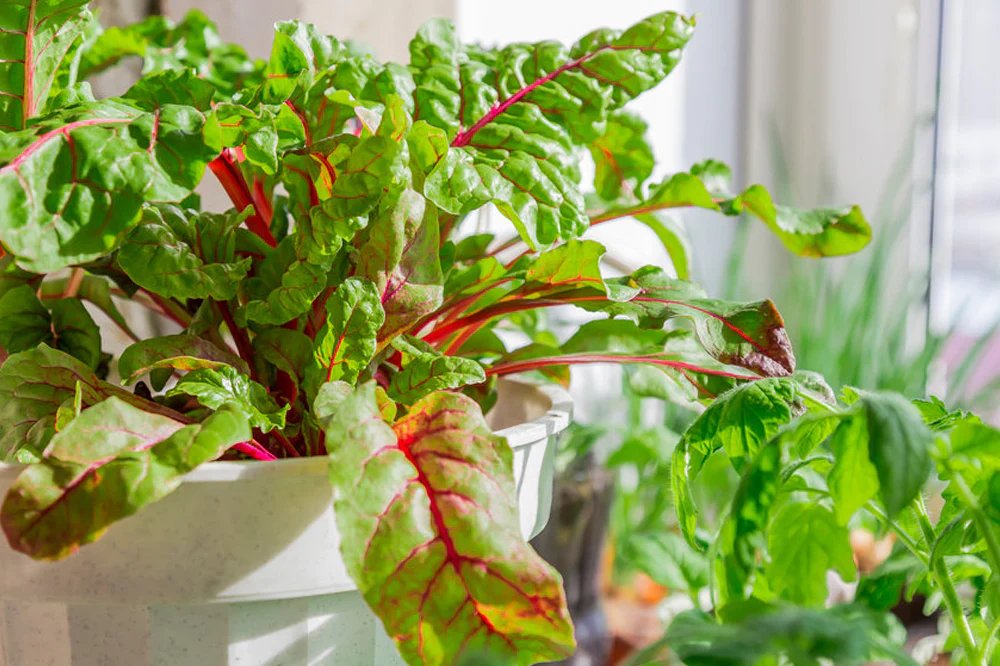
A vegetarian lifestyle goes beyond what you eat — it’s a conscious commitment to living in harmony with the environment and your body. It focuses on nourishment through fruits, vegetables, grains, legumes, seeds, and nuts while avoiding meat and sometimes other animal products.
This lifestyle is associated with numerous health benefits such as improved digestion, lower cholesterol levels, and reduced risks of chronic diseases. Yet, the foundation of these benefits lies in the quality and freshness of the ingredients consumed.
That’s where a personal vegetable garden makes all the difference. When you grow what you eat, you control what goes into your food — no pesticides, no preservatives, and no compromises.
1. Freshness Equals Flavor and Nutrition
Store-bought vegetables often travel long distances before reaching your kitchen, losing nutrients and flavor along the way. By contrast, homegrown veggies can be picked minutes before cooking, ensuring peak freshness.
Nutritional Benefits of Homegrown Produce:
- Higher Vitamin Content: Freshly harvested greens retain more vitamin C and antioxidants than store-bought ones.
- More Minerals: Root vegetables like carrots and beets grown in nutrient-rich soil are full of potassium, magnesium, and iron.
- Better Digestion: Homegrown vegetables tend to have more fiber, supporting healthy digestion and gut function.
Moreover, the flavor of garden-fresh produce is incomparable — crisp lettuce, juicy tomatoes, and fragrant herbs enhance every meal naturally, without the need for added fats or artificial flavorings.
2. Gardening as a Wellness Practice

Growing vegetables for your vegetarian lifestyle is not just about food — it’s also about mental and emotional health. Gardening offers a calm escape from daily stress, grounding you in the rhythm of nature.
Studies have shown that:
- Spending time in a garden lowers cortisol (stress hormone) levels.
- Gardening increases serotonin production, improving mood and focus.
- Moderate gardening activity burns calories and promotes flexibility.
It’s a form of gentle exercise, meditation, and therapy all in one. Each time you water, prune, or harvest, you’re not only nurturing your plants — you’re nurturing yourself.
3. Sustainability and Eco-Friendly Living
A vegetarian lifestyle naturally aligns with sustainability — and growing your own vegetables strengthens that connection. Commercial agriculture contributes to carbon emissions, soil degradation, and plastic packaging waste. By cultivating food at home, you take an active role in reducing your ecological footprint.
Sustainable Advantages of Home Gardening:

- Zero Food Miles: Your vegetables travel from your backyard to your plate, not across continents.
- No Plastic Packaging: You harvest directly from nature, reducing single-use waste.
- Composting Power: Kitchen scraps become nutrient-rich compost, completing the cycle of sustainability.
- Water Conservation: Small-scale gardening uses far less water than industrial farming.
When you grow your food, you contribute to environmental health as much as your own — one garden bed at a time.
4. Control Over What You Eat
In a vegetarian diet, vegetables are the stars — so their quality matters immensely. Unfortunately, even “organic” produce in stores may contain pesticide residues or come from depleted soils. Growing your own food gives you complete transparency and control over your meals.
You decide:
- Which seeds to plant: Opt for heirloom, non-GMO varieties.
- What soil and fertilizer to use: Natural compost, coconut coir, and organic matter ensure chemical-free growth.
- When to harvest: You pick vegetables at their prime, not based on shelf life or transport schedules.
This direct connection with your food brings a sense of empowerment. You’re no longer a consumer — you’re a creator, crafting the quality of your nourishment from the ground up.
5. The Joy of Seasonal Eating
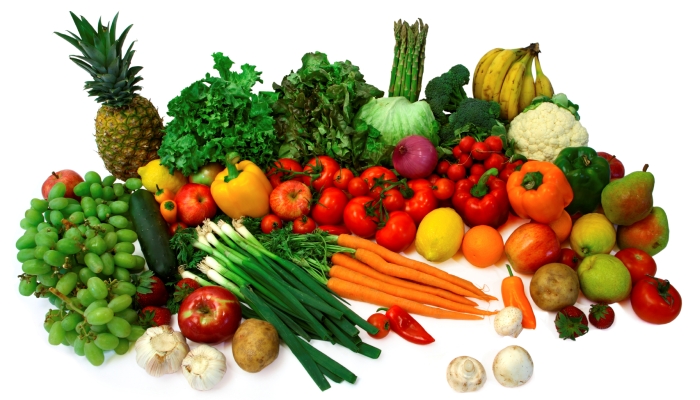
Vegetarian diets thrive on diversity, and growing your own vegetables encourages seasonal eating — a cornerstone of healthy living.
Seasonal eating benefits include:
- Better nutrition: Seasonal produce is naturally higher in vitamins and minerals suited to the body’s needs for that time of year.
- Enhanced immunity: Foods grown in sync with the environment help your body adapt to seasonal changes.
- Cost efficiency: Home gardens produce abundantly in their season, saving money and reducing dependence on market prices.
For instance:
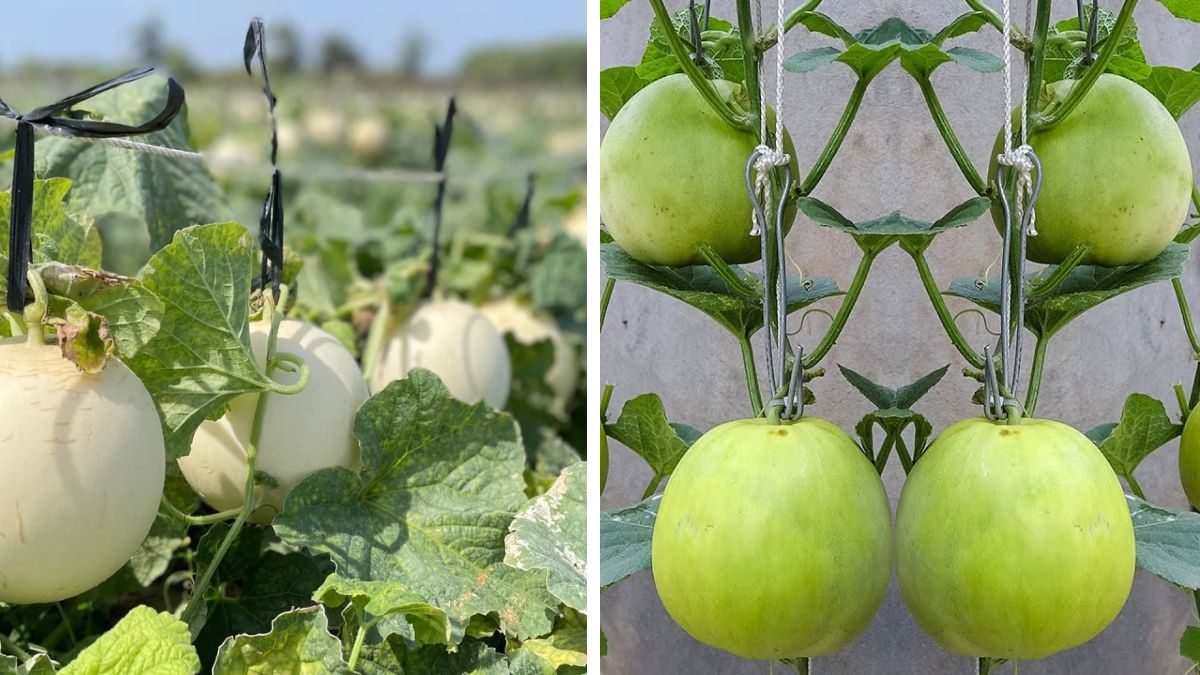
- Summer: Grow tomatoes, cucumbers, basil, and peppers.
- Monsoon: Cultivate leafy greens like spinach and amaranth.
- Winter: Plant carrots, radishes, peas, and cabbage.
Every harvest teaches patience, gratitude, and appreciation for nature’s rhythm — lessons that align perfectly with the mindful essence of vegetarianism.
6. A Family and Community Bond
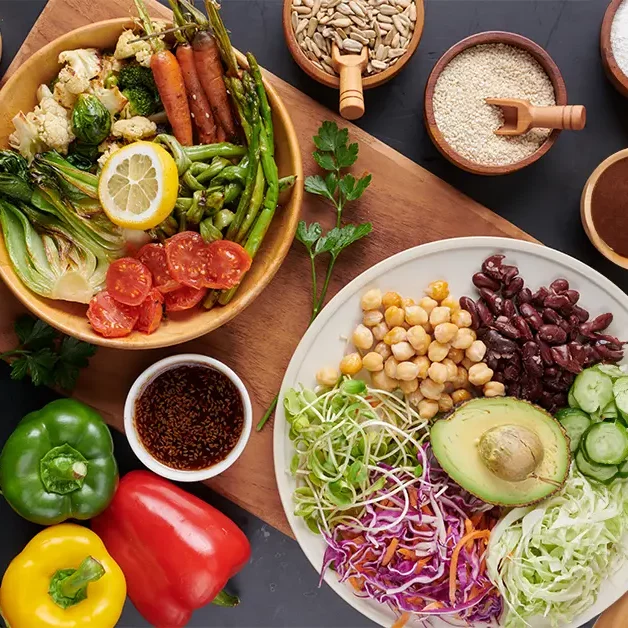
A vegetable garden can become more than just a personal project — it can be a shared experience that strengthens relationships. Families who grow together often cook together, and that shared labor of love leads to healthier meals and meaningful memories.
Children, in particular, benefit from this lifestyle:
- They learn where food comes from.
- They develop respect for nature and nutrition.
- They’re more likely to eat vegetables they helped grow.
On a larger scale, sharing extra produce with neighbors fosters community connection. Swapping homegrown herbs, seeds, or recipes builds a network of like-minded, health-conscious individuals — a local ecosystem of support for vegetarian living.
7. How to Start Growing for a Vegetarian Lifestyle
You don’t need acres of land or fancy equipment — just passion, patience, and a little space. Here’s a quick guide to get started:
Step 1: Choose the Right Location
Find a sunny spot with at least 5–6 hours of light daily. A balcony, terrace, or window box works well.
Step 2: Select Your Veggies
Begin with easy-to-grow, nutrient-rich vegetables:
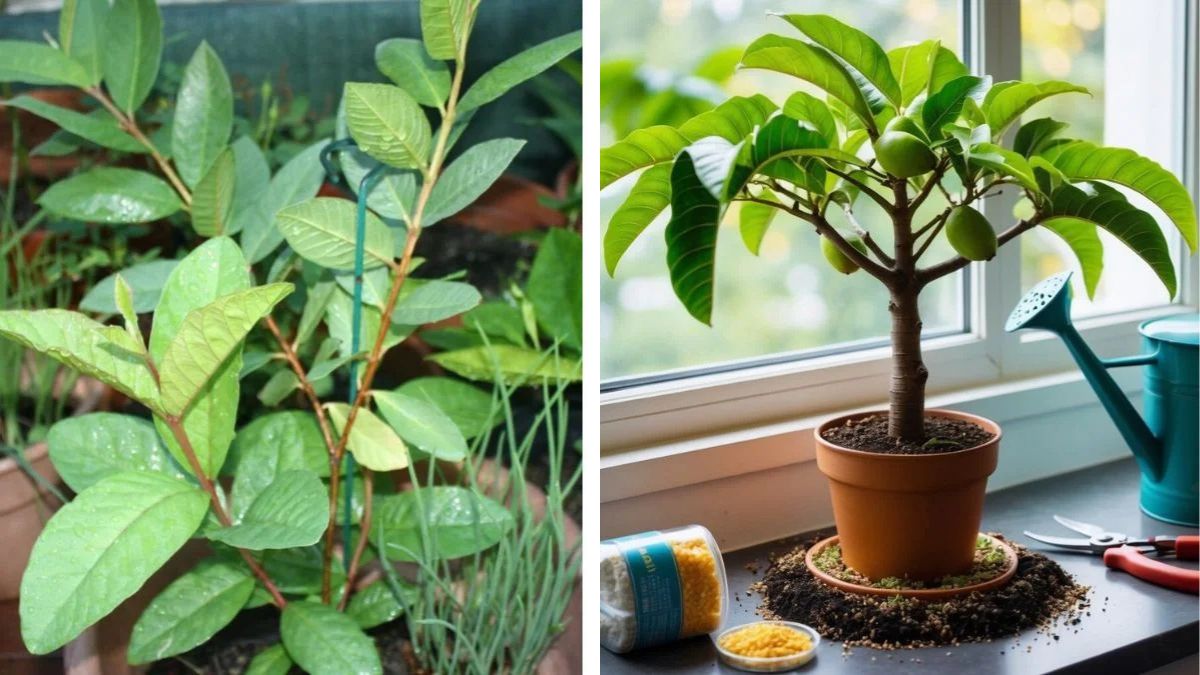
- Leafy greens: Spinach, kale, lettuce
- Roots: Carrots, beets, radishes
- Fruiting plants: Tomatoes, peppers, cucumbers
- Herbs: Basil, coriander, mint
Step 3: Prepare the Soil
Use a mix of garden soil, organic compost, and coco peat for aeration and nutrients.
Step 4: Water Mindfully
Keep soil moist but not soggy. Morning watering helps prevent fungal growth.
Step 5: Harvest with Care
Pick vegetables when ripe but tender — not overgrown. Fresh harvests are nutritionally superior and tastier.
Step 6: Keep Learning
Gardening is a lifelong journey. Learn from local growers, experiment with composting, and rotate crops for healthy soil.
8. Turning Harvest into Vegetarian Delights
The real joy of growing veggies is savoring them in wholesome, plant-based meals. Try these simple ideas:
- Garden Stir-Fry: Combine homegrown beans, bell peppers, and carrots with garlic and soy sauce.
- Fresh Salad Bowl: Toss spinach, tomatoes, cucumbers, and mint for a refreshing lunch.
- Herbal Smoothie: Blend basil or coriander with lemon, apple, and spinach for a detoxifying drink.
- Roasted Veggie Platter: Bake beets, potatoes, and zucchini with olive oil and herbs.
When you cook from your garden, your meals carry not just nutrition — but the satisfaction of creation. Every bite becomes a reminder of your effort, mindfulness, and connection to the earth.
9. Long-Term Benefits: Health, Happiness, and Harmony
The rewards of growing your own food extend far beyond the plate. Over time, you’ll notice:
- Better physical health through consistent access to fresh, organic produce.
- Improved mental well-being from time spent outdoors and in creative activity.
- Reduced expenses as your garden provides food security.
- Greater respect for nature and awareness of your environmental impact.
It’s a lifestyle that encourages patience, gratitude, and growth — both in your plants and within yourself.
Conclusion: Plant Seeds, Cultivate Life
Choosing a vegetarian lifestyle is already a powerful step toward health and sustainability. But growing your own vegetables elevates that choice into a holistic way of living — one that unites nourishment, mindfulness, and care for the planet.
When you sow a seed, you sow hope. When you nurture a plant, you nurture your health. And when you harvest your own food, you experience a sense of fulfillment no store can provide.
In every handful of soil lies a secret: that wellness doesn’t begin at the market — it begins in the garden. So pick up your trowel, plant your first seed, and start growing the vegetarian life you’ve always dreamed of — one that helps you live lightly, eat wisely, and glow naturally from within. 🌱