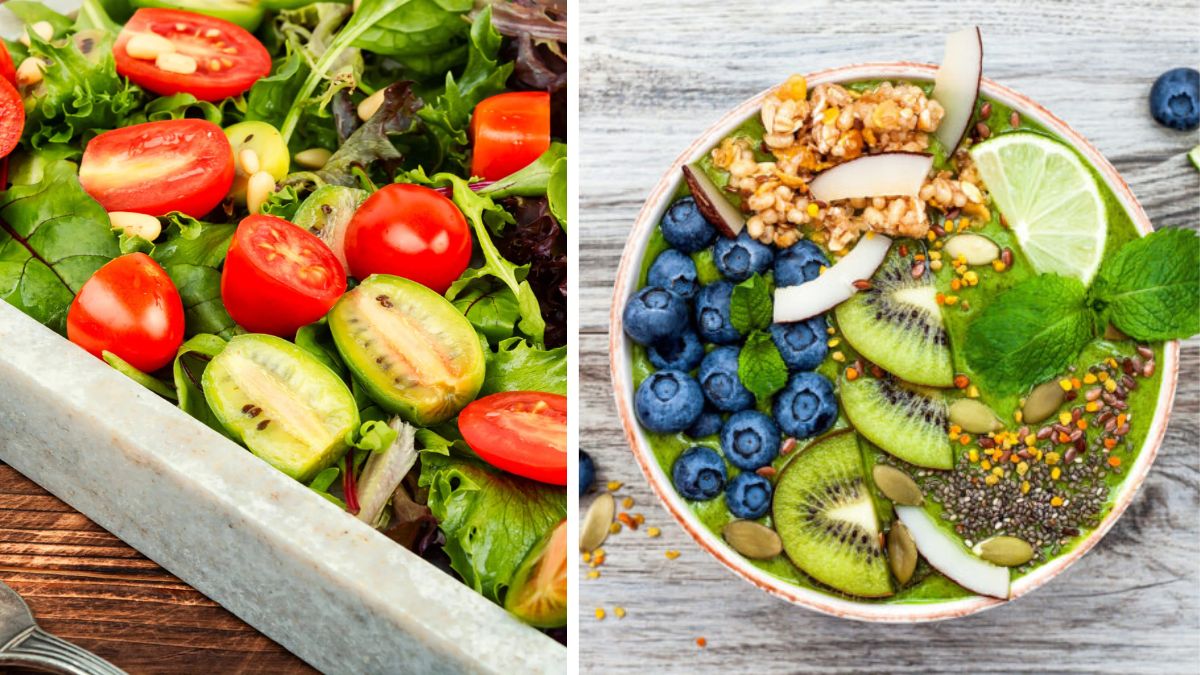
There’s something uniquely satisfying about stepping outside, snipping fresh greens, and turning them into a vibrant smoothie or colorful salad. Growing your own vegetables isn’t just about having organic produce—it’s about cultivating a connection to your food, your health, and the environment. When your garden becomes your personal produce aisle, your meals are fresher, more nutritious, and infused with the joy of homegrown flavor.
If your goal is to fuel your mornings with nourishing smoothie bowls and your afternoons with crisp, refreshing salads, your garden can become a perfect foundation. With the right crops, you can enjoy a continuous harvest of greens, herbs, and veggies that blend beautifully into plant-based meals.
Here’s a detailed, step-by-step guide on how to grow your own veggies for smoothie bowls and salads, from seed selection to recipe ideas that celebrate your harvest.
1. The Benefits of Growing Your Own Greens and Veggies
Before diving into what to plant, it’s important to understand why growing your own food matters—especially when it comes to smoothie and salad ingredients.
a. Freshness Equals Nutrition
The moment you pick vegetables and greens, their nutrient content begins to decline. By harvesting right before eating, you preserve the highest levels of vitamins, minerals, and antioxidants.
b. Zero Waste and Chemical-Free
Home gardening gives you total control. No plastic packaging, no pesticides, and no wasted produce wilting in the fridge. You harvest what you need, when you need it.
c. Better Flavor and Creativity
Store-bought greens can’t match the bright taste of just-picked kale or crisp lettuce. You can experiment with varieties like rainbow chard, red-veined sorrel, or purple basil to make your meals as beautiful as they are healthy.
d. Connection and Mindfulness
Tending to your garden—watering, pruning, and harvesting—creates a rhythm that nurtures both your plants and your peace of mind. Gardening becomes part of a mindful lifestyle centered around nourishment and balance.
2. The Best Veggies and Greens for Smoothie Bowls and Salads
When planning your garden, choose plants that thrive in your local climate, offer steady yields, and serve multiple culinary purposes. Here’s a breakdown of the best options for smoothie bowls and salads:
A. Leafy Greens (Smoothie & Salad Staples)
These form the backbone of most bowls and salads:
- Spinach: Mild, nutrient-rich, and perfect for smoothies and salads alike. Grows quickly in cool weather.
- Kale: A powerhouse green that holds up well in both blending and massaged salads. Choose varieties like curly or dinosaur kale.
- Swiss Chard: Adds color with its bright stems and a slight earthy flavor. Ideal for sautéing or raw use.
- Romaine and Butterhead Lettuce: Great base for crisp, refreshing salads.
- Arugula: Offers a peppery kick to salads and pairs beautifully with fruits.
B. Veggies That Add Crunch and Color
- Carrots: Sweet, crunchy, and perfect for grating into salads or blending into smoothies for natural sweetness.
- Cucumbers: Refreshing and hydrating, ideal for light salads and detox smoothies.
- Beets: Vibrant color and earthy flavor; roast for salads or blend raw for antioxidant-rich smoothies.
- Radishes: Add a peppery edge and pop of pink to your salad bowl.
C. Herbs for Extra Flavor and Aroma
- Basil: Perfect in fruit salads or as a fresh twist in green smoothies.
- Mint: Adds coolness and brightness—especially good with berries or citrus-based bowls.
- Parsley: Detoxifying and refreshing, great in savory smoothies and salad dressings.
- Cilantro: Pairs well with avocado and citrus salads.
D. Bonus Crops for Nutritional Variety
- Microgreens: Quick-growing and nutrient-dense; harvest in 10–14 days.
- Edible Flowers: Nasturtiums and pansies make your salad bowls Instagram-worthy and add subtle flavor.
3. How to Grow: From Seed to Harvest
Even if you’re a beginner, growing veggies for smoothies and salads is simple with the right approach.
Step 1: Choose the Right Location
Greens and salad veggies need at least 4–6 hours of sunlight daily. A balcony, raised bed, or even windowsill planters can work if they get enough light.
Step 2: Prepare the Soil
Healthy soil equals healthy greens. Use a mix of compost, coco peat, and garden soil in equal parts. Ensure good drainage to avoid soggy roots.
Step 3: Plant in Successions
Instead of planting all your seeds at once, sow small batches every 2–3 weeks. This ensures a steady supply of young, tender greens.
Step 4: Water and Feed Consistently
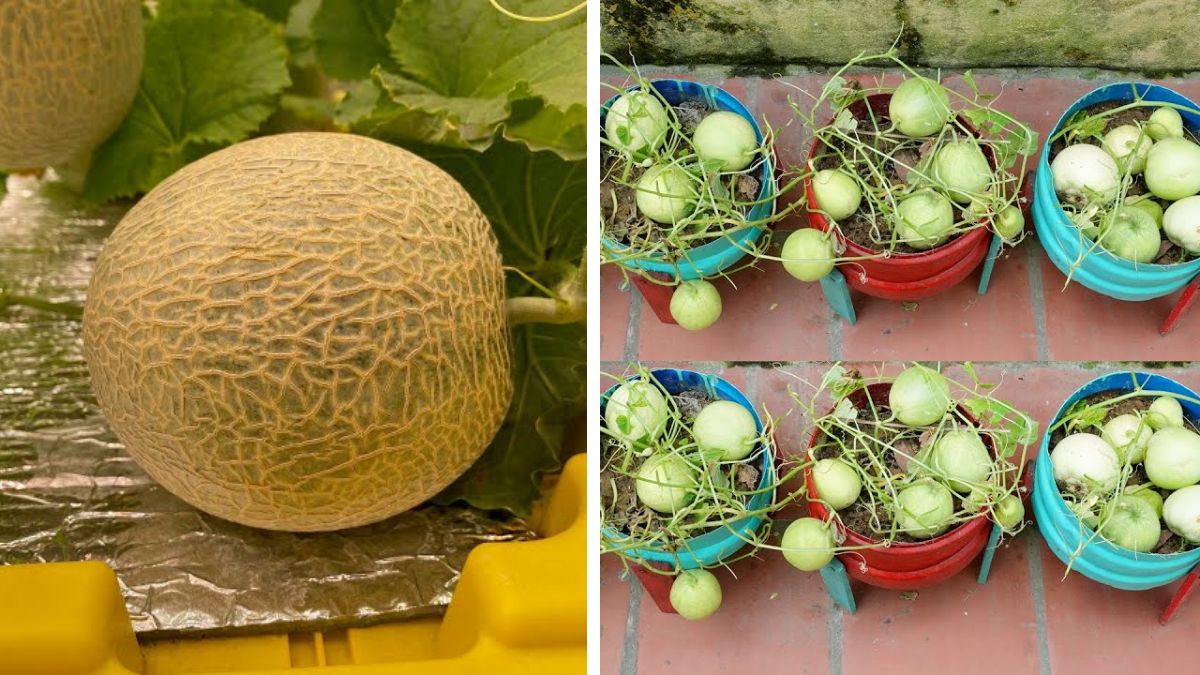
Keep the soil evenly moist but not waterlogged. Mulch around your plants to retain moisture. Feed with organic compost tea or seaweed extract every two weeks.
Step 5: Harvest Smartly
For leafy greens, use the “cut and come again” method—trim outer leaves and let the inner ones continue growing. For herbs, pinch off the tops regularly to encourage bushy growth.
Step 6: Protect from Pests Naturally
Use neem oil spray or companion planting (for example, marigolds repel aphids) to keep your greens safe without chemicals.
4. Garden-to-Bowl: Turning Your Harvest into Delicious Creations
Once your garden starts producing, the fun begins—turning your vibrant harvest into refreshing smoothie bowls and crisp salads.
A. Smoothie Bowl Inspirations
Smoothie bowls are not only beautiful but also a creative way to get your greens and fruits in one nourishing meal.
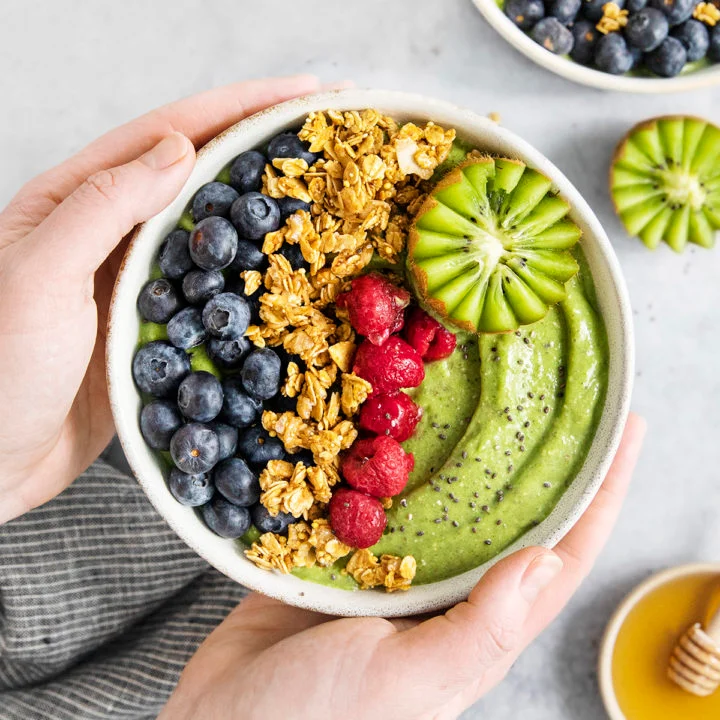
1. Green Energy Smoothie Bowl
From the garden: Spinach, kale, mint, parsley.
Recipe:
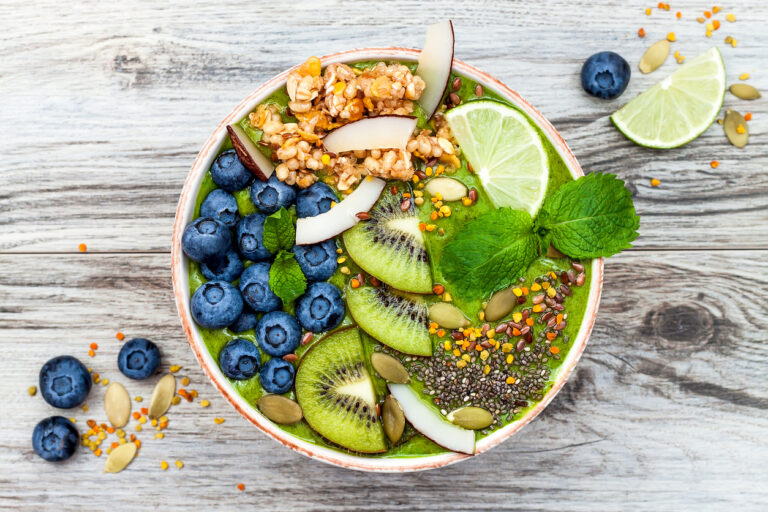
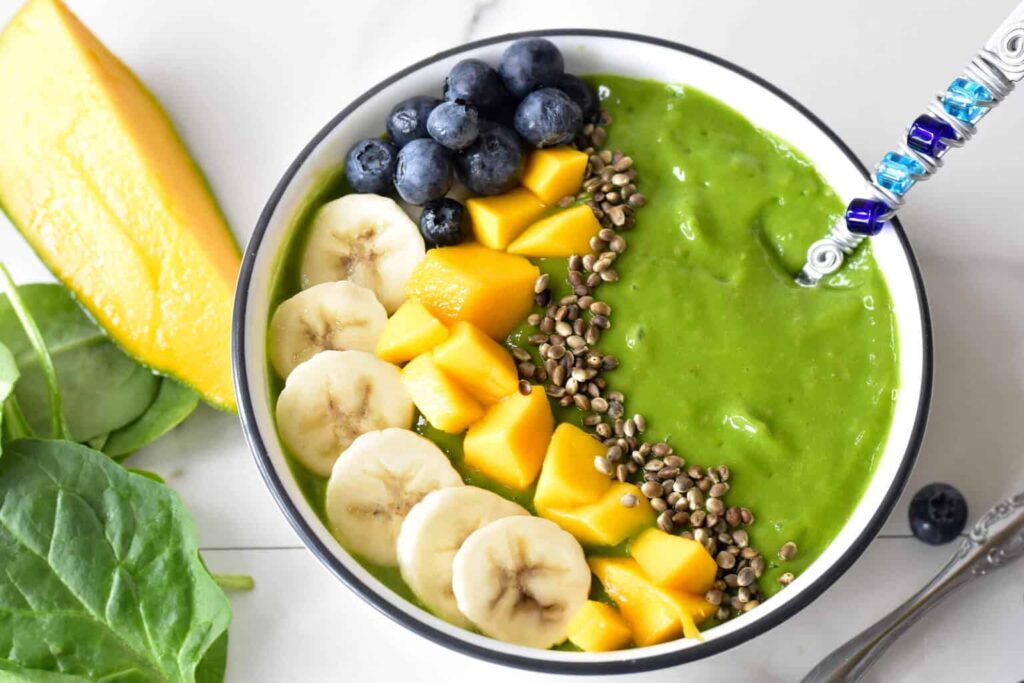
Blend a handful of spinach and kale with banana, mango, and coconut water. Pour into a bowl and top with granola, sliced fruit, and a few mint leaves for aroma.
2. Beet & Berry Glow Bowl
From the garden: Beets, carrots, basil.
Recipe:
Blend raw beet and carrot with strawberries, yogurt, and a drizzle of honey. Top with basil and chia seeds for a vibrant, energizing breakfast.
3. Cucumber-Avocado Detox Bowl
From the garden: Cucumber, parsley, cilantro.
Recipe:
Blend cucumber, avocado, lime juice, and greens for a cooling, hydrating meal. Add toppings like sliced radish and sprouts for crunch.
B. Salad Creations from Your Backyard
Each salad can highlight a different mix of textures and flavors from your homegrown produce.
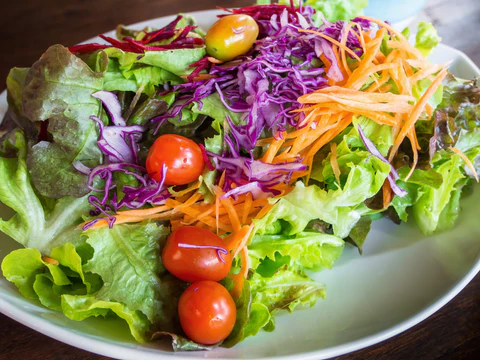
1. Rainbow Garden Salad
From the garden: Lettuce, carrots, beets, cucumber, radish, herbs.
Recipe:
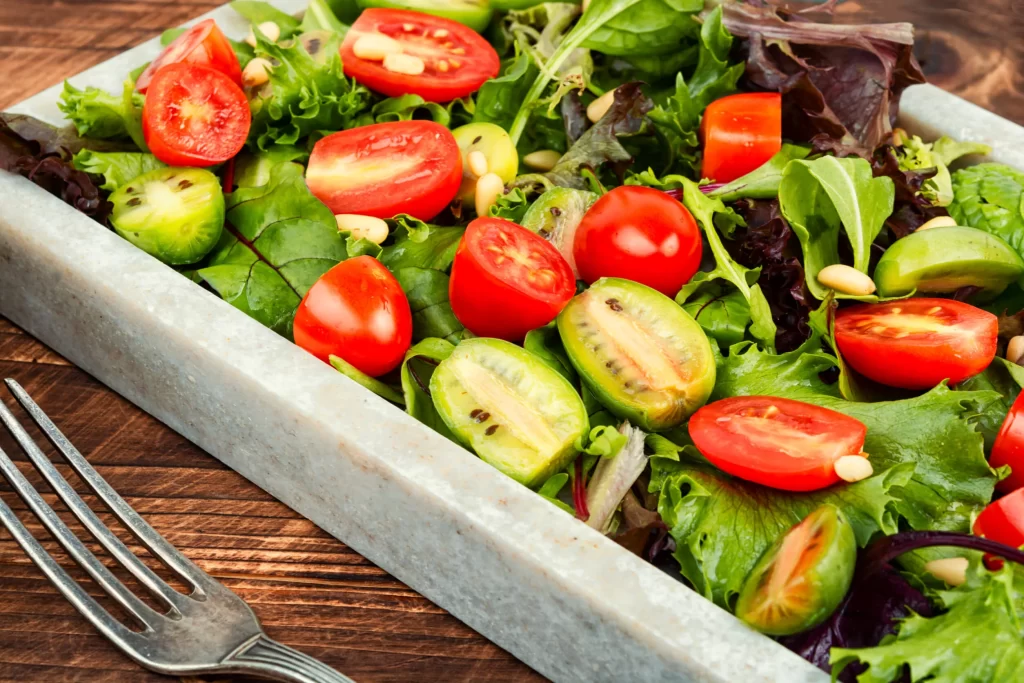
Combine sliced vegetables with a light vinaigrette of lemon, olive oil, and herbs. The mix of colors makes this salad as pretty as it is nutritious.
2. Mediterranean Power Bowl
From the garden: Kale, arugula, parsley, cherry tomatoes.
Recipe:
Toss greens with quinoa, olives, feta (optional), and a lemon-herb dressing. A perfect blend of garden freshness and hearty texture.
3. Citrus and Mint Salad
From the garden: Spinach, mint, basil.
Recipe:
Combine citrus segments with spinach and mint, drizzle with honey-lime dressing, and top with nuts or seeds for a light yet satisfying meal.
5. Extending Your Harvest: Year-Round Growing Tips
Even if your climate has harsh seasons, you can keep enjoying fresh greens throughout the year.
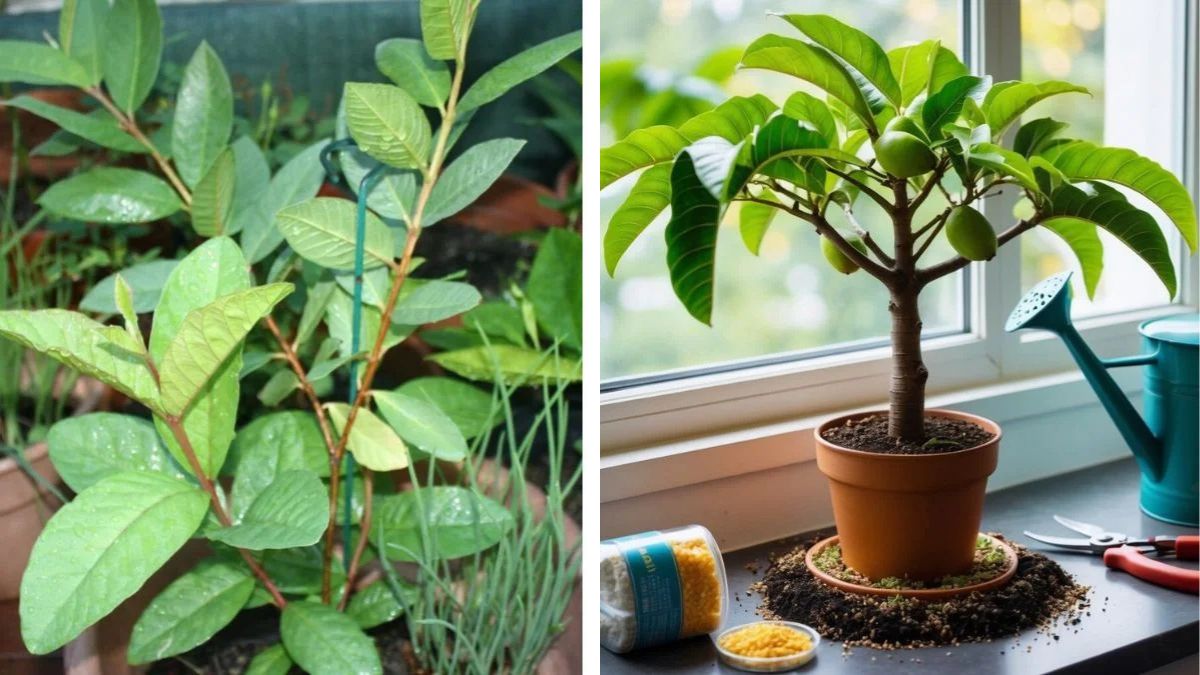
a. Indoor or Balcony Gardening
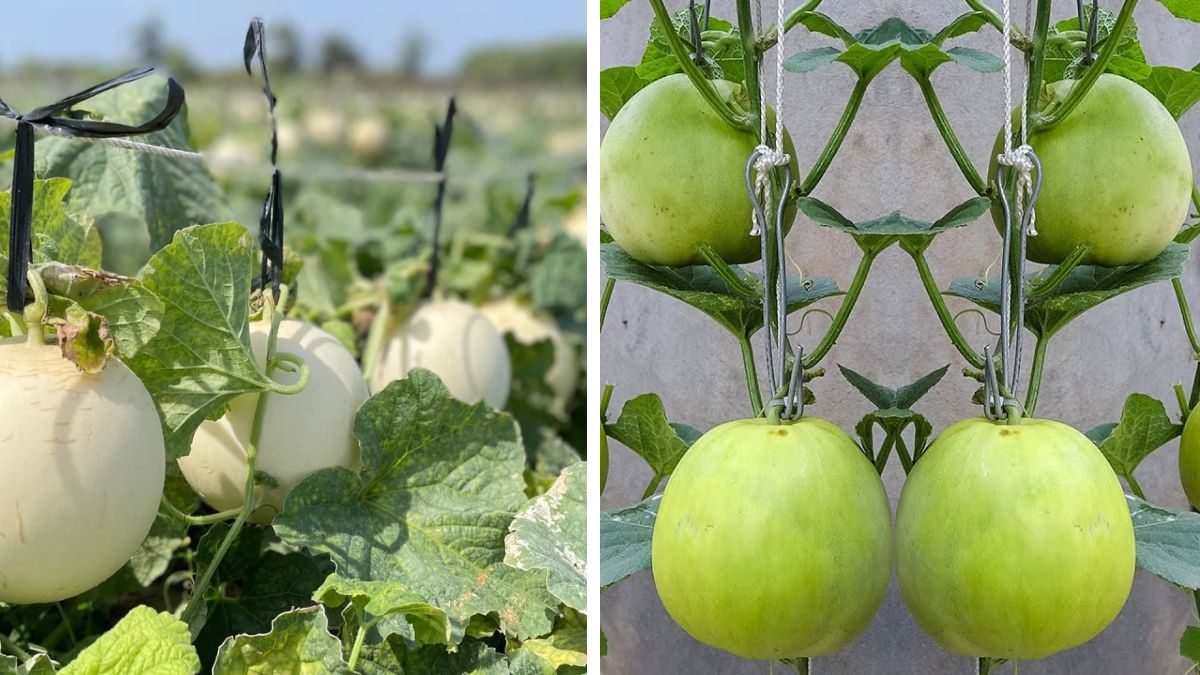
Use containers or hydroponic setups to grow herbs, lettuce, and microgreens indoors during winter or monsoon seasons.
b. Choose the Right Varieties
Select heat-tolerant lettuce (like ‘Buttercrunch’) for summer and cold-resistant spinach for winter.
c. Preserve Your Greens
Freeze blanched spinach or kale for smoothies, or dry herbs for year-round seasoning.
d. Regrow from Scraps
You can regrow green onions, celery, or lettuce bases in water—perfect for a continuous mini harvest.
6. The Sustainable Connection: From Soil to Bowl
Growing your smoothie and salad ingredients at home is more than just convenient—it’s a statement of sustainability.
- Reduce carbon footprint: No long-distance shipping or plastic packaging.
- Compost kitchen scraps: Turn peels and stems into nutrient-rich soil.
- Harvest mindfully: Only take what you need, minimizing waste.
- Encourage biodiversity: Your garden can attract pollinators like bees and butterflies.
By turning your garden into your salad bar, you create a beautiful cycle of growth, nourishment, and renewal.
7. The Joy of Garden-to-Table Living
There’s an unmatched joy in eating something you’ve grown yourself. The flavors are brighter, the nutrients more potent, and the satisfaction—immeasurable. Your smoothie bowls become a reflection of the season, and your salads a celebration of color and creativity.
Every seed you plant brings you closer to your food and farther from processed, store-bought meals. Whether you have a spacious backyard or just a sunny windowsill, you can start small and expand as your confidence grows.
Conclusion: Blend, Toss, and Bloom
“Grow Your Own Veggies for Smoothie Bowls and Salads” is more than a gardening guide—it’s a lifestyle blueprint for health and sustainability. When your garden supplies your blender and salad bowl, you eat fresher, waste less, and connect deeply with nature’s rhythm.
Each smoothie you sip and salad you savor becomes a reward for your care and patience. With every harvest, you’re not just growing food—you’re growing vitality, creativity, and self-reliance.
So grab your seeds, get your hands in the soil, and start cultivating your garden of goodness. Soon, your mornings will begin with green smoothie energy and your evenings with salad serenity—all fresh from your own backyard. 🌿🥕🥗