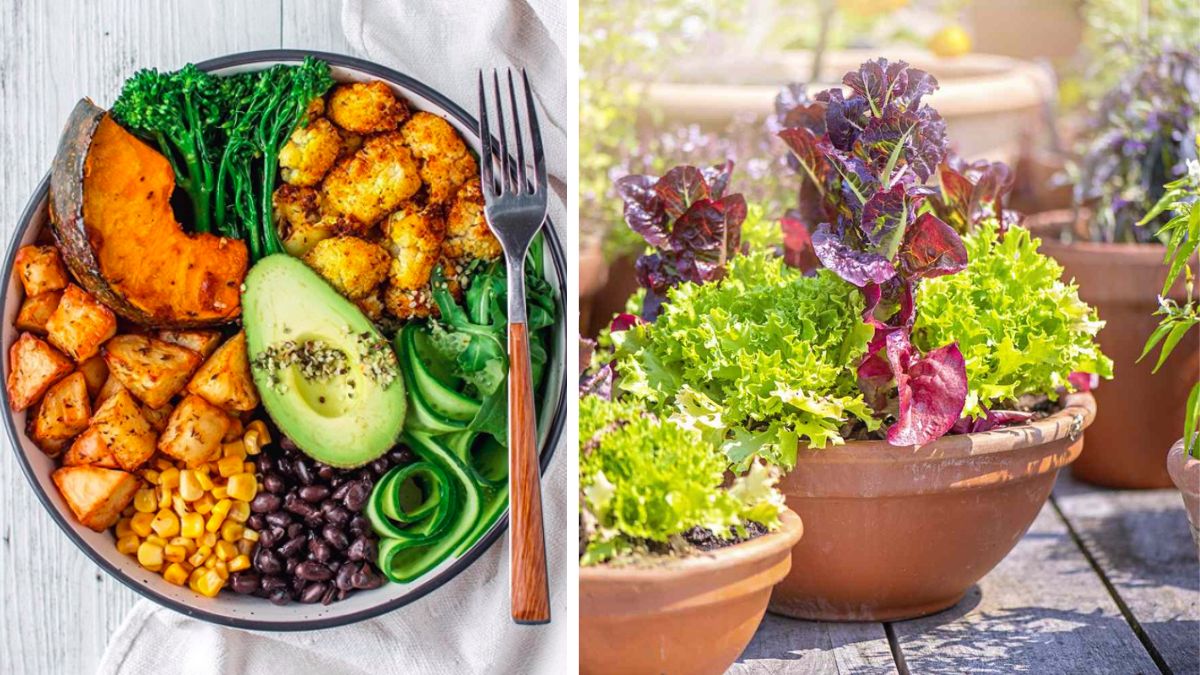
There’s a special kind of satisfaction that comes from eating a meal made entirely from what you’ve grown yourself. A home garden doesn’t just provide food—it offers empowerment, connection to nature, and a reminder of how rewarding self-sufficiency can be. For those who love fresh, wholesome lunches, growing your own ingredients for vibrant veggie bowls is one of the most practical and delicious ways to make gardening part of your daily life.
This article explores how to plan, plant, and harvest a DIY veggie lunch bowl garden—a space designed to grow colorful, nutrient-rich ingredients perfect for building balanced, plant-based lunch bowls. Whether you have a sprawling backyard or a sunny balcony, you can cultivate your own “bowl garden” that turns lunchtime into a fresh, garden-to-table ritual.
1. The Appeal of a Veggie Lunch Bowl Garden
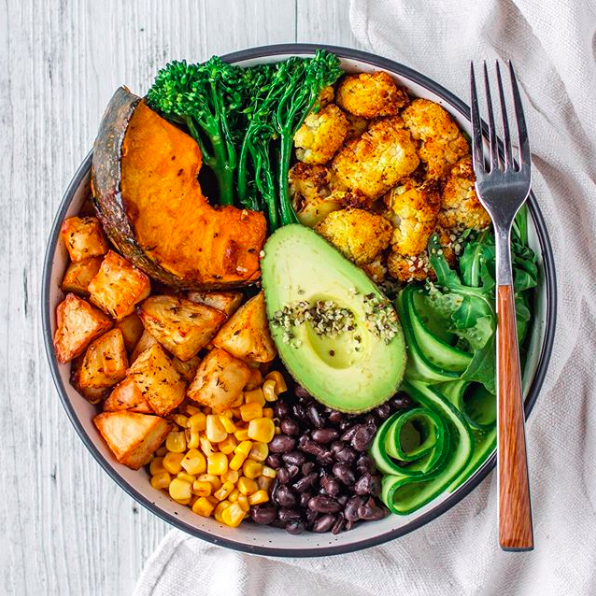
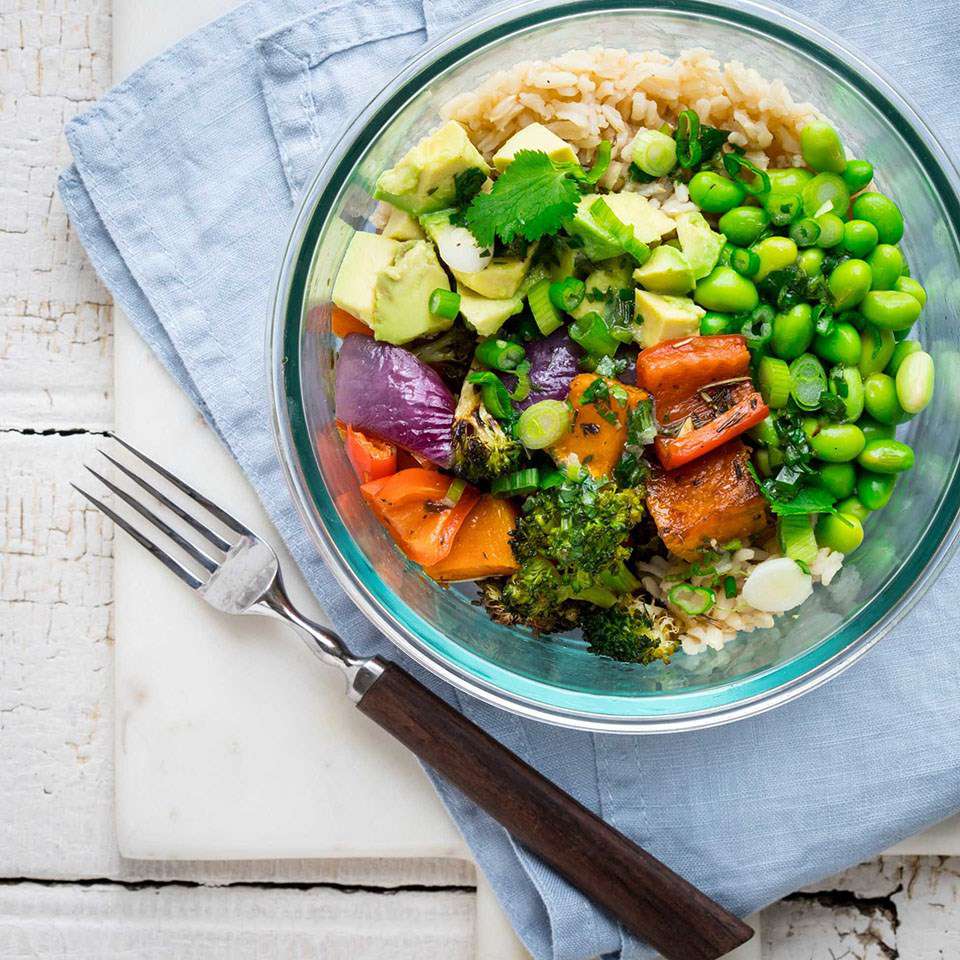
Lunch bowls—also called “nourish bowls” or “Buddha bowls”—are a modern vegetarian favorite. They combine grains, proteins, fresh and roasted vegetables, greens, and flavorful dressings into one nourishing, customizable meal. The concept is simple: layer different textures and flavors to create balance, color, and satisfaction in every bite.
Growing the ingredients yourself makes the experience even more meaningful. Instead of buying plastic-wrapped produce from the store, you can harvest crisp lettuce, juicy tomatoes, or tender carrots minutes before eating. Every bite becomes fresher, healthier, and more sustainable.
A DIY lunch bowl garden focuses on crops that are:
- Quick to grow (many can be harvested in 4–8 weeks)
- Compact (perfect for containers or small raised beds)
- Nutrient-dense (packed with vitamins, minerals, and fiber)
- Visually appealing (because we eat with our eyes first!)
2. Planning Your DIY Veggie Lunch Bowl Garden
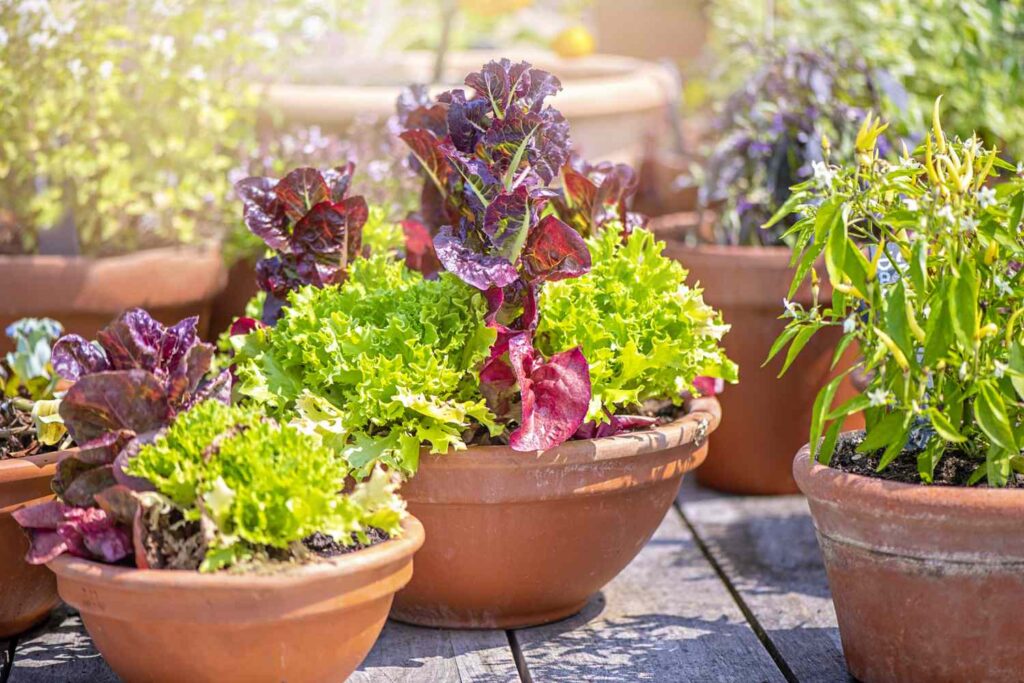
Before planting, consider your available space and sunlight. Most vegetables need at least 6 hours of direct sun daily, though leafy greens can tolerate partial shade. You can design your garden in:
- Raised beds: Great for small backyards and easy to maintain.
- Container gardens: Ideal for patios or balconies.
- Vertical setups: Use hanging baskets or trellises for vining crops like peas or cucumbers.
When planning, think of your garden as divided into five “bowl components”:
- Greens – the base of your bowl
- Vegetables – the bulk of flavor and texture
- Proteins – plant-based sources like beans or lentils
- Grains – optional but easy to supplement from your pantry
- Herbs & Toppings – for freshness and aroma
By growing at least three of these components, you can assemble fresh, homegrown lunch bowls all season long.
3. Best Vegetables and Herbs to Grow for Lunch Bowls
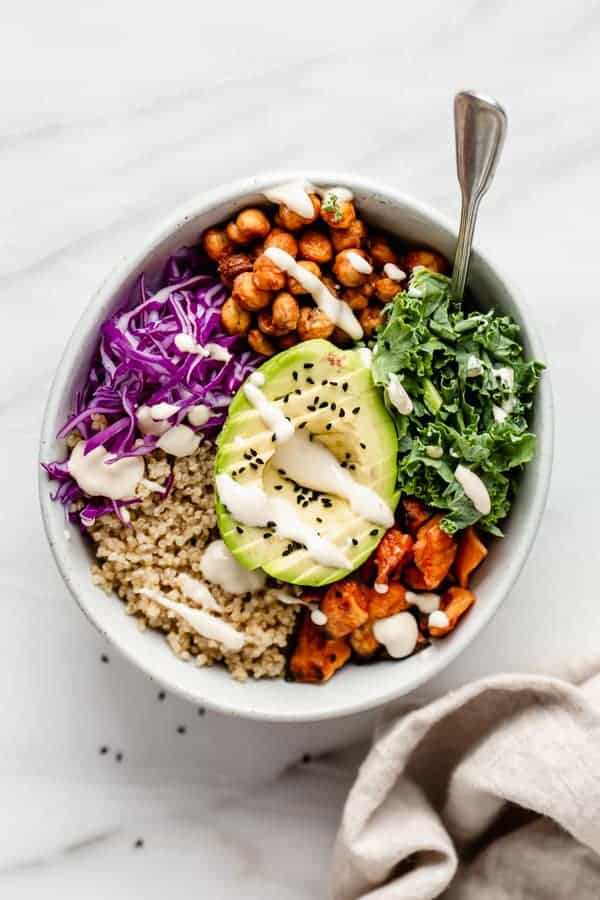
A. The Green Base: Leafy Stars
Leafy greens form the foundation of most veggie bowls. Choose varieties that are fast-growing and can be harvested multiple times.
- Lettuce: Loose-leaf and romaine types thrive in cooler weather and are easy to grow in pots.
- Spinach: Packed with iron and vitamins; harvest the outer leaves regularly.
- Kale: Hardy and productive, adds texture and nutrients to bowls.
- Arugula: Peppery and flavorful; pairs beautifully with grains or roasted veggies.
Tip: Mix seeds for a “cut-and-come-again” garden where new leaves sprout after each harvest.
B. Color and Crunch: Veggie Essentials
Fresh vegetables add vibrant flavor and color to your bowl garden. Choose crops that offer variety and can be eaten raw or lightly cooked.
- Cherry Tomatoes: Sweet, juicy, and ideal for small spaces. Grow in full sun with support stakes.
- Bell Peppers: Add crunch and vitamin C; compact varieties thrive in containers.
- Carrots: Easy to grow in deep planters; use in shredded or roasted form.
- Cucumbers: Refreshing and hydrating—perfect for summer bowls.
- Radishes: Fast-growing (ready in 3–4 weeks) and add zesty flavor.
- Beets: Their roots and greens are both edible, giving you double the harvest.
Pro tip: Stagger planting every few weeks for continuous harvests.
C. Homegrown Protein Power
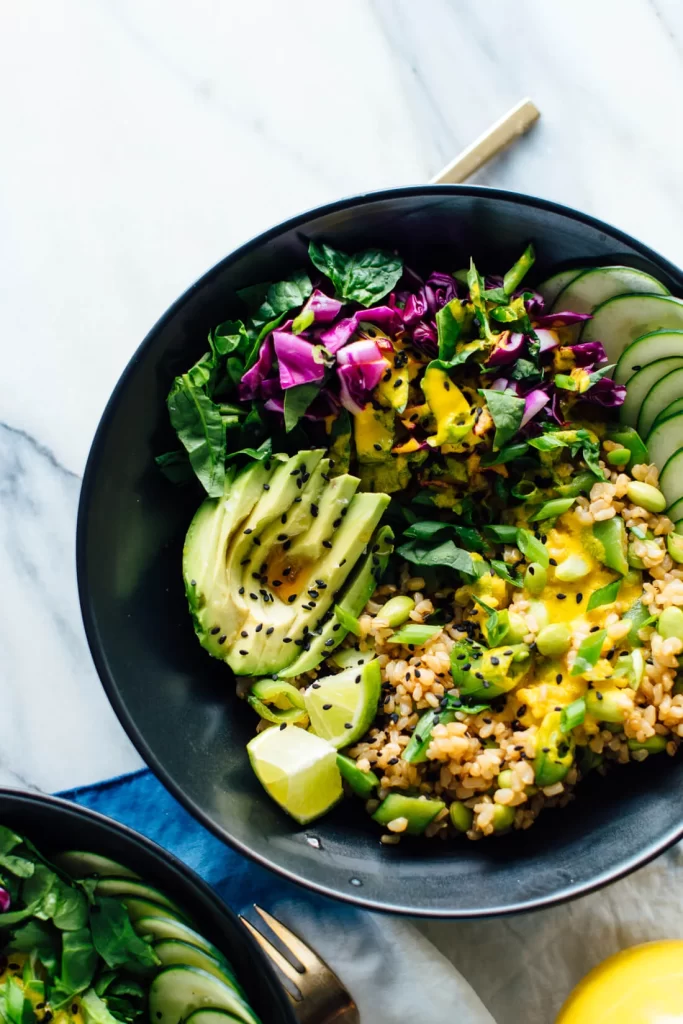
While grains are often store-bought, you can grow plant-based protein sources to make your bowls heartier.
- Beans: Bush beans and pole beans are simple to grow and provide plenty of fiber and protein.
- Peas: Sugar snap or snow peas are perfect for cool seasons and climbing trellises.
- Edamame (soybeans): Ideal for warm climates—steam the pods and add to your lunch bowl.
If you prefer convenience, you can pair your garden veggies with pantry staples like lentils, quinoa, or chickpeas for complete nutrition.
D. Fresh Herbs: The Secret Ingredient
Herbs elevate your lunch bowl with aroma and brightness. They’re easy to grow and can fit even in windowsill pots.
- Basil: Sweet and fragrant; pairs well with tomatoes and grains.
- Cilantro: Refreshing and perfect for Mexican- or Asian-inspired bowls.
- Parsley: Adds a crisp, clean flavor and is nutrient-dense.
- Mint: Ideal for summer bowls with citrus or grains.
- Thyme and Dill: Great for roasted vegetables or creamy dressings.
4. Building and Maintaining Your Garden
Soil and Compost
Healthy soil is the foundation of a productive garden. Use well-draining soil rich in organic matter. Mix in compost made from kitchen scraps and yard waste to boost fertility naturally.
Watering Routine
Most veggies need consistent moisture, especially during early growth and fruiting. Water early in the morning to prevent fungal diseases and evaporation loss.
Pest Control
Opt for natural pest control methods. Companion planting (like basil near tomatoes or marigolds near beans) helps deter harmful insects. You can also use neem oil or a gentle soap spray if pests appear.
Succession Planting
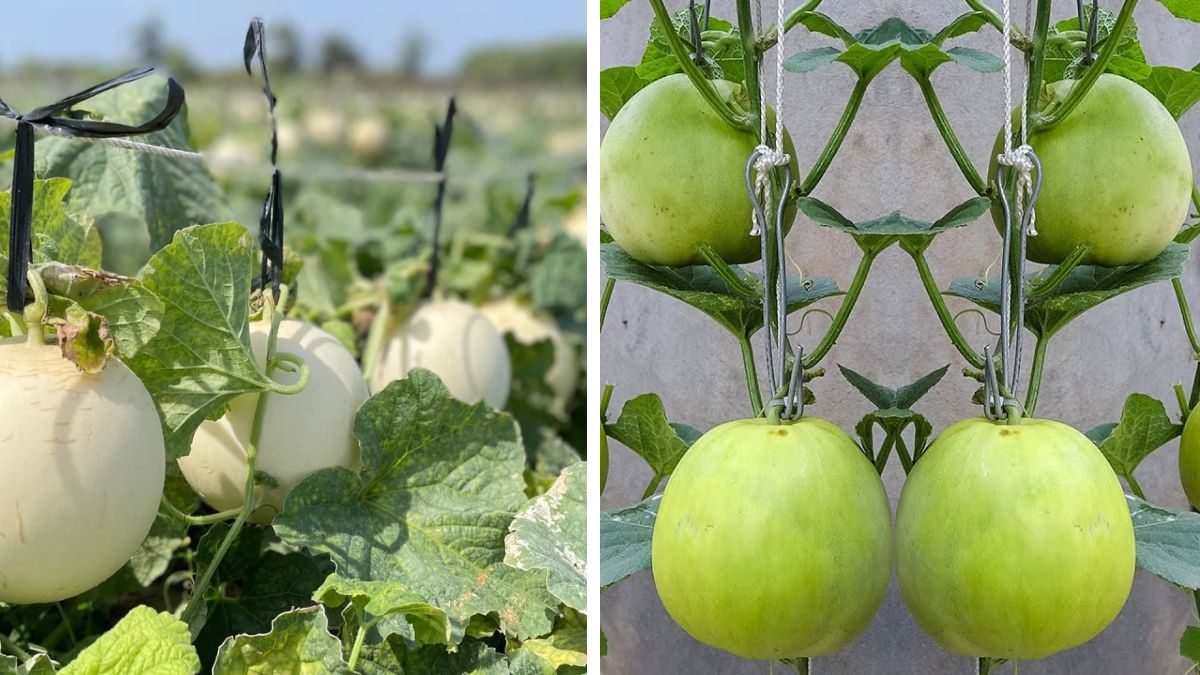
To enjoy fresh produce throughout the season, plant new seeds every 2–3 weeks. This ensures that when one crop finishes, another is ready to harvest.
5. Harvesting for Maximum Flavor
One of the joys of a DIY garden is harvesting at the perfect moment.
- Leafy greens: Pick in the morning when crisp and hydrated.
- Tomatoes and peppers: Harvest when fully colored and slightly soft.
- Herbs: Trim before flowering to maintain strong flavor.
- Root vegetables: Loosen soil gently and pull when firm but not oversized.
Freshness matters—use your harvest within hours for the most nutrient-rich, flavorful meals.
6. Creating Your Own Veggie Lunch Bowls
Now comes the creative and delicious part—assembling your garden harvest into nourishing lunch bowls. The key is balance: include a variety of colors, textures, and nutrients.
Step 1: Choose Your Base
Start with greens like lettuce, kale, or spinach. These provide fiber and vitamins while giving your bowl volume.
Step 2: Add Grains
If you’re not growing grains, use pantry staples such as quinoa, brown rice, farro, or couscous. These add satisfying texture and make your bowl more filling.
Step 3: Layer Veggies
Add roasted, raw, or grilled vegetables from your garden. For example:
- Roasted beets and carrots for sweetness
- Fresh cucumber and radish for crunch
- Sliced cherry tomatoes for juiciness
Step 4: Include Protein
Add your homegrown beans or peas, or mix in cooked lentils or chickpeas for an extra boost of protein and fiber.
Step 5: Garnish with Herbs & Dressings
Top your bowl with freshly chopped herbs and drizzle with a homemade dressing. Try these combinations:
- Lemon-Tahini Dressing: Great with roasted veggies and grains.
- Herbed Yogurt Sauce: Perfect for cucumber-based bowls.
- Citrus Vinaigrette: Brightens up leafy greens and tomatoes.
Step 6: Add Crunch
Finish with nuts, seeds, or homemade croutons for texture.
7. Seasonal Bowl Inspiration
Your garden will evolve through the seasons, and so can your lunch bowls.
- Spring Bowl: Spinach, radishes, peas, and lemon vinaigrette.
- Summer Bowl: Tomatoes, cucumbers, basil, and quinoa with olive oil drizzle.
- Autumn Bowl: Roasted carrots, kale, beets, and warm tahini sauce.
- Winter Bowl: Cold-hardy greens, sprouted beans, and hearty lentils.
Each season offers new colors, flavors, and nutrients to enjoy—keeping your lunch routine exciting and diverse.
8. The Joy of Growing and Eating Mindfully
A DIY veggie lunch bowl garden isn’t just about food—it’s about lifestyle. Growing what you eat fosters mindfulness, reduces waste, and builds a deeper appreciation for every meal. You’ll notice subtle changes: how the scent of basil can lift your mood, how harvesting greens feels like therapy, and how your meals taste richer because you nurtured each ingredient.
This connection to your food encourages healthier habits too. You’re more likely to eat fresh vegetables daily when they’re growing right outside your door. It’s sustainable, cost-effective, and incredibly rewarding.
Conclusion: From Garden to Lunch Bowl, A Full Circle of Nourishment
“Grow What You Eat” isn’t just a phrase—it’s a philosophy that turns gardening into a daily act of wellness. By planting your own lunch bowl garden, you cultivate more than vegetables; you cultivate creativity, balance, and gratitude.
Every seed becomes a potential meal, every harvest a moment of fulfillment. With a little planning, care, and imagination, your backyard—or even your balcony—can become a source of endless vegetarian inspiration. So roll up your sleeves, plant those seeds, and let your garden feed both your body and your soul—one fresh, colorful lunch bowl at a time.