There’s something deeply satisfying about stepping outside, gathering fresh ingredients straight from your backyard, and transforming them into a wholesome brunch that delights the senses. A backyard garden isn’t just a collection of plants—it’s a living pantry that connects you to the rhythm of the seasons, the flavor of the earth, and the joy of mindful cooking. For vegetarians, this connection is especially meaningful, as each harvest offers a chance to create colorful, nutrient-rich dishes that celebrate freshness and sustainability.
This article explores how to grow, plan, and cook for the perfect garden-to-brunch experience—whether you’re tending a few raised beds or a full backyard oasis. From choosing versatile plants to crafting irresistible vegetarian brunch dishes, we’ll guide you through the process of bringing your garden bounty to the table in style.
1. The Beauty of a Brunch Garden
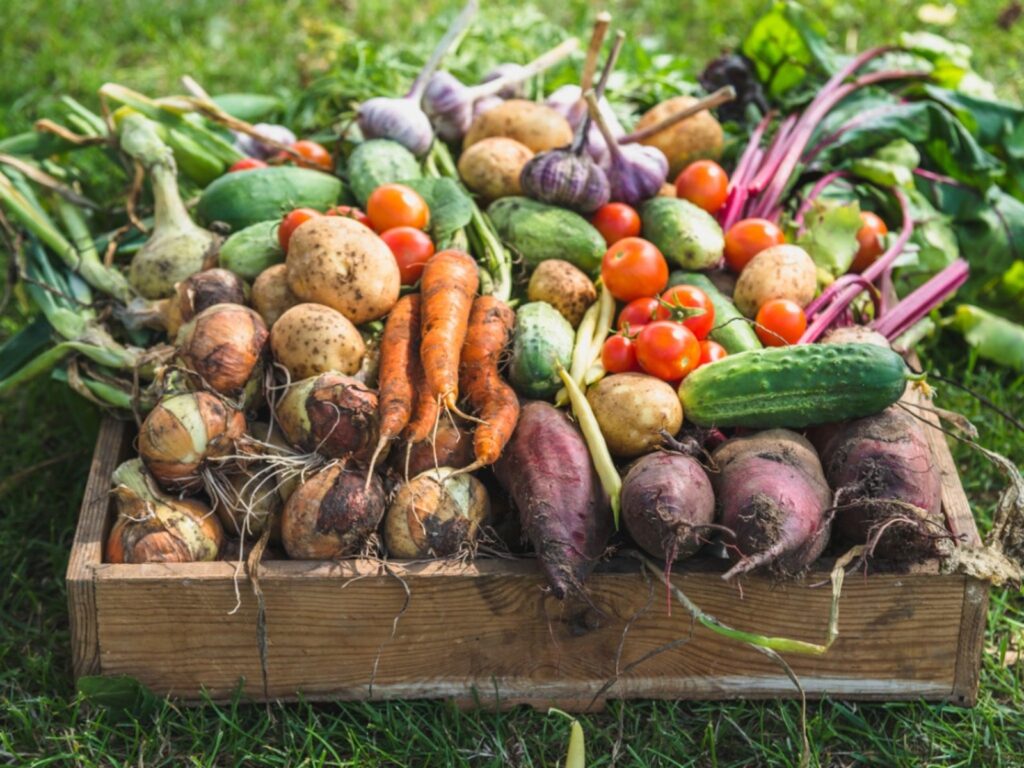
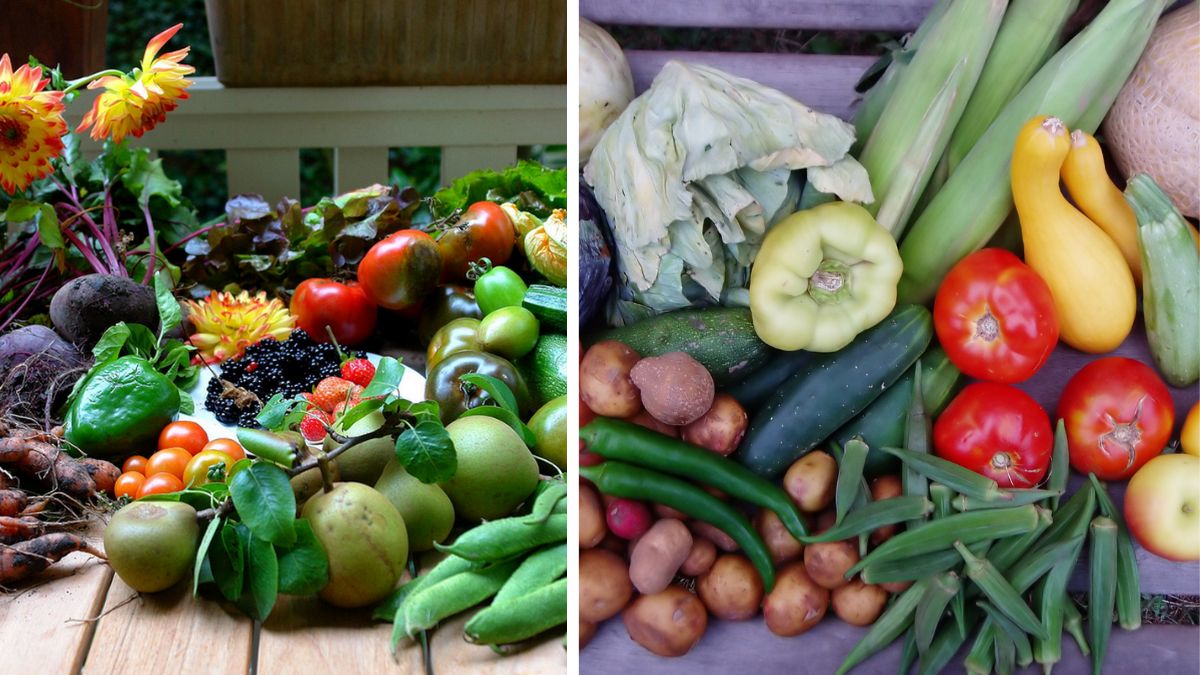
Brunch is a meal that thrives on freshness, color, and creativity—all qualities you can cultivate right in your backyard. A garden designed with brunch in mind features produce that pairs beautifully with eggs, grains, breads, and plant-based proteins. Think of tender greens for omelets and frittatas, herbs for garnishing, tomatoes for toasts and salads, and root veggies for hearty hash recipes.
Growing your own ingredients not only ensures the highest quality but also gives you a deeper appreciation for seasonal eating. You’ll notice that spring brunches lean toward leafy greens and crisp radishes, while late summer brings juicy tomatoes and sweet peppers perfect for savory spreads.
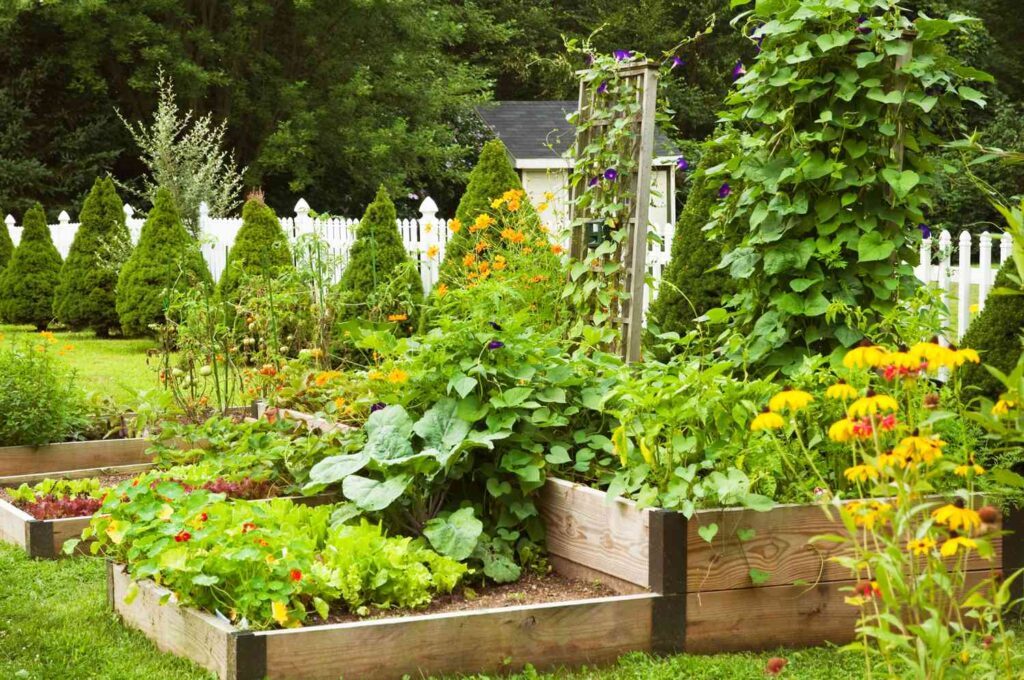
A “brunch garden” can thrive even in small spaces. Use raised beds or container gardens for herbs and greens, hanging baskets for strawberries or cherry tomatoes, and vertical trellises for vining crops like cucumbers and peas. With thoughtful planning, you can harvest fresh ingredients for brunch nearly all year long.

2. Choosing the Right Vegetables and Herbs
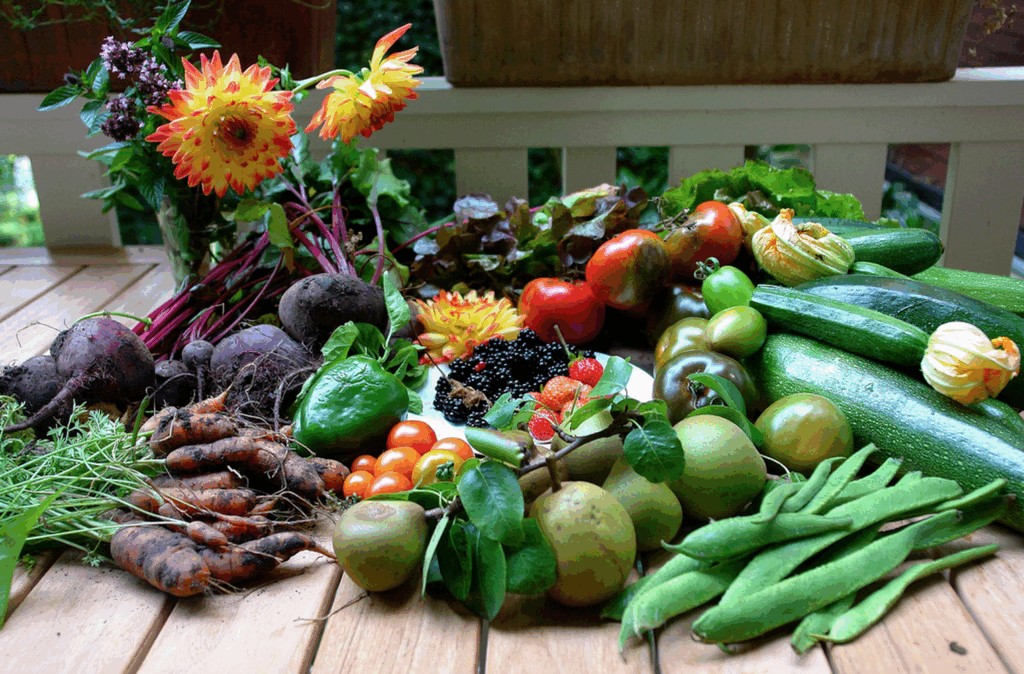
When planning your backyard garden for brunch-focused meals, versatility is key. Choose vegetables and herbs that can shine in multiple recipes, from simple salads to cooked dishes. Here are some must-grow options:
Leafy Greens:
- Spinach and Swiss Chard: Great for egg bakes, quiches, or green smoothies.
- Kale: Adds a nutritious punch to breakfast bowls or sautéed with garlic for a side dish.
- Lettuce and Arugula: Perfect for light brunch salads or topping avocado toast.
Vegetables:
- Tomatoes: The heart of many brunch dishes—roasted with olive oil, tossed in salads, or sliced for sandwiches.
- Bell Peppers: Bright, crisp, and ideal for vegetable frittatas or roasted sides.
- Zucchini: Shredded into fritters, added to muffins, or sliced for grilled vegetable platters.
- Carrots and Beets: Great for roasted vegetable medleys or grated into veggie pancakes.
Herbs:
- Basil, Cilantro, and Parsley: Fresh herbs instantly elevate scrambled eggs, dips, and spreads.
- Mint: Perfect for fresh fruit salads, smoothies, or tea infusions.
- Thyme and Rosemary: Add earthy flavor to roasted vegetables and savory pastries.
Having a mix of fast-growing crops (like herbs and greens) and slower ones (like tomatoes and peppers) ensures a steady harvest.
3. Harvesting for Flavor and Freshness
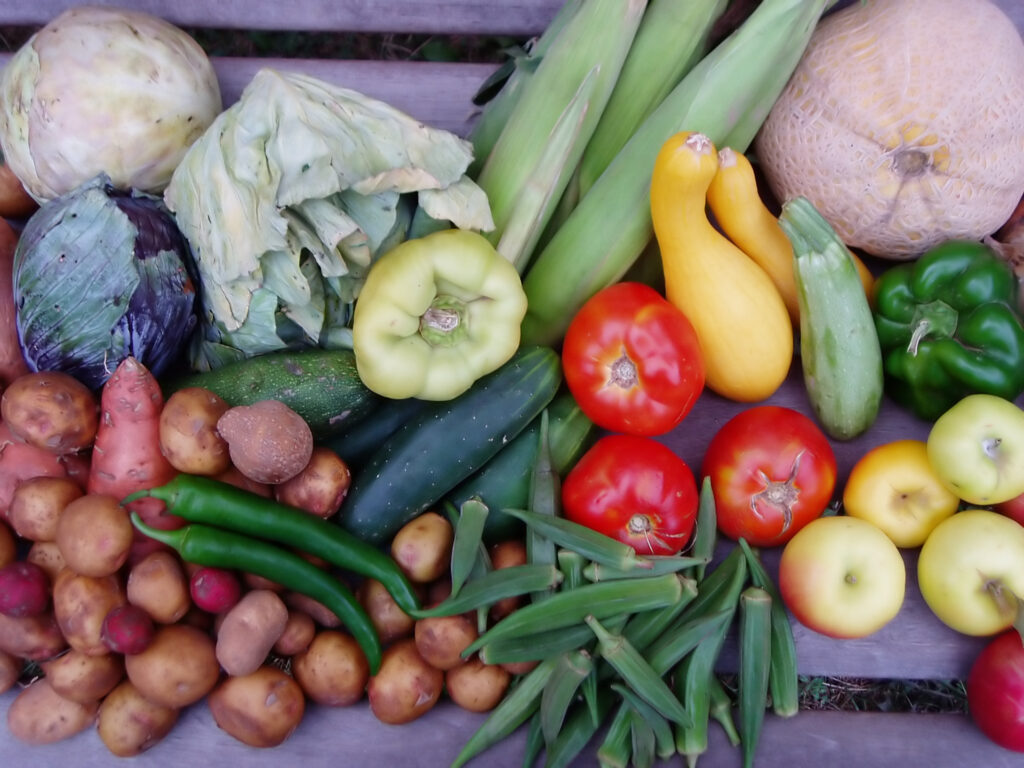
Timing is everything when it comes to harvesting your garden bounty. The flavor and texture of vegetables can change dramatically depending on when you pick them.
- Leafy greens taste best when harvested young and tender. Regular picking encourages continuous growth.
- Tomatoes should be allowed to ripen on the vine for full sweetness and color.
- Herbs are most flavorful just before flowering; trim them regularly to encourage new growth.
- Root vegetables like carrots and beets should be pulled when they’re firm but not oversized, to avoid becoming woody.
Once harvested, rinse your produce in cool water and pat it dry. Keep herbs fresh by storing them in a glass of water like cut flowers, or wrap greens in a damp towel in the fridge.
4. Creating a Brunch Menu from Your Backyard
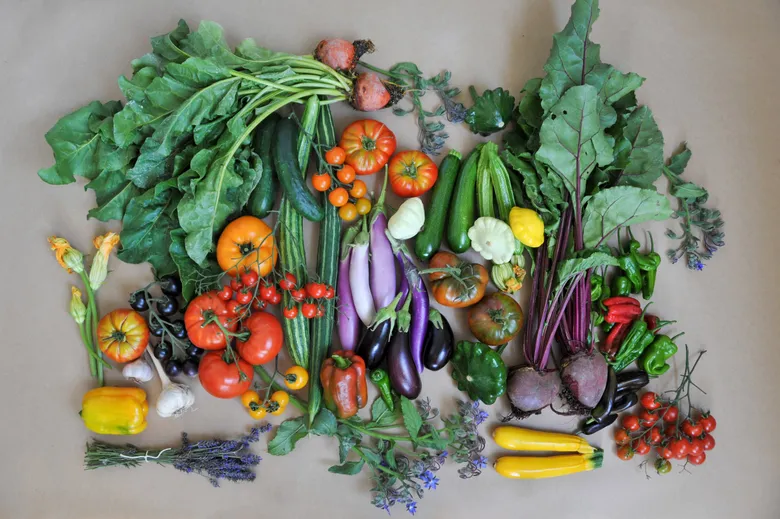
Now comes the fun part—turning your garden produce into a vibrant, vegetarian brunch feast. Here are some inspiring dish ideas that highlight the flavors of homegrown ingredients:
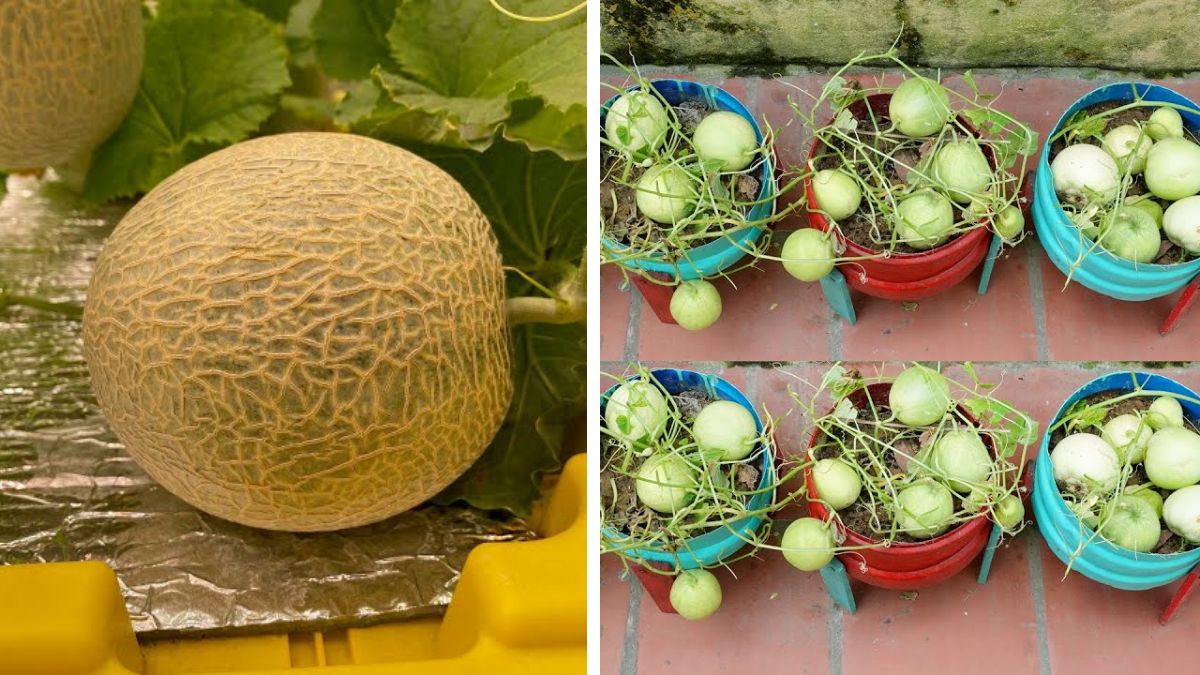
Garden Frittata with Fresh Herbs
Whisk together eggs (or a chickpea flour base for a vegan version), diced tomatoes, bell peppers, spinach, and fresh herbs. Bake until golden and fluffy. It’s a versatile dish that showcases whatever’s fresh in your garden that week.
Zucchini and Carrot Fritters
Grate zucchini and carrots, squeeze out excess moisture, and mix with a little flour, herbs, and seasoning. Pan-fry into crisp fritters and serve with a dollop of herbed yogurt or cashew cream.
Tomato Basil Toasts
Layer thick slices of garden-fresh tomatoes over toasted bread rubbed with garlic and drizzled with olive oil. Add basil leaves and a sprinkle of sea salt for a simple yet luxurious dish.
Herbed Potato Hash
Dice homegrown potatoes and sauté them with onions, bell peppers, and rosemary until crispy. Pair with a poached egg or vegan tofu scramble for a hearty, satisfying brunch.
Garden Smoothie Bowl
Blend spinach, kale, or beet greens with seasonal fruit and top with nuts, seeds, and edible flowers from your garden. It’s a refreshing way to start the day with color and nutrients.
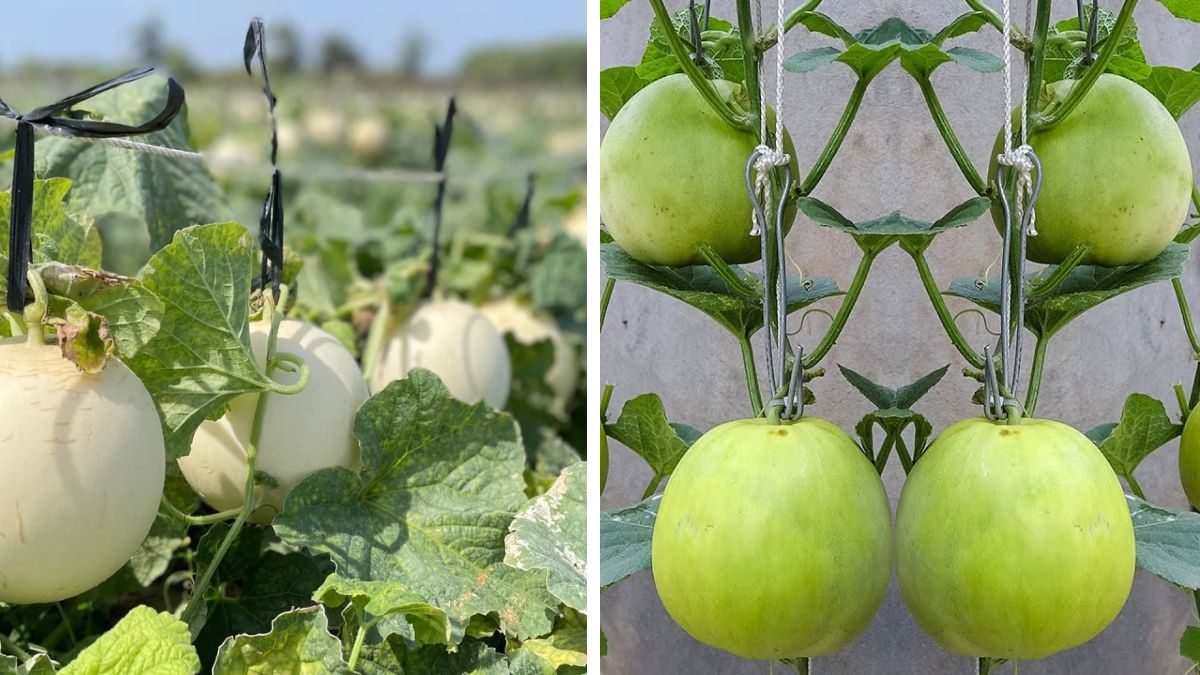
Minted Fruit Salad
Combine strawberries, melons, or citrus fruits with freshly chopped mint leaves. Drizzle with a hint of honey or lime juice for a bright, cooling dish.
5. Sustainable Practices for a Thriving Garden
To keep your brunch garden productive and eco-friendly, focus on sustainability from soil to plate.
- Composting: Recycle kitchen scraps and garden waste into nutrient-rich compost to feed your soil naturally.
- Water Conservation: Use mulch and drip irrigation to minimize water waste, especially during dry months.
- Pollinator Support: Plant flowers like marigolds, lavender, and sunflowers to attract bees and butterflies, which help boost yields.
- Companion Planting: Grow certain plants together—like basil with tomatoes or carrots with onions—to deter pests and improve growth.
By nurturing your garden with care, you’re not only ensuring fresh produce but also supporting local biodiversity and reducing your carbon footprint.
6. Setting the Scene for the Perfect Garden Brunch
Part of the charm of a garden-to-table brunch is the atmosphere. Bring your meal outdoors to enjoy the sensory experience your garden provides. Set up a rustic table with natural elements—linen napkins, wooden serving boards, and small jars of flowers or herbs as centerpieces.
You can also create themed brunches based on what’s in season:
- Spring Brunch: Herb omelets, radish toasts, and citrus salads.
- Summer Brunch: Tomato galettes, zucchini muffins, and fruit smoothies.
- Autumn Brunch: Roasted root vegetable hash and beet pancakes.
- Winter Brunch: Warm soups with garden herbs and homemade bread.
Play soft music, brew herbal tea from your mint or chamomile patch, and let nature be your backdrop.
7. From Garden to Gratitude
The beauty of a backyard garden brunch goes beyond the food itself—it’s about mindfulness, gratitude, and connection. Each seed planted represents patience and care; each dish shared symbolizes the rewards of nurturing both the earth and yourself.
By growing your own produce and transforming it into delicious vegetarian meals, you create a full-circle experience—one that nourishes the body, calms the mind, and brings joy to those gathered around your table.
Whether you’re serving a simple herb omelet or an elaborate garden spread, the essence remains the same: a celebration of freshness, creativity, and the comforting flavors of home.
In essence, “Backyard Garden to Brunch” isn’t just a way to cook—it’s a way to live. It’s about embracing the rhythms of nature, savoring the fruits of your own labor, and turning everyday ingredients into extraordinary moments. So grab your basket, step into the garden, and let your backyard inspire your next unforgettable vegetarian brunch.