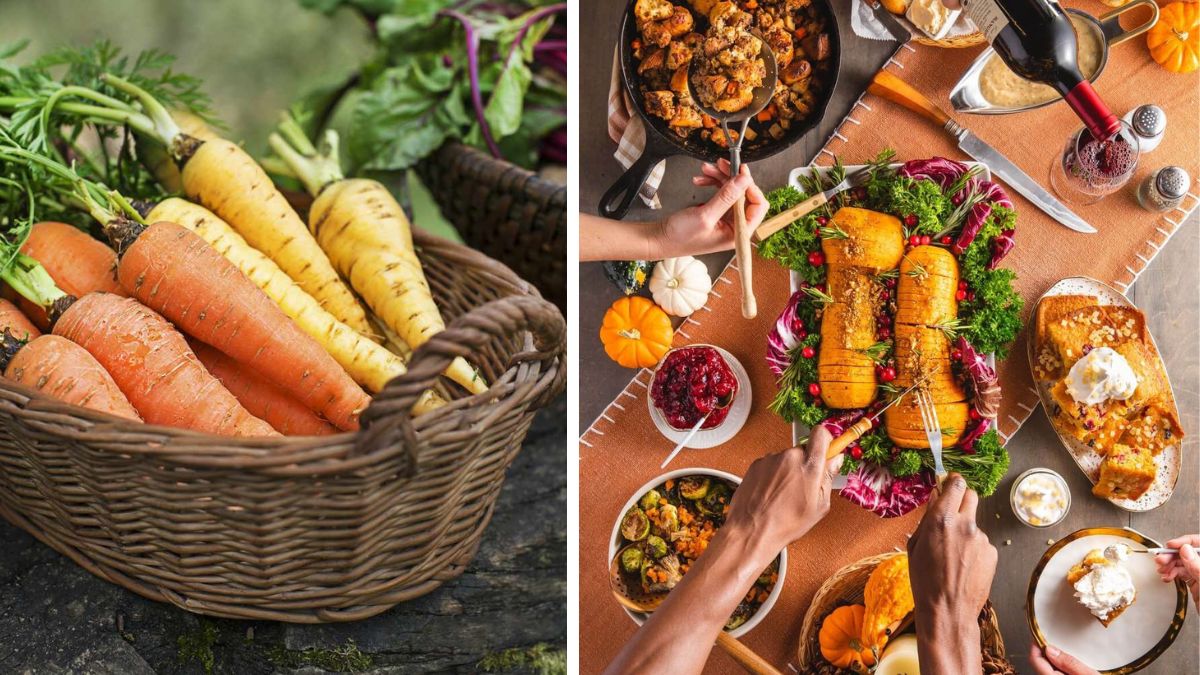
Thanksgiving is a celebration of abundance — a time when the table overflows with comfort foods, warm flavors, and the joy of gathering. For those embracing a plant-based lifestyle, the holiday offers a chance to show that vegan dishes can be just as hearty, flavorful, and festive as any traditional feast. The secret lies in growing your own fall vegetables, the stars of the season that thrive in cool weather and bring rich, earthy tones to every plate.
In this article, we’ll explore the best fall veggies to grow for creating unforgettable vegan Thanksgiving sides — from creamy mashed potatoes and roasted carrots to golden squash bakes and herb-infused stuffing. You’ll learn what to plant, when to harvest, and how to transform your garden bounty into comforting, cruelty-free holiday dishes that everyone will love.
1. The Beauty of Fall Gardening
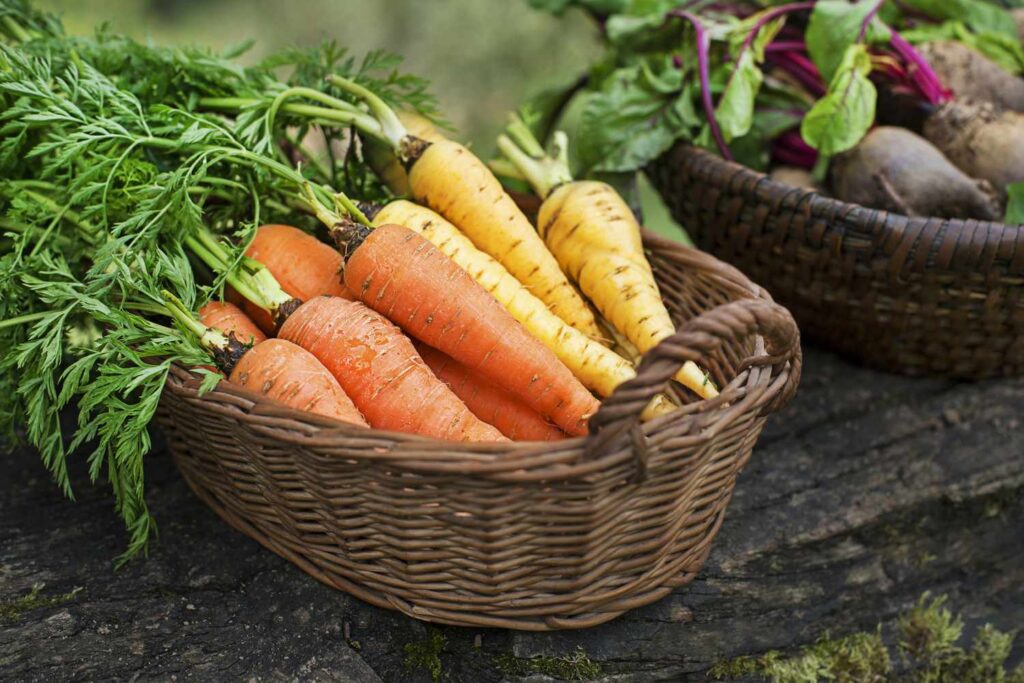
Fall is one of the most rewarding seasons for gardening. As summer fades, cooler temperatures and gentle sunlight create the perfect growing conditions for hearty vegetables that love crisp air. Many of these crops even taste sweeter after a light frost, as the plants convert starches to sugar for protection.
For vegan cooks, fall’s harvest is pure inspiration — a palette of colors and textures to build nourishing, flavorful sides that celebrate nature’s bounty. Whether you’re cultivating a backyard garden or a few raised beds, these seasonal vegetables can fill your Thanksgiving table with freshness, variety, and homegrown charm.
2. Planning Your Fall Garden
Timing is everything when it comes to fall gardening. Most cool-weather vegetables should be planted 6–10 weeks before the first frost, allowing them to mature while temperatures are mild.
Tips for a thriving fall garden:
- Check frost dates: Use your local frost calendar to plan planting.
- Start from transplants or quick-growing seeds: Fall days are shorter, so opt for varieties that mature quickly.
- Use mulch: It keeps soil warm and retains moisture.
- Protect late crops: Row covers or cold frames extend harvests into November and beyond.
A well-planned fall garden ensures that by the time Thanksgiving arrives, your produce is fresh, flavorful, and ready to become the foundation of your vegan feast.
3. Potatoes – The Heart of Comfort Food
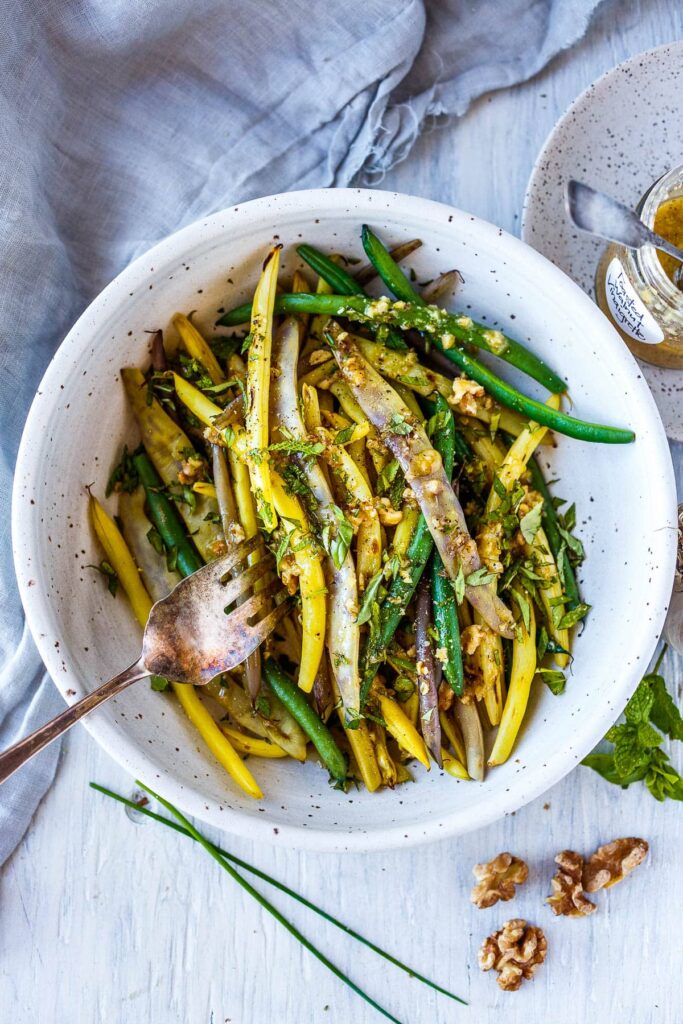
No Thanksgiving is complete without mashed potatoes — creamy, fluffy, and soul-soothing. Growing your own adds an unbeatable freshness and texture.
Best Varieties for Fall:
- Yukon Gold: Buttery and rich — perfect for mashing.
- Russet: Great for roasting or baking.
- Red Norland: Quick-growing and flavorful.
Growing Tips:
- Plant seed potatoes in late summer in loose, well-drained soil.
- Hill soil around stems as plants grow to protect tubers.
- Harvest when foliage dies back.
Vegan Side Idea:
Try garlic mashed potatoes made with olive oil, roasted garlic, and a splash of oat milk — silky, savory, and 100% dairy-free.
4. Carrots – Sweet, Colorful, and Versatile
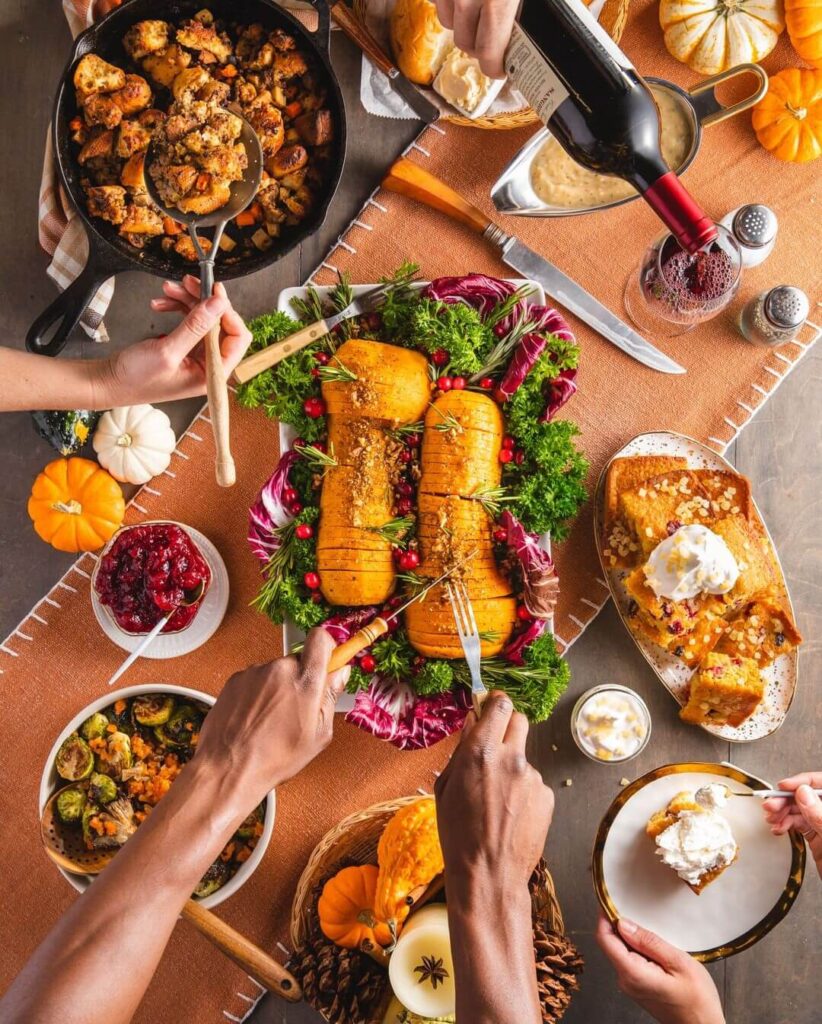
Carrots love cool weather, and fall-grown ones are exceptionally sweet due to the sugar-starch conversion triggered by frost.
Best Varieties:
- Nantes: Sweet and crisp.
- Danvers: Classic and easy to grow.
- Purple Dragon: Adds vibrant color to the table.
Growing Tips:
- Sow seeds directly in the ground 8–10 weeks before frost.
- Keep soil moist but not soggy.
- Harvest once roots are full-sized and firm.
Vegan Side Idea:
Serve maple-roasted carrots with thyme and sea salt, caramelized to perfection. For a twist, use multicolored varieties for a rainbow effect on your Thanksgiving platter.
5. Sweet Potatoes – Naturally Creamy and Nutritious
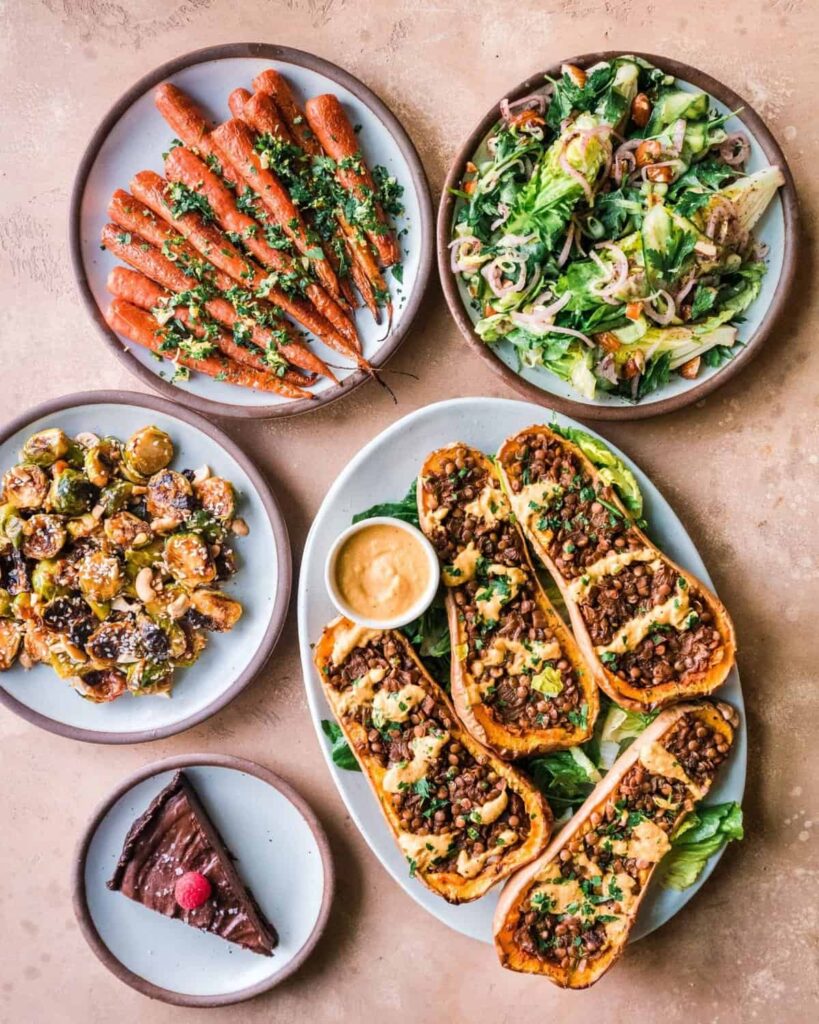
Sweet potatoes are a vegan favorite, blending flavor, texture, and nutrition in one orange-hued package. They thrive in late summer warmth and store beautifully through the fall.
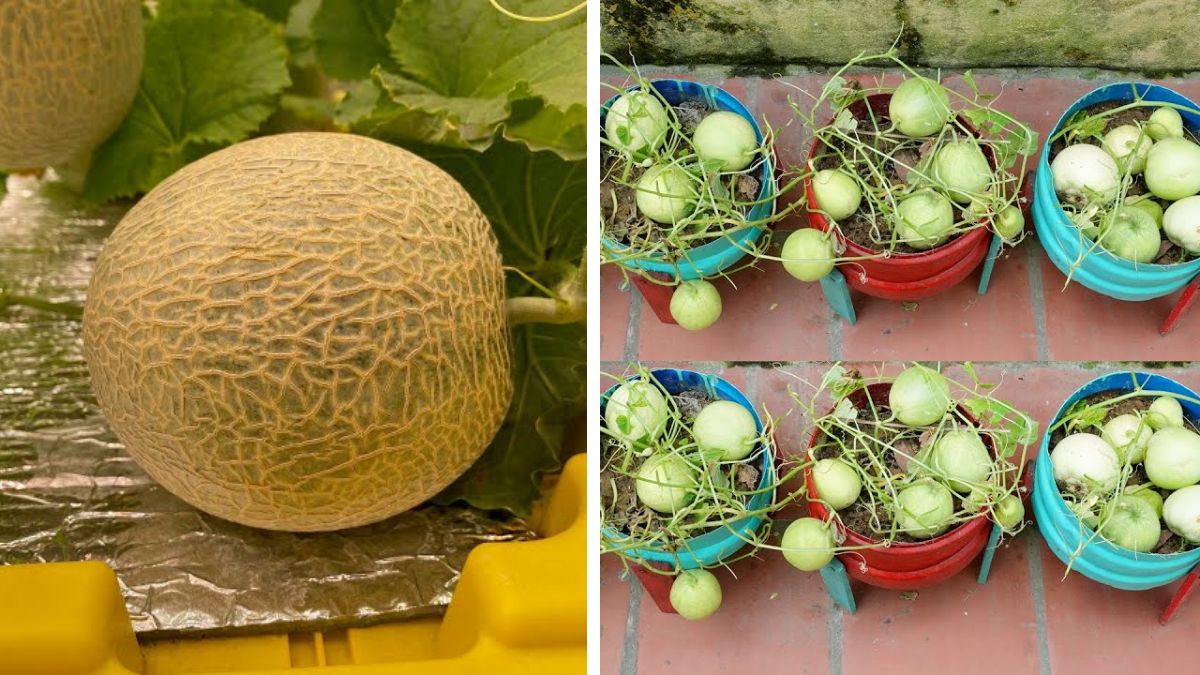
Best Varieties:
- Beauregard: Classic flavor and dependable yields.
- Covington: Rich orange flesh and natural sweetness.
- Japanese (Murasaki): White flesh with a nutty flavor.
Growing Tips:
- Plant slips (young shoots) about 12–16 weeks before frost.
- Loosen soil deeply for tuber expansion.
- Cure harvested roots in a warm, dry place for 1–2 weeks to enhance sweetness.
Vegan Side Idea:
Create sweet potato casserole with coconut milk and pecan crumble — a dairy-free delight that balances sweetness and spice.
6. Brussels Sprouts – The Star of the Vegan Roast
Once unpopular, Brussels sprouts have made a comeback, especially when roasted until crisp and caramelized. Their nutty, savory taste pairs perfectly with plant-based holiday meals.
Growing Tips:
- Start seeds indoors in midsummer and transplant by late July.
- Sprouts mature slowly and are sweetest after a frost.
- Harvest from the bottom up once firm.
Vegan Side Idea:
Toss roasted Brussels sprouts with balsamic glaze and toasted almonds, or sauté with garlic and lemon for a bright, festive flavor.
7. Butternut and Acorn Squash – The Creamy Centerpiece Veggies
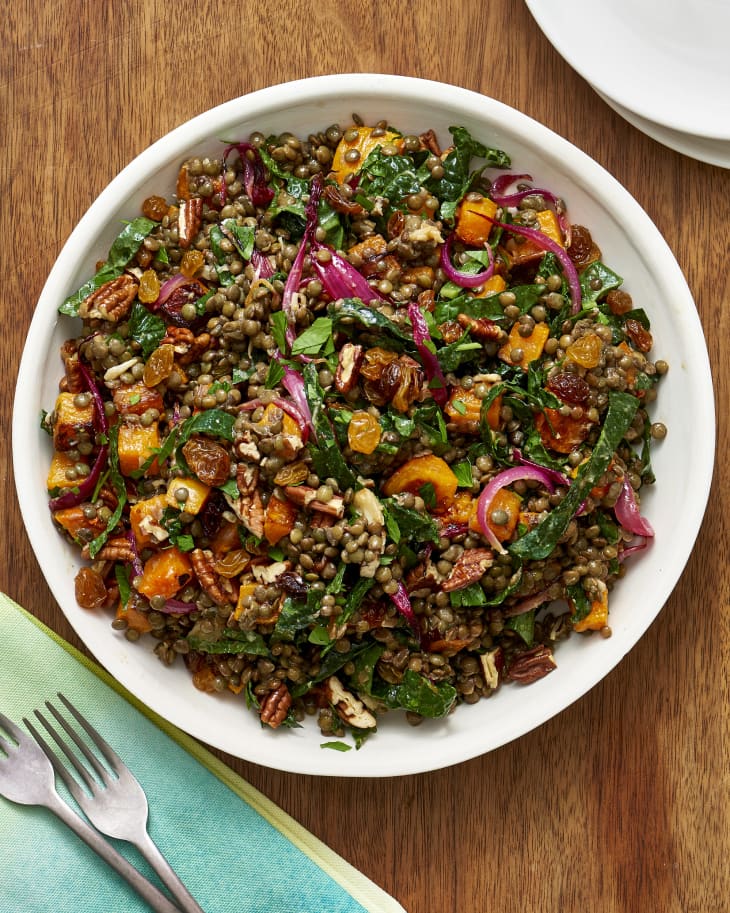
Fall squash are the jewels of the Thanksgiving table — rich, creamy, and versatile. They can be roasted, mashed, stuffed, or pureed into soups.
Best Varieties:
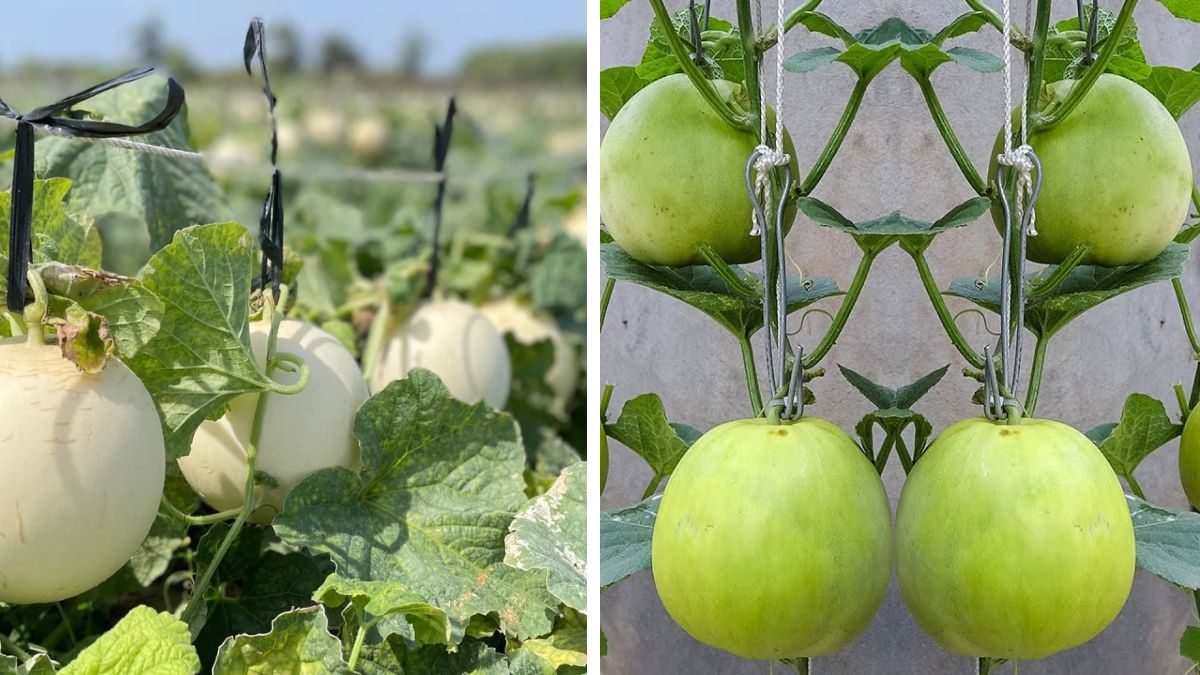
- Butternut: Smooth, sweet flesh — perfect for soups or purees.
- Acorn: Ideal for roasting and stuffing.
- Delicata: Edible skin and mild flavor.
Growing Tips:
- Plant in early summer for a fall harvest.
- Provide plenty of space — vines spread wide.
- Harvest when the rind hardens and turns deep in color.
Vegan Side Idea:
Serve roasted butternut squash with maple-tahini drizzle, or stuffed acorn squash with quinoa, cranberries, and kale — elegant, filling, and fully plant-based.
8. Kale and Collard Greens – The Supergreens of Fall
Greens thrive in cool weather and keep producing deep into winter. Their nutrient density makes them perfect for balancing heavier Thanksgiving dishes.
Growing Tips:
- Sow directly in late summer for fall harvest.
- Pick leaves from the bottom to encourage new growth.
- Frost enhances flavor and tenderness.
Vegan Side Idea:
Whip up garlic-sautéed kale with lemon zest, or a collard green and lentil stew as a hearty side that complements your main courses beautifully.
9. Beets – Earthy Goodness with a Colorful Twist
Beets bring vibrant color and deep flavor to your Thanksgiving spread. They’re easy to grow, store well, and offer both edible roots and greens.
Best Varieties:
- Chioggia: Red-and-white rings, mildly sweet.
- Golden Beet: Milder flavor and less staining.
- Detroit Dark Red: Classic variety with rich color.
Growing Tips:
- Sow seeds directly 8–10 weeks before frost.
- Thin seedlings to allow room for bulb growth.
- Store in a cool, dark place after harvesting.
Vegan Side Idea:
Make roasted beet and orange salad with balsamic glaze, or beet mash with rosemary for a colorful twist on classic sides.
10. Herbs – The Flavor Foundation
Fresh herbs are the backbone of every great Thanksgiving meal. Growing them in your fall garden ensures your vegan dishes burst with aroma and depth.
Must-Grow Fall Herbs:
- Sage: Classic in stuffing and roasted veggies.
- Thyme: Earthy and aromatic, ideal for potatoes and squash.
- Rosemary: Perfect for savory roasts.
- Parsley: Adds freshness and color to sides.
Vegan Side Idea:
Add chopped herbs to wild rice stuffing with mushrooms, or infuse roasted vegetables with rosemary and thyme for an unforgettable aroma.
11. Storing and Preserving Your Fall Harvest
A well-grown fall garden can feed you long after Thanksgiving. Preserve your surplus for winter meals:
- Root Cellaring: Store potatoes, carrots, and beets in a cool, dark place.
- Freezing: Blanch greens or roasted veggies before freezing.
- Drying Herbs: Hang herbs upside down until crisp, then store in airtight jars.
- Canning: Preserve pumpkin puree, tomato sauce, or pickled beets for later use.
Preservation ensures your hard work continues to nourish you through the colder months.
12. Creating the Perfect Vegan Thanksgiving Plate
When your garden becomes your pantry, every dish tells a story of care and sustainability. Combine your harvest into a stunning vegan feast:
- Main: Stuffed acorn squash with quinoa and mushrooms.
- Sides: Garlic mashed potatoes, maple-glazed carrots, roasted Brussels sprouts.
- Salad: Kale and beet salad with tahini dressing.
- Finisher: Sweet potato casserole with spiced pecans.
Together, these dishes create a menu that’s vibrant, wholesome, and deeply satisfying — proof that plant-based Thanksgivings can be indulgent and celebratory.
13. Conclusion: Growing Gratitude from the Ground Up
Thanksgiving is about more than just food — it’s about gratitude. When you grow your own fall vegetables, you cultivate that gratitude from the soil itself. Every seed planted becomes a reminder of patience, growth, and nourishment.
By filling your garden with fall vegetables like potatoes, carrots, squash, and greens, you’re not just preparing for a meal — you’re creating a sustainable, mindful tradition that honors both the Earth and your table.
This Thanksgiving, let your vegan sides tell a story of homegrown abundance. From garden to plate, each bite will carry the warmth of the season — fresh, flavorful, and full of gratitude.