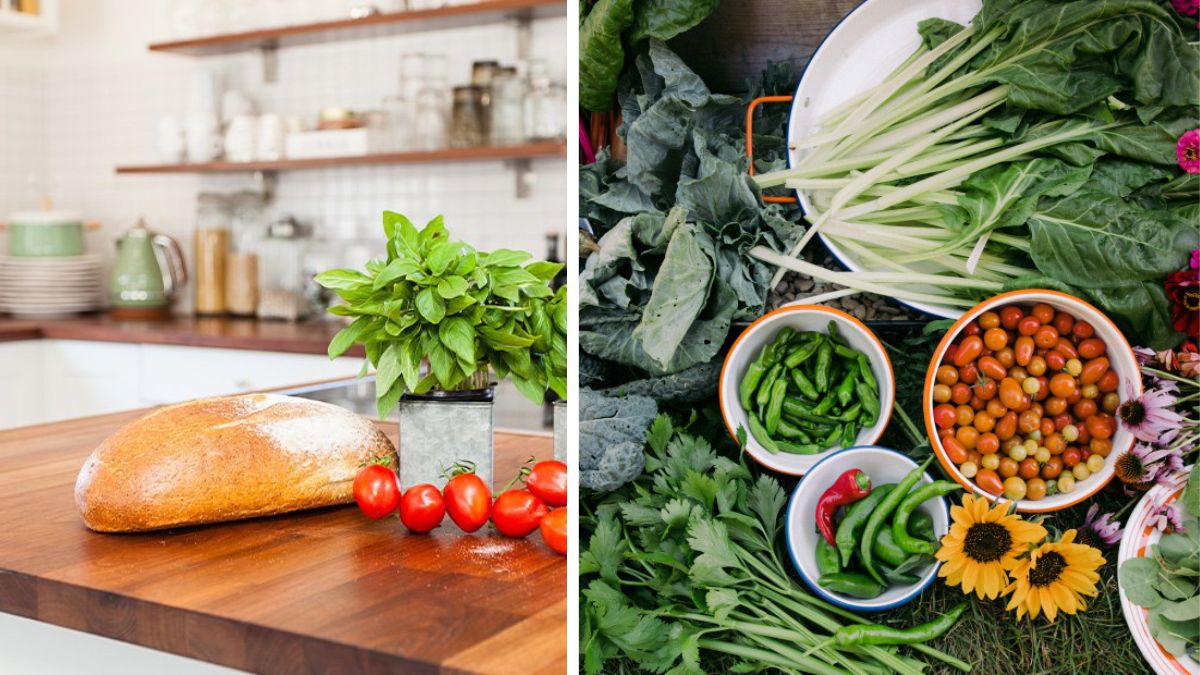
Imagine stepping outside your kitchen and picking fresh herbs for a spring salad, vine-ripened tomatoes for a summer pasta, or crisp carrots for a winter stew. That’s the beauty of seasonal kitchen gardening — the art of growing your own vegetables and herbs throughout the year to create healthy, homegrown meals no matter the season.
A year-round garden not only fills your plate with flavor and nutrition but also deepens your connection to nature’s cycles. By understanding what grows best in each season and planning accordingly, you can enjoy a steady supply of fresh ingredients straight from your backyard, balcony, or windowsill.
This article explores in detail how to plan, plant, and maintain a seasonal kitchen garden that keeps your meals fresh, colorful, and delicious every month of the year.
1. The Philosophy of Seasonal Kitchen Gardening
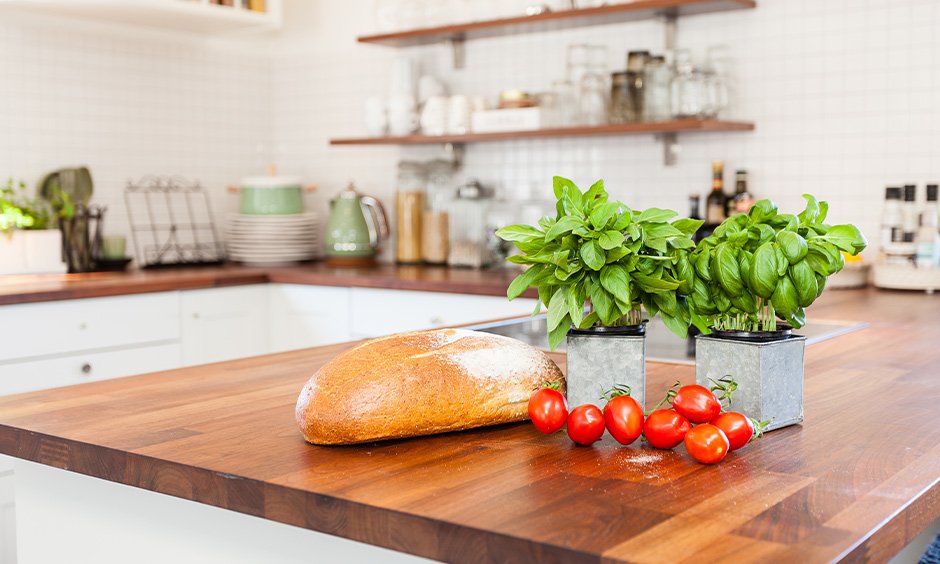
Seasonal kitchen gardening is about harmony — aligning your planting and cooking with nature’s rhythm. Instead of relying on imported or out-of-season produce, you grow what thrives locally in each climate phase.
Benefits include:
- Fresher, tastier meals: Produce harvested at its peak has unmatched flavor.
- Nutritional advantage: Seasonal veggies contain the nutrients your body needs at that time of year.
- Sustainability: Growing your own food reduces packaging waste and transport emissions.
- Savings: Fresh, organic produce from your backyard costs far less than store-bought.
A well-planned garden can yield continuously — spring greens, summer fruits, fall roots, and winter herbs — turning your kitchen into a year-round celebration of freshness.
2. Planning for a Year-Round Harvest
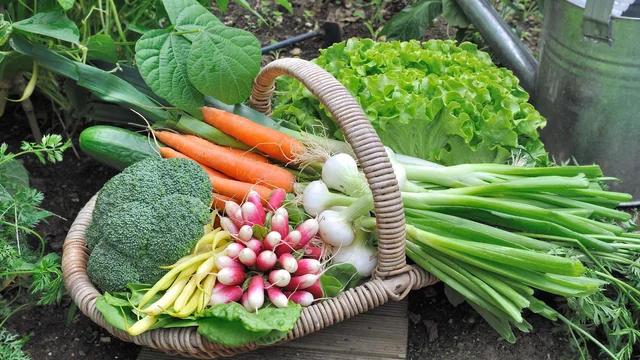
Successful year-round gardening begins with strategic planning. Each vegetable has its preferred growing conditions — temperature, sunlight, and soil type. To ensure steady yields:

- Divide your garden by season: Assign areas for spring, summer, fall, and winter crops.
- Use crop rotation: Rotate plant families each season to prevent soil depletion and pests.
- Embrace succession planting: Replant quickly after harvesting early crops to maximize productivity.
- Invest in protection: Cold frames, row covers, and greenhouses extend growing seasons.
Whether you’re working with a spacious backyard or compact containers, smart seasonal planning ensures something fresh is always ready to harvest.
3. Spring: Awakening the Garden
Spring is nature’s fresh start — the season when everything bursts into life. After the dormancy of winter, it’s time to sow fast-growing, cool-weather crops that thrive in mild temperatures and moist soil.
What to Grow in Spring
- Leafy Greens: Spinach, lettuce, kale, and arugula.
- Root Vegetables: Carrots, beets, radishes, and turnips.
- Herbs: Parsley, chives, and cilantro.
- Cruciferous Veggies: Broccoli and cauliflower.
Tips:
- Start seeds indoors in late winter to transplant once frost danger passes.
- Use compost to reenergize soil after winter rest.
- Mulch lightly to retain moisture and suppress weeds.
In the Kitchen:
Spring greens form the base for light meals — think spinach salads, arugula pesto, and roasted beet bowls. Early carrots and radishes add crunch and color, while fresh herbs brighten soups and sandwiches.
4. Summer: The Season of Abundance
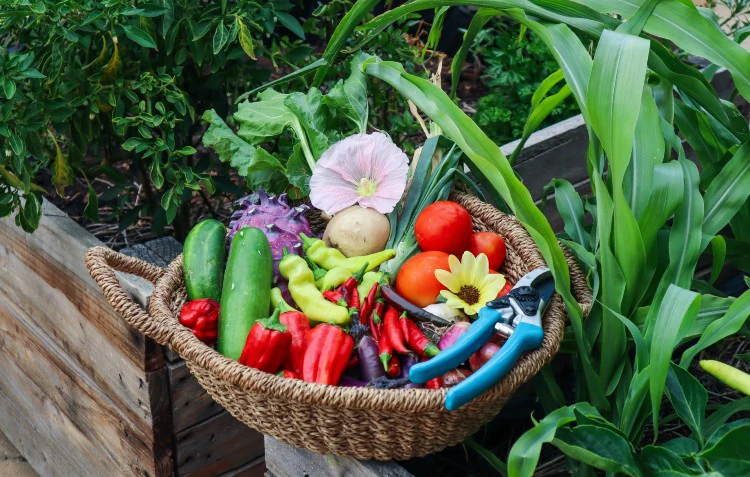
Summer is the heart of your kitchen garden — long days, warm soil, and endless sunshine create the perfect environment for prolific growth. This is when your garden rewards your patience with vibrant flavors and rich harvests.
What to Grow in Summer
- Fruiting Vegetables: Tomatoes, cucumbers, peppers, zucchini, and eggplant.
- Legumes: Beans, peas, and okra.
- Herbs: Basil, mint, oregano, and dill.
- Salad Crops: Leaf lettuce (in shaded areas) and summer spinach.
Tips:
- Water deeply and regularly to prevent heat stress.
- Stake tall plants like tomatoes to keep fruit off the soil.
- Harvest frequently to encourage continuous production.
In the Kitchen:
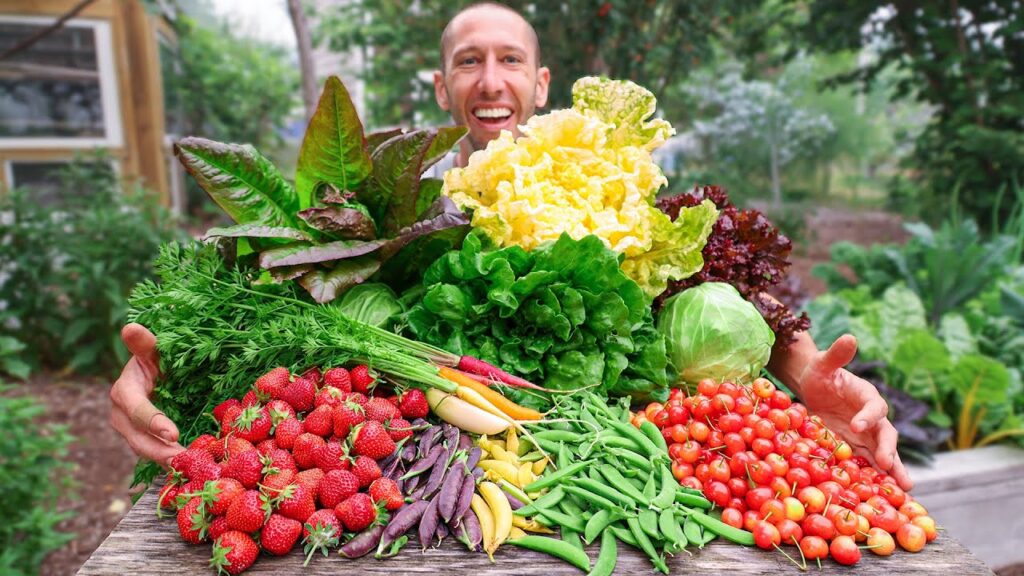
Summer produce is perfect for colorful, quick meals — grilled zucchini tacos, fresh tomato bruschetta, cucumber mint salads, and veggie stir-fries. A handful of homegrown basil can transform a simple pasta into a gourmet dish.
5. Autumn: Preparing for Comfort and Storage
As temperatures cool, the garden slows down — but it’s far from done. Fall is the perfect time to grow hardy crops that thrive in mild, crisp weather and to start preparing for winter’s demands.
What to Grow in Autumn
- Root Vegetables: Carrots, beets, parsnips, turnips, and sweet potatoes.
- Cruciferous Veggies: Cabbage, Brussels sprouts, and kale.
- Alliums: Garlic, onions, and leeks.
- Cool Herbs: Thyme, sage, and parsley.
Tips:
- Sow fall crops in late summer for a robust autumn harvest.
- Apply a thick mulch to insulate soil as nights grow colder.
- Begin preserving your summer bounty by drying herbs and freezing sauces.
In the Kitchen:
Autumn’s earthy vegetables lend themselves beautifully to warm, hearty meals — roasted root medleys, creamy pumpkin soups, and garlic-kale pasta. Fresh sage and thyme bring cozy, aromatic flavors to your fall dinners.
6. Winter: Growing in the Cold
Winter doesn’t have to mean an empty garden. With protection and the right crops, you can still harvest fresh produce even during the coldest months. Many root and leafy vegetables actually sweeten in the frost as they convert starch to sugar for protection.
What to Grow in Winter
- Hardy Roots: Carrots, beets, parsnips, and turnips (under mulch).
- Leafy Greens: Spinach, kale, mustard greens, and collards.
- Herbs: Parsley, rosemary, and chives (in pots or under covers).
- Microgreens: Sprout indoors for fresh greens in days.
Tips:
- Use row covers, cloches, or cold frames to shield from frost.
- Mulch heavily to protect soil and roots from freezing.
- Harvest sparingly to allow plants to regrow slowly.
In the Kitchen:
Winter harvests shine in comfort dishes — roasted beet salads, carrot-ginger soup, and sautéed kale with garlic. Fresh herbs like rosemary and parsley keep winter meals aromatic and lively.
7. Extending the Seasons: Tools and Techniques
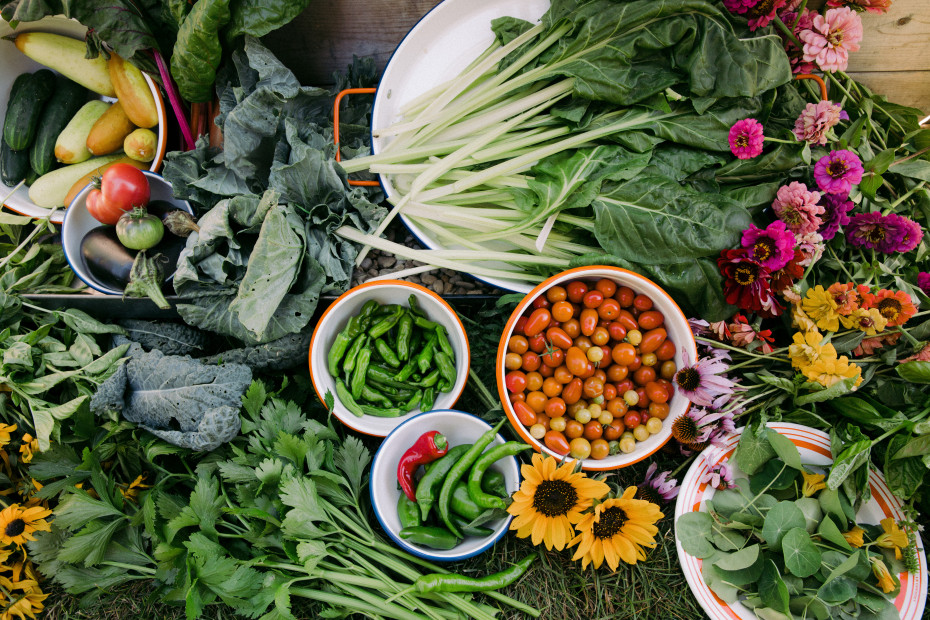
To achieve truly year-round gardening, you’ll need a few techniques to protect crops and extend productivity.
- Cold Frames: Mini greenhouses made of glass or clear plastic that trap warmth and allow winter growing.
- Row Covers: Lightweight fabric to shield plants from frost and pests.
- Succession Planting: Planting new seeds every 2–3 weeks ensures continuous harvests.
- Container Gardening: Move pots indoors during extreme weather for year-round herbs and greens.
- Composting: Continuous composting keeps soil fertile across seasons.
By blending these strategies, you create a cycle of planting, harvesting, and replenishing that never stops.
8. Soil Health: The Foundation of Every Season
Healthy soil is the beating heart of a productive kitchen garden. As you rotate crops through the year, soil nutrients naturally deplete — replenishing them is crucial.
Tips for maintaining fertile soil:
- Compost regularly: Add organic waste, leaves, and kitchen scraps.
- Use green manure: Plant cover crops (like clover or rye) between growing seasons to enrich the soil.
- Avoid over-tilling: Preserve beneficial microorganisms that help plant growth.
- Test annually: Check soil pH and nutrient levels to make informed amendments.
Healthy soil supports vibrant plants, reduces disease, and ensures strong yields across every season.
9. Small Space and Urban Gardening Ideas
Even if you don’t have a backyard, you can still enjoy year-round fresh produce.
Container Gardening:
Use pots for herbs, lettuce, and peppers. Rotate them between indoor and outdoor spaces with the changing seasons.
Vertical Gardens:
Install trellises or wall planters to grow climbing crops like beans and cucumbers.
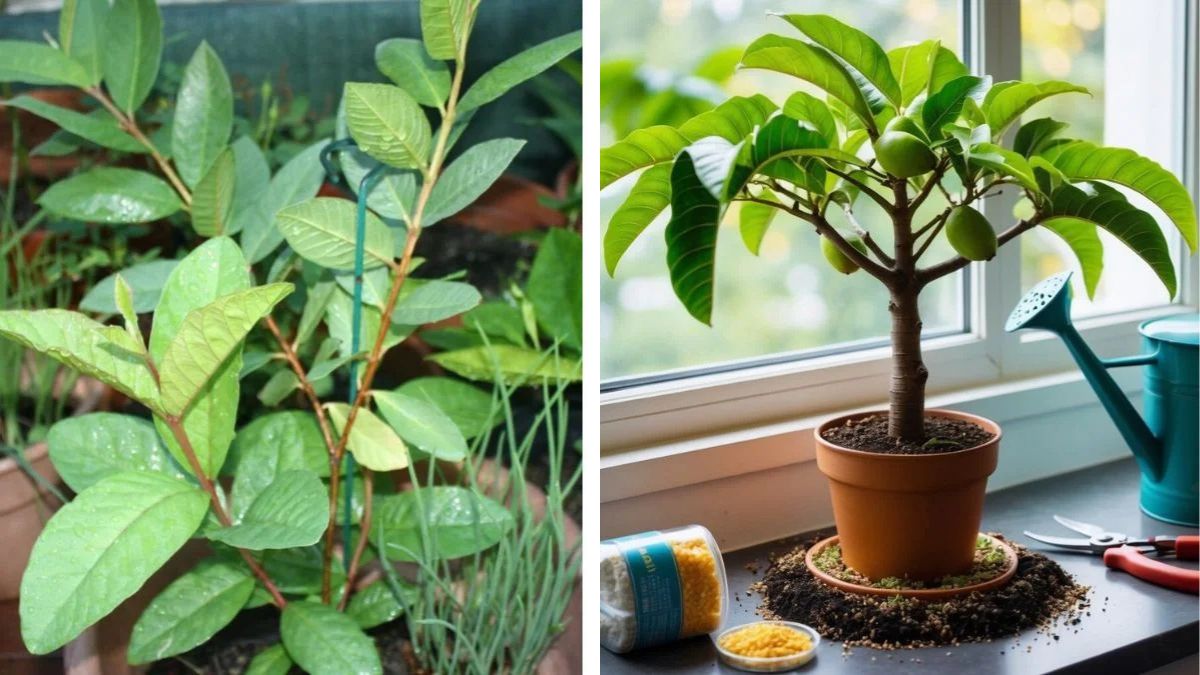
Windowsill Gardens:
Perfect for herbs like basil, mint, and parsley — great for quick kitchen use.
Hydroponics and Microgreens:
Indoor growing systems allow you to produce lettuce, kale, or microgreens no matter the weather outside.
Urban gardeners can enjoy the same seasonal variety — just in smaller, more creative ways.
10. From Garden to Table: Seasonal Cooking Inspiration
Growing seasonally encourages you to cook creatively with what’s freshest at the moment.
- Spring: Spinach and radish salad with citrus vinaigrette.
- Summer: Tomato-basil bruschetta with grilled zucchini.
- Autumn: Roasted root vegetables with thyme and olive oil.
- Winter: Hearty carrot-lentil stew topped with parsley.
Every dish tells the story of the season — bright and crisp in spring, rich and smoky in autumn, warm and comforting in winter.
11. Sustainability and the Joy of Growing Your Own Food
Beyond the flavor and nutrition, seasonal kitchen gardening embodies sustainable living. You reduce your carbon footprint, minimize food waste, and foster biodiversity right at home. The act of planting, nurturing, and harvesting reconnects you to the cycles of growth that industrial food systems often hide.
Moreover, gardening brings mental peace — studies show it reduces stress and enhances mindfulness. There’s profound satisfaction in cooking a meal where every ingredient was grown by your own hands.
12. Conclusion: A Year-Round Feast from Your Own Garden
A seasonal kitchen garden isn’t just about growing vegetables — it’s about cultivating a lifestyle rooted in nature’s rhythm, sustainability, and creativity. Each season brings new flavors, new colors, and new inspirations for your kitchen table.
By planning carefully, nurturing soil health, and rotating crops through the seasons, you can enjoy fresh, homegrown vegetarian meals all year long — from spring’s tender greens to winter’s earthy roots.
So whether you garden in a backyard, balcony, or window box, let every season inspire your next meal. With your hands in the soil and your heart in the kitchen, you’ll discover that true freshness isn’t found in stores — it’s grown, harvested, and savored right at home.