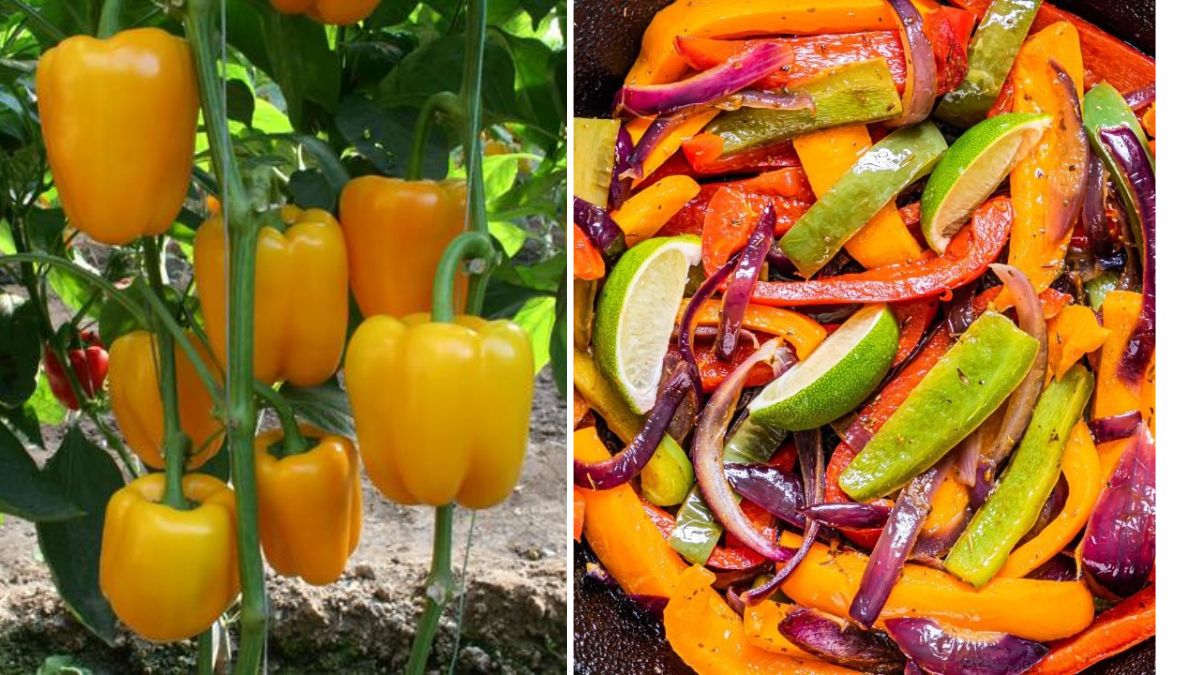
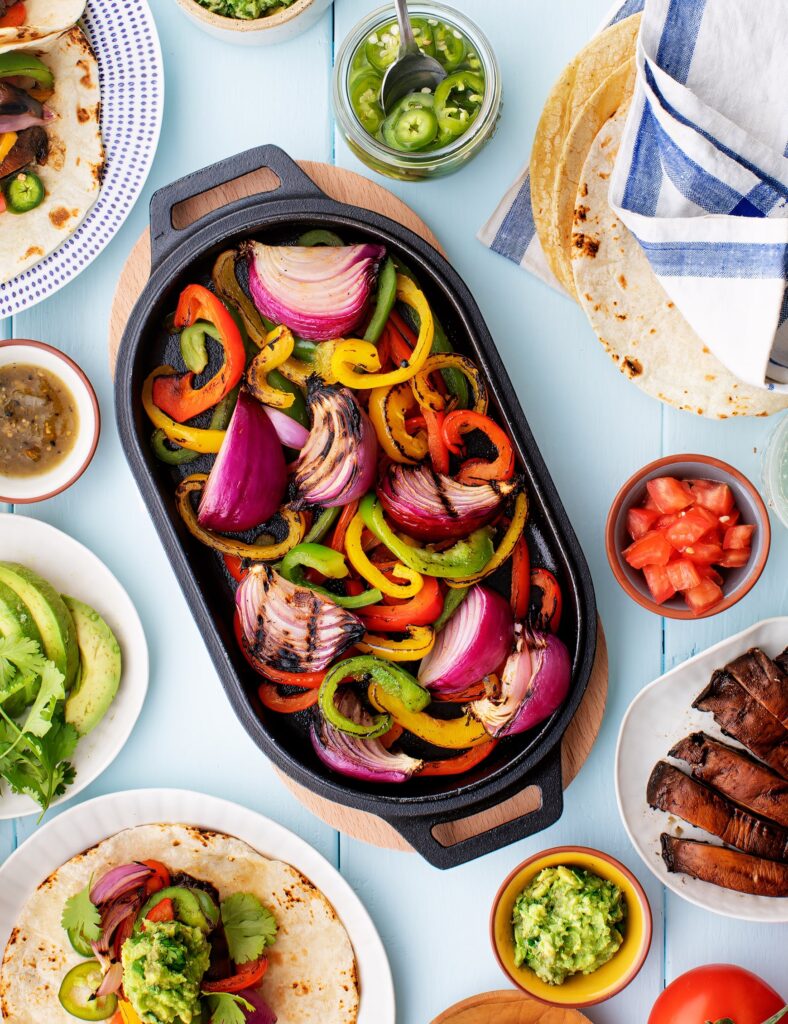
Few things capture the vibrant taste of summer like a sizzling skillet of veggie fajitas—colorful bell peppers, onions, and other garden-fresh vegetables tossed with smoky spices. The aroma alone can make anyone’s mouth water. But imagine the satisfaction of knowing those bright, sweet peppers came from your very own garden.
Bell peppers aren’t just a key ingredient in fajitas—they’re a burst of color, nutrition, and homegrown pride. Growing them is both rewarding and surprisingly simple. With a little knowledge, the right growing conditions, and a touch of patience, you can cultivate plump, flavorful bell peppers that will take your veggie fajitas to the next level.
In this detailed guide, we’ll explore everything you need to know about how to grow bell peppers for flavorful veggie fajitas, from seed selection to harvest and cooking tips.
Why Bell Peppers Are Perfect for Veggie Fajitas
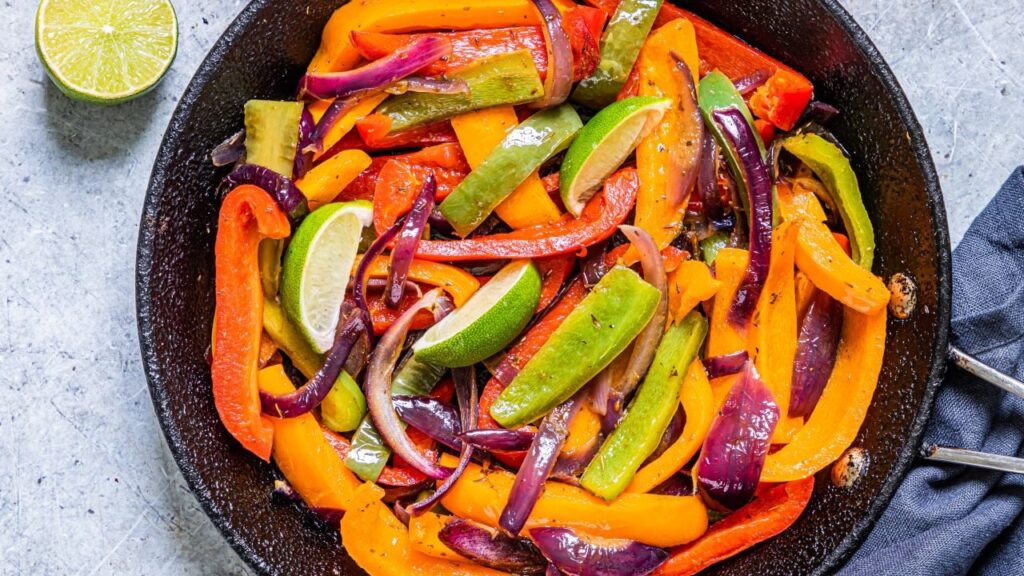
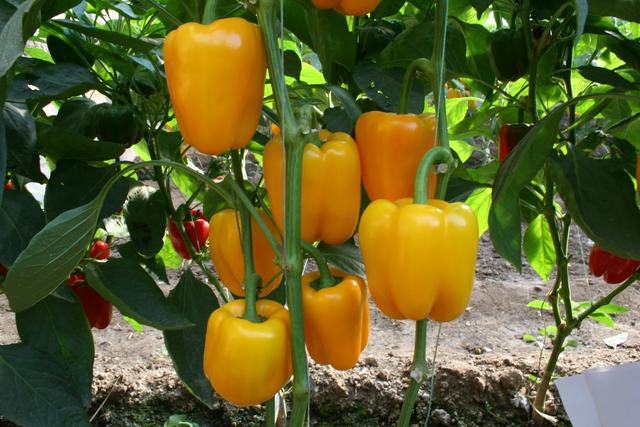
Bell peppers are the star of any good fajita mix. Their sweetness balances out the smoky seasoning, while their bright colors—green, red, yellow, and orange—create an eye-catching presentation.
Here’s why they’re a fajita essential:
- Flavor Balance: Bell peppers add natural sweetness that complements spicy fajita seasoning perfectly.
- Texture: Their crisp yet tender bite holds up beautifully when sautéed or grilled.
- Nutrition: Packed with vitamin C, antioxidants, and fiber, they’re a healthy way to boost your meal’s nutritional value.
- Versatility: They blend seamlessly with onions, zucchini, mushrooms, and tofu or plant-based proteins for a hearty fajita filling.
Homegrown peppers are especially flavorful because they ripen on the plant, developing their full sweetness and aroma—something store-bought varieties often lack.
Choosing the Right Bell Pepper Varieties
Not all bell peppers are created equal. Some are better for grilling, while others shine raw or roasted. For fajitas, you’ll want varieties that are sweet, thick-walled, and colorful.
Here are a few top picks:
1. California Wonder
- The classic sweet bell pepper.
- Produces large, blocky green fruits that ripen to red.
- Excellent for sautéing and grilling.
2. Red Beauty
- Deep red, glossy peppers with intense sweetness.
- Perfect for adding rich color to fajitas.
3. Golden Bell
- Bright yellow with a mild flavor.
- Great for balancing out spicier seasonings.
4. Purple Beauty
- A unique purple-skinned pepper that turns green when cooked.
- Adds visual interest to your fajita mix.
5. Chocolate Beauty
- A deep brown, earthy-toned pepper with a hint of smokiness.
- Ideal for roasted or grilled fajitas.
Pro Tip: Grow a mix of colors for the best presentation and layered flavor. The combination of red, yellow, and green peppers gives your fajitas that restaurant-quality look and taste.
Preparing the Soil: Setting the Stage for Success
Bell peppers love warmth, sunlight, and nutrient-rich soil. To produce big, flavorful peppers, start by giving them the best foundation possible.
Soil Requirements:
- Type: Loamy, well-drained soil.
- pH: Slightly acidic to neutral (6.0–7.0).
- Preparation: Mix in compost or well-rotted manure before planting to enrich the soil with organic matter.
Sunlight:
Bell peppers are sun-lovers. They need at least 6–8 hours of direct sunlight daily. Choose a sunny spot protected from strong winds.
Spacing:
Space plants about 18–24 inches apart in rows spaced 2–3 feet apart. This ensures good air circulation and helps prevent fungal diseases.
Starting Bell Peppers from Seeds
Bell peppers can be grown from seeds or transplants. If you’re starting from seed, timing and temperature are key.
1. Seed Starting Indoors
- Start seeds 8–10 weeks before your last frost date.
- Plant seeds ¼ inch deep in seed trays or small pots filled with seed-starting mix.
- Keep them warm (70–85°F / 21–29°C) and moist.
- Germination usually takes 10–14 days.
2. Transplanting Outdoors
Once seedlings are 6–8 inches tall and the outdoor temperature stays consistently above 60°F (15°C), they’re ready to move outside.
Before transplanting, harden off the seedlings by gradually exposing them to outdoor conditions over a week.
Transplant Tips:
- Plant them deeply, covering the stem up to the first set of leaves.
- Water thoroughly after planting.
- Add a layer of mulch to retain soil moisture and regulate temperature.
Caring for Your Bell Pepper Plants
Bell peppers may be low-maintenance, but a little care goes a long way in boosting yield and flavor.
1. Watering
- Keep the soil evenly moist, but never waterlogged.
- Deep watering once or twice a week is better than frequent shallow watering.
- Avoid overhead watering—wet leaves can invite fungal diseases.
2. Feeding
Bell peppers are heavy feeders. Use a balanced fertilizer (10-10-10) every 3–4 weeks or side-dress with compost. Once flowers appear, switch to a fertilizer with more phosphorus and potassium to encourage fruit production.
3. Pruning and Support
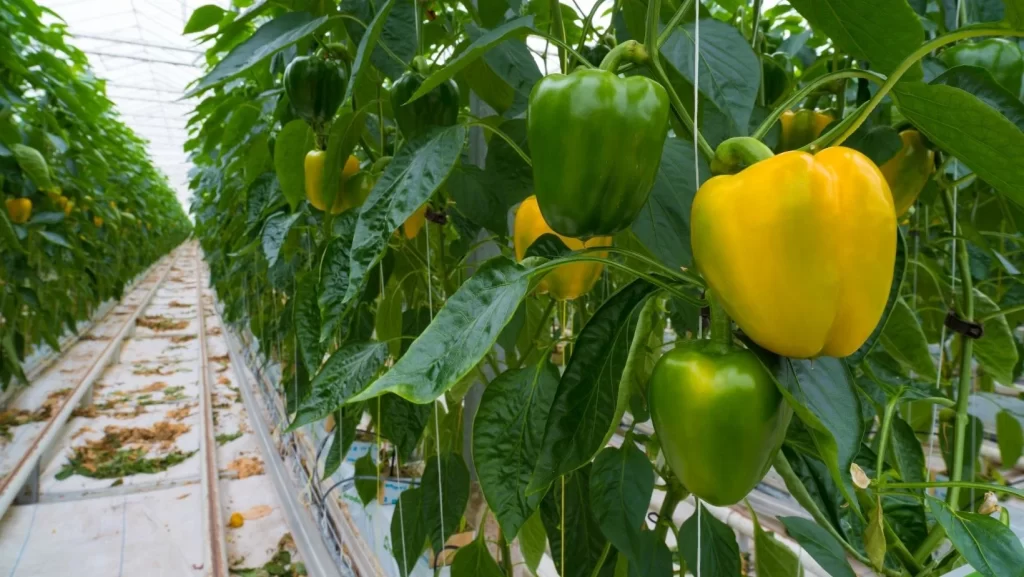
- Remove lower leaves that touch the ground to prevent disease.
- Use small stakes or tomato cages to support heavy fruiting branches.
4. Pest and Disease Control
Common problems include:
- Aphids and whiteflies: Wash off with water or spray neem oil.
- Cutworms: Use collars around seedlings to protect stems.
- Blossom end rot: Avoid inconsistent watering and ensure calcium in the soil.
Healthy, well-fed plants are naturally more resistant to most pests and diseases.
Harvesting Bell Peppers
Timing your harvest affects both flavor and color.
Green Peppers:
- Harvest when they reach full size but before they turn color.
- These have a slightly bitter, earthy taste—great for savory fajitas.
Colored Peppers (Red, Yellow, Orange):
- Leave on the plant to ripen fully for 2–3 extra weeks.
- The longer they ripen, the sweeter they become.
Use sharp scissors or garden shears to cut peppers from the stem, leaving a small piece of stem attached to avoid damaging the plant.
Pro Tip: Regular harvesting encourages more fruit production throughout the season.
Storing Your Harvest
Bell peppers are best enjoyed fresh, but they can be preserved for later use in your fajitas.
- Refrigeration: Store fresh peppers in the crisper drawer for up to 2 weeks.
- Freezing: Slice and freeze on a baking sheet before transferring to freezer bags.
- Drying: Dehydrate slices for smoky, concentrated flavor.
- Pickling: Combine with vinegar and spices for tangy fajita toppings.
From Garden to Skillet: Making Flavorful Veggie Fajitas
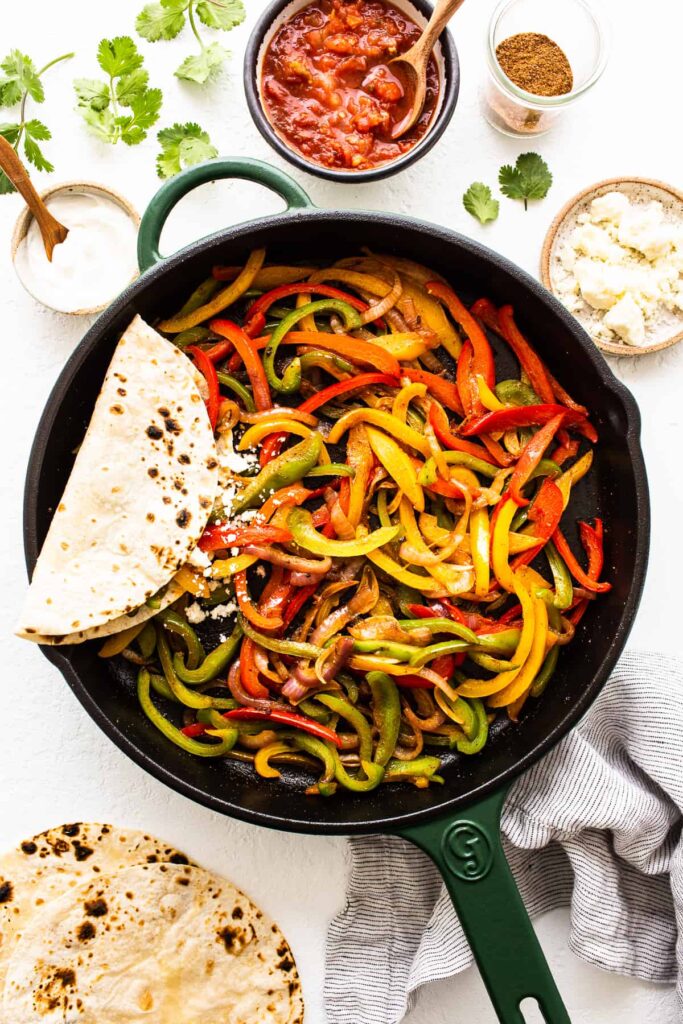
Now that you’ve grown your own bell peppers, it’s time to bring them to life in the kitchen. Veggie fajitas are all about simplicity, color, and freshness—and your homegrown peppers will steal the show.
Ingredients:
- 3–4 bell peppers (a mix of colors)
- 1 large onion, sliced
- 1 zucchini or mushroom (optional)
- 2 tablespoons olive oil
- 1 teaspoon smoked paprika
- 1 teaspoon cumin
- ½ teaspoon chili powder
- Salt and pepper to taste
- Lime juice and fresh cilantro for garnish
- Warm tortillas for serving
Directions:
- Slice your veggies into thin strips for even cooking.
- Heat olive oil in a large skillet over medium-high heat.
- Add onions and peppers, sautéing until they start to soften and slightly char (about 6–8 minutes).
- Sprinkle in spices, tossing until everything is evenly coated and aromatic.
- Finish with lime juice for brightness and a sprinkle of cilantro.
Serve hot in warm tortillas with guacamole, salsa, or plant-based sour cream.
Flavor Tip: Red and yellow peppers bring sweetness, green adds a touch of bitterness, and grilled edges add that irresistible smoky depth.
Sustainable Gardening Tips
Growing bell peppers for fajitas can be both delicious and eco-friendly. Here’s how to keep your garden green and sustainable:
- Compost kitchen scraps to enrich your soil naturally.
- Use organic pest control methods like neem oil or companion planting (try basil or marigolds near peppers).
- Collect rainwater to minimize water waste.
- Rotate crops yearly to prevent soil depletion and pest buildup.
A healthy, balanced garden rewards you not just with food, but with peace of mind.
The Joy of Homegrown Flavor
There’s something magical about the garden-to-table journey. When you grow bell peppers yourself, every fajita becomes a story—a story of patience, care, and creativity. You’ll taste the difference immediately: crisp texture, vibrant color, and a sweetness that store-bought peppers can’t match.
Each bite of your veggie fajitas will remind you of sun-drenched afternoons in your garden and the satisfaction of bringing your own harvest to the table.
Final Thoughts
Growing bell peppers for flavorful veggie fajitas is more than a gardening project—it’s an invitation to embrace freshness, flavor, and sustainability in your kitchen. From seed to skillet, each step deepens your connection with your food and enhances your culinary creativity.
So roll up your sleeves, plant those seeds, and get ready for the most colorful, delicious fajitas you’ve ever tasted—crafted straight from your own backyard garden.