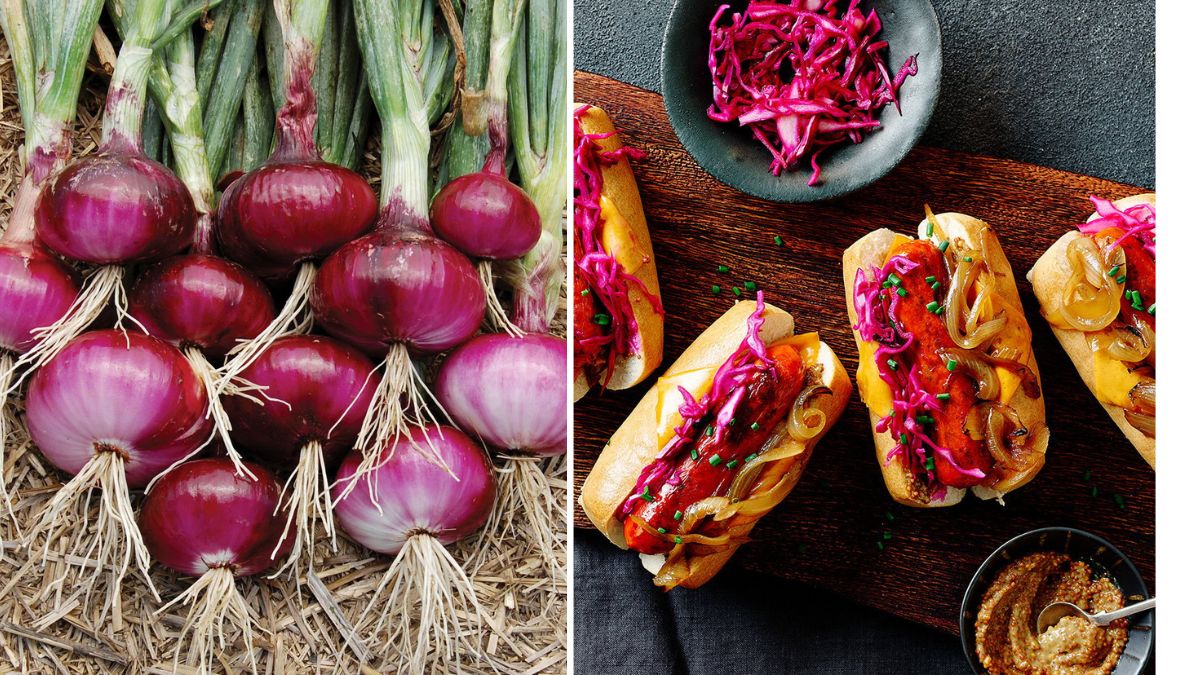
A great veggie dog isn’t complete without its toppings. Whether you love a tangy relish, spicy mustard, or a generous sprinkle of caramelized onions, it’s the finishing touches that make every bite memorable. Among all the toppings that add depth and savoriness to a veggie dog, onions reign supreme. Sweet, flavorful, and versatile, they elevate every mouthful—whether grilled, sautéed, or raw.
But imagine this: instead of grabbing a bag of store-bought onions, you step into your garden, pull out a perfectly grown bulb, and slice it fresh for your homemade veggie dogs. Growing your own onions not only gives you fresher, more flavorful produce—it also connects you to your food in a way store-bought ingredients never can.
This detailed guide will take you through everything you need to know about how to grow onions for topping homemade veggie dogs, from soil preparation and planting to harvesting and flavor-enhancing storage tips.
Why Grow Your Own Onions?

Onions are a staple in every kitchen, yet many people don’t realize how easy and rewarding they are to grow. Homegrown onions have a stronger aroma, a juicier bite, and a sweetness that intensifies when cooked—perfect for topping your veggie dogs.
Here are a few key reasons to grow your own:
- Unmatched Flavor: Freshly harvested onions taste sharper when raw and sweeter when cooked, making them ideal for toppings like caramelized onions or crispy fried bits.
- Nutritional Value: Onions are packed with antioxidants, vitamin C, and quercetin—compounds that support heart health and immunity.
- Long Shelf Life: Properly cured onions can last for months, meaning your garden’s bounty keeps your kitchen stocked all year.
- Low Maintenance: Onions are hardy and don’t require constant care, making them beginner-friendly.
Plus, nothing beats the satisfaction of knowing that your homemade veggie dogs are topped with ingredients grown by your own hands.
Choosing the Right Onion Variety for Veggie Dog Toppings

The type of onion you grow determines the flavor and texture of your toppings. Some onions are best for caramelizing, while others shine raw or grilled. Here are the top varieties to consider:
1. Sweet Onions
Perfect for caramelized or grilled toppings. Their high sugar content gives a rich, golden-brown finish.
- Best Varieties: Vidalia, Walla Walla, Texas Sweet.
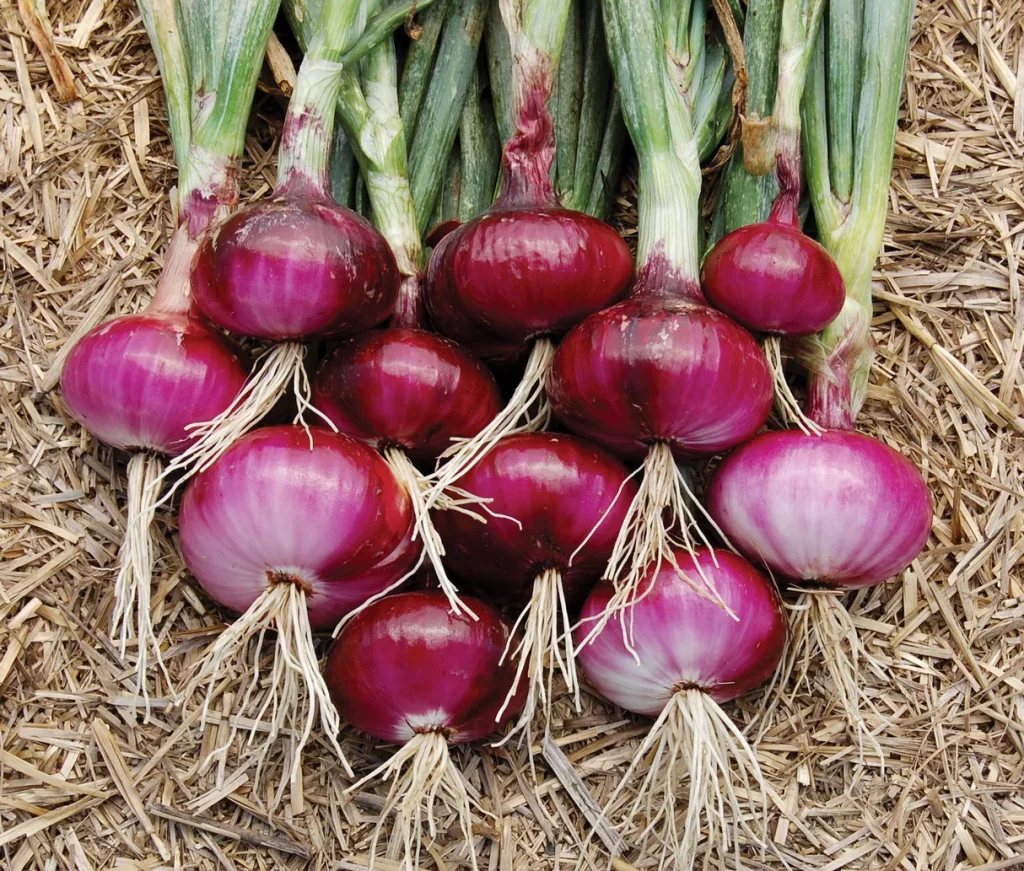
2. Red Onions
Ideal for raw toppings. They add a pop of color and a mild, slightly spicy flavor to veggie dogs.
- Best Varieties: Red Burgundy, Red Zeppelin, Cabernet.
3. Yellow Onions
A classic all-purpose onion with strong flavor—great for sautéing or frying into crispy toppings.
- Best Varieties: Yellow Sweet Spanish, Copra, Candy.
4. White Onions
Sharp and zesty, perfect for a punchy raw bite on veggie dogs.
- Best Varieties: White Lisbon, Sterling, White Sweet Spanish.
Pro Tip: If you plan to make different kinds of toppings (grilled, caramelized, or raw), plant a mix of varieties. Each brings a unique dimension to your homemade veggie dogs.
Preparing the Soil: Setting the Foundation for Flavor

Onions thrive in well-drained, nutrient-rich soil. The quality of your soil directly affects the size, flavor, and storage life of your onions.
Soil Requirements:
- Type: Loamy or sandy soil with good drainage.
- pH Level: Slightly acidic to neutral (6.0–7.0).
- Preparation: Work compost or aged manure into the soil at least two weeks before planting. Onions love organic matter—it helps retain moisture while providing essential nutrients.
Sunlight:
Choose a full-sun location—onions need at least 6–8 hours of direct sunlight daily to grow large, flavorful bulbs.
Planting Onions: Seeds, Sets, or Transplants
There are three main ways to start your onion crop:
1. From Seeds
- Best for gardeners with longer growing seasons.
- Start indoors 8–10 weeks before your last frost date.
- Transplant seedlings outdoors once they’re about 4–6 inches tall and the soil is warm (above 50°F / 10°C).
2. From Sets
- Small, immature bulbs that are easy to plant directly in the soil.
- Ideal for beginners or short growing seasons.
- Plant sets 1 inch deep and 4 inches apart, with the pointed end facing up.
3. From Transplants
- Pre-grown seedlings purchased from a nursery.
- Transplant them into your garden 1 inch deep and 4–6 inches apart.
Spacing Tip:
Space rows about 12–18 inches apart to allow for good airflow and easier weeding.
Caring for Your Onion Crop
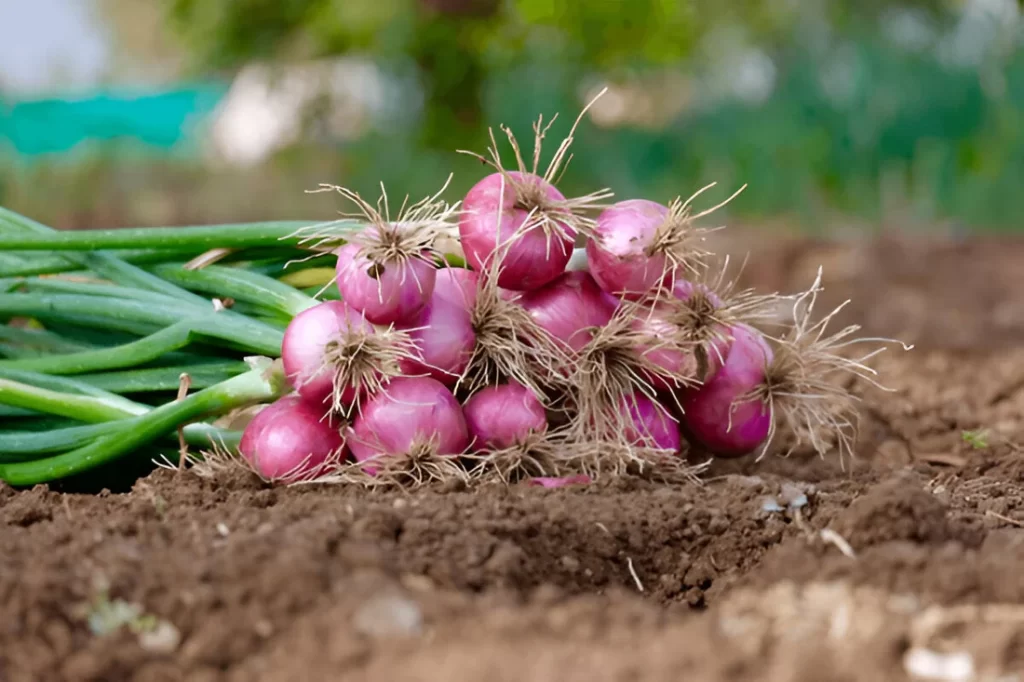
Once your onions are in the ground, they’re relatively low maintenance—but a few key care steps ensure success.
1. Watering
Onions need consistent moisture, especially during bulb formation.
- Water deeply once or twice a week.
- Avoid overwatering—soggy soil can cause bulb rot.
2. Mulching
Spread a 2-inch layer of organic mulch (straw, leaves, or compost) around the plants to retain moisture, suppress weeds, and regulate soil temperature.
3. Feeding
Feed your onions with a nitrogen-rich fertilizer every 2–3 weeks during the early growth phase. Once bulbs start forming, switch to a balanced fertilizer to support both root and bulb development.
4. Weeding
Keep the area around your onions weed-free. Weeds compete for nutrients and water, which can stunt growth.
Common Onion Pests and Problems
While onions are resilient, they can still face a few challenges:
- Onion Maggots: Small white larvae that feed on bulbs. Prevent by rotating crops and avoiding overly wet soil.
- Thrips: Tiny insects that cause silvery patches on leaves. Use neem oil or insecticidal soap as a safe treatment.
- Fungal Diseases: Such as downy mildew or botrytis rot. Ensure good air circulation and avoid watering from above.
Healthy, well-spaced onions grown in rich soil are naturally more resistant to most pests and diseases.
Harvesting and Curing Your Onions
Timing your harvest correctly ensures your onions are flavorful and store well.
When to Harvest:
- Onions are ready when their green tops start to yellow and fall over.
- Gently loosen the soil and pull the bulbs out by hand or with a garden fork.
Curing Process:
- Lay onions in a single layer in a dry, well-ventilated area (like a shaded porch or garage).
- Allow them to cure for 2–3 weeks until the outer skins are papery and necks are completely dry.
- Trim off the roots and tops, leaving about an inch of the stem.
Once cured, store your onions in mesh bags or baskets in a cool, dry place. Properly cured onions can last 3–6 months.
Bringing Your Homegrown Onions to the Grill
Now that your garden has rewarded you with fresh, flavorful onions, it’s time to put them to use—starting with topping your homemade veggie dogs!
1. Caramelized Onions
Rich, golden, and sweet—these melt into perfection.
How to Make:
- Slice onions thinly.
- Sauté in olive oil over medium-low heat for 25–30 minutes, stirring occasionally.
- Add a pinch of salt and a splash of balsamic vinegar for extra depth.
Perfect for classic-style veggie dogs with mustard and sauerkraut.
2. Grilled Onions
Smoky, tender, and slightly charred—ideal for summer barbecues.
How to Make:
- Cut onions into thick rings.
- Brush with olive oil and season with salt.
- Grill for 5–7 minutes per side until soft and marked with grill lines.
Pairs beautifully with barbecue sauce and veggie sausages.
3. Crispy Fried Onions
Crunchy, savory, and irresistible.
How to Make:
- Dredge thin onion rings in flour seasoned with paprika and salt.
- Fry until golden brown and drain on paper towels.
Top your veggie dogs for an indulgent crunch.
4. Fresh Raw Onions
For those who like a bold bite.
Simply slice red or white onions finely and scatter over your veggie dogs with a dollop of relish or avocado cream.
Preserving Your Onion Harvest
If you’ve grown more onions than you can eat right away, don’t worry—there are plenty of ways to preserve them:
- Freeze: Chop onions and freeze in airtight bags for easy cooking later.
- Pickle: Soak thin slices in vinegar, sugar, and salt for tangy pickled onions that pair perfectly with veggie dogs.
- Dehydrate: Use a dehydrator or low oven to make dried onion flakes or powder.
These methods keep your garden flavors alive long after the growing season ends.
The Garden-to-Grill Experience
There’s something special about biting into a veggie dog topped with onions you grew, nurtured, and cooked yourself. Each step—from planting the seed to caramelizing the harvest—adds meaning to your meal. Growing onions connects you to your food in a tangible way, transforming an everyday topping into a personal triumph.
Homemade veggie dogs topped with homegrown onions aren’t just delicious; they’re a celebration of freshness, sustainability, and creativity. Your garden becomes your grocery store, your kitchen your workshop, and your plate a story of patience and flavor.
Final Thoughts
Growing onions for topping homemade veggie dogs is more than just a gardening project—it’s a flavorful journey from soil to grill. With the right care, soil, and variety, you can harvest onions bursting with sweetness and character. Whether caramelized to golden perfection or sliced fresh and sharp, these garden gems will turn every veggie dog into a gourmet delight.
So grab your trowel, plant those onion sets, and get ready to serve up veggie dogs that not only taste amazing—but tell a story of homegrown pride in every bite.