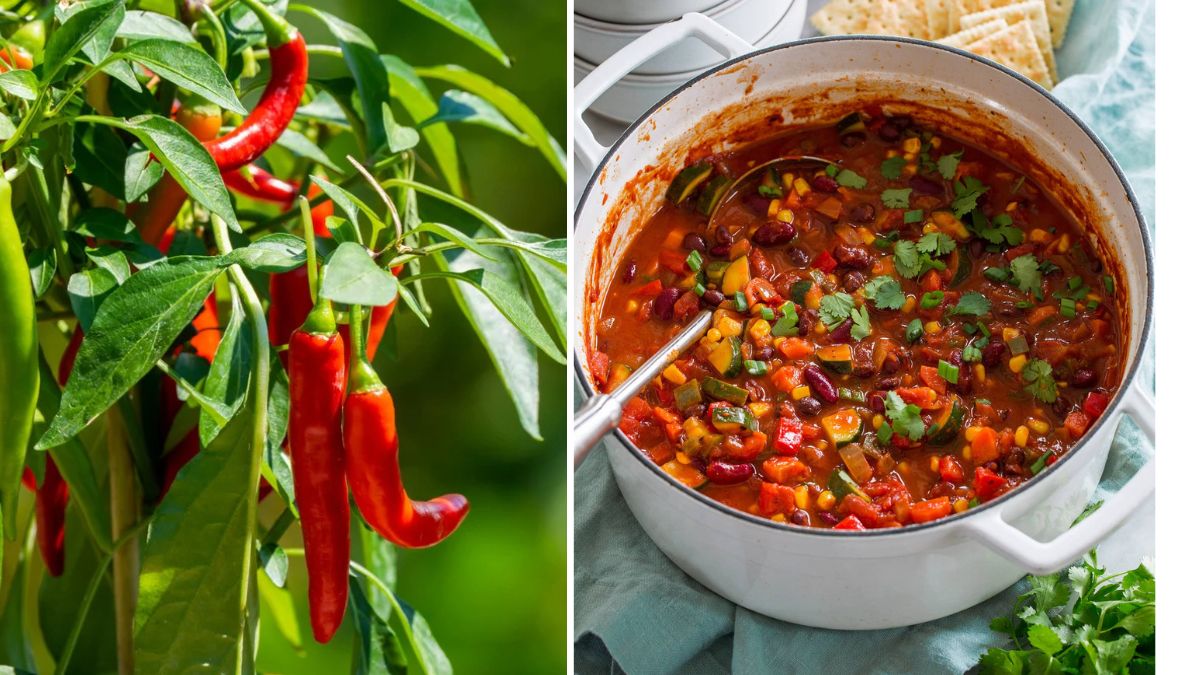
A warm, hearty bowl of chili is the ultimate comfort food—rich, flavorful, and deeply satisfying. And when it’s made entirely from homegrown vegetables, it becomes more than just a meal; it’s a celebration of the earth’s bounty and your gardening passion. A plant-based chili packed with fresh, homegrown produce doesn’t just taste better—it’s healthier, more sustainable, and more personal.
Growing your own chili ingredients means you control the freshness, flavor, and quality of every bite. From earthy beans and sweet bell peppers to juicy tomatoes and fiery chilies, your garden can provide everything you need for a delicious, nutritious, and cruelty-free dish. In this comprehensive guide, we’ll explore the best vegetables to grow for plant-based chili, along with practical growing tips, harvesting advice, and cooking inspiration to turn your backyard into a chili-lover’s paradise.
Why Grow Your Own Chili Ingredients?
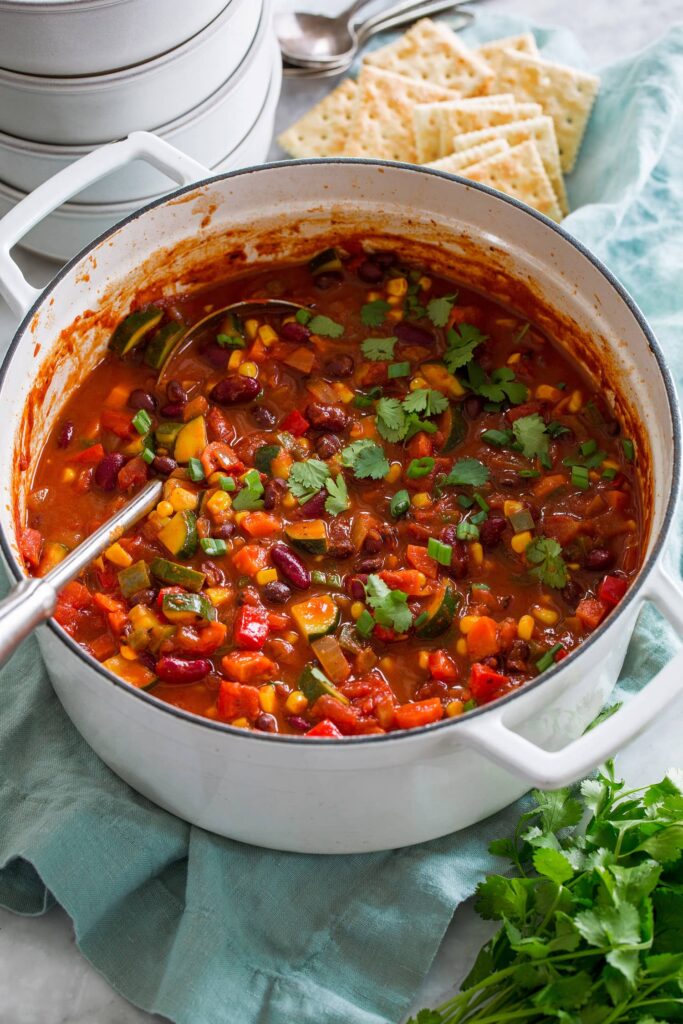
A good chili is only as good as its ingredients. Store-bought vegetables are convenient, but they often lack the depth of flavor that comes from freshly picked, sun-ripened produce. When you grow your own, you harvest at the peak of flavor and nutrition—giving your chili that homemade richness you just can’t buy.
Growing your own vegetables also:
- Reduces waste and packaging, making your meals eco-friendly.
- Saves money over time, especially for frequently used veggies like tomatoes and peppers.
- Supports health, since homegrown produce is free of synthetic pesticides and fertilizers.
- Adds joy and mindfulness—gardening itself is a fulfilling, grounding hobby.
The best part? A plant-based chili is incredibly versatile. You can tweak your recipe based on what’s in season or thriving in your garden, creating new flavor profiles year-round.
Top Vegetables to Grow for Plant-Based Chili
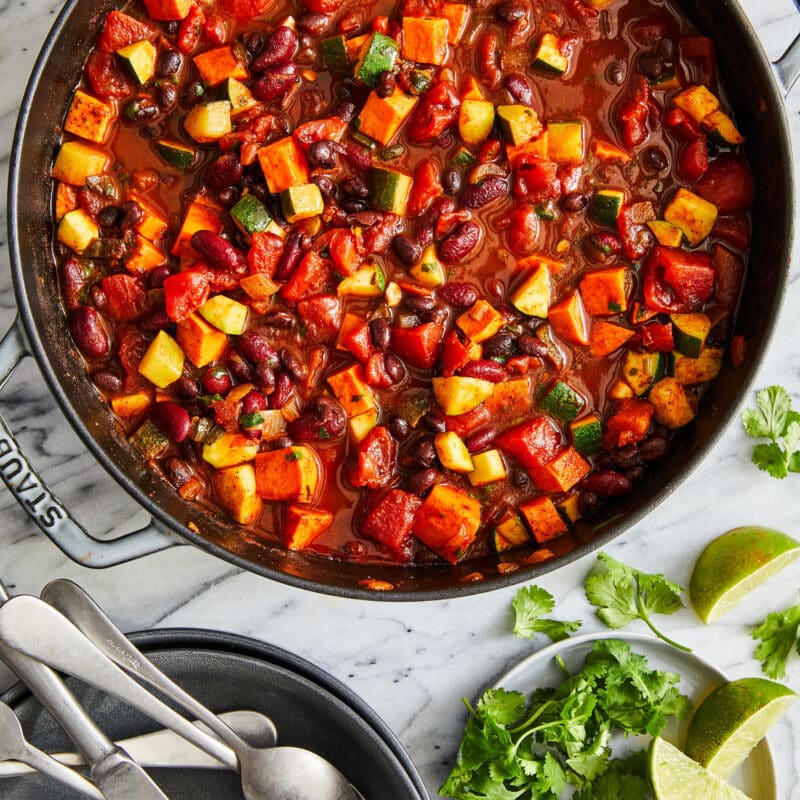
A classic chili balances sweetness, heat, earthiness, and richness. Here’s a breakdown of the key vegetables that bring these flavors together—and how to grow them successfully in your home garden.
1. Tomatoes – The Heart of the Sauce
Tomatoes form the base of most chili recipes. They provide acidity, sweetness, and that luscious red body that ties everything together.
Best Varieties for Chili:
- Roma or San Marzano for thick, rich sauces.
- Big Beef or Celebrity for a classic, juicy flavor.
- Cherry Tomatoes to add a pop of sweetness.
Growing Tips:
- Plant in full sun (6–8 hours daily).
- Use well-drained, compost-rich soil with a pH between 6.0 and 7.0.
- Water deeply and consistently—uneven watering can cause cracking.
- Stake or cage your plants for support.
Harvest:
Pick tomatoes when they’re fully colored and slightly soft to the touch. For chili, slightly overripe tomatoes work beautifully, adding depth and sweetness.
2. Bell Peppers – The Sweet and Savory Touch
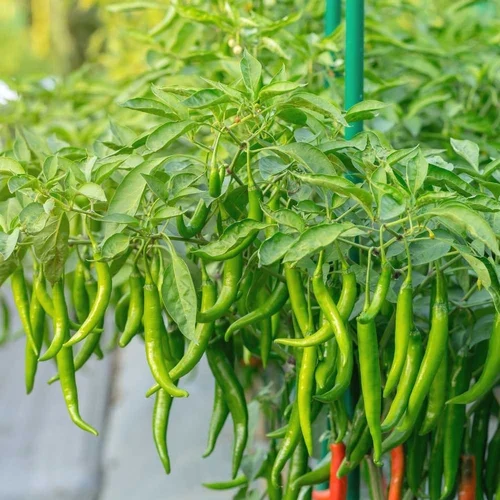
Bell peppers add crunch, color, and a subtle sweetness that balances the spice in chili. They also bring a boost of vitamin C and antioxidants.
Best Varieties:
- California Wonder – a reliable, thick-walled green pepper.
- Red Knight – sweet and vibrant when mature.
- Golden Bell or Orange Sun – for colorful variation.
Growing Tips:
- Start seeds indoors 6–8 weeks before the last frost.
- Transplant when nighttime temperatures stay above 55°F (13°C).
- Peppers love warm soil (70–85°F / 21–29°C) and consistent moisture.
- Feed with compost or organic fertilizer every few weeks.
Harvest:
Harvest when fully colored for maximum sweetness. Green peppers can be picked earlier for a slightly sharper flavor.
3. Chili Peppers – For the Kick
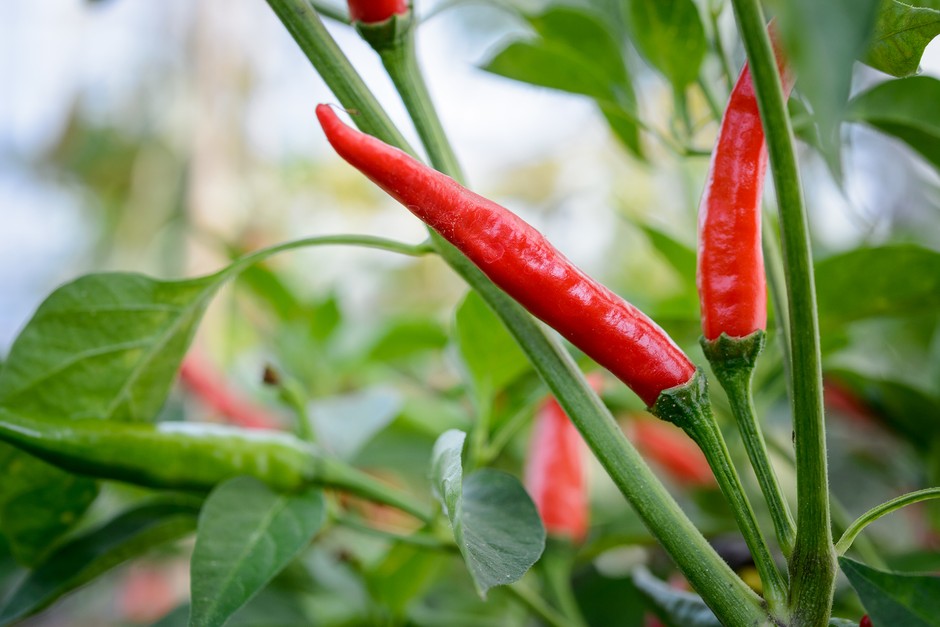
No chili is complete without heat—and that comes from chili peppers. Whether you prefer mild warmth or fiery intensity, there’s a pepper for you.
Best Varieties:
- Jalapeño: Medium heat, perfect for classic chili.
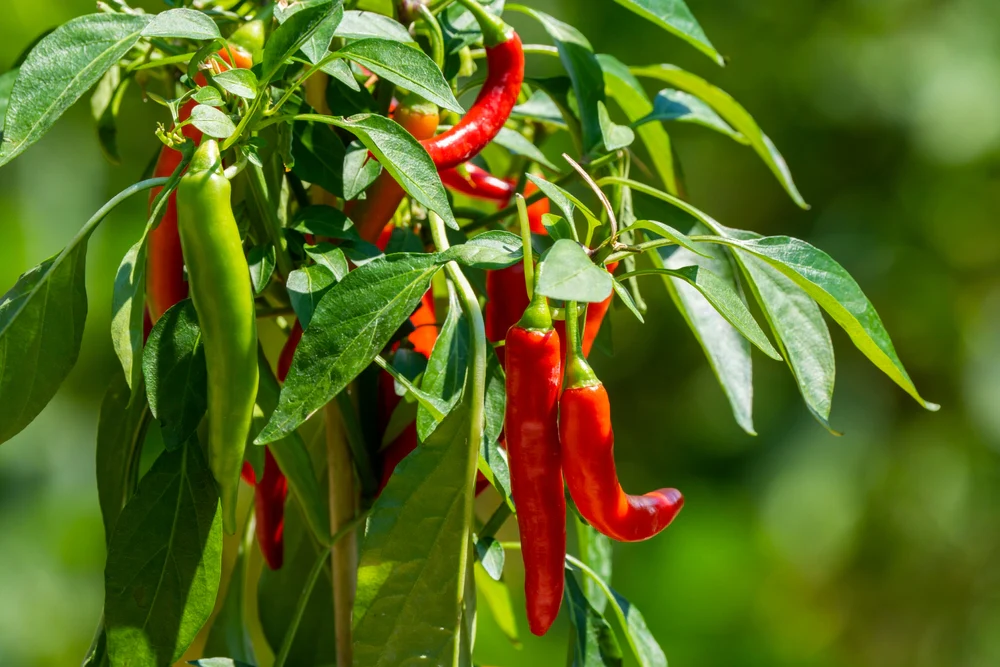
- Cayenne: Adds a spicy edge and deep red color.
- Anaheim: Milder option for balanced spice.
- Habanero or Thai Chili: For those who like it extra hot.
Growing Tips:
- Chili peppers thrive in full sun and warm temperatures.
- Start seeds indoors and transplant after all frost danger has passed.
- Water regularly but avoid overwatering—peppers dislike soggy roots.
- Mulch around plants to retain moisture and regulate temperature.
Harvest:
Pick peppers when they reach full size and desired color. Red, orange, and yellow peppers are typically sweeter than green.
4. Beans – The Hearty Protein Base
Beans are essential in plant-based chili—they add texture, protein, and substance. While many people use canned beans, growing your own adds freshness and a farm-to-table authenticity.
Best Varieties:
- Kidney Beans: The classic choice for chili—firm and flavorful.
- Black Beans: Creamy and rich in antioxidants.
- Pinto Beans: Earthy and perfect for smoky, spicy versions.
Growing Tips:
- Beans thrive in well-drained soil with full sunlight.
- Avoid over-fertilizing—too much nitrogen leads to leafy plants but few pods.
- Plant seeds directly into warm soil (above 60°F / 15°C).
- Water regularly but allow soil to dry slightly between waterings.
Harvest:
Pick fresh beans when pods are full but still tender, or let them dry on the vine for storage. Dried beans can be cooked and frozen for later use.
5. Onions – The Flavor Foundation
Onions are a must-have for chili. They provide an aromatic base that enhances every other ingredient.
Best Varieties:
- Yellow Sweet Spanish – mild and perfect for slow cooking.
- Red Burgundy – adds color and subtle sweetness.
- White Lisbon (scallions) – great for garnishing or lighter flavor.
Growing Tips:
- Start from seeds or sets in early spring.
- Onions need 6–7 hours of sun daily and loose, fertile soil.
- Keep soil consistently moist, especially during bulb formation.
Harvest:
Harvest once the tops fall over and begin to yellow. Cure onions in a dry, ventilated area before storing.
6. Garlic – The Aromatic Enhancer
Garlic adds depth, richness, and that irresistible aroma to chili. A few homegrown cloves can elevate your dish dramatically.
Growing Tips:
- Plant garlic cloves in fall, about 4–6 weeks before the first frost.
- Space cloves 4 inches apart, root side down, in fertile soil.
- Water lightly during the growing season, but keep soil well-drained.
Harvest:
When the lower leaves turn brown, carefully dig up bulbs. Cure them in a cool, dry spot for several weeks before storing.
7. Carrots – A Subtle Sweetness
Carrots might not be the first vegetable that comes to mind for chili, but they add a natural sweetness that balances spicy heat and acidity.
Best Varieties:
- Danvers Half Long – reliable and flavorful.
- Nantes Scarlet – crisp and sweet.
- Little Finger – great for small-space gardens.
Growing Tips:
- Plant seeds directly into loose, sandy soil.
- Keep soil moist but not waterlogged.
- Thin seedlings to avoid crowding.
Harvest:
Pull carrots when they’re about ½ to ¾ inch thick for the best flavor and texture.
Bonus Garden Additions for Flavor and Garnish
To add more dimension to your plant-based chili, consider growing these extras:
- Cilantro: Fresh and bright—adds a zesty garnish.
- Parsley: Mild and refreshing, great for finishing touches.
- Oregano & Thyme: Classic chili herbs that infuse slow-cooked sauces with earthy notes.
- Corn: Adds sweetness and texture when cut fresh from the cob and stirred into the pot.
These herbs and vegetables make your chili garden even more diverse and flavorful.
Harvesting and Storing for Year-Round Chili
Your garden’s bounty doesn’t need to end with summer. Many chili ingredients can be preserved for use year-round:
- Tomatoes: Freeze, can, or make a base sauce.
- Peppers: Roast and freeze or dry for chili flakes.
- Beans: Dry completely and store in airtight jars.
- Onions and Garlic: Store in a cool, dark place with good ventilation.
- Herbs: Dry or freeze in oil for quick use later.
This way, you can enjoy a bowl of hearty, homegrown chili even in the depths of winter.
Cooking Your Garden-Fresh Plant-Based Chili
Once your harvest is ready, it’s time to bring everything together. Here’s a simple base recipe to get started:
Ingredients:
- 3 cups chopped homegrown tomatoes
- 2 cups cooked beans (mix of kidney, pinto, black)
- 1 bell pepper, chopped
- 1 onion, diced
- 3 cloves garlic, minced
- 1–2 chili peppers (adjust heat)
- 2 carrots, diced
- 2 tbsp olive oil
- 1 tsp smoked paprika
- 1 tsp cumin
- 1 tsp oregano
- Salt and pepper to taste
Instructions:
- Heat olive oil in a large pot and sauté onion and garlic until golden.
- Add peppers, carrots, and tomatoes. Cook for 5–7 minutes.
- Stir in beans, chili peppers, and spices.
- Simmer for 30–45 minutes, stirring occasionally, until thickened.
- Adjust seasoning and garnish with fresh herbs.
Serve with crusty bread or rice for a comforting, plant-powered meal.
Final Thoughts
Growing your own vegetables for plant-based chili transforms an everyday dish into a homegrown masterpiece. Each ingredient tells a story—from the sun-soaked tomatoes to the fiery peppers and earthy beans—and every spoonful becomes a reflection of your care and connection to nature.
A thriving garden gives you more than food—it gives you self-sufficiency, creativity, and an appreciation for the rhythms of the earth. So grab your seeds, roll up your sleeves, and let your garden inspire your next simmering pot of chili. Because nothing beats the warmth of a chili made from the ground up—literally.