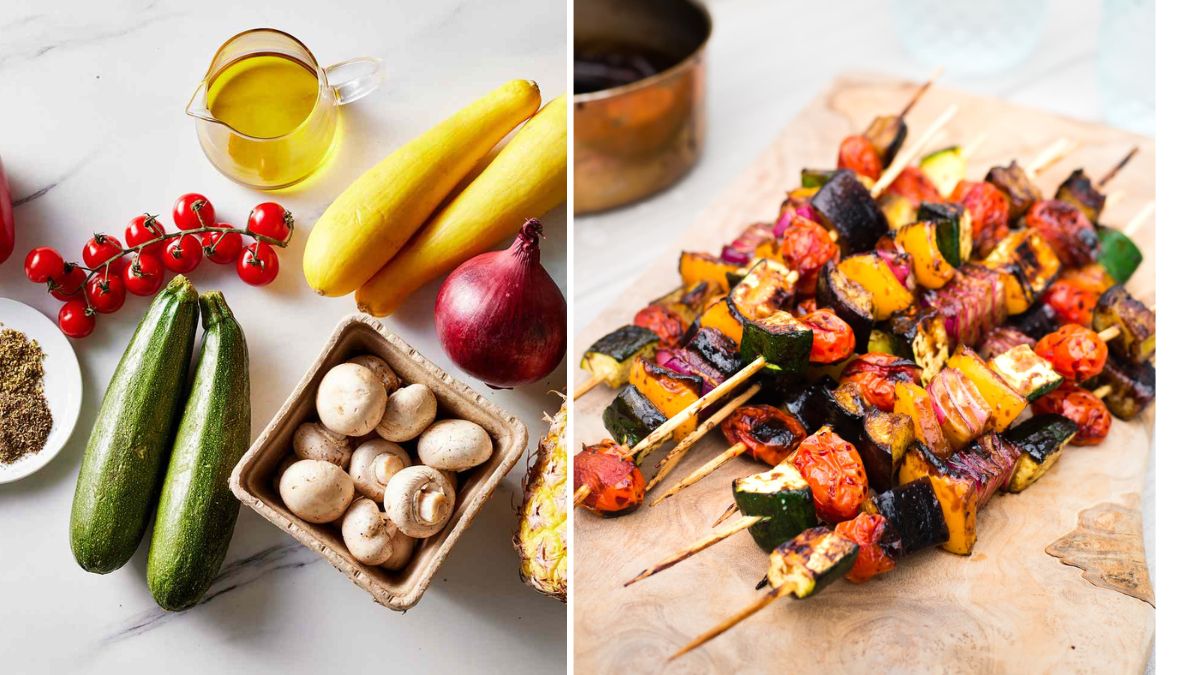
There’s something magical about the combination of a smoky grill and vibrant, fresh vegetables straight from the garden. The colors, the aromas, and the satisfaction of eating what you’ve grown create an experience that connects you to nature and your food in the most rewarding way. Among all the dishes that celebrate homegrown produce, veggie kebabs stand out as the perfect blend of flavor, creativity, and nutrition.
From planting the seeds to threading your freshly picked veggies on skewers, this journey—from garden to grill—is one filled with joy, patience, and mouthwatering rewards. Whether you’re a seasoned gardener or a first-time grower, this guide will walk you through everything you need to know to grow, harvest, and grill the most delicious, colorful, and healthy veggie kebabs using your own garden bounty.
The Joy of Growing Your Own Grill Ingredients
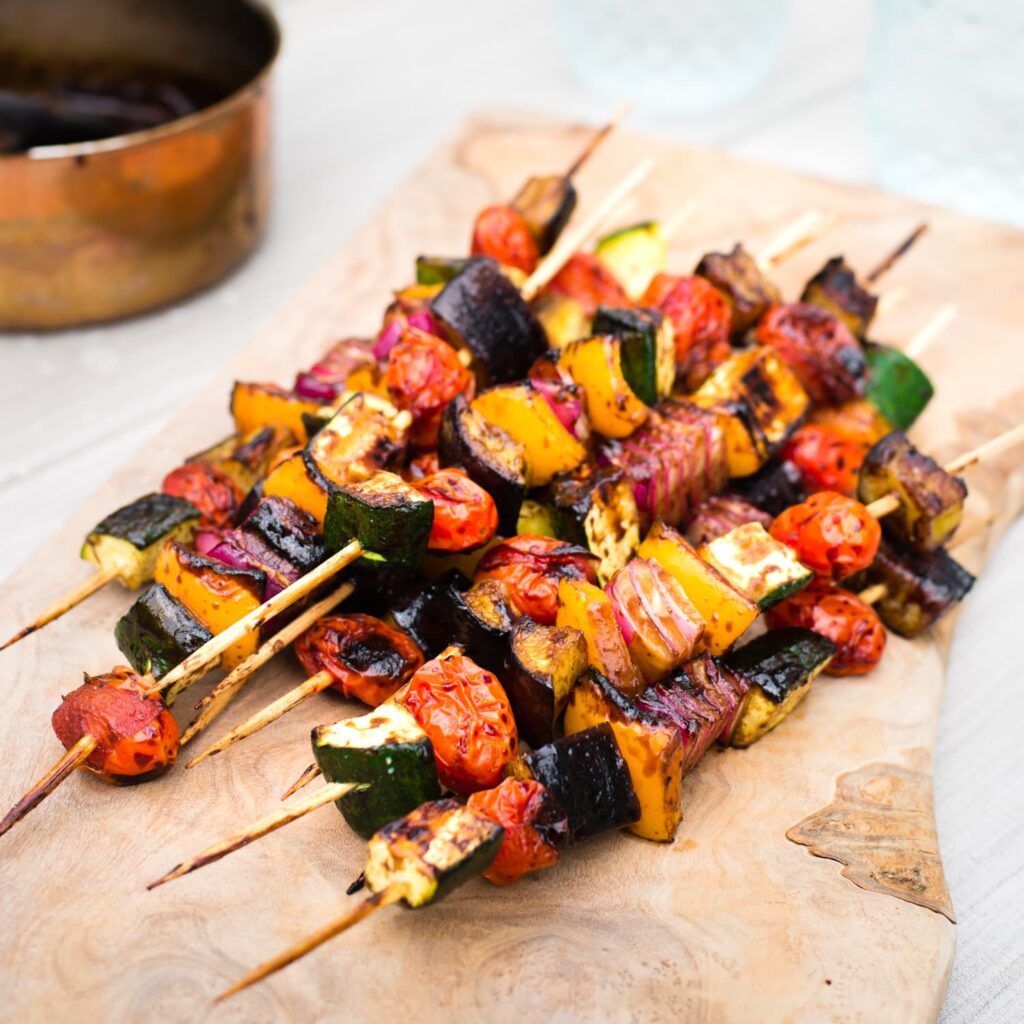
Store-bought vegetables may look appealing, but they often lack the intense flavor and freshness of homegrown produce. When you grow your own, you control what goes into the soil—no chemicals, no preservatives, just pure, natural goodness.
Freshly harvested vegetables have higher vitamin and mineral content. Their natural sugars are more concentrated, making them sweeter and more flavorful when grilled. Plus, tending to your plants and watching them thrive brings a deep sense of fulfillment. Every skewer you grill later becomes a story of your hard work and connection to the earth.
Growing your kebab ingredients also reduces your environmental footprint by minimizing packaging waste and transportation emissions—making it a deliciously sustainable choice.
Choosing the Best Vegetables for Veggie Kebabs
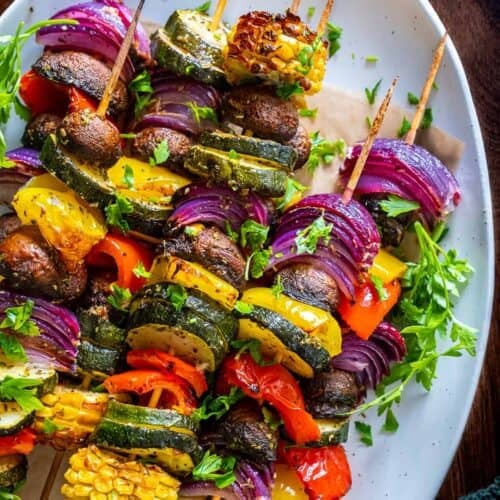
A great kebab starts with the right mix of vegetables. You want a combination that balances texture, color, and flavor—and holds up well on the grill.
Here are some top garden vegetables perfect for grilling:
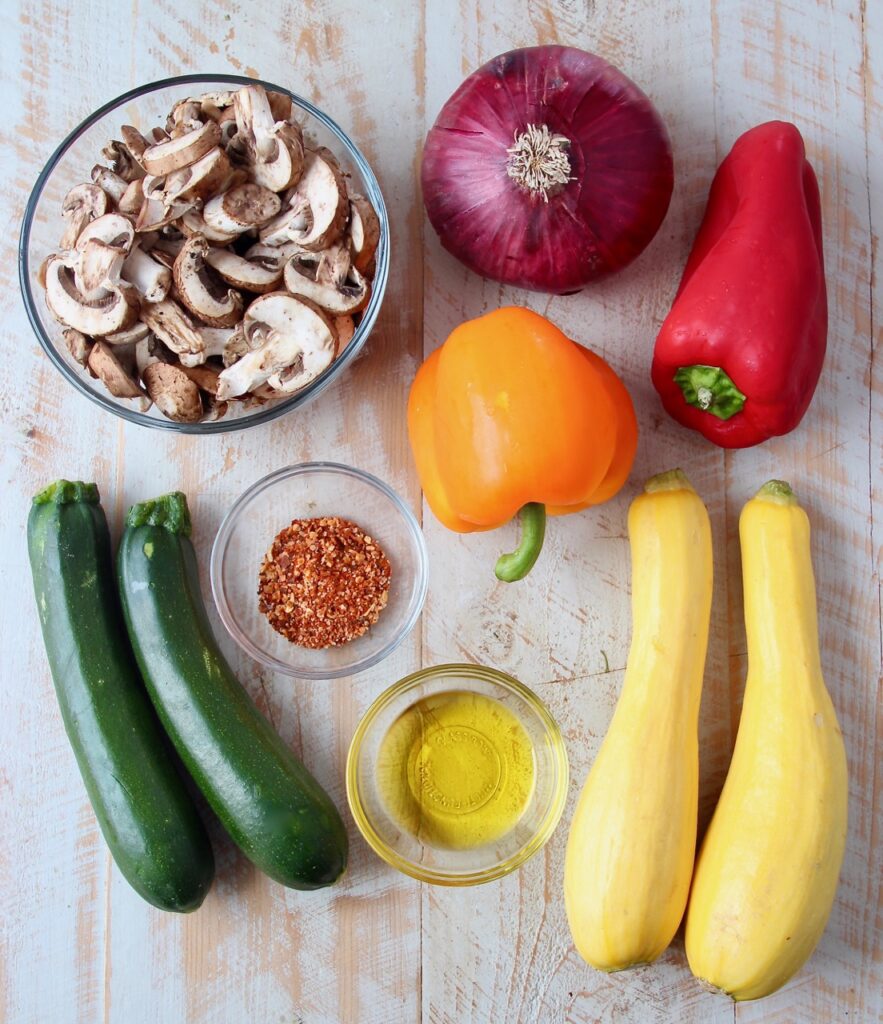
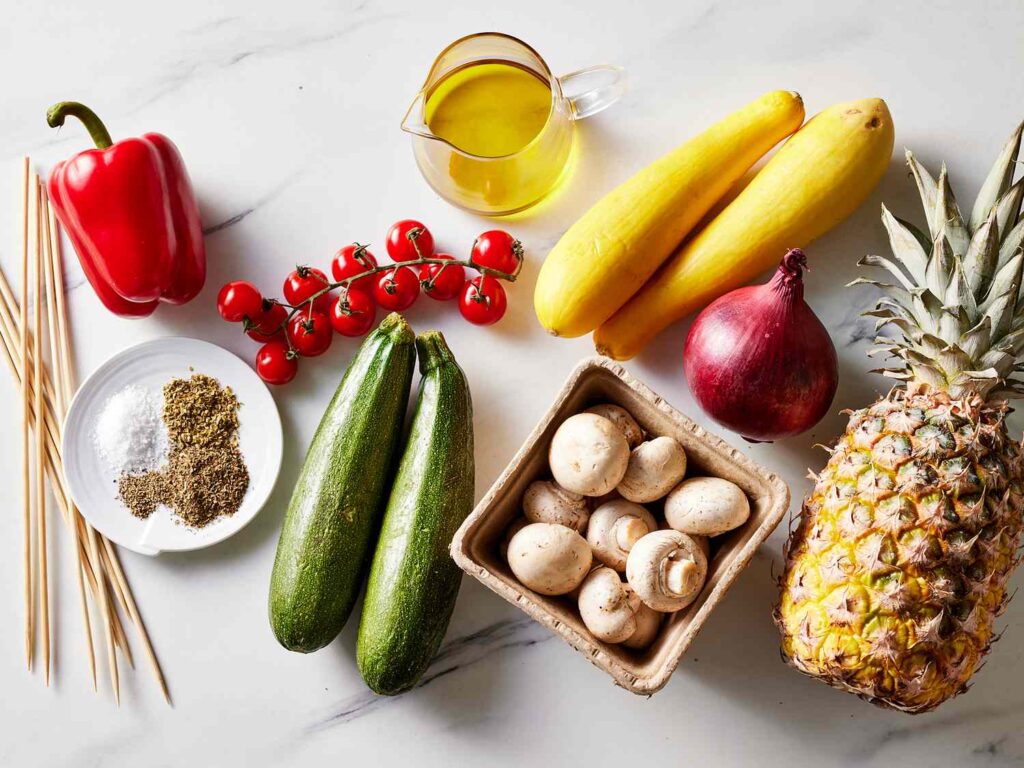
- Bell Peppers: Sweet, colorful, and full of crunch. They add vibrancy and balance smoky flavors beautifully.
- Zucchini and Yellow Squash: Mild in flavor and quick to cook, they absorb marinades perfectly.
- Cherry Tomatoes: Juicy bursts of sweetness that caramelize slightly on the grill.
- Mushrooms: Meaty and earthy, they add depth and richness—especially portobellos or creminis.
- Onions: Red or yellow onions add tangy-sweet flavor when grilled.
- Eggplant: Slightly smoky and soft when cooked, making it a great base for kebab variety.
If you want to take your kebabs up a notch, consider growing corn, baby potatoes, or paneer/firm tofu companions to mix with your vegetables. The goal is to have a rainbow of flavors and textures in every bite.
Planning Your Garden for a Perfect Kebab Harvest
To ensure your veggie kebab dreams come true, you’ll want a garden plan that supports staggered harvests. That way, you can pick fresh produce all summer long.
- Choose a Sunny Spot: Most kebab vegetables—especially peppers, tomatoes, and squash—need at least 6–8 hours of sunlight daily.
- Soil Preparation: Enrich your soil with organic compost, manure, or slow-release natural fertilizers. A loamy, well-draining soil is best for vegetable growth.
- Watering Schedule: Keep soil evenly moist, especially during flowering and fruiting. Deep watering encourages strong root systems.
- Crop Rotation: Avoid planting the same type of vegetable in the same spot year after year to prevent nutrient depletion and pests.
Planting Guide for Key Kebab Veggies
- Peppers & Tomatoes: Start seeds indoors 6–8 weeks before the last frost, then transplant outside once it’s warm.
- Zucchini & Squash: Directly sow seeds after frost. They thrive in warm soil.
- Onions: Start from sets or seedlings in early spring.
- Eggplants: Similar to peppers, they prefer heat—plant them after the soil has fully warmed up.
- Mushrooms: You can grow mushrooms indoors or in shaded garden spots using kits or composted logs.
Keep a balance of early and late-maturing vegetables to keep your garden productive for grilling season.
Harvesting for Peak Flavor
Timing is everything. Harvest vegetables at their peak ripeness to get the best texture and taste on your grill.
- Peppers: Harvest when firm and fully colored—green, red, or yellow, depending on variety.
- Tomatoes: Pick when fully ripe and slightly soft to the touch.
- Zucchini/Squash: Best when small to medium-sized; large ones can get watery.
- Eggplants: Glossy skin indicates ripeness. Dull skin means it’s overripe.
- Onions: Wait until tops start to flop over, then pull and cure them in a dry, airy spot.
Freshly harvested vegetables don’t need much to shine—just a little seasoning and heat.
Prepping Your Garden Harvest for the Grill
Once your basket is filled with fresh produce, it’s time to transform it into kebabs that are as beautiful as they are delicious.
1. Cleaning and Cutting
Wash vegetables thoroughly under cool water to remove any dirt or residue. Cut them into uniform chunks so they cook evenly—around 1 to 1.5 inches thick.
2. Marinating for Maximum Flavor
A great marinade infuses your veggies with layers of taste while keeping them juicy on the grill. Here’s a simple, garden-inspired marinade:
Ingredients:
- ¼ cup olive oil
- 2 tbsp lemon juice or balsamic vinegar
- 2 cloves garlic, minced
- 1 tsp Dijon mustard (optional)
- 1 tsp honey or maple syrup
- 1 tsp salt
- ½ tsp black pepper
- 1 tbsp chopped fresh herbs (basil, oregano, thyme, or parsley)
Whisk everything together and toss your vegetables in the mixture. Let them marinate for at least 30 minutes—or up to 4 hours for deeper flavor.
3. Assembling Kebabs
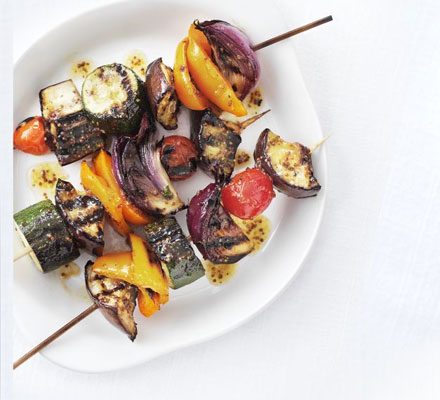
Thread vegetables onto metal or soaked wooden skewers, alternating colors for a visually stunning presentation. For example: red pepper → zucchini → onion → tomato → mushroom → yellow squash → repeat.
Keep sturdier veggies (like onion and pepper) on the ends to hold everything in place.
Grilling Techniques for Perfect Veggie Kebabs
Grilling veggies is an art. Done right, it brings out smoky sweetness, a slight char, and that irresistible caramelized edge.
Gas or Charcoal Grill?
Both work beautifully, but charcoal gives a deeper smoky flavor—ideal for those garden-fresh kebabs.
Grill Setup:
- Preheat the grill to medium-high heat (about 375–400°F or 190–200°C).
- Oil the grates lightly to prevent sticking.
- Place kebabs across the grill grates for even cooking.
Cooking Time:
Grill kebabs for 10–15 minutes, turning every 3–4 minutes until the veggies are tender and lightly charred. Brush with leftover marinade as they cook for extra flavor and shine.
Finishing Touches:
Before serving, squeeze fresh lemon juice over the kebabs and sprinkle with chopped herbs like cilantro or parsley for a burst of freshness.
Creative Twists for Vegetarian Kebabs
While the classic mix of peppers, onions, and squash is unbeatable, don’t be afraid to experiment:
- Mediterranean Kebabs: Add olives, cherry tomatoes, and cubes of feta or tofu; drizzle with tzatziki.
- Asian-Inspired Kebabs: Marinate in soy sauce, sesame oil, and ginger for a sweet-savory twist.
- Indian-Style Kebabs: Use paneer cubes, sprinkle garam masala, and serve with mint chutney.
- Herb Garden Kebabs: Use fresh rosemary or thyme sprigs as skewers for a fragrant infusion.
Pair your kebabs with a side of grilled flatbread, couscous, or a simple herb rice for a wholesome meal.
Preserving and Reusing Your Harvest
If you’ve grown more vegetables than you can grill at once, there are plenty of ways to store them:
- Freezing: Blanch and freeze peppers, zucchini, and squash for later grilling.
- Pickling: Preserve onions, peppers, and cherry tomatoes in vinegar-based brine for tangy accompaniments.
- Drying Herbs: Dry or freeze your homegrown herbs to use in future marinades.
This ensures your garden flavors live on even after the growing season ends.
The Garden-to-Grill Experience: More Than a Meal
Grilling vegetables from your own garden isn’t just cooking—it’s an experience. It’s the culmination of months of care, sunshine, soil, and water coming together on a skewer. Each kebab carries the taste of the season and the satisfaction of self-sufficiency.
It’s also a social affair. Imagine an evening in your backyard, the scent of sizzling vegetables in the air, friends gathered around, laughter blending with the sounds of grilling—the ultimate celebration of nature, flavor, and community.
Final Thoughts
“From Garden to Grill” isn’t just a catchy phrase—it’s a lifestyle that connects you to the source of your food and transforms ordinary meals into extraordinary experiences. Growing your own produce for veggie kebabs lets you embrace freshness, sustainability, and creativity in every bite.
So this season, let your garden inspire your grill. Sow the seeds, nurture your plants, harvest your bounty, and thread your story onto every skewer. Because nothing tastes quite as good as vegetables grown with love—and grilled to perfection under the open sky.