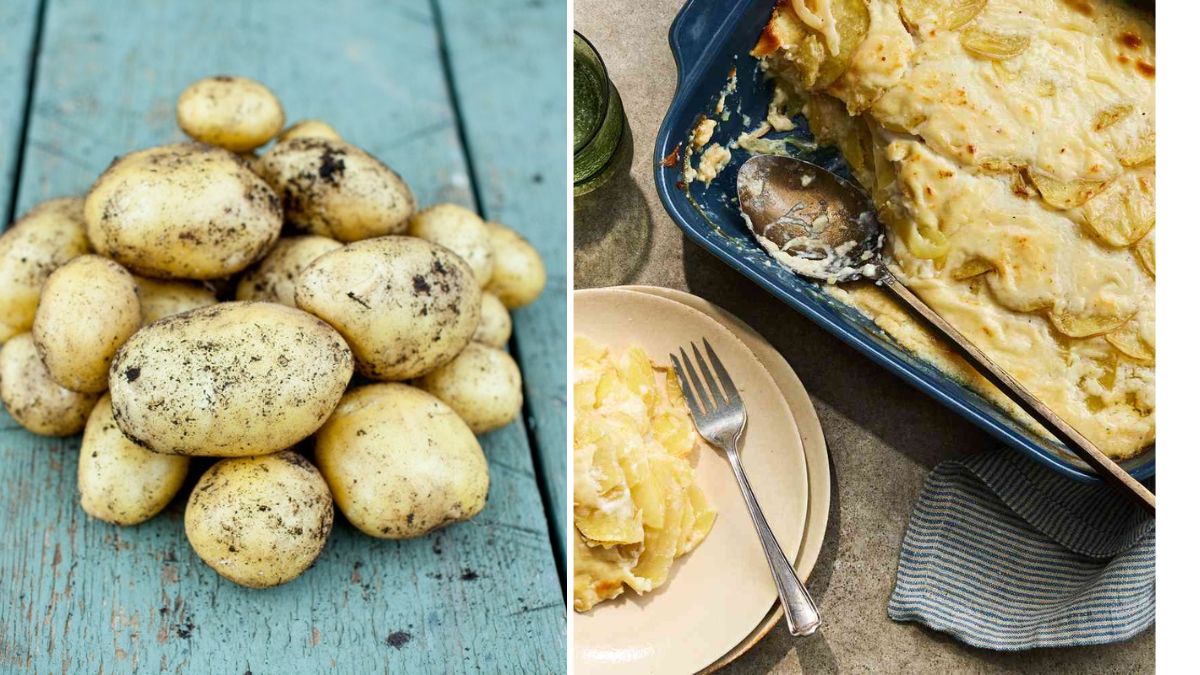
Few comfort foods can rival the creamy, cheesy layers of a perfectly baked scalloped potato casserole. Golden on top, soft and tender underneath, and bursting with rich, buttery flavor—this dish is a timeless favorite for family dinners, potlucks, and festive feasts alike. But here’s a secret most home cooks overlook: the type of potato you use can make or break your scalloped potato casserole.
If you’re passionate about cooking and love gardening, growing your own potatoes tailored specifically for your favorite scalloped dishes is a rewarding endeavor. Not only will you enjoy the freshest, most flavorful tubers possible, but you’ll also gain full control over the texture and taste of your casseroles.
This guide will walk you through everything you need to know—from the best potato varieties for scalloped potatoes to how to grow, harvest, and store them so you can enjoy delicious casseroles straight from your garden to your table.
Why the Right Potato Matters
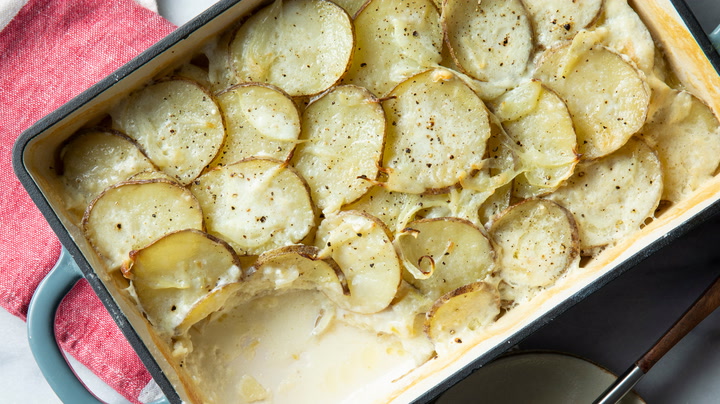
Scalloped potato casseroles rely heavily on the natural starches in potatoes to achieve their signature creamy texture. When sliced thin and baked in milk or cream, potatoes release starch that thickens the sauce, binding the layers together into a rich, cohesive dish.
Use the wrong potato, and you risk a runny casserole that won’t hold its shape—or one that’s too starchy and gummy. Choosing the correct variety is essential for achieving that silky, tender bite every time.
Generally, potatoes fall into three categories: starchy, waxy, and all-purpose.
- Starchy potatoes (like Russets) are high in starch and low in moisture. They absorb flavors well and create thick, creamy sauces—but can fall apart easily when sliced thin.
- Waxy potatoes (like Red or New Potatoes) hold their shape beautifully, but their low starch content means the sauce may stay thinner.
- All-purpose potatoes (like Yukon Golds) offer the perfect balance of creaminess and structure—making them the best overall choice for scalloped casseroles.
Top Potato Varieties for Scalloped Potato Casseroles
1. Yukon Gold
If there’s a gold standard for scalloped potatoes, it’s Yukon Gold. These all-purpose potatoes have a naturally buttery flavor and a medium starch content that delivers the perfect balance of creamy texture and structural integrity.
- Flavor Profile: Subtly buttery and earthy
- Texture: Smooth, creamy, and holds its shape when baked
- Ideal For: Classic scalloped potatoes, au gratin, and creamy casseroles
When baked, Yukon Golds turn beautifully golden on top and stay soft and tender inside, creating that quintessential melt-in-your-mouth experience.
2. Russet Potatoes
Russets are another top choice for scalloped potato casseroles—especially if you prefer an ultra-creamy, melt-together dish. Their high starch content helps thicken the sauce naturally without added flour or cornstarch.
- Flavor Profile: Mild and neutral, allowing the cream and cheese to shine
- Texture: Fluffy and soft when cooked
- Ideal For: Extra-creamy casseroles where you don’t mind some potato edges blending into the sauce
However, Russets can disintegrate if overcooked, so slice them thick and handle gently during layering.
3. Kennebec Potatoes
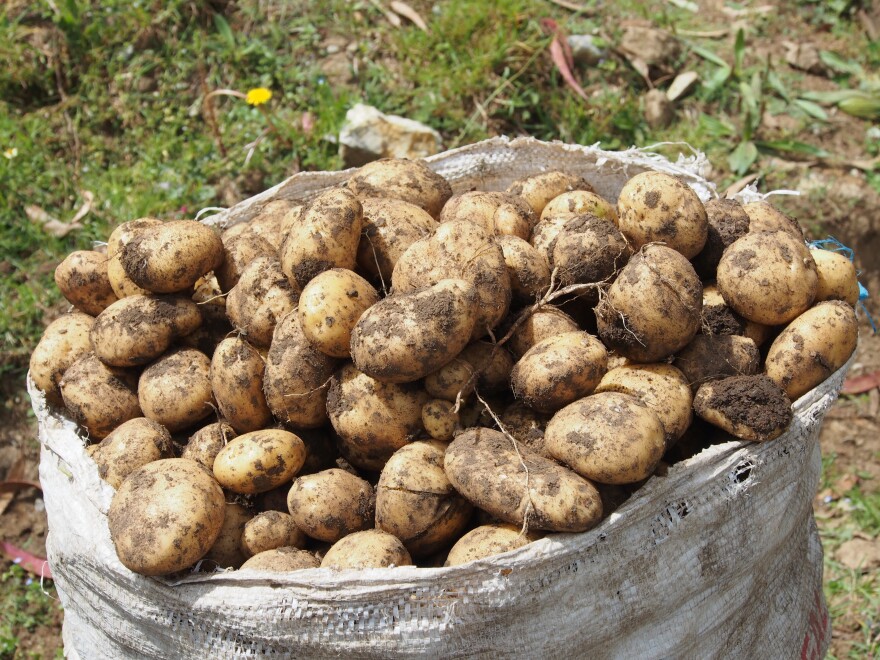
A favorite among chefs and home gardeners alike, Kennebecs are known for their balanced texture and outstanding flavor. These potatoes maintain shape while still yielding a creamy interior—perfect for a well-layered scalloped dish.
- Flavor Profile: Slightly nutty and rich
- Texture: Balanced; firm enough for layering, creamy when baked
- Ideal For: Layered casseroles that need structure and smoothness
Kennebecs also store well, meaning you can enjoy garden-fresh casseroles all winter long.
4. Red Potatoes
If you like your scalloped potatoes a bit chunkier and less mushy, red potatoes are an excellent option. Their waxy nature means they won’t fall apart, giving the casserole a slightly firmer texture with visible layers.
- Flavor Profile: Slightly sweet and earthy
- Texture: Firm and holds shape
- Ideal For: Rustic-style scalloped potatoes with visible layers
Pair them with extra cream or cheese to counter their low starch content and achieve the creamy consistency you crave.
5. Desiree Potatoes
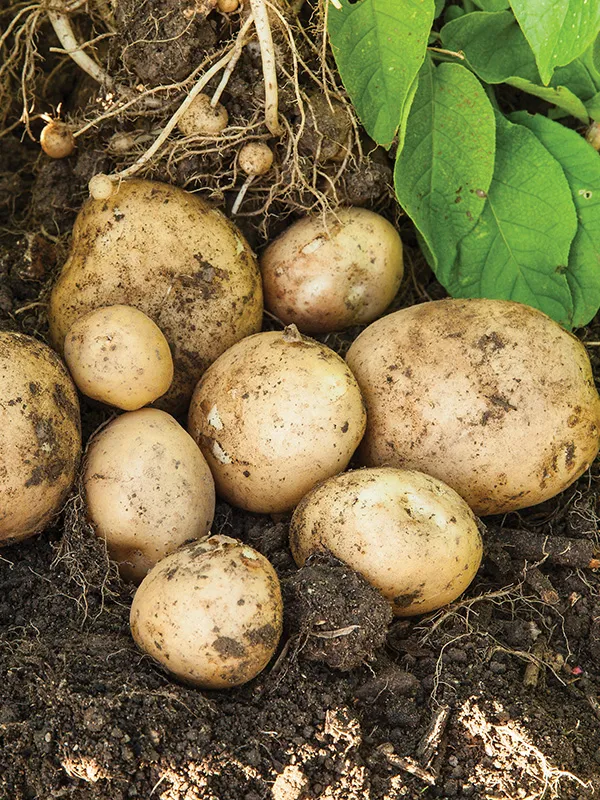
Originating in Europe, Desiree potatoes are renowned for their smooth, creamy consistency and subtle sweetness—making them a wonderful choice for baked casseroles.
- Flavor Profile: Mild, with a hint of sweetness
- Texture: Creamy yet firm
- Ideal For: Lighter scalloped dishes or vegetarian versions with herbs and olive oil
Their attractive pinkish skin and yellow flesh also add a beautiful visual touch to your garden and plate.
How to Grow the Perfect Potatoes for Your Casseroles
Growing your own potatoes may sound intimidating, but it’s one of the easiest and most rewarding crops for a kitchen gardener. With just a bit of planning and care, you’ll have your own stash of casserole-ready potatoes within a few months.
1. Choose the Right Spot
Potatoes thrive in full sunlight and well-draining soil. Choose a garden bed or large container that receives at least 6–8 hours of direct sunlight daily.
2. Prepare the Soil
Potatoes prefer loose, slightly acidic soil (pH 5.5–6.0). Mix compost or aged manure into the top 8–10 inches of soil to enrich it. Avoid compacted or clay-heavy soil, as this can restrict tuber growth.
3. Select and Prepare Seed Potatoes
Buy certified seed potatoes from a nursery to avoid disease. Cut large ones into chunks about the size of a golf ball, ensuring each has 1–2 “eyes” (sprouts). Let them dry for 24 hours before planting.
4. Planting
- Timing: Plant 2–3 weeks before the last expected frost.
- Spacing: Dig trenches 3 inches deep and space seed pieces 12 inches apart, with rows 2.5 feet apart.
- Planting: Place seed pieces cut-side down, eye side up, and cover with soil.
5. Hilling
As plants grow to about 8 inches tall, mound soil around the stems (“hilling”) to protect tubers from sunlight and encourage more growth. Repeat this every couple of weeks until the plants flower.
6. Watering and Feeding
Keep soil consistently moist but never soggy. Water deeply once a week. Fertilize every 4–6 weeks with an organic, low-nitrogen formula to encourage tuber formation.
7. Pest Control
Watch out for Colorado potato beetles and aphids. Use natural deterrents like neem oil or companion plants such as marigolds and basil.
Harvesting and Storing Your Potatoes
When the leaves begin to yellow and die back, your potatoes are ready for harvest—typically 10–12 weeks for early varieties and 15–20 weeks for main crops.
Gently dig around the base of each plant with a garden fork, lifting the tubers without damaging the skin. Let them dry in a cool, shaded spot for a few hours. For long-term storage, cure them in a dark, well-ventilated area for about 10 days to toughen the skins.
Store in a cool, dark place (40–50°F) in paper bags or burlap sacks. Properly stored, they’ll last for months—ready to become creamy scalloped masterpieces any time you wish.
Cooking with Homegrown Potatoes: Scalloped Perfection
Once your potatoes are harvested, you’re ready to make the ultimate scalloped potato casserole.
Basic Creamy Scalloped Potatoes Recipe
Ingredients:
- 2 lbs Yukon Gold or Kennebec potatoes, thinly sliced
- 2 tablespoons butter
- 1 small onion, finely chopped
- 3 cups milk or half-and-half
- 2 tablespoons flour
- 1 teaspoon salt
- ½ teaspoon black pepper
- 1 cup shredded cheese (optional for au gratin style)
- Fresh thyme or parsley for garnish
Instructions:
- Preheat Oven: 375°F (190°C).
- Make Sauce: Melt butter in a saucepan, add onions, and sauté until soft. Stir in flour, whisk, then slowly add milk until smooth. Season with salt and pepper.
- Layer Potatoes: Arrange a layer of potato slices in a greased baking dish. Pour sauce over the top, sprinkle cheese (if using), then repeat until all ingredients are used.
- Bake: Cover with foil and bake for 40 minutes. Uncover and bake another 20–30 minutes until golden brown and bubbling.
- Serve: Let rest 10 minutes before serving for perfect slicing.
The creamy texture, delicate layers, and natural buttery flavor of your garden-fresh potatoes will make this dish unforgettable.
Conclusion: From Soil to Supper
Growing your own potatoes for scalloped casseroles connects two simple joys—gardening and cooking. From tending the soil to layering your first homemade casserole, you’ll discover that the secret to great comfort food begins long before the oven turns on.
Whether you choose the velvety Yukon Gold, the hearty Russet, or the balanced Kennebec, your garden will reward you with the freshest, most flavorful potatoes for your kitchen. Each bite of your creamy, golden casserole will carry the unmistakable taste of homegrown goodness—a reminder that the best meals are truly born from the ground up.