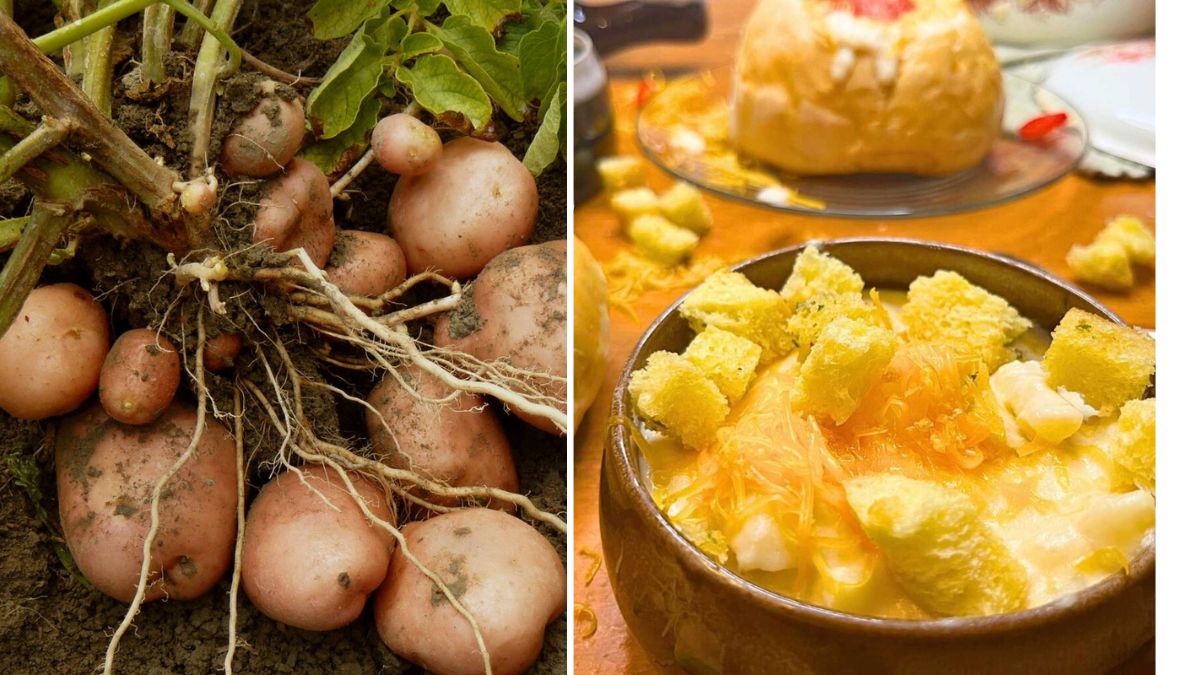
Few things bring as much comfort as a steaming bowl of creamy potato soup on a cool day. Now imagine making that same velvety, heartwarming dish using potatoes you grew yourself. The flavor is richer, the texture is more satisfying, and the experience of cooking with your own harvest adds a wholesome touch that no store-bought produce can replicate.
Growing your own potatoes for a vegetarian potato soup isn’t just about gardening—it’s about embracing a lifestyle that values freshness, sustainability, and connection to the food you eat. Whether you’re a seasoned gardener or just beginning your green-thumb journey, this guide will help you grow perfect garden-fresh potatoes and transform them into a silky, savory soup your whole family will love.
Why Garden-Fresh Potatoes Make the Best Soup

When you use fresh potatoes straight from the soil, you’re cooking with ingredients at their nutritional and flavor peak. Unlike store-bought potatoes that may have been in storage for months, garden potatoes are crisp, earthy, and naturally rich in starch—the secret to achieving that luscious creamy texture without relying on heavy cream or artificial thickeners.
Additionally, by growing your own, you can select specific varieties that are ideal for soups. Freshly dug potatoes also contain more vitamins and minerals, especially vitamin C and potassium, both of which can degrade over time during long-term storage.
In short, garden-fresh potatoes don’t just taste better—they make your meals healthier, more sustainable, and more personal.
Choosing the Best Potato Varieties for Soup
For creamy vegetarian potato soup, you’ll want varieties that balance starch and moisture. Too starchy, and your soup might become gluey; too waxy, and it won’t have that smooth, melt-in-your-mouth texture.
Here are a few excellent choices:
- Yukon Gold: With their buttery flavor and medium starch level, these are the gold standard for creamy soups. They mash beautifully and lend a natural richness.
- Russet Potatoes: High in starch, these create a thick, smooth soup base and absorb flavors wonderfully.
- Red Potatoes: These hold their shape well, making them perfect if you prefer chunkier soup with visible potato bites.
- Kennebec: A classic all-purpose variety with an earthy flavor and creamy interior.
If space allows, plant a mix of varieties—you’ll enjoy a range of textures and tastes in your cooking.
Planting Garden Potatoes: Step-by-Step Guide

1. Pick the Right Spot
Potatoes love full sunlight, so choose a part of your garden that gets at least six to eight hours of direct light daily. The soil should be loose, fertile, and well-draining. Avoid areas where you’ve grown tomatoes, peppers, or eggplants in the past two years to prevent soil-borne diseases.
2. Prepare the Soil
Work compost or aged manure into the soil about two weeks before planting. Potatoes prefer slightly acidic soil with a pH of 5.0–6.0. Loosen the soil to a depth of at least 10 inches to encourage tuber growth.
3. Select and Cut Seed Potatoes
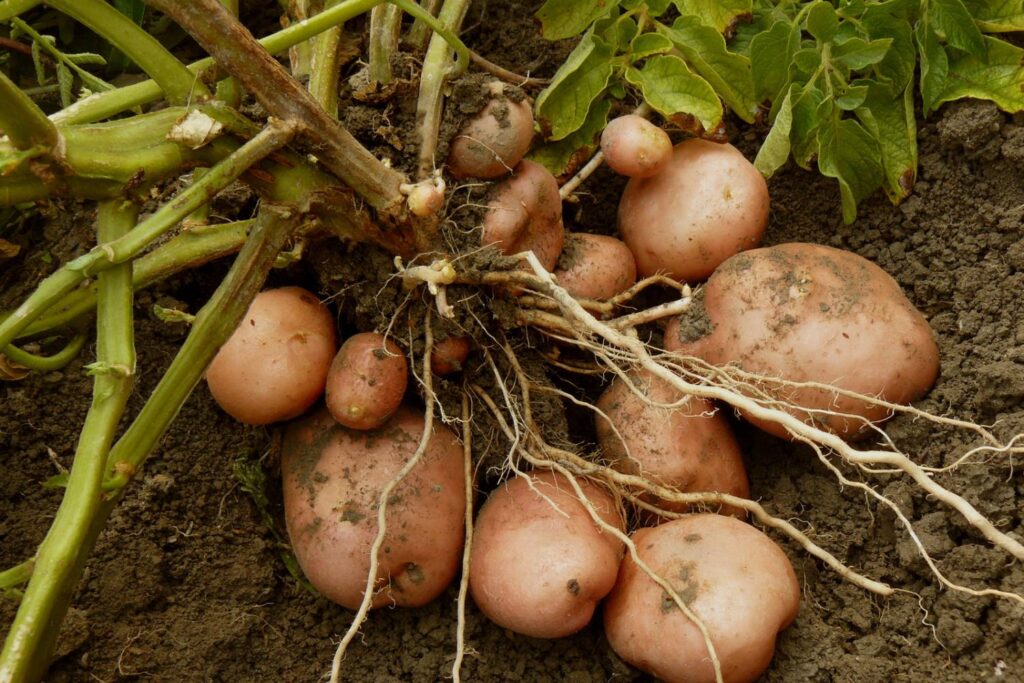
Purchase certified seed potatoes from a reputable supplier. These are disease-free and designed for planting. Cut large seed potatoes into chunks about the size of a golf ball, ensuring each piece has at least one or two “eyes” (sprouts). Let them dry for 24–48 hours to prevent rot.
4. Planting
Plant the seed pieces 4 inches deep, eyes facing up, and space them about 12 inches apart in rows that are 2.5–3 feet apart. Cover lightly with soil.
5. Watering and Care
Keep the soil consistently moist but not waterlogged. Water deeply once or twice a week. As the plants grow to about 6–8 inches tall, mound soil around the stems (called “hilling”) to cover the lower leaves. This protects the tubers from sunlight, which can turn them green and bitter.
6. Feeding the Plants
Potatoes benefit from regular feeding. Use an organic, low-nitrogen fertilizer every 4–6 weeks to promote tuber development rather than leafy growth.
7. Watch for Pests
Common potato pests include Colorado potato beetles and aphids. Handpick beetles or use natural deterrents like neem oil or companion planting with basil or marigolds.
Harvesting and Storing Your Potatoes
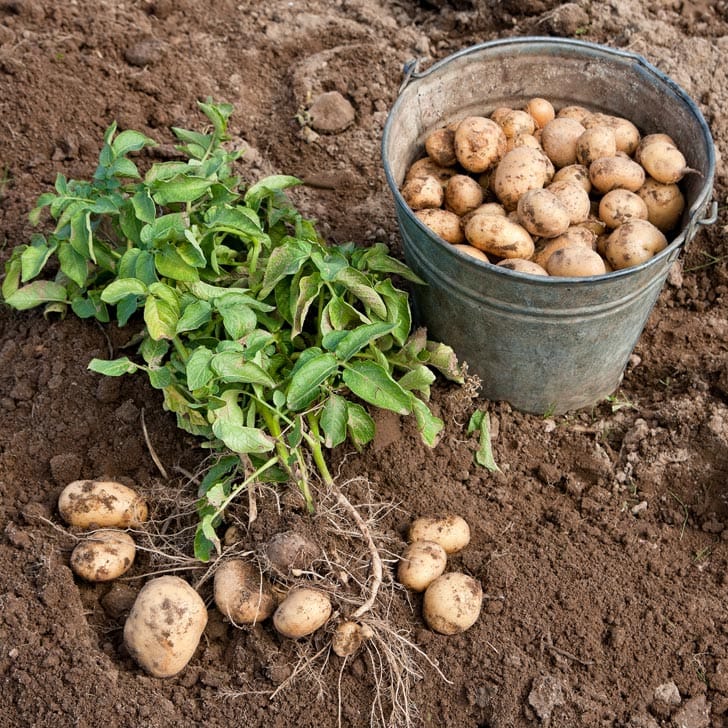
When the plants start to yellow and wilt, your potatoes are ready for harvest—usually 15–20 weeks after planting. For new potatoes (smaller and tender), you can harvest earlier, around 10–12 weeks.
Use a garden fork to gently lift the plants, starting a few inches away from the stem to avoid piercing the tubers. Shake off loose soil and let them dry for a few hours in a shaded, well-ventilated area.
If you plan to store them, cure your potatoes for about 10 days in a cool, dark place (around 45–60°F). This process thickens their skins and improves shelf life. Store them in burlap sacks or ventilated boxes in a dark, dry place—never refrigerate, as cold temperatures turn their starches into sugar.
Turning Your Harvest Into Creamy Vegetarian Potato Soup
Now that your potatoes are fresh from the garden, it’s time to transform them into the ultimate comfort dish—creamy vegetarian potato soup.
Ingredients:
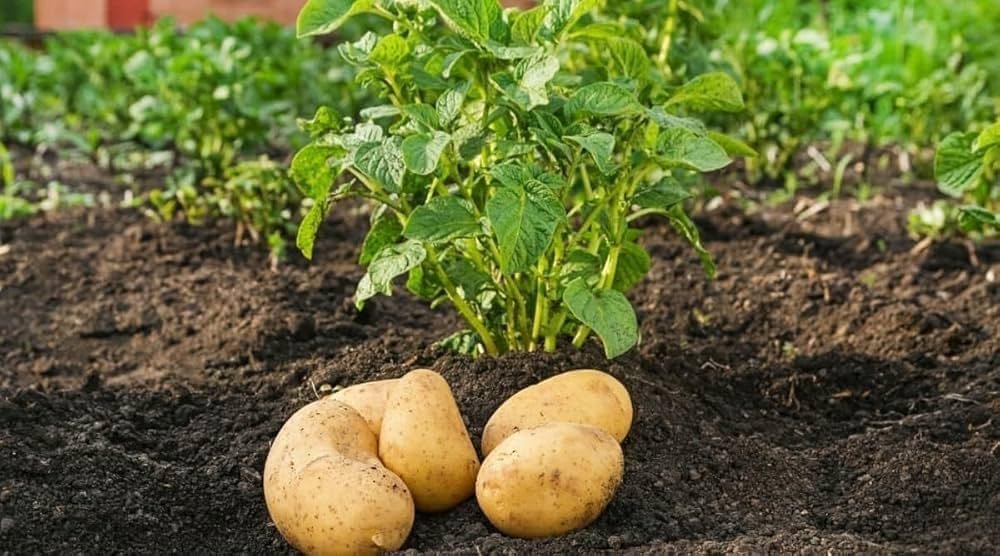
- 4–5 medium Yukon Gold or Russet potatoes, peeled and diced
- 1 tablespoon olive oil or butter
- 1 large onion, chopped
- 2 cloves garlic, minced
- 2 medium carrots, diced
- 2 celery stalks, chopped
- 4 cups vegetable broth
- 1 cup milk (or plant-based milk like oat or almond)
- ½ cup cream or coconut cream (optional for extra richness)
- Salt and black pepper to taste
- Fresh herbs (thyme, parsley, or chives) for garnish
Instructions:
- Sauté the Base:
In a large pot, heat olive oil or butter over medium heat. Add the chopped onion, garlic, carrots, and celery. Cook until softened and aromatic, about 5–7 minutes. - Add Potatoes and Broth:
Add diced potatoes to the pot and pour in the vegetable broth. Bring to a boil, then reduce the heat and simmer for about 15–20 minutes, until the potatoes are tender. - Blend for Creaminess:
Use an immersion blender to puree about half the soup directly in the pot. This creates a creamy base while keeping some chunks for texture. Alternatively, transfer half the soup to a blender, puree it, then pour it back in. - Add Milk and Season:
Stir in milk (or plant-based milk) and optional cream. Simmer gently for another 5 minutes—do not boil, as this may cause curdling. Season with salt and pepper to taste. - Garnish and Serve:
Ladle the soup into bowls and top with fresh herbs, a drizzle of olive oil, or even some crunchy homemade croutons.
This hearty, creamy soup pairs beautifully with crusty bread or a green salad for a well-balanced vegetarian meal.
Tips for the Perfect Potato Soup
- Don’t Overblend: Over-pureeing can make your soup gummy. Blend only part of the soup to retain texture.
- Add Flavor Boosters: For a deeper flavor, roast your garlic before adding it, or toss in a bay leaf during simmering.
- Go Plant-Based: Substitute dairy with coconut milk or cashew cream for a vegan version that’s equally creamy.
- Experiment with Add-Ins: Add corn, spinach, leeks, or mushrooms for added nutrition and variety.
The Joy of Garden-to-Table Cooking
There’s something magical about cooking with ingredients that you’ve nurtured from seed to harvest. Every spoonful of your creamy vegetarian potato soup will remind you of the time, patience, and care you poured into growing your potatoes. It’s not just about taste—it’s about connection.
Home gardening encourages mindful eating and reduces waste, all while giving you fresher, healthier produce. The process transforms your kitchen into an extension of your garden, where the distance from soil to soup pot is measured in footsteps, not miles.
Conclusion: A Bowl of Comfort Grown by You
From preparing the soil to savoring your first spoonful, growing your own potatoes for vegetarian potato soup is an experience that nourishes both body and soul. You’ll find that the joy of pulling fresh potatoes from the earth and transforming them into a creamy, comforting meal is unmatched.
With every bowl, you’ll taste the rewards of patience, care, and the magic of homegrown food—a creamy testament to the power of simple, garden-fresh ingredients.
So grab your shovel, plant those seed potatoes, and start your journey toward the most satisfying bowl of soup you’ll ever enjoy—because the best meals truly begin in your garden.