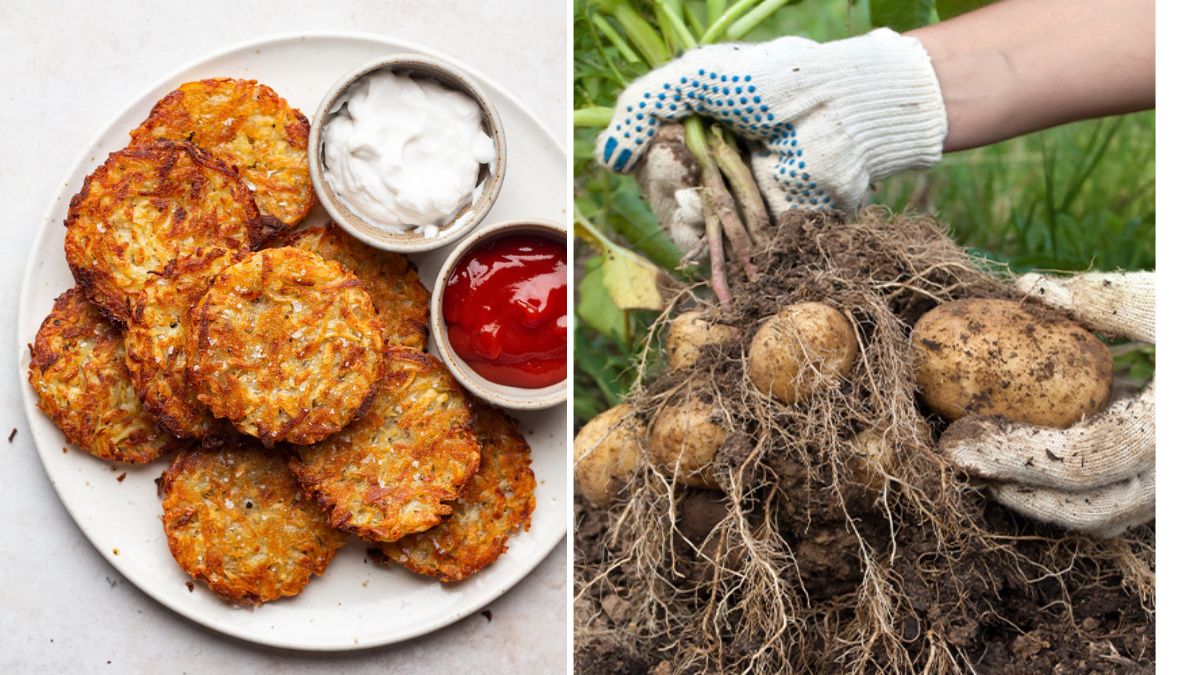
There’s nothing quite like waking up to the golden crunch of homemade hash browns—especially when you know the potatoes came straight from your own backyard. Fresh, earthy, and full of flavor, homegrown potatoes bring an entirely new level of satisfaction to your breakfast plate. Whether you’re a passionate gardener, a plant-based cook, or simply someone who enjoys the simple pleasure of comfort food, growing your own potatoes is an easy, rewarding way to elevate your kitchen creations.
This guide will take you through everything you need to know—from selecting the right potato varieties to harvesting and turning them into crispy, golden veggie hash browns that taste like sunshine on a plate.
Why Grow Your Own Potatoes?
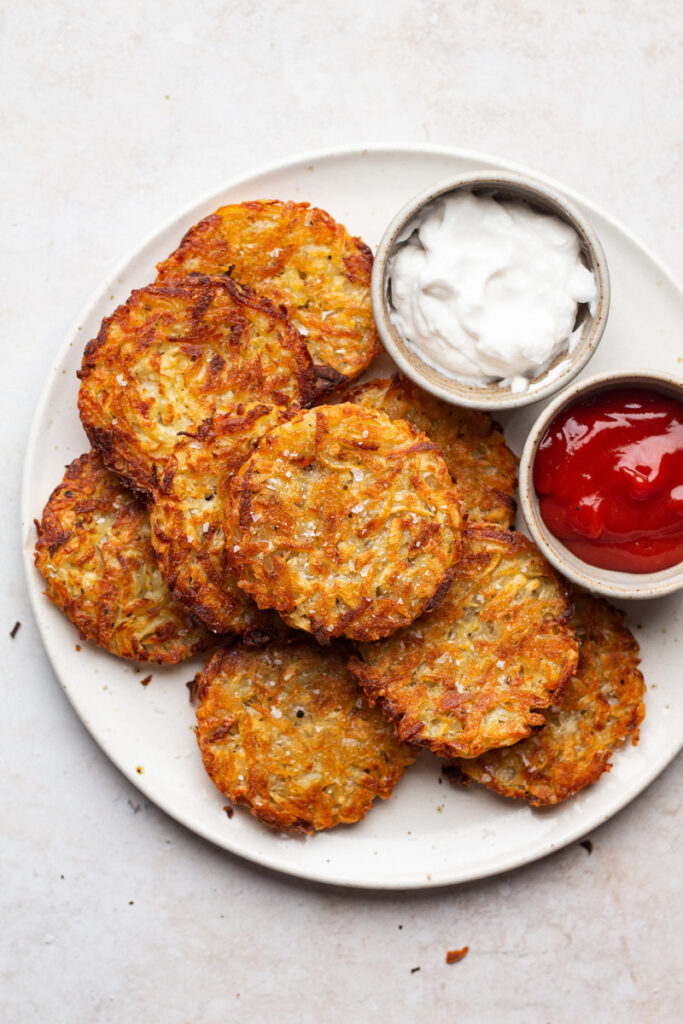
Potatoes are one of the easiest and most forgiving crops to grow, making them ideal for both beginner and seasoned gardeners. Unlike some vegetables that demand constant attention, potatoes thrive with minimal fuss. A little sunlight, loose soil, and occasional watering are all they need to yield a bountiful harvest.
Beyond simplicity, growing your own potatoes comes with a host of benefits:
- Superior Flavor: Homegrown potatoes are fresher and have a richer, more complex taste than store-bought ones, which often lose flavor during storage and transportation.
- Chemical-Free Harvest: You control what goes into your soil—no unwanted pesticides or preservatives.
- Variety Choice: From Yukon Golds to Red Norlands and Russets, you can grow varieties tailored to your favorite recipes, including crispy hash browns.
- Sustainability: Backyard gardening reduces your carbon footprint by cutting down on packaging and transport emissions.
And let’s not forget—digging up those first potatoes feels like striking culinary gold.
Choosing the Right Potato Variety for Hash Browns
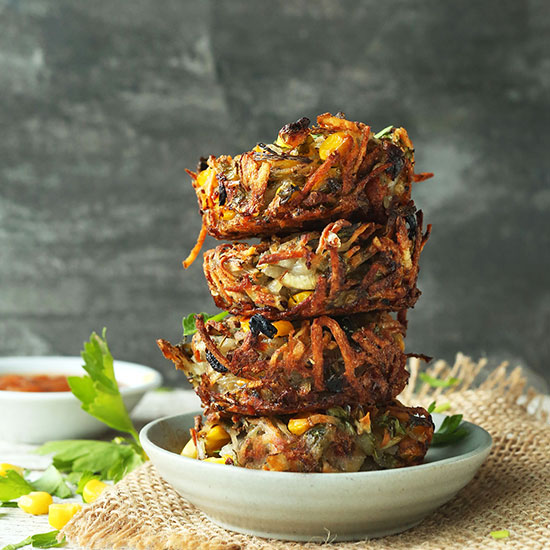
Not all potatoes are created equal when it comes to hash browns. The perfect hash browns are crispy on the outside and soft on the inside, which means you need potatoes with a balance of starch and moisture.
Here are some top picks:
- Russet Potatoes: High in starch, these are ideal for that signature crispy texture. Their fluffy interiors also help absorb seasonings beautifully.
- Yukon Golds: Slightly waxier and buttery, they give hash browns a golden color and a rich flavor that pairs well with herbs and spices.
- Red Potatoes: These have a firmer texture and mild taste, making them perfect if you like your hash browns a little chunkier.
If you’re feeling adventurous, try planting a mix of varieties to discover your personal favorite for frying perfection.
Planting Your Potatoes: Step-by-Step
1. Choose a Planting Spot
Potatoes love sunlight—choose a location that gets at least six hours of direct sunlight daily. The soil should be loose, well-draining, and rich in organic matter. Avoid areas where you’ve recently grown tomatoes or peppers, as these plants share diseases that can affect potatoes.
2. Prepare the Soil
Loosen the soil about 8–10 inches deep and mix in compost or well-rotted manure to boost nutrients. Aim for a slightly acidic soil with a pH between 5.0 and 6.0.
3. Select and Cut Seed Potatoes
Buy certified seed potatoes from a garden center (not grocery store potatoes, which are often treated to prevent sprouting). Cut them into pieces, each with at least one or two eyes (small sprouting buds). Let them dry for a day or two before planting to reduce rot risk.
4. Plant the Seed Potatoes
Plant each piece about 4 inches deep and 12 inches apart, with the eyes facing upward. Space rows about 2.5 to 3 feet apart for easy hilling and harvesting later.
5. Hill and Maintain
As the potato plants grow (usually about 6 inches tall), gently mound soil around the stems to cover the lower leaves. This “hilling” process keeps the developing tubers from being exposed to sunlight, which can turn them green and toxic. Continue hilling every few weeks.
6. Water and Feed
Keep the soil consistently moist but not waterlogged. Potatoes need about 1 to 2 inches of water per week. Midway through the season, add a potassium-rich organic fertilizer to encourage tuber growth.
Harvesting Your Homegrown Potatoes
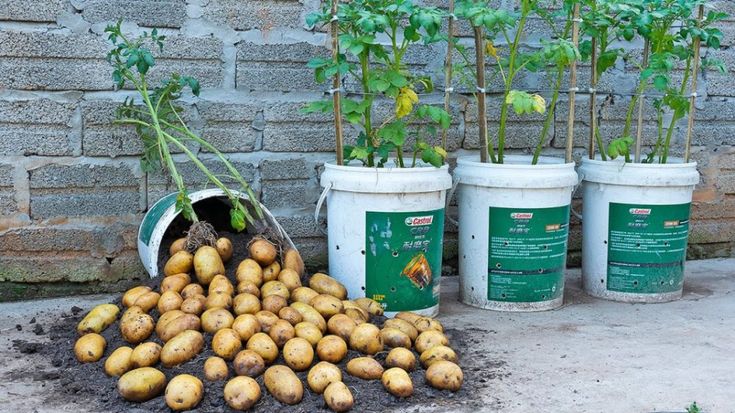
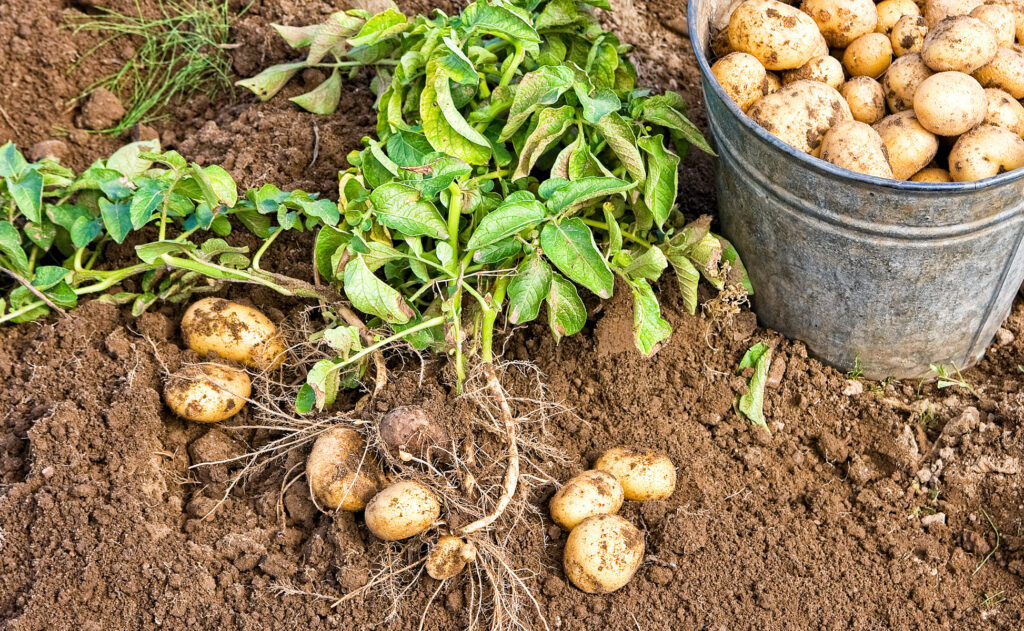
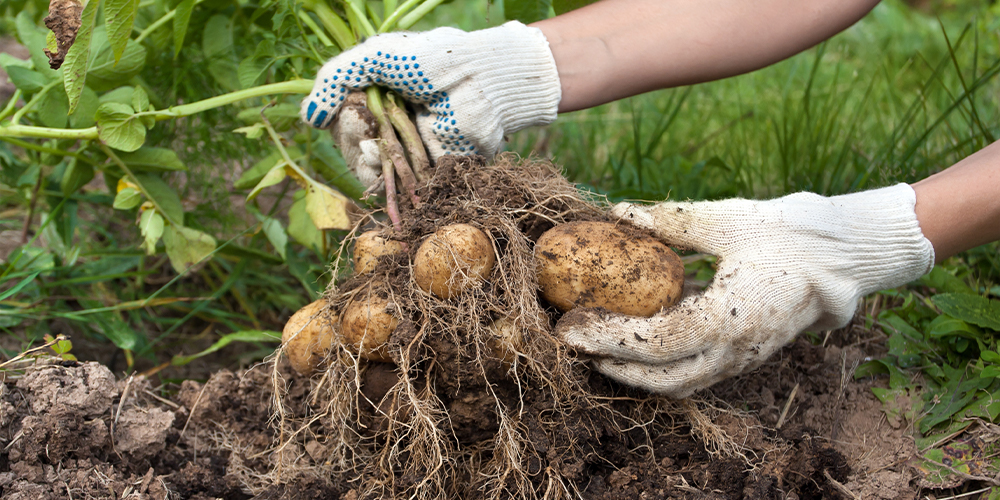
Potatoes are typically ready for harvest about 10–12 weeks after planting for new potatoes or 15–20 weeks for mature ones. When the foliage starts to yellow and wilt, it’s time to dig in!
Use a garden fork to gently lift the plants, starting a few inches away to avoid damaging the tubers. Brush off excess dirt but don’t wash them until you’re ready to cook—washing can shorten their storage life.
Cure the potatoes by laying them in a cool, dark, well-ventilated place for about 10 days. This helps toughen their skins for better storage.
From Garden to Griddle: Making the Perfect Veggie Hash Browns
Now comes the fun part—turning your backyard bounty into breakfast bliss!
Ingredients:
- 4 medium homegrown potatoes (Russet or Yukon Gold)
- 1 small onion (optional, for flavor)
- Salt and black pepper to taste
- Olive oil or butter for frying
- Fresh herbs like parsley or chives (optional)
Instructions:
- Prep the Potatoes:
Peel (if desired) and grate the potatoes using a coarse grater. Place the grated potatoes in a bowl of cold water to remove excess starch—this helps them crisp up better. Soak for about 5–10 minutes. - Drain and Dry:
Drain the potatoes and squeeze out as much moisture as possible using a clean towel or paper towel. The drier they are, the crispier your hash browns will be. - Season:
Add salt, pepper, and finely chopped onion if you like a bit of sweetness and crunch. - Cook:
Heat olive oil or butter in a skillet over medium heat. Spread the grated potatoes evenly across the pan and press down gently with a spatula. Cook for about 4–5 minutes per side or until golden and crispy. - Serve:
Top with herbs, avocado, a sprinkle of vegan cheese, or even a dollop of sour cream. Pair them with scrambled tofu or sautéed veggies for a wholesome plant-based meal.
Troubleshooting Common Potato Problems
Even though potatoes are easy to grow, a few challenges can pop up:
- Green Potatoes: Caused by sun exposure—ensure proper hilling.
- Blight or Rot: Rotate crops annually and avoid overwatering.
- Pests (like Colorado potato beetles): Use neem oil or handpick beetles off plants.
With a little attention, you can easily keep your plants healthy and productive.
Savoring the Satisfaction
When you take that first crispy bite of a hash brown made from your own potatoes, you’ll understand why so many gardeners call potatoes the “gateway crop.” They’re simple to grow, endlessly versatile, and connect you to the food on your plate in a deeply rewarding way.
Whether you’re cultivating a small kitchen garden or a larger backyard plot, homegrown potatoes are a delicious and sustainable addition to your cooking adventures. From soil to skillet, you’ll discover that the journey of growing your own food doesn’t just fill your stomach—it fills your soul.
So, grab a shovel, plant those seed potatoes, and get ready to enjoy golden, crispy hash browns made with love—from your garden straight to your breakfast table.