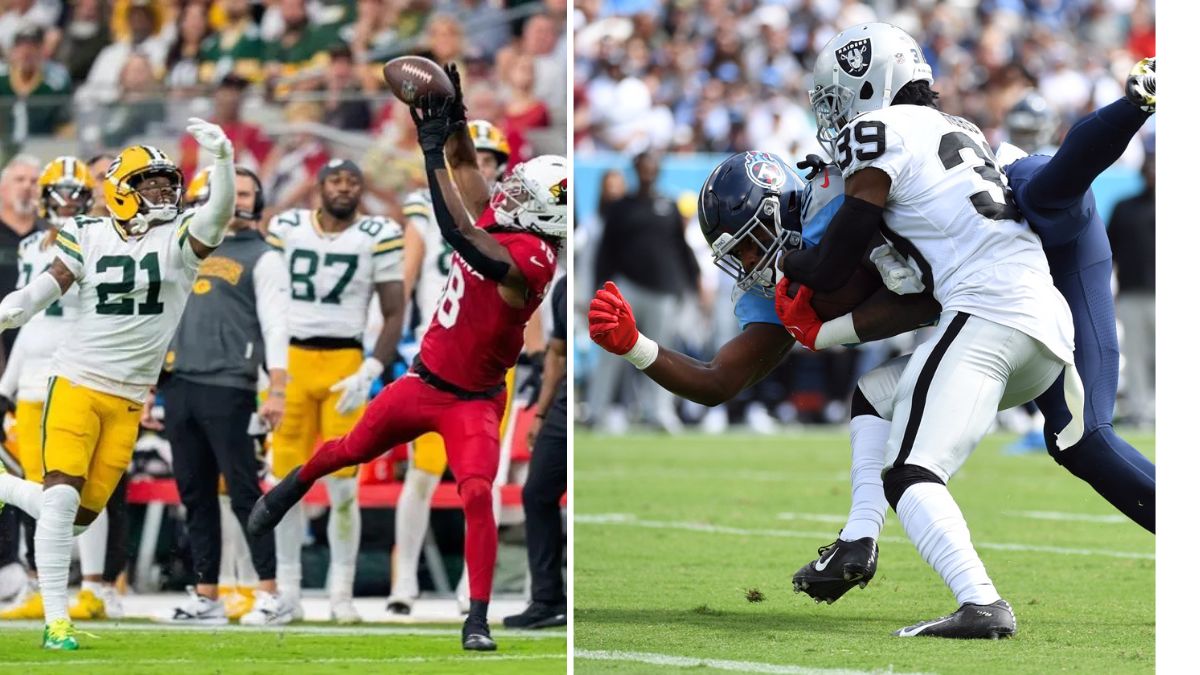
The Green Bay Packers’ 2025 season has been filled with experiments — some born out of necessity, others out of ambition. But few have gone as poorly as the team’s decision to transition Nate Hobbs from his proven role in the slot to a full-time outside cornerback. What began as a creative move aimed at maximizing flexibility in the secondary has instead become one of the most glaring weak points on the Packers’ defense.
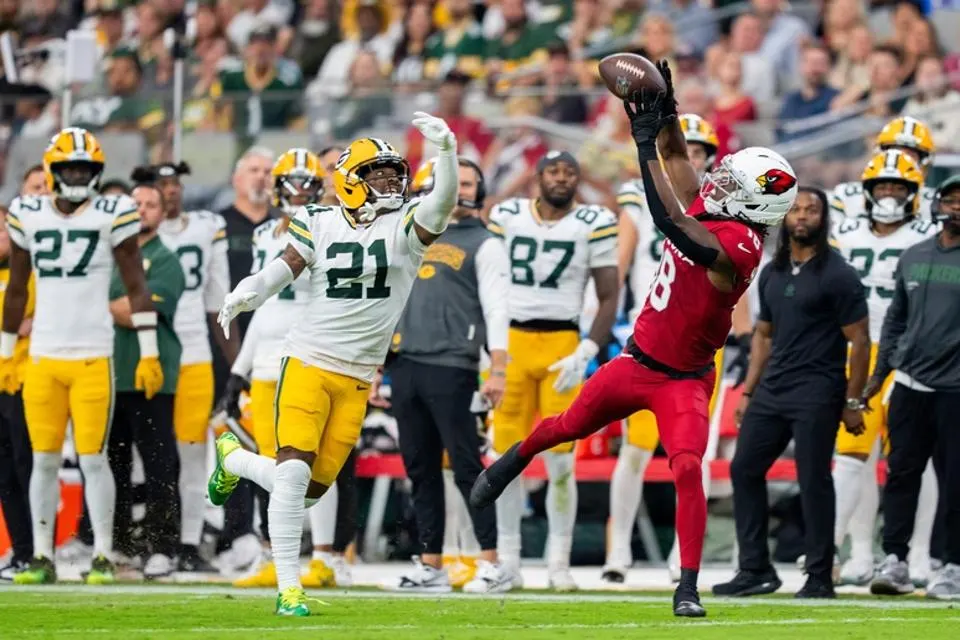
In Week 7 against the Arizona Cardinals, Hobbs’ struggles reached an uncomfortable low point. According to NFL Pro, the league’s player tracking system, Hobbs allowed the second-most receiving yards of any outside cornerback in the league that week — a staggering performance that underscores the growing problem Green Bay now faces.
A Risky Experiment Gone Wrong
When the Packers signed Nate Hobbs this offseason, the move made sense on paper. Hobbs had shown flashes of brilliance during his time with the Las Vegas Raiders, particularly as a slot defender. Known for his aggressiveness, physical tackling, and ability to disrupt timing routes, he was considered one of the better slot corners available in free agency.
But the Packers, desperate for help on the perimeter following injuries and depth issues at cornerback, saw potential in expanding Hobbs’ role. They hoped his athleticism and instincts would translate to the outside, where the demands are different but the rewards can be high.
Unfortunately, that gamble has not paid off.
Through seven weeks of the 2025 season, Hobbs has ranked near the bottom of nearly every major coverage metric for outside cornerbacks. His passer rating allowed sits at an alarming 138.7, per NFL Pro — a number that places him among the league’s least effective defenders in coverage. Out of 49 cornerbacks who have played at least 140 snaps outside this year, only two — Dallas’ Trevon Diggs and Los Angeles’ Emmanuel Forbes — have allowed worse ratings.
Both Diggs and Forbes, it should be noted, have struggled for entirely different reasons. Diggs has battled injuries and even spent time benched by the Cowboys’ coaching staff. Forbes, meanwhile, was waived by the Washington Commanders last December and has barely seen the field with the Rams since Week 4.
That’s the company Hobbs currently keeps — not exactly reassuring for a Packers team that’s counting on him to stabilize the secondary.
The Arizona Game: A Reality Check
Hobbs’ struggles came to a head in Week 7 during Green Bay’s matchup with the Arizona Cardinals. The Cardinals, led by a developing quarterback and a young receiving corps, repeatedly targeted Hobbs’ side of the field — and found consistent success doing so.
NFL Pro’s advanced tracking data revealed that Hobbs conceded the second-most yards allowed by any cornerback in the league that week. The only defender who allowed more was Minnesota’s Isaiah Rodgers, who surrendered 157 yards through the air on just 25 coverage snaps.
It was a humbling outing that not only exposed Hobbs’ limitations in space but also highlighted a growing schematic issue for defensive coordinator Joe Barry. The Packers’ defensive structure relies heavily on corners who can win one-on-one matchups outside, allowing safeties and linebackers to focus on run support and interior coverage.
When a corner like Hobbs consistently loses those battles, it strains the entire system — forcing safeties to cheat over, limiting blitz packages, and creating vulnerabilities elsewhere.

From Strength to Struggle: The Slot vs. Outside Dilemma
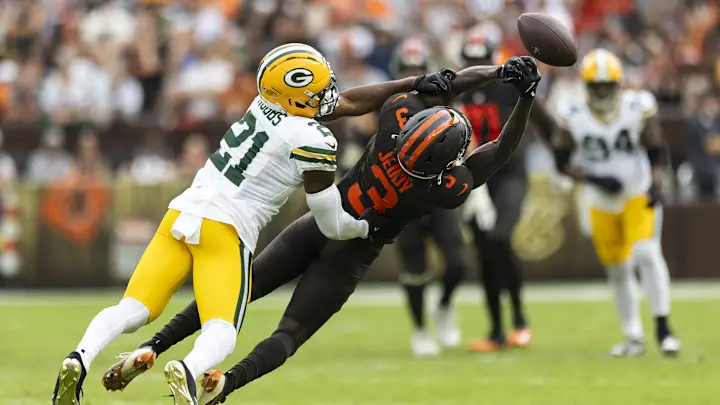
The frustration around Hobbs’ struggles is amplified by the fact that he has a proven track record of success — just not at this position. During his four seasons with the Raiders, Hobbs spent more than twice as many snaps in the slot as he did outside. And in that role, he thrived.
In the slot, Hobbs could leverage his quick reaction time and tackling ability, using his physical style to jam receivers and attack underneath routes. He was particularly effective against shifty slot receivers and in run support — areas where instincts and aggressiveness matter more than long-speed or elite reach.
However, playing on the perimeter is a different world entirely. Outside corners face longer throws, deeper routes, and elite athletes who can exploit the slightest misstep. Technique, length, and recovery speed become essential — and Hobbs, at 5-foot-11, simply doesn’t have the physical profile of a prototypical outside corner.
His transition to the boundary has exposed those limitations. Quarterbacks have identified him as a mismatch, and offensive coordinators have adjusted accordingly, attacking his side with deep comebacks, go routes, and crossing patterns that exploit his angles.
The Numbers Paint a Painful Picture
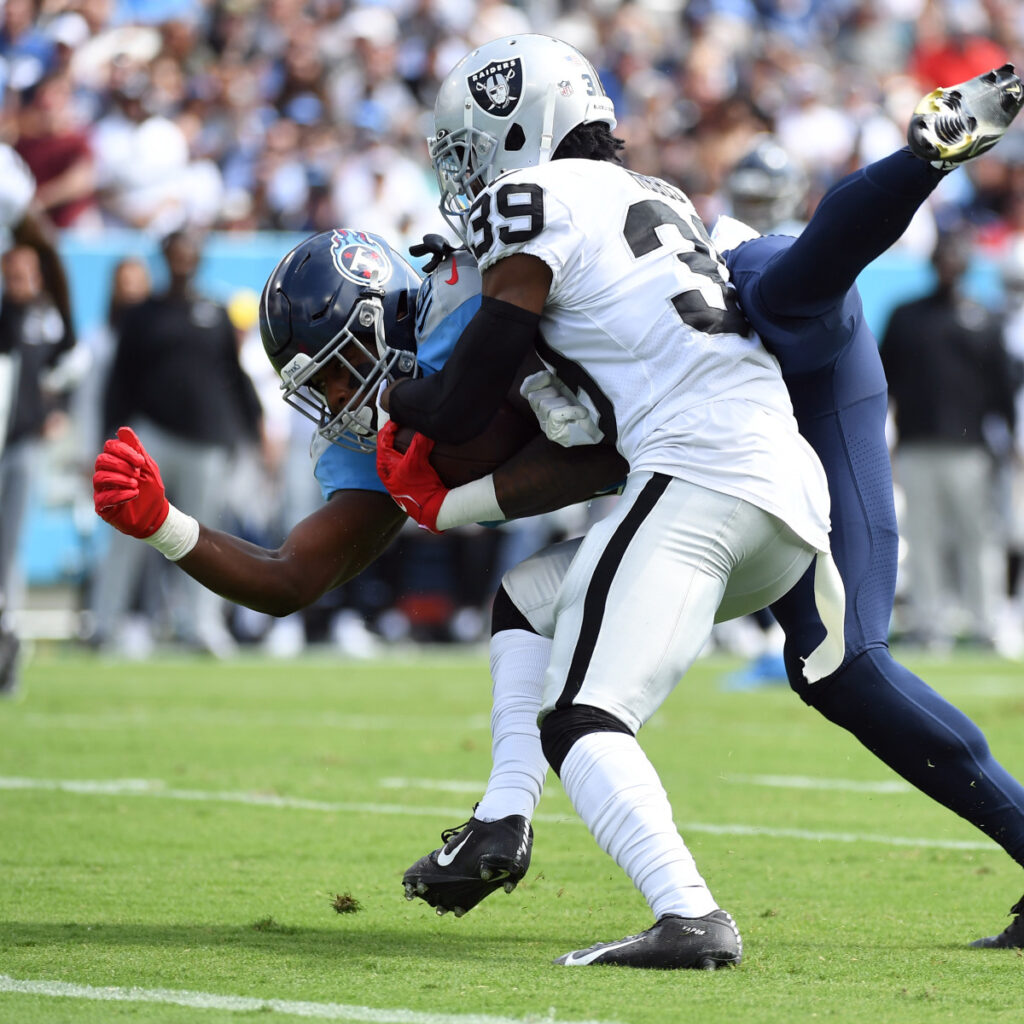
Beyond just the eye test, the analytics further confirm the problem. According to Pro Football Focus, Hobbs graded out as the second-worst defender on the Packers’ entire roster in Week 7, ahead of only rookie defensive end Barryn Sorrell.
Sorrell’s struggles are understandable — he’s been forced into a rotational defensive tackle role at just 256 pounds due to injuries on the line. But Hobbs’ poor grades carry more weight, as he’s playing a position the team specifically retooled to accommodate.

Opponents are completing passes against Hobbs at a high rate, with most of the damage coming on intermediate and deep throws — a red flag that his coverage technique and recovery speed are both lagging.
When paired with his high yards-allowed totals, the data suggests that opposing quarterbacks are not just finding success against him — they’re actively seeking him out.
Coaching Responsibility: A Misstep in Evaluation
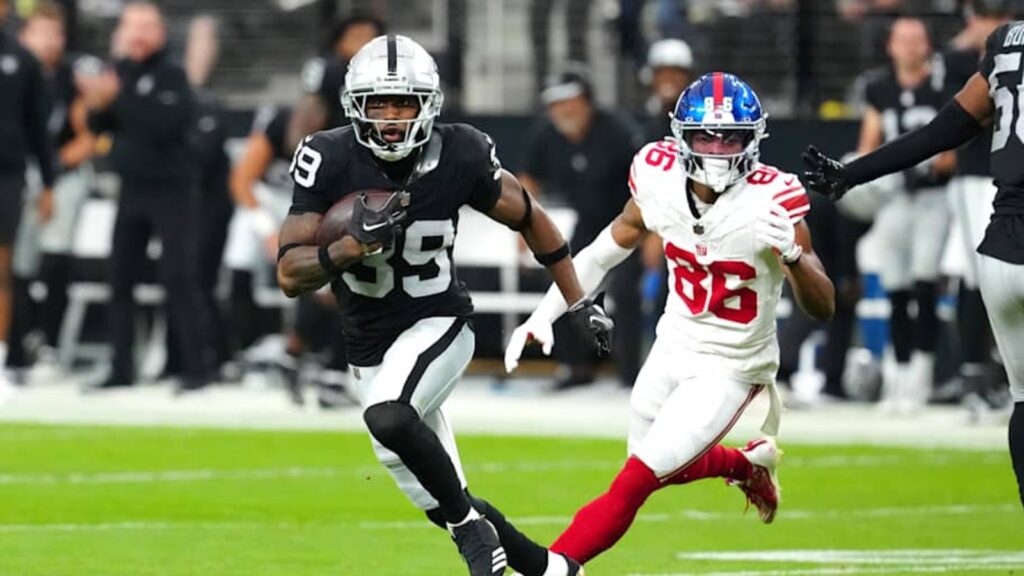
The Packers’ coaching staff deserves a fair share of scrutiny for this experiment. While the idea of expanding a player’s versatility is commendable, the decision to move Hobbs outside feels like a misjudgment of both skill set and scheme fit.
Defensive coordinator Joe Barry’s system thrives on structure and discipline — two traits Hobbs certainly brings. However, Barry’s defense also relies heavily on corners who can hold up in press coverage and maintain leverage downfield. Those are not areas where Hobbs has historically excelled.
Instead of maximizing Hobbs’ proven slot strengths, the Packers appear to have overestimated his adaptability. The move has not only hurt the team defensively but may also be affecting Hobbs’ confidence — something no coach wants to risk midseason.
What Comes Next: Time for a Change
At this point, it’s clear that something needs to change. The Packers can no longer afford to leave Hobbs on an island outside, especially as they fight to stay competitive in the NFC North.
The most logical move is to transition Hobbs back to his natural role in the slot — where his quickness, tackling ability, and aggressiveness can once again become assets instead of liabilities.
Doing so would require shuffling the secondary, perhaps promoting a younger or less proven player to handle boundary duties. But the potential benefits outweigh the risks. Moving Hobbs back inside could immediately tighten up the defense’s short and intermediate coverage, while reducing the explosive plays Green Bay has allowed downfield.
The Bigger Picture: A Lesson in Fit Over Flexibility
The Nate Hobbs experiment is a reminder that in the NFL, versatility can be a double-edged sword. Coaches often talk about “positionless” football — the idea that players should adapt and fill multiple roles. But when taken too far, that philosophy can backfire, especially when it ignores what a player does best.
Hobbs isn’t a bad player. In fact, in the right context, he can still be an above-average defensive contributor. But forcing him into a role that doesn’t suit his strengths serves neither the player nor the team.
As the Packers continue to develop their identity under Matt LaFleur and Joe Barry, decisions like this one will define how adaptable — or stubborn — this coaching staff truly is.
Conclusion: A Course Correction Before It’s Too Late
The data, the tape, and the results all tell the same story — Nate Hobbs’ transition to outside cornerback simply isn’t working. Whether it’s scheme fit, physical mismatch, or misjudged potential, the experiment has backfired in nearly every measurable way.
For the Packers, the solution is straightforward: admit the mistake, move Hobbs back to his natural position, and adjust the secondary accordingly. With plenty of season left to play, there’s still time to turn things around — but only if the coaching staff is willing to make the hard, honest call.
Because in the NFL, stubbornness is often costlier than failure.
And right now, Green Bay can’t afford either.