The Green Bay Packers find themselves in a fascinating — and unexpected — position midway through the 2025 NFL season. What started as a feel-good story about a young kicker stepping up in an emergency could soon turn into a genuine roster dilemma.
Lucas Havrisik, once on the verge of becoming a substitute teacher, is suddenly the talk of Green Bay. Signed the day before the Packers’ win over the Cincinnati Bengals, Havrisik has not only performed flawlessly in limited action but also etched his name into franchise history by nailing the longest field goal ever made by a Packers kicker — a remarkable achievement for a player who was unsigned mere days earlier.
But now comes the real question: could Havrisik’s dream run lead to a full-time role with Green Bay? And if so, what happens to Brandon McManus, the veteran kicker the Packers invested heavily in during the offseason?
From Substitute Teacher to Record-Setting Kicker
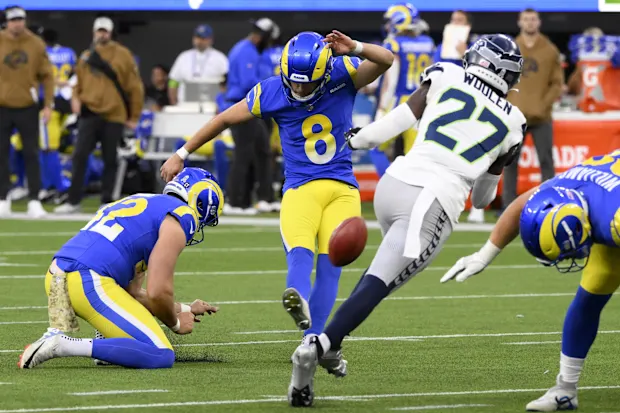
Before diving into the financials and roster logistics, it’s worth revisiting just how improbable Havrisik’s story is. The 25-year-old kicker was not even on an NFL roster at the start of October. His football future looked uncertain — until the Packers called. With Brandon McManus sidelined by a quad injury, the team needed an emergency replacement.
Havrisik responded with a storybook performance. Not only did he handle his duties with poise, but he also shattered a century-old team record, drilling the longest field goal in Packers history. In a season marked by ups and downs, his breakout moment provided fans with a dose of optimism and excitement.
Yet the NFL is a business, and even great moments don’t guarantee long-term job security. For Havrisik to stay, the Packers would need to make a major decision — one that could carry both financial and locker-room consequences.

The McManus Contract: A Complicated Commitment
The Packers’ current kicker, Brandon McManus, signed a three-year, $15.3 million deal during the offseason. The contract included a $5 million signing bonus, signaling Green Bay’s confidence in his reliability and veteran experience.
Under the terms of his deal, McManus’ cap hit across the 2025 and 2026 seasons totals $8.8 million. If the team were to part ways with him, they’d still be on the hook for that signing bonus, which would be spread out over the next two years — about $1.7 million in 2025 and $3.3 million in 2026.
That financial reality complicates things. While cutting McManus outright would free up some future space, it would also trigger significant dead cap penalties — a tough pill to swallow for a franchise still managing several high-value contracts.
However, if a trade partner could be found, the picture changes slightly. A trade would allow the Packers to move some of the financial burden while also potentially acquiring a late-round draft pick or roster asset in return. Still, any team acquiring McManus would need to be comfortable absorbing his salary, which limits the pool of possible suitors.
Havrisik’s Appeal: Youth, Cost, and Potential
From a financial standpoint, Lucas Havrisik offers an appealing alternative. Because he has only one accrued NFL season, he would qualify as an exclusive rights free agent (ERFA) in 2026. That means the Packers could retain him at the league minimum salary, saving millions in the process.
To put that into perspective:

- McManus is set to earn $3.7 million in cash in 2026, including various bonuses and incentives.
- Havrisik, under an ERFA tender, would likely cost around $900,000 or less.
That’s a difference of nearly $3 million in savings, not including the long-term cap relief of moving off McManus’ deal.
But money isn’t the only factor. Havrisik represents youth and upside — qualities that align with the Packers’ ongoing focus on developing a younger, more sustainable roster. His big leg and composure under pressure suggest real potential, though the sample size remains small.
The Reality Check: Four Field Goals Aren’t Enough
As exciting as Havrisik’s emergence has been, four successful field goals don’t yet outweigh McManus’ track record. The veteran has been one of the NFL’s most consistent specialists over the past decade, both in Denver and now in Green Bay.
In fact, McManus has only missed one kick that wasn’t blocked this season — a 48-yard attempt against the Washington Commanders in Week 2. That kind of consistency is precisely why the Packers signed him in the first place.
While Havrisik’s start is impressive, the NFL is littered with stories of young kickers who shined briefly before faltering under the weight of expectations. The sample size simply isn’t large enough for Green Bay to make a hasty decision, especially when McManus has proven reliability in cold-weather conditions and playoff atmospheres.
As one Packers insider put it, “You don’t throw away proven consistency for a four-kick audition.”

The Injury Factor: A Window of Opportunity
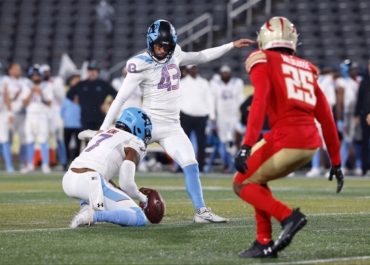
Still, the quad injury to McManus complicates the timeline. The longer he remains out, the more chances Havrisik will get to prove himself — and the more pressure the Packers’ front office will feel to consider their options.
If Havrisik continues to perform flawlessly, the conversation could shift quickly. Momentum matters in sports, especially at a position as mental as kicker. Confidence, rhythm, and perception often shape a team’s decision as much as raw numbers.
Every successful kick by Havrisik increases his credibility. Every missed game by McManus opens the door a little wider. And as the Packers eye a potential playoff run, the coaching staff must weigh short-term reliability against long-term stability.
What a Trade Could Look Like
If Green Bay were to pursue a trade, the most likely scenario would involve sending McManus to a kicker-needy contender. Teams struggling with inconsistency — perhaps due to injury or poor performance — might view McManus as a midseason upgrade.
For Green Bay, the goal wouldn’t be a big return; even a late-round draft pick would suffice. The real reward would be financial flexibility. However, this kind of trade would require perfect timing — and a willing buyer.
The Packers would also have to be convinced that Havrisik can sustain his early success. Replacing a veteran kicker in midseason is always risky, especially in tight games where one miss can swing playoff odds.

The Emotional Side of the Decision
Beyond numbers and contracts, there’s a human element to all of this. McManus has been a respected voice in the Packers’ locker room, known for his professionalism and leadership. His experience is particularly valuable for a young team still developing its identity.
Cutting or trading him would send a clear message — that no job is safe, regardless of tenure or contract size. While that might energize some players, it could also unsettle a locker room that values stability and veteran presence.
Conversely, keeping Havrisik despite his success could frustrate fans who love an underdog story. For many, he embodies the grit and resilience that Green Bay fans admire. Balancing emotion and business will be one of the toughest challenges for general manager Brian Gutekunst and head coach Matt LaFleur.
The Decision Comes Down to “Want To”
Ultimately, this situation is less about ability and more about organizational will. As Justis Mosqueda wrote, “What this will really boil down to is the Packers’ level of want to.”
Do they value the cost savings and future flexibility enough to move off a proven veteran? Or do they prioritize experience and dependability during a critical stretch of the season?
For now, the most realistic scenario is status quo — McManus returns when healthy, and Havrisik remains a temporary fill-in or practice squad option. But if the rookie continues to hit from deep and show ice-cold confidence, the Packers may be forced to revisit the conversation sooner than expected.

Final Thoughts: A Good Problem to Have
In the end, this is a good problem for Green Bay. Having two capable kickers — one proven and one emerging — is a rare luxury in today’s NFL.
Whether Havrisik becomes the long-term answer or simply a memorable midseason story, his journey has already made an impact. He’s shown that opportunity, preparation, and belief can collide in the most unexpected ways.
As for McManus, his return will likely restore order, but the competition he now faces could bring out the best in both players.
The Packers may not make a move this week — or even this season — but the message is clear: no position is guaranteed, and performance speaks louder than contracts.
If nothing else, Green Bay fans can appreciate that their team’s kicking game, long a source of stress in the past, is suddenly a position of strength. Whether it’s McManus’ steadiness or Havrisik’s rising star, the Packers’ special teams are in good hands — and even better legs.