1. Introduction to Growing Honeydew Melons First Time
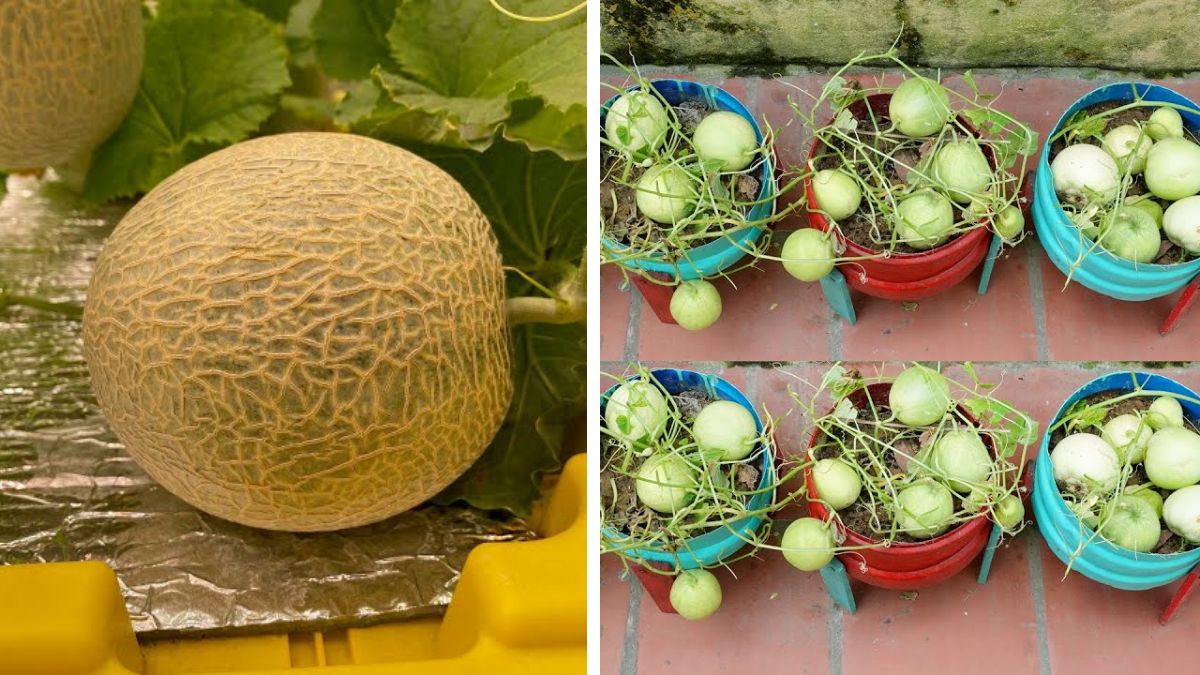
Growing honeydew melons for the first time is an exciting gardening experience. Watching the plant grow from seed to harvest builds confidence. Honeydew melons reward patience with sweet fruits. Beginners often worry about mistakes. Understanding each growth stage reduces confusion. Timelapse growth shows progress clearly. Learning step by step improves success. This guide explains the full journey.
2. Seed Germination Stage
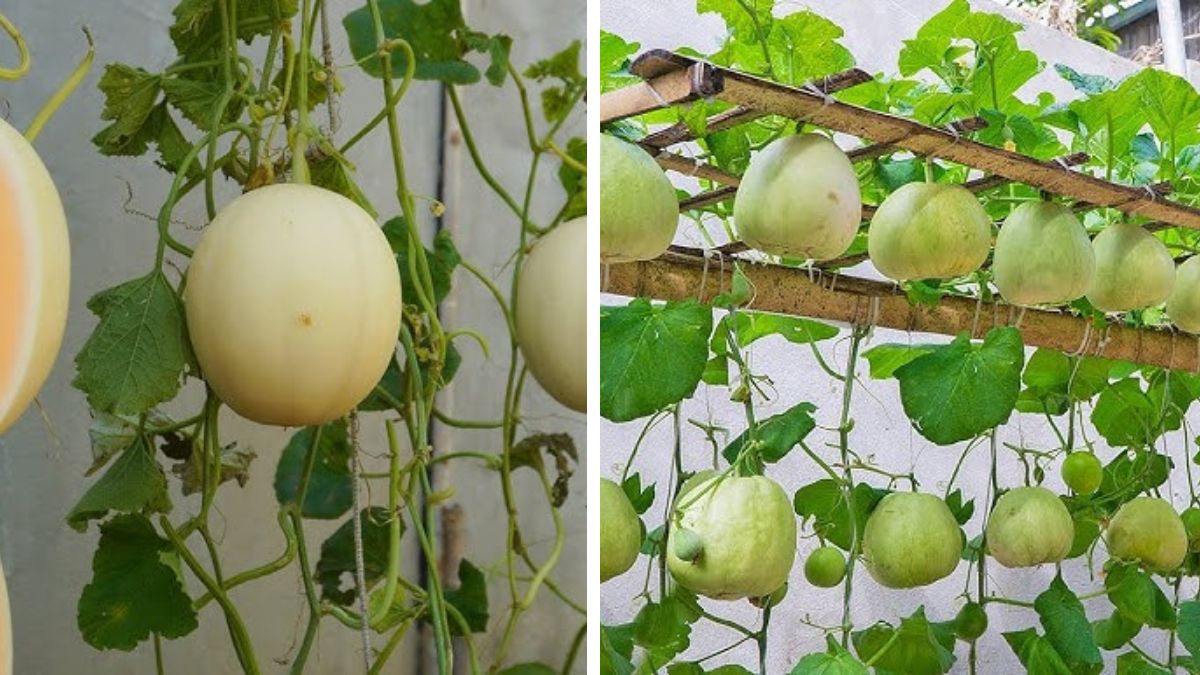
The timelapse begins with seed germination. Seeds sprout in warm soil. Moisture activates growth. Tiny roots emerge first. Shoots break through soil surface. Germination takes about one week. Proper warmth speeds up process. Early care sets foundation.
3. Early Seedling Growth
Seedlings develop true leaves. Roots expand quickly. Gentle watering is important. Too much water harms roots. Sunlight strengthens stems. Weak light causes stretching. Healthy seedlings appear sturdy. Early growth determines strength.
4. Transplant Shock Awareness
First-time growers often transplant seedlings. Roots are sensitive. Handle seedlings carefully. Harden plants before moving outdoors. Gradual exposure reduces shock. Transplant shock slows growth. Proper timing avoids stress. Gentle care helps recovery.
5. Vine Expansion Phase
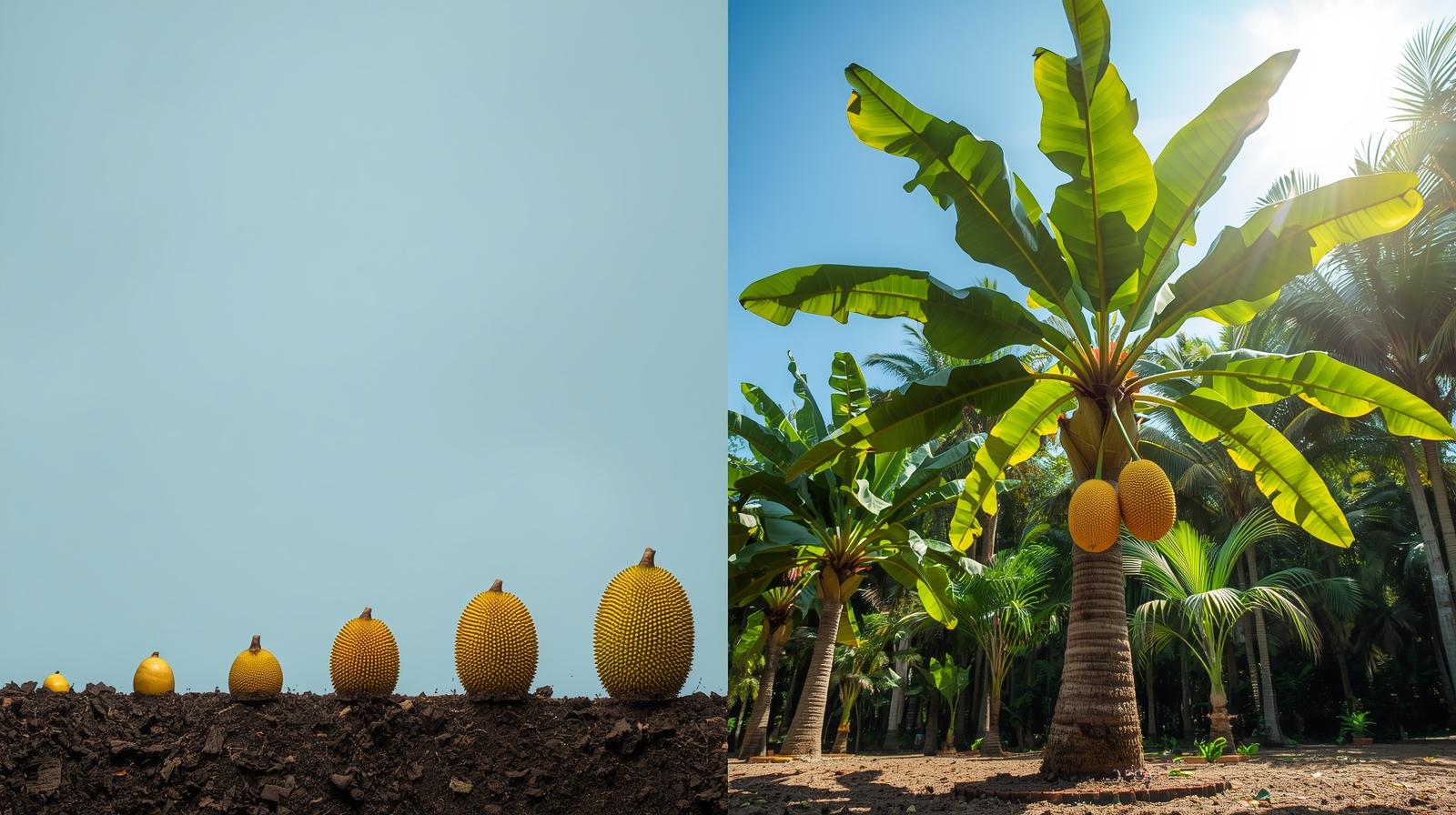
Vines begin spreading rapidly. Leaves grow larger. Photosynthesis increases energy. Timelapse shows daily vine movement. Space becomes important. Crowded vines compete. Vine growth indicates health. Expansion prepares for flowering.
6. Flower Formation Stage
Male flowers appear first. Female flowers follow later. Flower formation signals maturity. Bees are attracted to flowers. Pollination becomes crucial. Timelapse highlights bloom changes. Flowering period is short. Observation helps timing.
7. Pollination Success
Pollination determines fruit formation. Bees assist naturally. Hand pollination improves success. Female flowers swell after pollination. Timelapse shows fruit initiation. Poor pollination causes drop. Garden diversity helps. Pollination is key.
8. Early Fruit Development
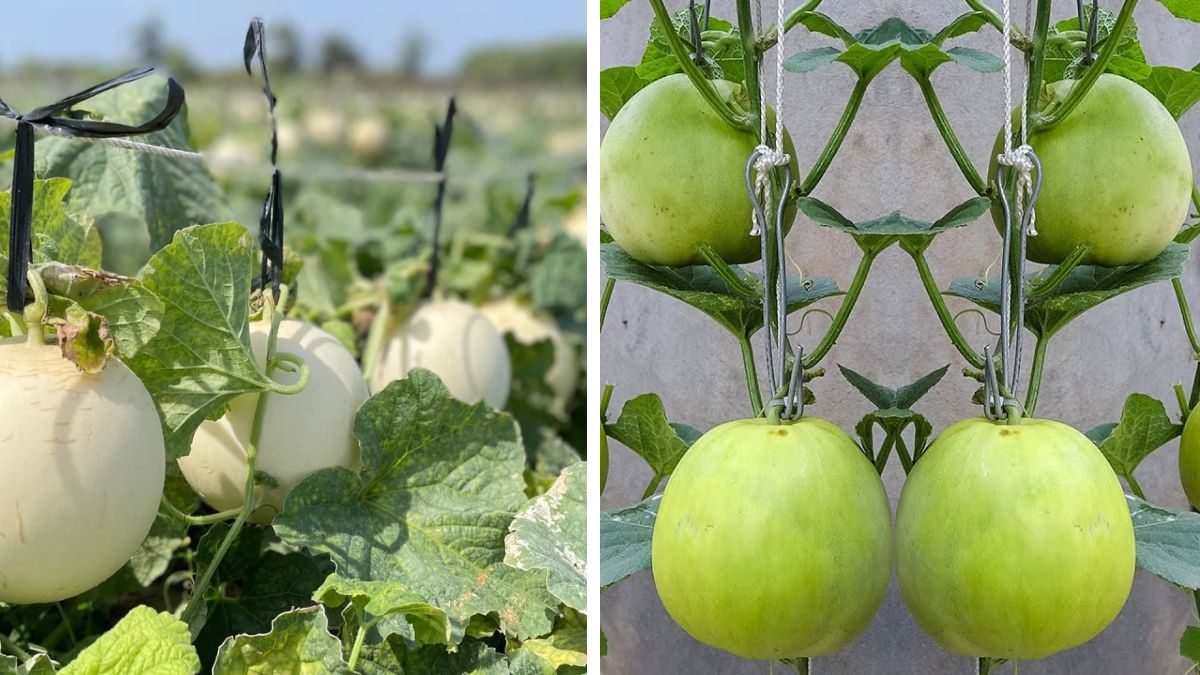
Tiny fruits grow rapidly. Cell expansion occurs. Adequate water supports growth. Stress causes fruit abortion. Timelapse captures size increase. Leaves protect fruit. Early development is sensitive. Care is critical.
9. Managing Vine Load
Too many fruits weaken plants. Thinning improves quality. First-time growers learn balance. Timelapse reveals slowed growth when overloaded. Proper fruit count improves sweetness. Vine management is important. Quality over quantity matters.
10. Mid-Season Growth Changes
Fruits gain weight. Vine growth slows. Energy shifts to fruits. Leaves remain essential. Timelapse shows color changes. Nutrient demand increases. Support prevents vine damage. Mid-season care matters.
11. Watering Adjustments
Watering needs change during fruiting. Deep watering supports sweetness. Overwatering causes bland taste. Underwatering causes cracking. Timelapse reveals growth response. Soil moisture balance is crucial. Consistency improves flavor.
12. Nutrient Feeding Stage
Additional feeding supports fruit size. Potassium improves sweetness. Avoid excess nitrogen. Timelapse shows improved leaf color. Nutrition timing affects results. Balanced feeding supports harvest. Fertilization must be controlled.
13. Pest Observation in Timelapse
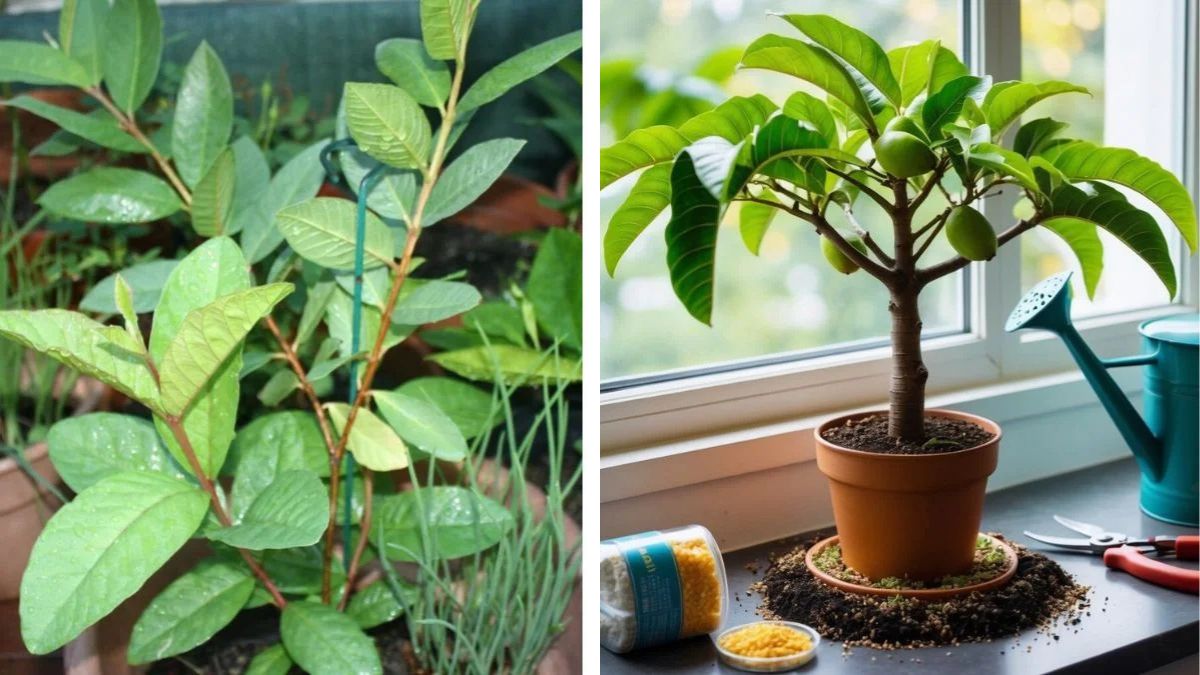
Timelapse reveals pest activity. Leaves show damage early. Aphids cluster on shoots. Early detection prevents loss. Neem oil controls pests. Healthy plants recover faster. Observation helps prevention.
14. Disease Monitoring
Fungal diseases appear in humidity. Timelapse highlights leaf spots. Airflow reduces disease spread. Remove affected leaves. Prevention saves vines. Clean practices matter. Monitoring improves control.
15. Color Change Before Ripening
Honeydew skin changes color. Green turns creamy. Timelapse shows gradual shift. Aroma increases. Fruits stop growing. Sugar accumulation peaks. Visual cues guide harvest. Observation ensures sweetness.
16. Ripeness Testing
Press blossom end gently. Slight softness indicates ripeness. Smell the fruit. Sweet aroma confirms readiness. Timelapse captures final stage. Harvest timing affects taste. Early harvest disappoints. Patience pays off.
17. Harvest Moment
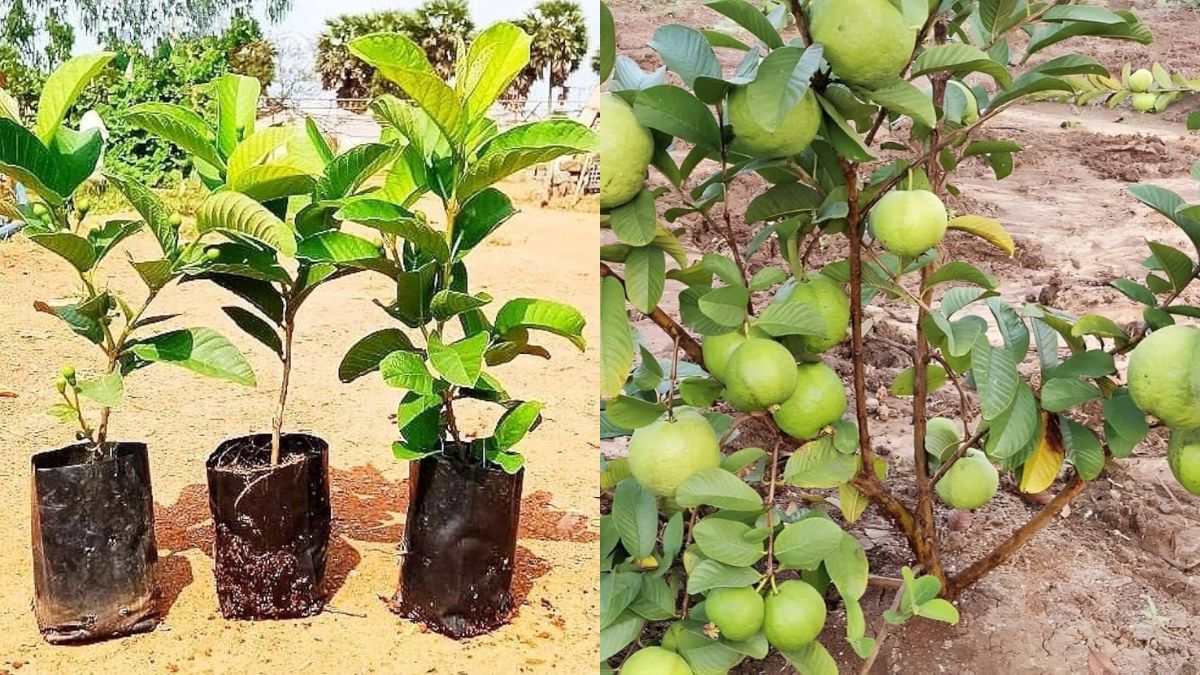
Harvest is satisfying for beginners. Cut fruit carefully. Avoid vine damage. Timelapse ends with harvest. Fruit weight feels rewarding. Proper harvest preserves quality. Gentle handling is essential. Enjoy results.
18. Post-Harvest Handling
Clean fruits gently. Store in cool place. Avoid stacking fruits. Proper handling extends freshness. Timelapse shows immediate enjoyment. Homegrown fruit tastes better. Storage care matters.
19. Lessons Learned for Beginners
First-time growers learn patience. Observation improves skill. Mistakes become lessons. Timelapse teaches growth patterns. Confidence builds with success. Gardening becomes enjoyable. Knowledge grows seasonally.
20. Conclusion
Growing honeydew melons for the first time is a fulfilling journey. Timelapse growth reveals each stage clearly. Proper care leads to sweet harvests. Beginners gain experience quickly. Gardening teaches patience and observation. Honeydew melons reward effort generously. Each season improves skills. Growth never stops.