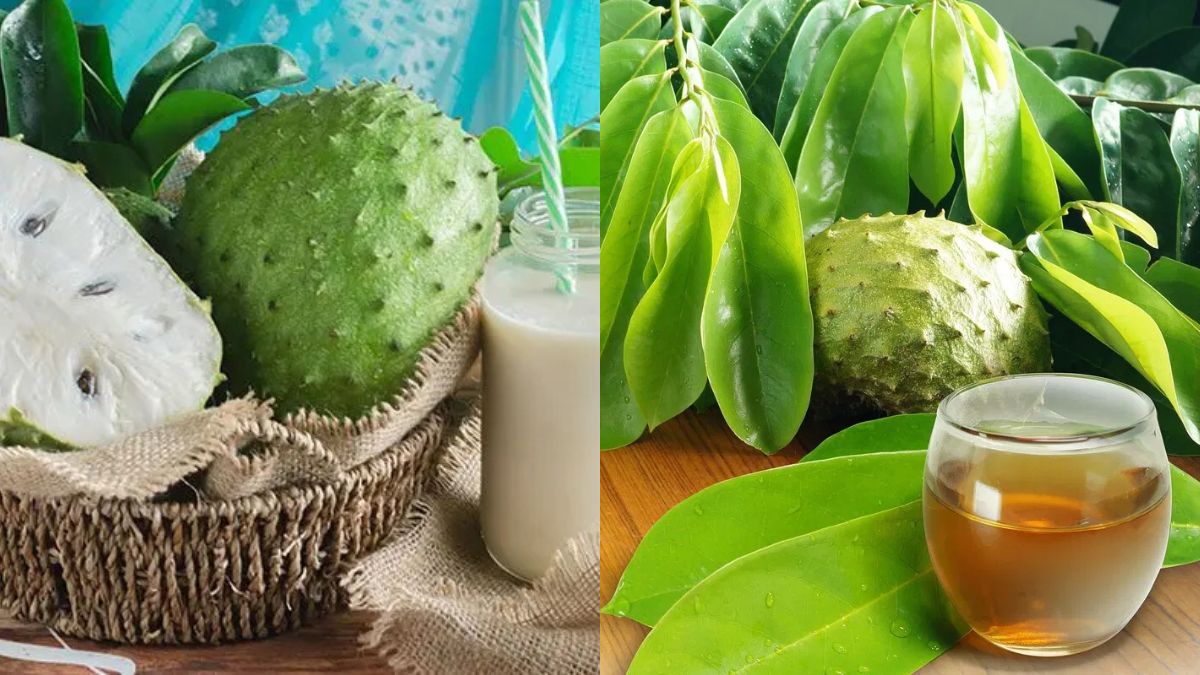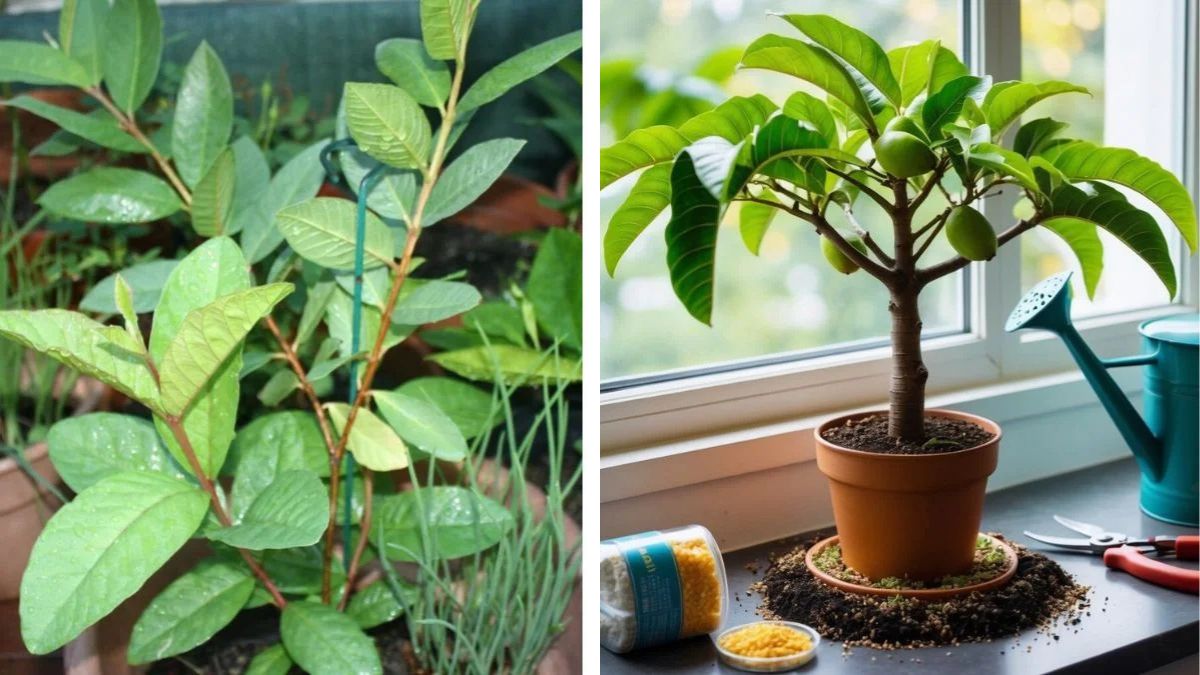
Introduction to High-Yield Guava in Pot
Growing guava fruit in pots with high yield is possible with proper techniques. Many gardeners achieve fifteen to eighteen kilograms of guava from one pot. Guava is a fast-growing and productive fruit tree. Container growing allows better control. With pruning and nutrition, yield increases significantly. This guide explains full information. Even small spaces can produce heavy harvests. Planning and care make the difference.
Choosing the Right Guava Variety
Selecting a high-yield guava variety is essential. Local varieties adapt better to climate. Hybrid guava varieties often produce more fruit. Disease resistance is important. Choose varieties suitable for container growing. Seed-grown or grafted both work. Grafted plants fruit earlier. Variety selection decides yield potential.
Pot Selection for Maximum Yield
Large pots are necessary for heavy fruiting. Minimum pot size should be wide and deep. Clay or plastic pots both work. Ensure multiple drainage holes. Bigger pots support root expansion. Restricted roots reduce yield. Stable pots prevent falling. Proper pot choice is critical.
Soil Preparation for Heavy Fruiting
Rich soil supports heavy yield. Mix compost, sand, and garden soil. Add organic matter regularly. Soil should drain well. Avoid compact soil. Healthy soil supports flowers and fruits. Nutrient-rich soil increases fruit size. Refresh soil annually.
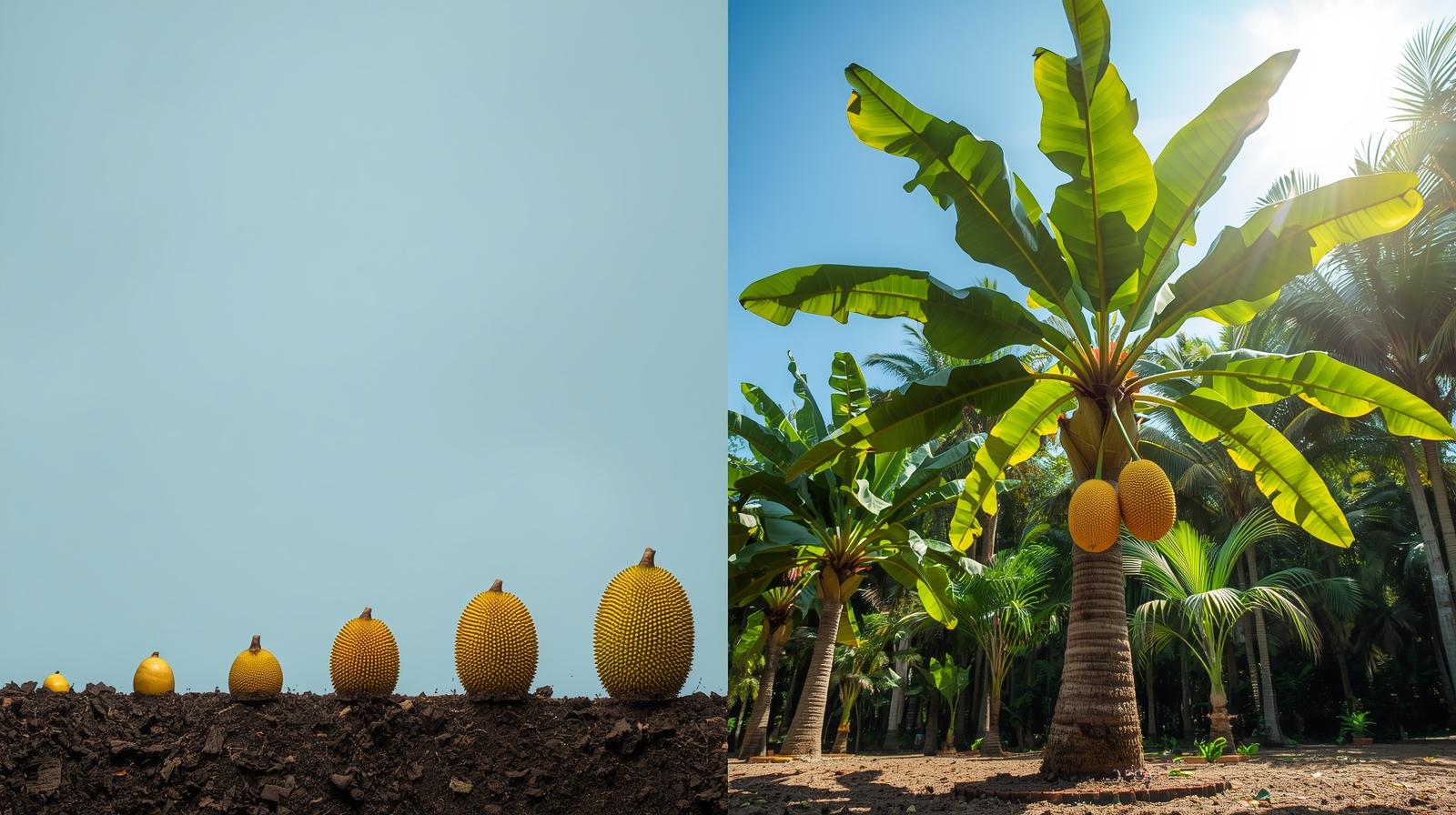
Planting Guava in Container
Plant guava at correct depth. Do not bury stem too deep. Water thoroughly after planting. Place pot in sunny location. Avoid frequent shifting. Allow plant to settle. Early stability improves growth. Stress-free plants produce more fruit.
Sunlight Management for High Yield
Full sunlight is essential for heavy fruiting. Minimum six to eight hours daily. Shaded plants produce fewer fruits. Rotate pot occasionally for uniform light. Sunlight improves sugar content. Strong sunlight supports flowering. Light management directly affects yield. Consistency is important.
Watering Strategy for Fruit Production
Watering must be balanced. Too much water reduces flowering. Too little causes fruit drop. Deep watering is better than frequent light watering. Water early morning or evening. Drain excess water properly. Fruit stage needs consistent moisture. Correct watering boosts yield.
Fertilizer Plan for 15–18 KG Yield
High yield requires planned nutrition. Use compost monthly. Add potassium during flowering. Phosphorus supports root strength. Avoid excess nitrogen. Organic fertilizers are best. Liquid feeds help during fruiting. Balanced nutrition increases fruit weight. Feeding schedule is crucial.
Pruning Techniques for More Fruits
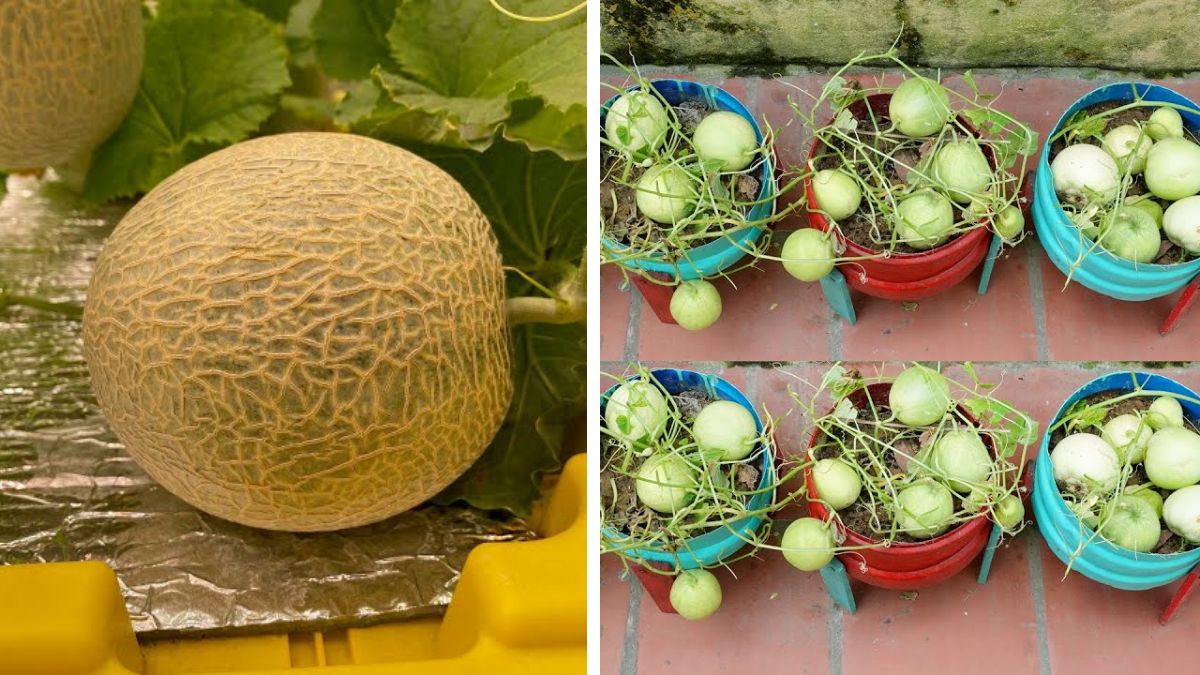
Pruning encourages new branches. Fruits grow on new shoots. Remove old and weak branches. Prune after harvest season. Maintain open canopy. Better airflow improves fruit quality. Controlled height helps management. Pruning increases yield significantly.
Flower Management and Pollination
Healthy flowers lead to heavy fruit set. Avoid stress during flowering. Natural pollination is sufficient. Avoid spraying chemicals. Maintain soil moisture. Flower drop indicates imbalance. Healthy flowers convert to fruits. Care during this stage matters.
Fruit Thinning for Bigger Guavas
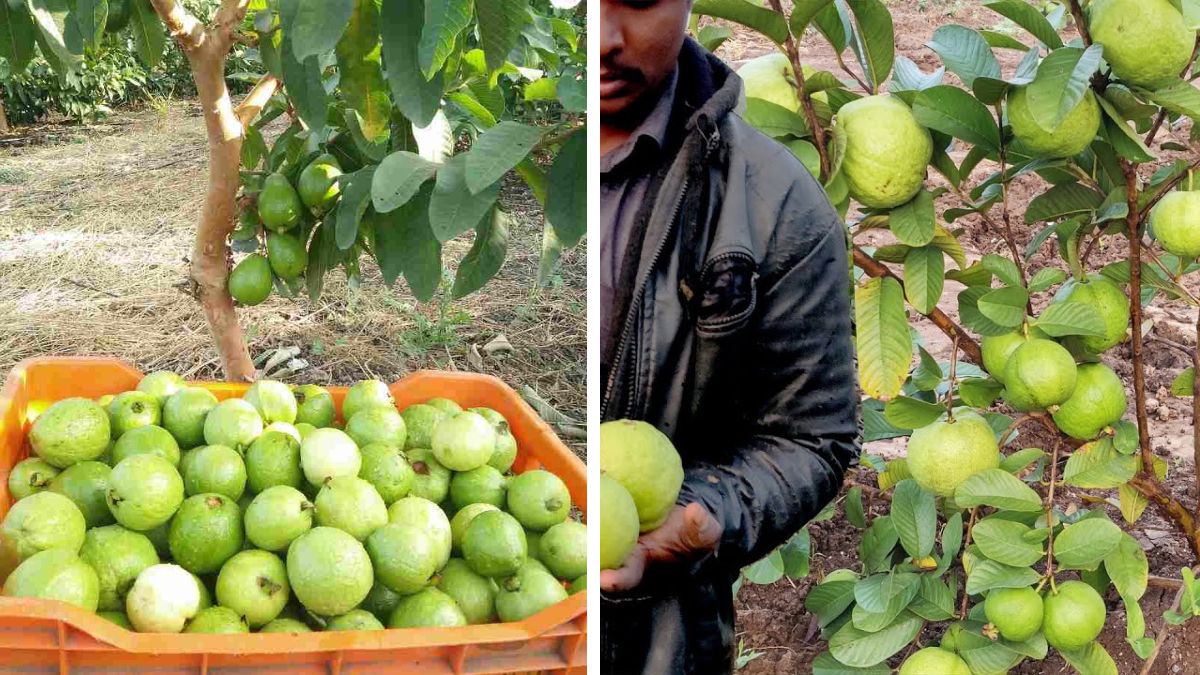
Too many fruits reduce size. Thin excess fruits early. Allow space between fruits. Thinning improves quality. Plant energy focuses on fewer fruits. Fruit weight increases significantly. This technique improves market value. Controlled load prevents branch breakage.
Pest and Disease Control
Guava plants are hardy. Fruit flies may appear. Use organic traps. Neem oil controls insects. Remove infected fruits. Good hygiene prevents disease. Healthy plants resist pests. Early control protects yield.
Seasonal Care for Maximum Production
Summer requires frequent watering. Winter needs protection from cold. Rainy season requires drainage care. Seasonal adjustments prevent stress. Fertilize according to season. Observe plant response. Seasonal care ensures consistent yield. Adaptation is key.
Growth Timeline for High Yield
First year focuses on growth. Second year produces moderate fruits. Third year gives heavy yield. Proper care accelerates timeline. Pot size affects growth speed. Nutrition influences production. Patience brings results. Long-term care pays off.
Indoor vs Outdoor Pot Growing
Outdoor growing produces higher yield. Indoor growing needs strong sunlight. Balcony gardens work well. Outdoor airflow improves pollination. Indoor plants need assistance. Choose based on space. Both methods can succeed. Adapt care accordingly.
Table: High-Yield Guava Pot Requirements
| Factor | Recommendation |
|---|---|
| Pot Size | Large and deep |
| Sunlight | Full sunlight |
| Fertilizer | Organic and balanced |
| Watering | Deep and moderate |
| Expected Yield | Fifteen to eighteen kilograms |
Benefits of Growing High-Yield Guava
Homegrown guavas are nutritious. High yield saves money. Gardening improves mental health. Fresh fruits taste better. Container growing saves space. Guava trees improve environment. High yield brings satisfaction. Sustainable living is promoted.
Long-Term Yield Maintenance
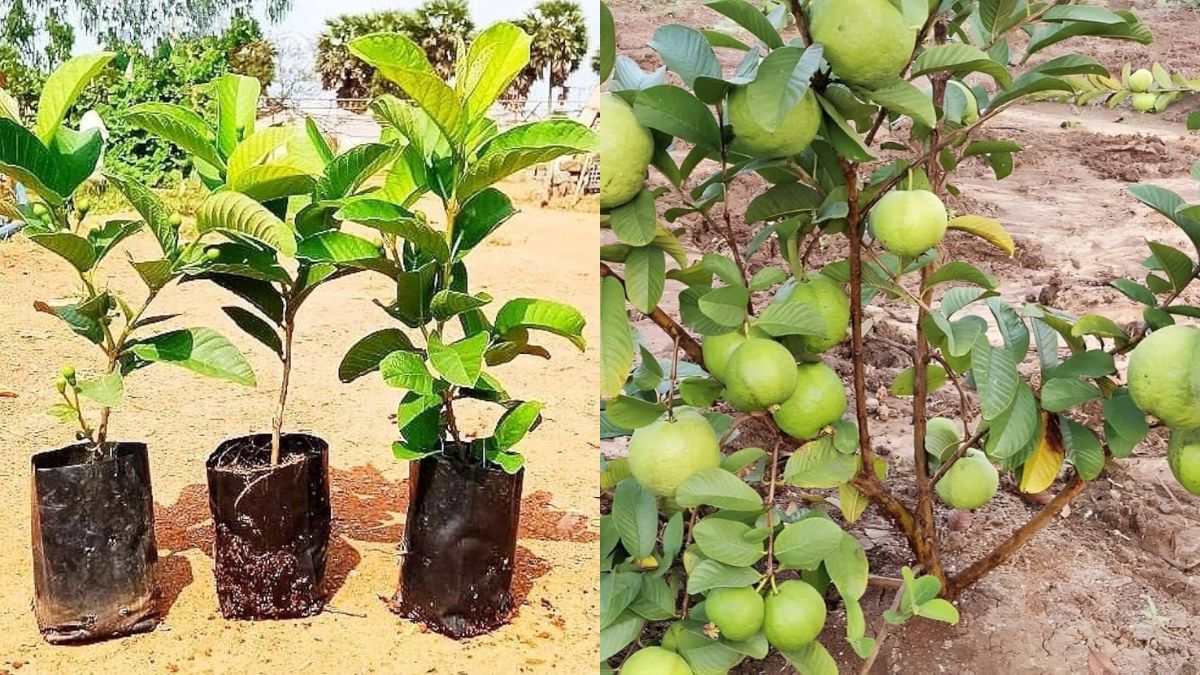
Maintain pruning schedule. Refresh soil yearly. Fertilize regularly. Monitor plant health. Replace old branches. Maintain pot drainage. Long-term care sustains yield. Healthy trees remain productive.
Common Mistakes to Avoid
Overwatering reduces yield. Poor sunlight limits flowering. Excess nitrogen causes leaf growth only. Ignoring pruning reduces fruit size. Small pots restrict roots. Avoid stress during flowering. Learning prevents mistakes. Awareness improves success.
Conclusion
Growing guava fruit in pot with heavy yield is achievable. With correct pot, soil, and care, fifteen to eighteen kilograms is possible. Focus on pruning, nutrition, and sunlight. Avoid common mistakes. Be patient and consistent. Home gardening becomes profitable. Start your guava journey today.