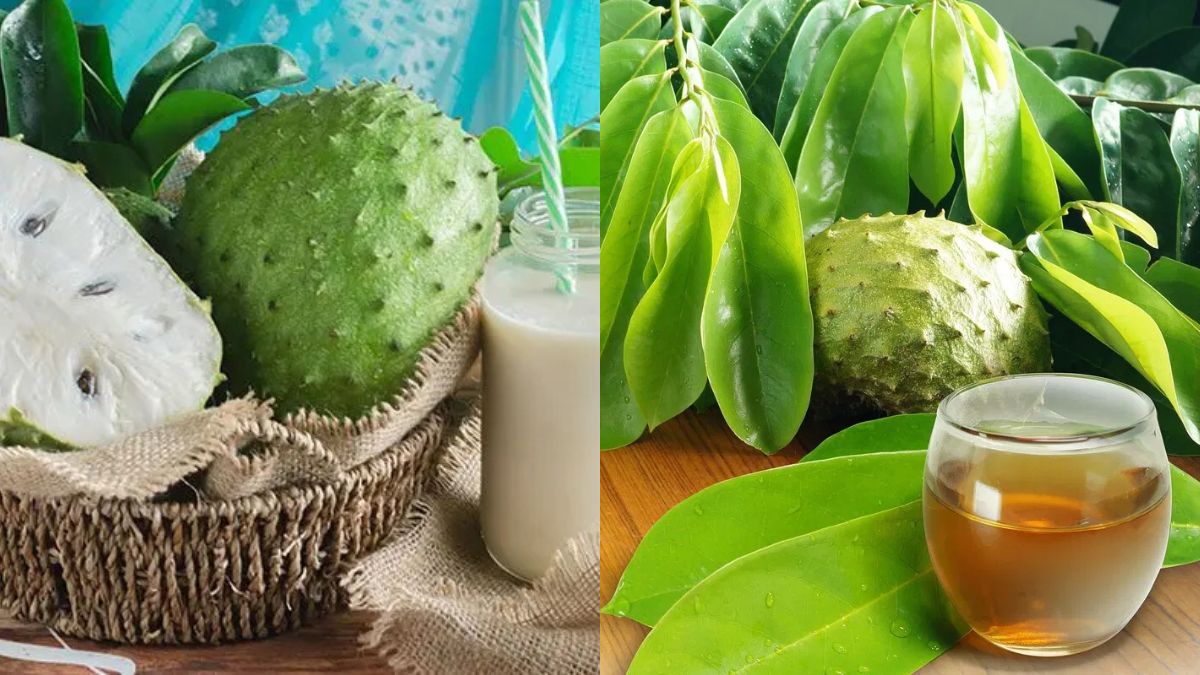
1. Introduction to Graviola as a Medicinal Fruit
Graviola, commonly called soursop, is often referred to as an anti-cancer fruit in traditional discussions. It has gained attention for its bioactive compounds. The fruit has been used in traditional medicine for generations. Modern interest focuses on its nutritional value. Graviola is rich in antioxidants. Many cultures value its health-supporting properties. Scientific studies continue to explore its effects. Awareness should be balanced and informed.
2. Nutritional Profile of Graviola
Graviola contains vitamins, minerals, and fiber. It is rich in vitamin C. The fruit provides potassium and magnesium. Antioxidants help combat oxidative stress. Natural sugars provide energy. Fiber supports digestion. Nutrients contribute to overall health. Balanced nutrition is key.
3. Traditional Medicinal Uses
Traditionally, graviola leaves, fruit, and bark are used. Herbal teas are common preparations. It has been used for immune support. Folk medicine values its calming effects. Traditional knowledge varies by region. Usage spans centuries. Cultural practices influence preparation. Tradition plays a strong role.
4. Understanding the Term “Anti-Cancer Fruit”
The term anti-cancer fruit is widely used online. It refers to compounds studied in laboratories. Graviola contains annonaceous acetogenins. These compounds are under research. Claims should not replace medical treatment. Scientific studies are ongoing. Awareness should be responsible. Education prevents misinformation.
5. Scientific Research Overview
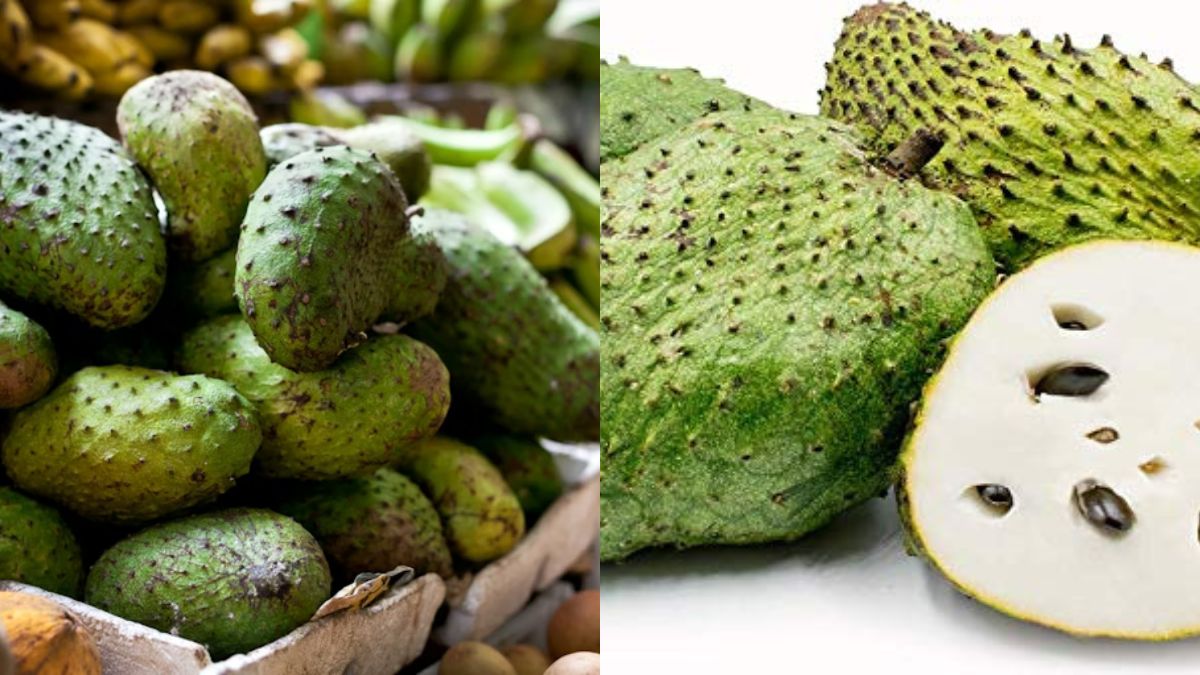
Laboratory studies show potential effects on cells. Research is mostly preclinical. Human studies are limited. Scientists continue exploring benefits. Results are not conclusive. Medical advice should be followed. Research supports further investigation. Knowledge evolves over time.
6. Importance of Responsible Health Claims
Graviola should not be promoted as a cure. It may support general wellness. Overstated claims can mislead people. Balanced information is essential. Healthcare professionals should be consulted. Nutrition complements medical care. Responsible education builds trust. Accuracy matters.
7. Graviola Fruit Consumption Methods
Graviola fruit is eaten fresh. It is used in smoothies and juices. Pulp is added to desserts. Leaves are brewed into tea. Consumption should be moderate. Proper preparation ensures safety. Traditional recipes vary. Culinary uses are diverse.
8. Growing Graviola at Home
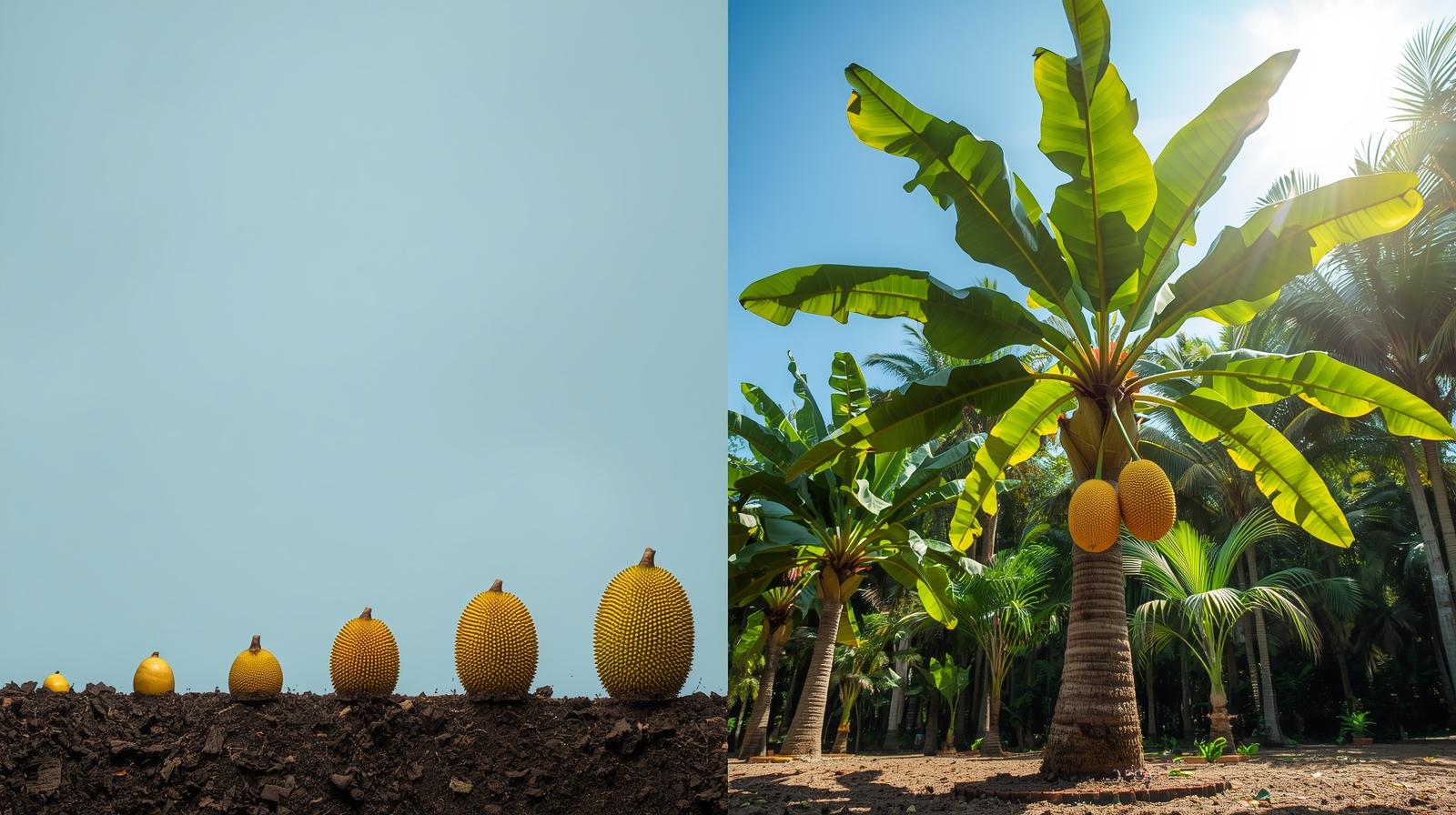
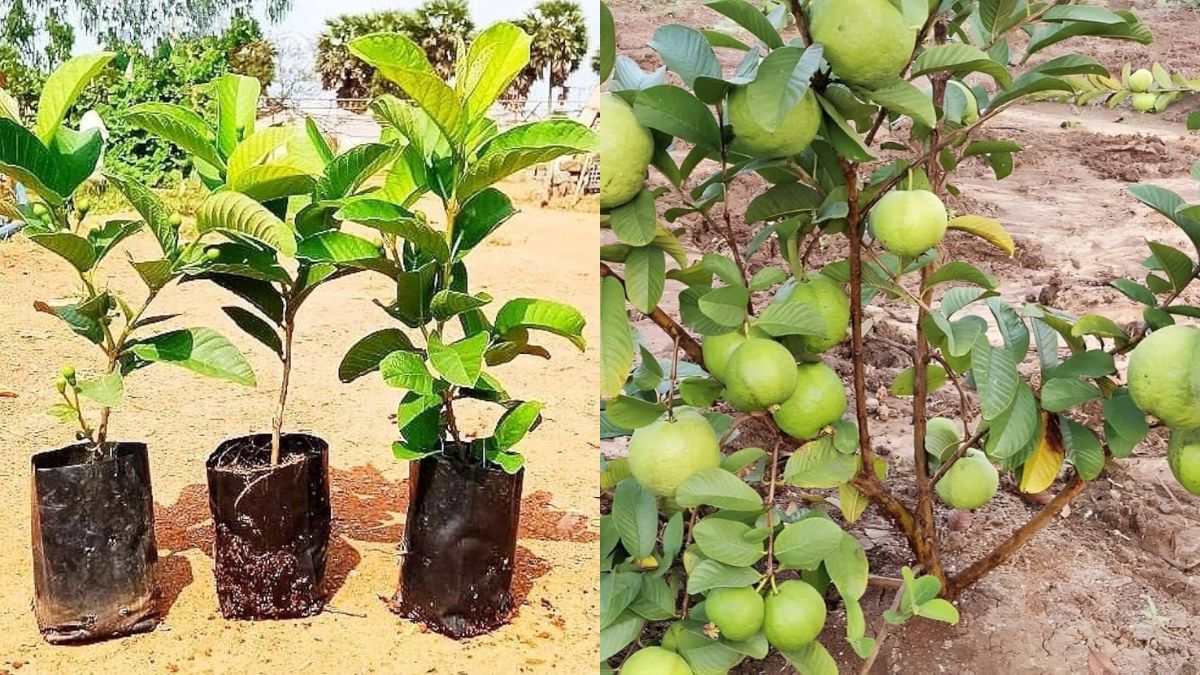
Growing graviola at home ensures fresh fruit. Trees require warm climates. Proper soil and sunlight are essential. Home gardening supports sustainability. Trees take time to fruit. Careful maintenance is required. Home-grown fruit avoids chemicals. Gardening adds value.
9. Soil and Climate for Healthy Growth
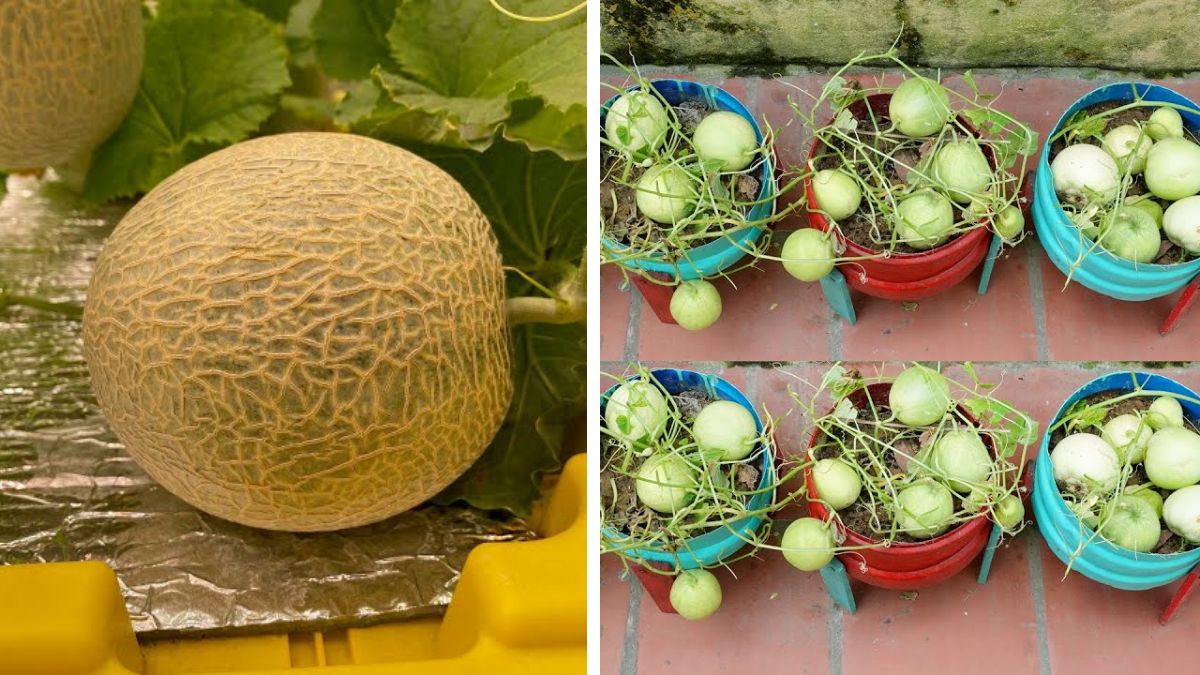
Graviola thrives in tropical climates. Well-draining soil is necessary. Warm temperatures support growth. Cold stress harms the tree. Organic soil improves nutrition. Climate awareness ensures success. Soil health affects fruit quality. Preparation is important.
10. Watering and Fertilization
Regular watering is required. Avoid waterlogging. Organic fertilizers are preferred. Balanced nutrition supports health. Overfeeding should be avoided. Mulching helps retain moisture. Consistent care improves growth. Maintenance is essential.
11. Leaf and Fruit Harvesting
Leaves are harvested for tea. Fruits are picked when mature. Harvest carefully to avoid damage. Use clean tools. Proper timing preserves nutrients. Overharvesting weakens trees. Sustainable harvesting is recommended. Balance ensures longevity.
12. Safety Considerations
Excessive consumption is not advised. Some compounds may affect nerves in high amounts. Moderation is important. Consult health professionals. Pregnant individuals should be cautious. Knowledge ensures safe use. Awareness prevents misuse. Balance is essential.
13. Culinary Uses of Graviola
Graviola pulp is creamy and flavorful. It is used in ice creams. Juices are popular. Desserts highlight its taste. Culinary creativity adds value. Nutritional benefits remain. Flavor is unique. Food culture embraces it.
14. Cultural Importance
Graviola holds cultural significance. It is used in traditional remedies. Communities pass down knowledge. Cultural identity is preserved. The fruit connects generations. Cultural respect is important. Tradition influences perception. Heritage matters.
15. Market Demand and Awareness
Global interest in graviola is increasing. Health trends influence demand. Awareness campaigns highlight benefits. Ethical marketing is necessary. Quality control matters. Sustainable farming supports markets. Education supports consumers. Responsible growth is important.
16. Environmental Benefits of Growing Graviola
Trees improve biodiversity. They provide shade. Gardens benefit from diversity. Fruit trees support sustainability. Home gardens reduce carbon footprint. Trees enhance ecosystems. Environmental impact is positive. Nature benefits from cultivation.
17. Differences Between Myths and Facts
Many myths surround graviola. Facts are based on research. Misinformation spreads quickly online. Education separates truth from exaggeration. Reliable sources should be used. Awareness promotes informed choices. Knowledge empowers consumers. Accuracy is vital.
18. Integrating Graviola into a Healthy Lifestyle
Graviola complements balanced diets. It should not replace treatments. Healthy lifestyle includes variety. Nutrition supports wellness. Physical activity matters. Medical advice remains essential. Integration should be mindful. Balance ensures health.
19. Future Research and Potential
Research on graviola continues. Scientists explore compounds further. Future studies may clarify benefits. Interest encourages funding. Responsible research is needed. Evidence-based conclusions matter. Knowledge will evolve. Patience is required.
20. Conclusion
Graviola is a nutritious fruit with traditional and scientific interest. It is often called an anti-cancer fruit, but claims must be responsible. Growing and consuming graviola supports wellness when done wisely. Balanced information protects consumers. Scientific research continues to explore its potential. Graviola remains valuable nutritionally. Education is essential for awareness. Responsible use ensures long-term benefits.
📊 Table: Graviola Health and Growth Overview
| Aspect | Key Point | Importance |
|---|---|---|
| Nutrition | Rich in antioxidants | Supports wellness |
| Traditional use | Leaves and fruit | Cultural value |
| Research | Ongoing studies | Scientific understanding |
| Cultivation | Warm climate | Healthy growth |