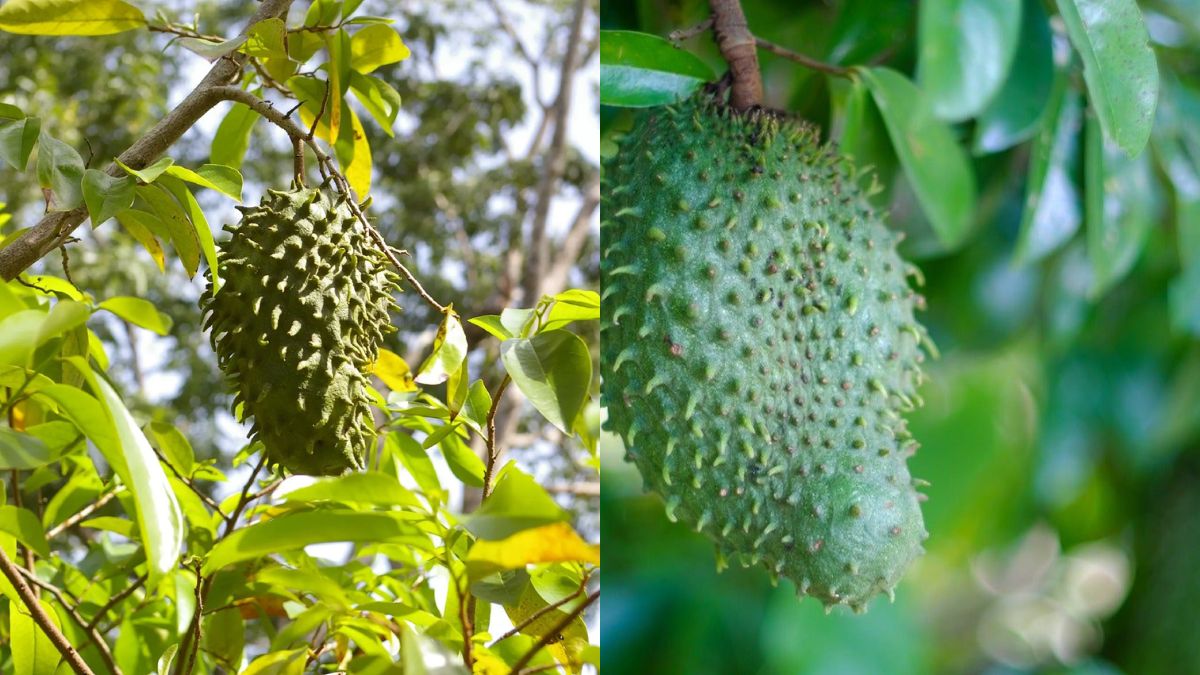
1. Introduction to the Soursop Tree
Soursop, also known as Graviola, is a tropical fruit tree admired for its unique appearance and health benefits. The Botanical Gardens Brisbane showcase this tree as a living example of tropical diversity. Visitors often notice its glossy leaves and large green fruits. Soursop trees thrive in warm, humid environments. They are valued for both ornamental and nutritional purposes. The tree grows moderately fast under proper care. Learning from botanical gardens helps home gardeners succeed. This guide explains its growth and cultivation.
2. Origin and Botanical Background
Soursop originates from Central and South America. It belongs to the Annonaceae family. The tree adapted well to tropical and subtropical regions worldwide. Botanical gardens preserve it for education and conservation. Brisbane’s climate supports its growth. Understanding its origin helps replicate suitable conditions. The plant has been cultivated for centuries. Its botanical significance is widely recognized.
3. Why Botanical Gardens Grow Soursop
Botanical gardens grow soursop to educate visitors about tropical fruit trees. The tree demonstrates sustainable fruit cultivation. It attracts researchers and gardeners alike. Soursop’s medicinal reputation adds educational value. Gardens also preserve genetic diversity. Displaying such trees promotes awareness. It inspires home growers. Botanical gardens act as living classrooms.
4. Physical Characteristics of the Tree
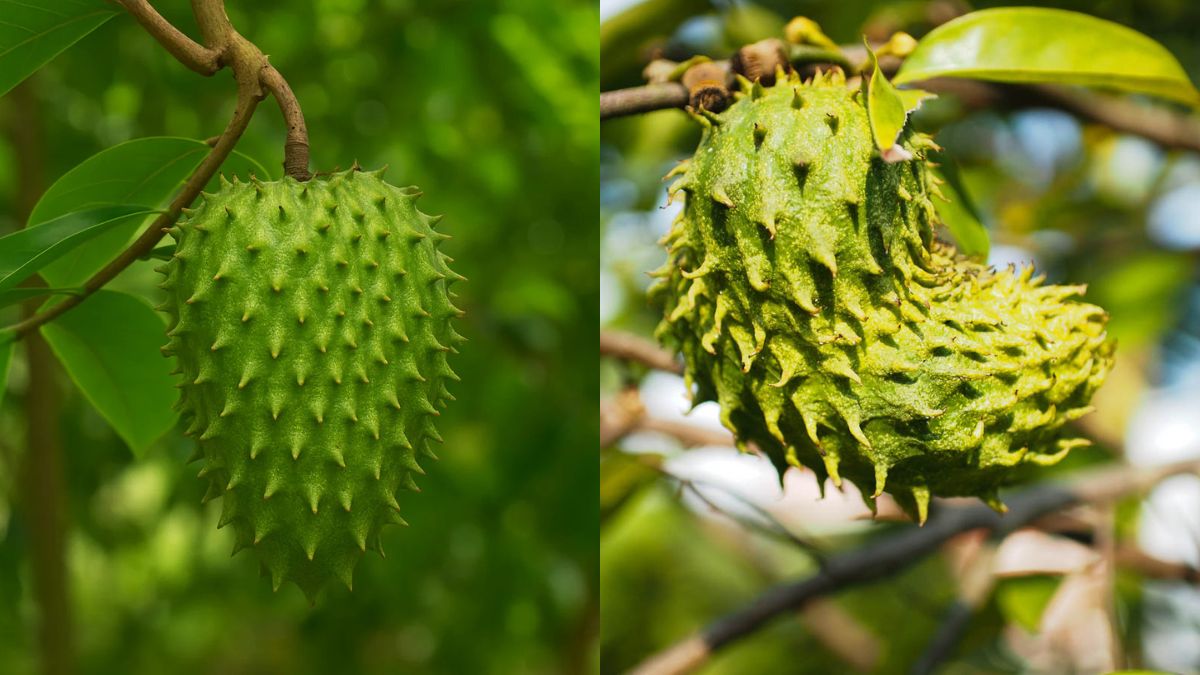
Soursop trees grow medium in height. Leaves are dark green and glossy. The trunk is straight with spreading branches. Fruits are large, spiny, and heart-shaped. Flowers grow directly on branches. The tree has a tropical appearance. Healthy trees look dense and vibrant. Visual appeal makes it popular.
5. Climate Requirements
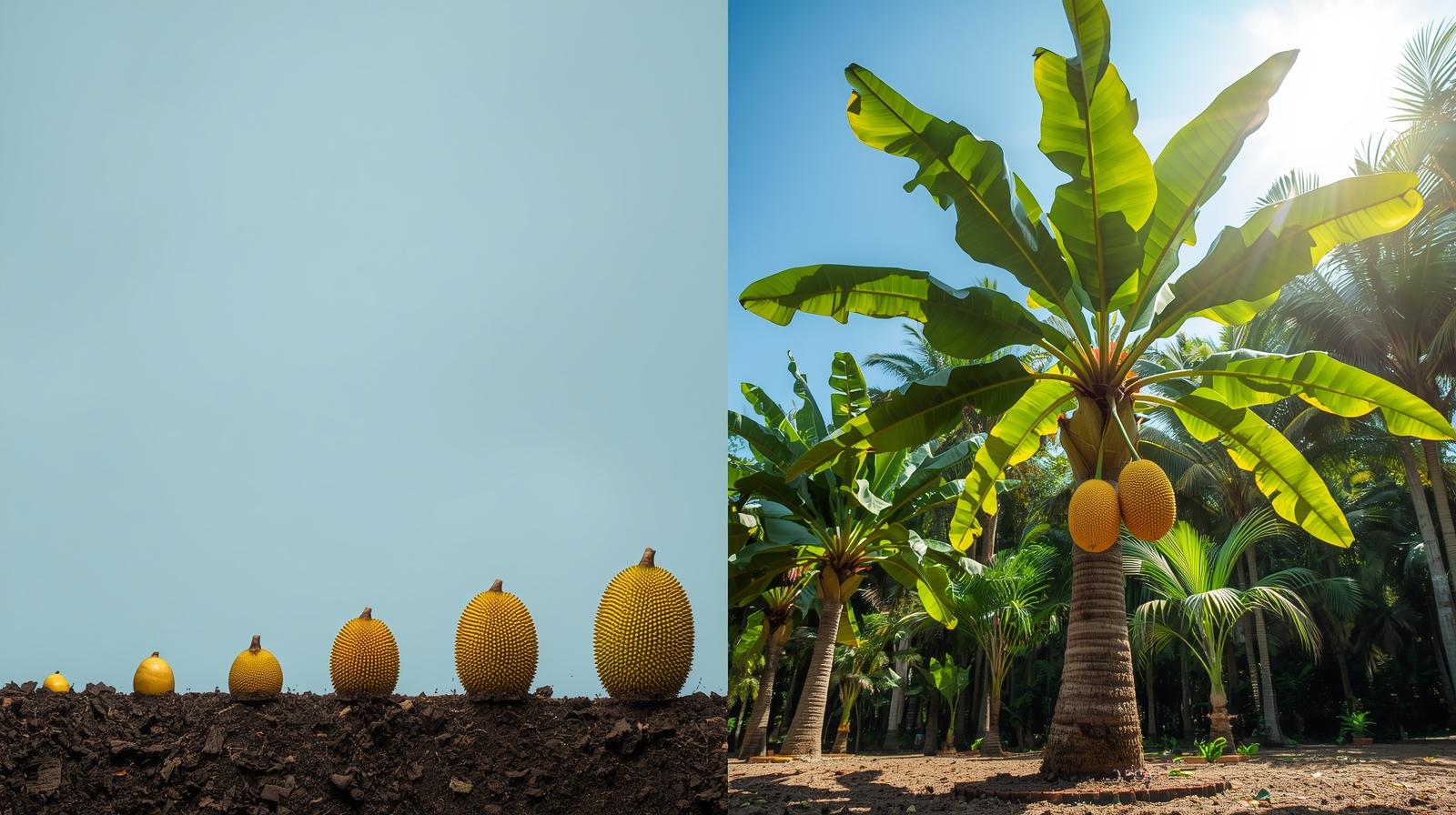
Soursop thrives in warm climates. It prefers temperatures above fifteen degrees Celsius. Frost damages the tree severely. High humidity supports healthy growth. Brisbane’s mild climate is suitable. Cold winds should be avoided. Consistent warmth ensures fruiting. Climate control is essential for success.
6. Soil Preferences
Well-draining soil is crucial. Sandy loam with organic matter works best. Waterlogged soil causes root rot. Slightly acidic soil is ideal. Compost improves soil fertility. Proper soil preparation ensures healthy roots. Soil health affects fruit quality. Good drainage is essential.
7. Propagation Methods
Soursop can be grown from seeds or grafted plants. Seed-grown trees take longer to fruit. Grafted plants produce earlier. Botanical gardens often use controlled propagation. Seed selection affects growth strength. Fresh seeds germinate better. Propagation method determines productivity. Proper techniques improve success.
8. Planting Process
Plant soursop in a sunny location. Dig a wide planting hole. Loosen soil around roots. Place the plant carefully. Water after planting. Mulch to retain moisture. Avoid planting too deep. Proper planting reduces stress.
9. Watering Requirements
Soursop needs regular watering. Soil should remain moist but not soggy. Overwatering causes root problems. Dry conditions reduce growth. Mulching helps retain moisture. Water deeply during dry periods. Balanced watering is essential. Consistency supports fruiting.
10. Sunlight Needs
Full sunlight promotes healthy growth. Six to eight hours of sunlight is ideal. Partial shade is acceptable in extreme heat. Insufficient light reduces flowering. Botanical gardens ensure optimal exposure. Sunlight affects fruit size. Proper placement is important. Light drives productivity.
11. Fertilization Practices
Organic fertilizers are recommended. Compost improves soil nutrients. Balanced fertilizers support leaf and fruit development. Avoid excessive nitrogen. Feed during growing season. Proper nutrition strengthens the tree. Fertilization improves yield. Healthy feeding promotes longevity.
12. Flowering and Pollination
Soursop flowers appear on branches. Flowers are self-pollinating but benefit from hand pollination. In gardens, insects assist pollination. Poor pollination reduces fruit set. Botanical gardens sometimes hand-pollinate. Flowering indicates maturity. Proper care improves pollination success. Flowers are short-lived.
13. Fruit Development
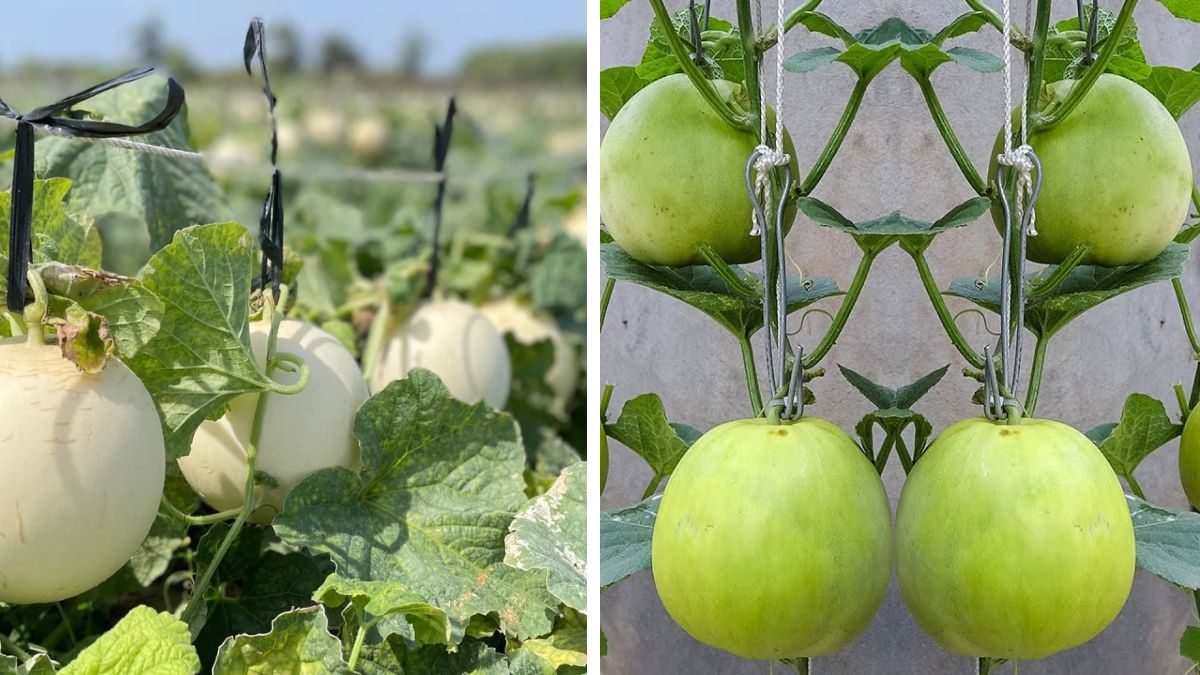
Fruits take several months to mature. They grow large and heavy. Proper nutrition supports fruit size. Avoid water stress during development. Fruits change color when mature. Harvesting requires care. Mature fruits are aromatic. Patience is essential.
14. Pruning and Maintenance
Pruning improves airflow. Remove weak or damaged branches. Shape the tree for sunlight penetration. Avoid heavy pruning during flowering. Maintenance keeps the tree healthy. Botanical gardens prune regularly. Proper care improves fruit quality. Structured growth supports yield.
15. Pest and Disease Control
Common pests include mealybugs and scale insects. Neem oil helps control pests. Fungal diseases occur in wet conditions. Good airflow prevents disease. Regular inspection is important. Botanical gardens use integrated pest management. Prevention is better than cure. Healthy trees resist pests.
16. Growth Rate and Lifespan
Soursop trees grow moderately fast. Fruiting begins in three to five years. Lifespan depends on care. Healthy trees live many years. Growth rate improves with nutrition. Climate affects longevity. Botanical gardens monitor growth closely. Long-term care matters.
17. Harvesting Techniques
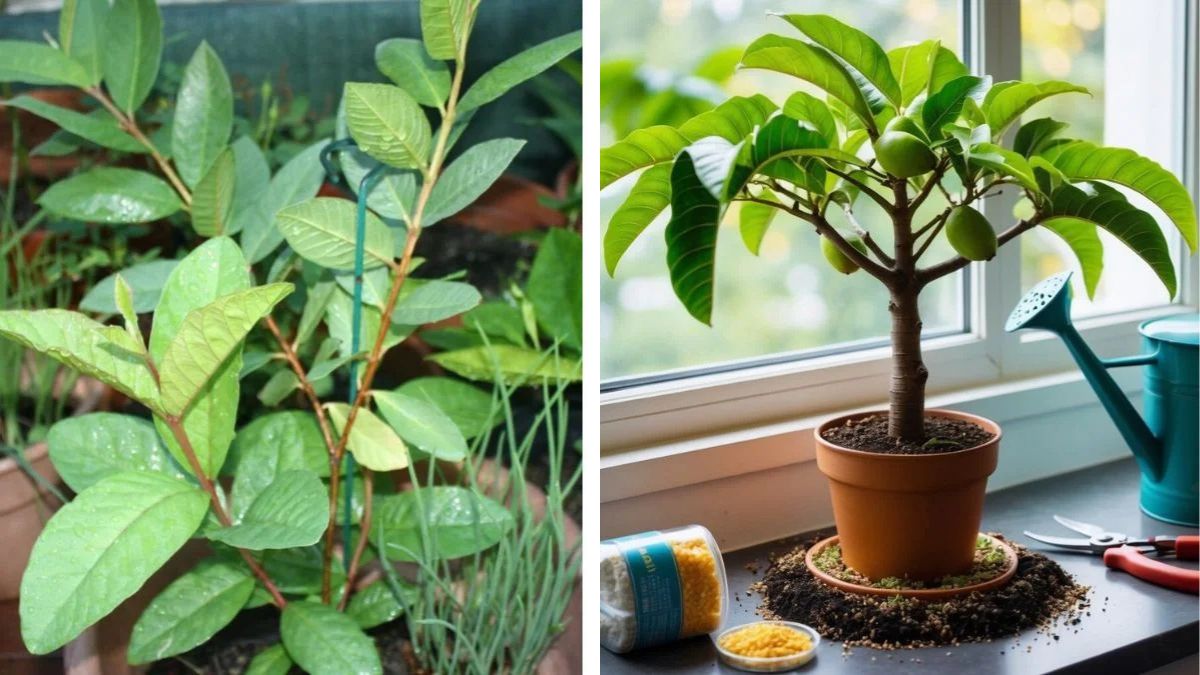
Harvest fruits when they soften slightly. Use clean tools to avoid damage. Handle fruits carefully. Harvesting too early reduces flavor. Proper timing improves quality. Fruits ripen quickly after harvest. Gentle handling prevents bruising. Harvesting is rewarding.
18. Educational Value of Botanical Gardens
Botanical gardens educate the public. They demonstrate sustainable practices. Visitors learn about tropical fruits. Soursop displays attract attention. Gardens promote conservation awareness. Educational signage explains growth. Learning inspires home gardeners. Gardens preserve knowledge.
19. Benefits of Growing Soursop
Soursop provides nutritious fruit. Trees improve garden diversity. Leaves have traditional uses. Fruit is used in beverages. Gardening improves well-being. Home-grown fruit is chemical-free. Trees add shade and beauty. Benefits are multiple.
20. Conclusion
The soursop tree showcased at Botanical Gardens Brisbane highlights tropical fruit cultivation. Understanding its needs helps home gardeners succeed. Proper climate, soil, and care ensure healthy growth. Botanical gardens offer inspiration and knowledge. Soursop trees are rewarding to grow. Patience leads to fruiting success. The tree combines beauty and utility. Learning from gardens improves gardening outcomes.
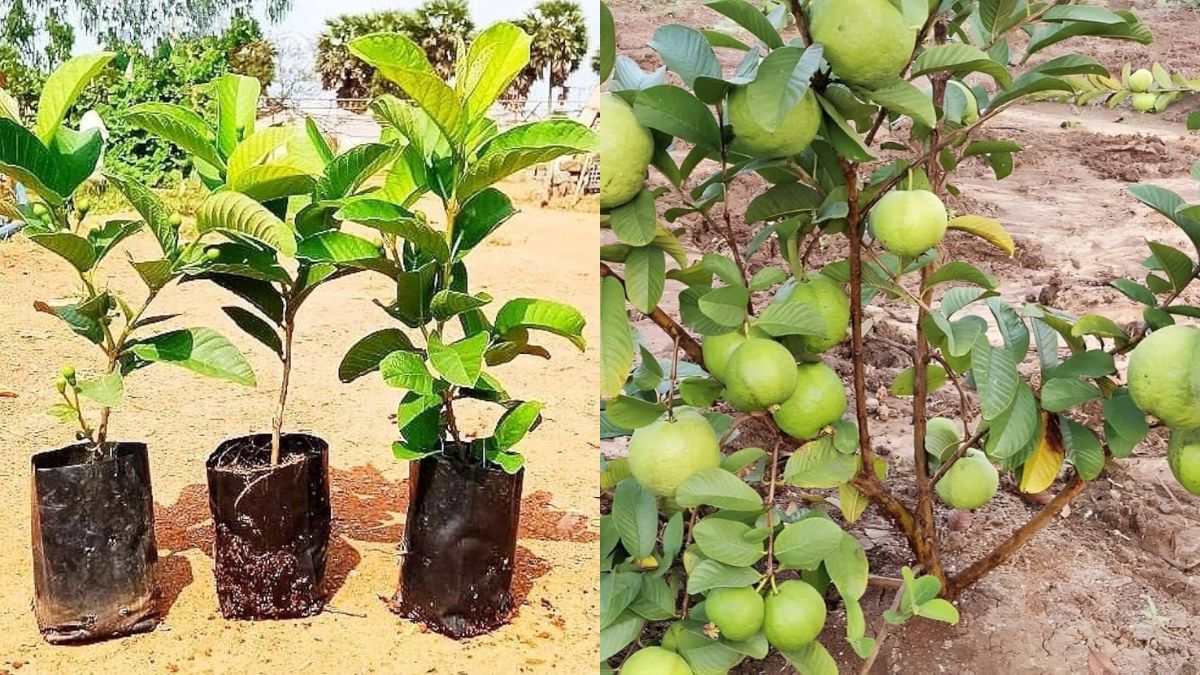
📊 Table: Soursop Tree Growth Overview
| Growth Stage | Key Requirement | Approximate Time |
|---|---|---|
| Germination | Warm moist soil | Two to four weeks |
| Vegetative growth | Sunlight and nutrition | First two years |
| Flowering | Mature tree | Three to four years |
| Fruiting | Full maturity | Four to five years |