Introduction: The Power of Companion Planting
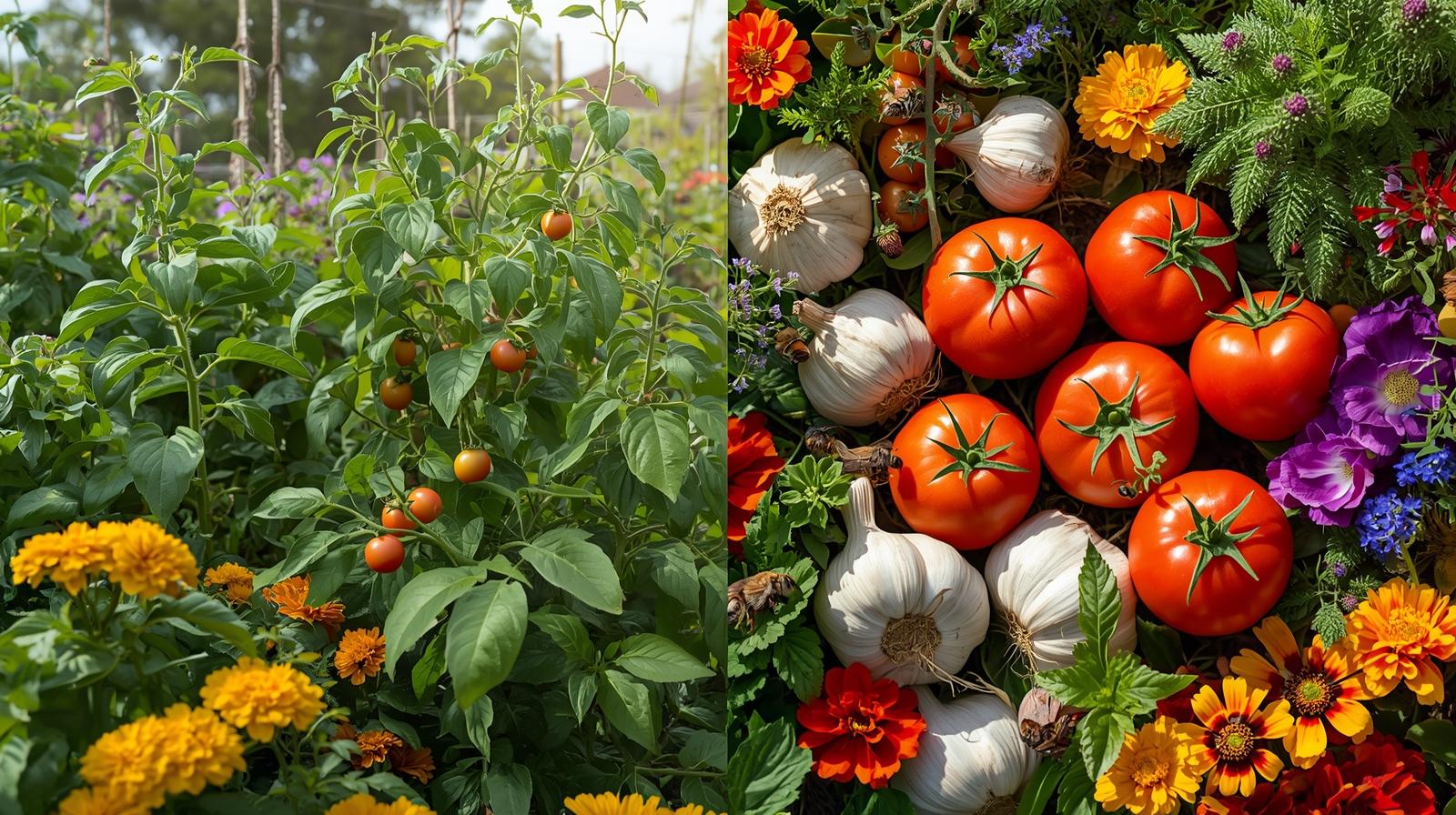
Companion planting is a time-tested gardening method that improves plant health naturally. Tomatoes, being heavy feeders and pest-prone, benefit greatly from the right plant neighbors. Expert gardeners use companion plants to enhance growth, improve flavor, and reduce pest problems. This natural approach minimizes chemical use and supports soil health. Companion plants can attract beneficial insects, repel harmful pests, and improve nutrient uptake. When planted correctly, they create a balanced ecosystem in your garden. Understanding which plants support tomatoes is essential for successful harvests. Companion planting offers an easy and sustainable way to grow healthier tomatoes.
Why Tomatoes Need Companion Plants
Tomatoes require consistent nutrients, proper airflow, and pest protection. Monocropping tomatoes often leads to disease buildup in soil. Companion plants break pest cycles and diversify garden environments. Certain plants release compounds that deter insects. Others improve soil structure or provide shade. Some companions attract pollinators that increase fruit set. By combining plants strategically, tomatoes become more resilient. This holistic method supports long-term garden productivity.
1. Basil – Enhancing Flavor and Repelling Pests
Basil is one of the most recommended companion plants for tomatoes. Its strong aroma confuses pests like aphids and whiteflies. Basil also attracts beneficial insects that prey on harmful pests. Gardeners report improved tomato flavor when basil is grown nearby. Basil’s compact size fits well between tomato plants. It thrives in similar growing conditions. Regular harvesting encourages bushy growth. Basil supports both tomato health and kitchen use.
How Basil Benefits Tomato Growth
Basil helps deter insects naturally without chemicals. Its aromatic oils mask tomato scent from pests. Basil also improves air circulation at soil level. The plant’s shallow roots do not compete heavily for nutrients. Basil attracts bees, enhancing pollination. Growing basil near tomatoes is simple and effective. This partnership is widely endorsed by experts.

2. Marigolds – Natural Pest Control Champions
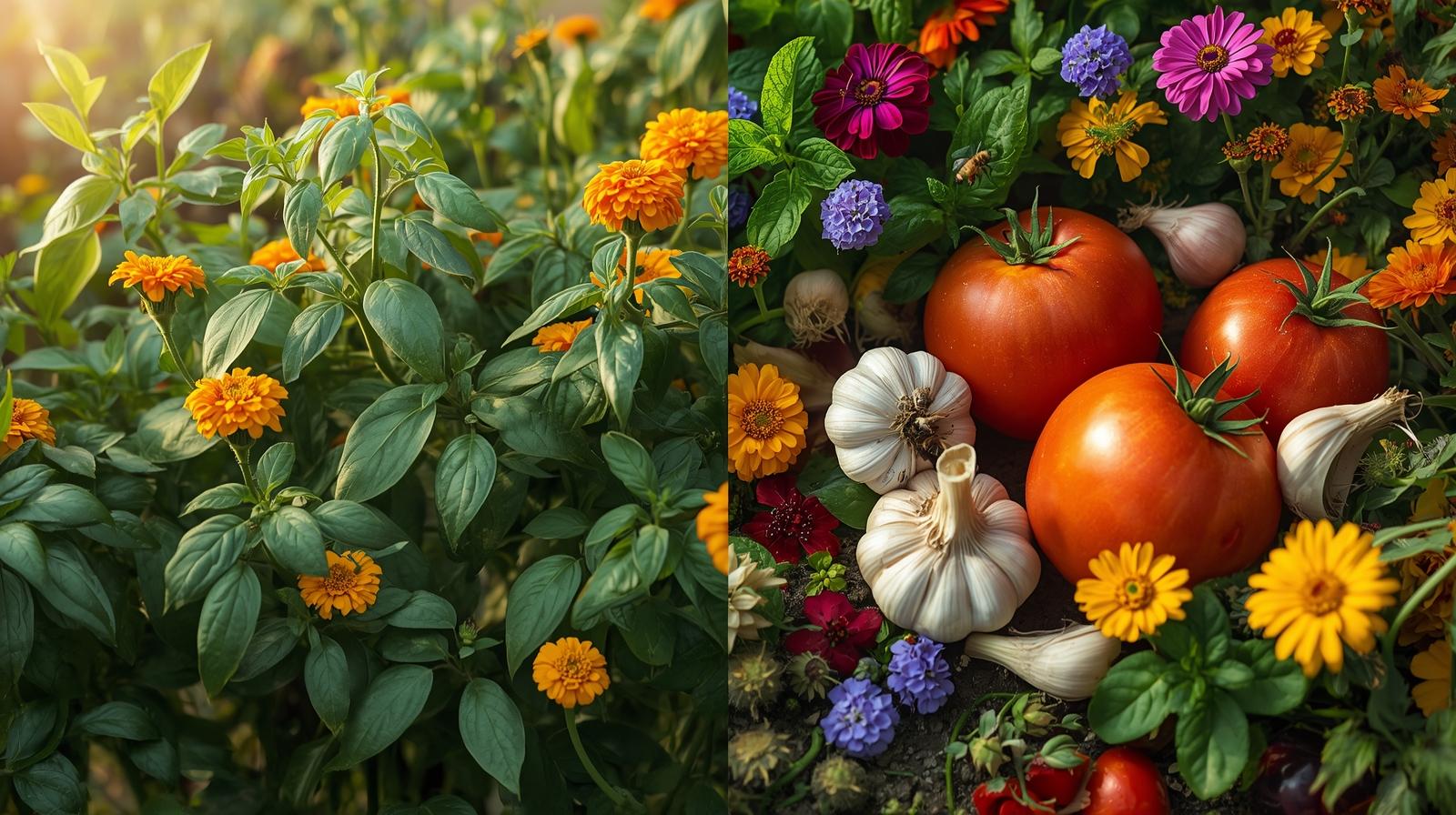
Marigolds are famous for their pest-repelling abilities. They release compounds that deter nematodes in soil. Marigolds also repel aphids, tomato hornworms, and whiteflies. Their bright flowers attract beneficial insects. Marigolds are easy to grow and low maintenance. They thrive in full sun alongside tomatoes. Planting marigolds improves overall garden health.
Best Marigold Types for Tomatoes
French marigolds are particularly effective against soil pests. African marigolds offer larger blooms and strong scent. Planting marigolds around tomato beds creates a protective barrier. Regular deadheading encourages continuous flowering. Their vibrant color adds beauty while protecting crops.
3. Garlic – Soil and Pest Protection
Garlic releases sulfur compounds that repel pests. It helps deter spider mites and aphids. Garlic improves soil health by reducing fungal pathogens. It grows well near tomatoes without competition. Garlic’s upright growth saves space. It requires minimal care once planted. Garlic enhances garden resilience naturally.
Planting Garlic with Tomatoes
Garlic can be planted around tomato bed edges. Its roots grow deep, minimizing nutrient competition. Garlic prefers well-drained soil and full sun. Harvesting garlic does not disturb tomatoes. This companion pairing supports disease prevention.
4. Nasturtiums – Trap Crops for Pests
Nasturtiums act as trap crops, drawing pests away from tomatoes. Aphids and beetles prefer nasturtiums over tomatoes. Their trailing growth covers soil and reduces weeds. Nasturtiums attract pollinators and beneficial insects. They are edible and decorative. Nasturtiums thrive in moderate soil fertility. Their bright flowers add color to gardens.
Using Nasturtiums Effectively
Plant nasturtiums near tomato borders. Allow them to trail freely. Monitor pest buildup on nasturtiums. Remove heavily infested plants if needed. This strategy protects tomatoes naturally.
5. Borage – Boosting Pollination and Growth
Borage is a powerful companion plant for tomatoes. It attracts bees and beneficial insects. Borage improves soil health when leaves decompose. It enhances tomato flavor according to gardeners. Borage grows tall and provides light shade. It self-seeds easily. This plant supports overall garden diversity.
Caring for Borage Near Tomatoes
Borage requires minimal care once established. It prefers full sun and moderate watering. Its deep roots do not compete with tomatoes. Regular trimming controls size. Borage’s blue flowers add charm and function.
Table: Best Companion Plants for Tomatoes
Companion Plant
Main Benefit
Pests Controlled
Growth Habit
Extra Advantages
Basil
Flavor improvement
Aphids whiteflies
Compact
Edible herb
Marigold
Soil protection
Nematodes insects
Bushy
Bright flowers
Garlic
Disease prevention
Mites aphids
Upright
Edible bulb
Nasturtium
Trap crop
Aphids beetles
Trailing
Edible flowers
Borage
Pollination boost
General pests
Tall
Soil enrichment