Introduction: Why Upcycled Planters Are a Smart Gardening Trend
Upcycled planters are becoming increasingly popular among home gardeners. They reduce waste while adding creativity to garden spaces. Many household items can be reused instead of thrown away. Turning waste into planters supports sustainable living. These planters add character and charm to homes. Gardening becomes more affordable with reused materials. Upcycling also encourages creativity and innovation. Each planter tells a unique story. Sustainable gardening starts at home.
Benefits of Using Upcycled Items as Planters
Upcycled planters help reduce household waste. They lower gardening costs significantly. Reusing items supports environmental conservation. These planters add personality to gardens. They can be customized easily. Upcycled containers work indoors and outdoors. Gardening becomes more accessible to beginners. They inspire eco-friendly habits. Sustainability becomes practical and fun.
Things to Consider Before Upcycling Items into Planters
Drainage is essential for plant health. Material durability affects longevity. Item size should match plant roots. Safety of materials is important. Weight matters for balconies. Weather resistance helps outdoor use. Aesthetic appeal enhances décor. Planning ensures success. Preparation avoids plant problems.
1. Old Buckets Turned into Rustic Planters
Old buckets make excellent planters. They are sturdy and spacious. Buckets support deep-rooted plants well. Metal buckets add rustic charm. Plastic buckets are lightweight and versatile. Drainage holes are easy to add. Buckets can be painted creatively. Handles allow easy movement. Buckets suit herbs and vegetables.
How to Prepare Buckets for Planting
Clean buckets thoroughly before use. Drill holes at the bottom. Add a drainage layer inside. Use quality potting soil. Choose suitable plants for depth. Place buckets in sunny areas. Avoid waterlogging roots. Maintenance is simple. Buckets last for years.
2. Glass Jars as Stylish Indoor Planters
Glass jars are ideal for small plants. They suit indoor décor beautifully. Jars showcase soil and roots visually. They work well for herbs. Transparent jars add elegance. Drainage requires careful watering. Pebbles improve airflow inside jars. Jars fit windowsills perfectly. They are easy to clean.
Best Plants for Glass Jar Planters
Succulents thrive in jars. Herbs like basil grow well. Pothos adapts easily. Spider plants look attractive. Small ferns also work. Avoid plants needing heavy drainage. Choose slow-growing varieties. Monitor moisture carefully. Healthy plants enhance interiors.
3. Old Shoes Transformed into Creative Planters
Old shoes can become unique planters. They add personality and humor. Shoes work well for small plants. Drainage holes are necessary. Boots suit outdoor gardens best. Sneakers add playful décor. Shoes fit vertical gardens. They spark conversation easily. Creativity shines through footwear planters.
Preparing Shoes for Gardening Use
Clean shoes thoroughly before planting. Add drainage holes if possible. Line inside with fabric. Fill with lightweight soil. Choose shallow-rooted plants. Place in protected areas. Avoid water retention. Inspect regularly. Shoes require creative care.
4. Tin Cans as Affordable Herb Planters
Tin cans are easy to upcycle. They are widely available. Cans suit herbs and flowers. Paint cans for decoration. Punch holes for drainage. Cans fit windows and balconies. Lightweight design helps movement. Grouping cans creates visual appeal. Tin planters are budget-friendly.
Decorating and Using Tin Can Planters
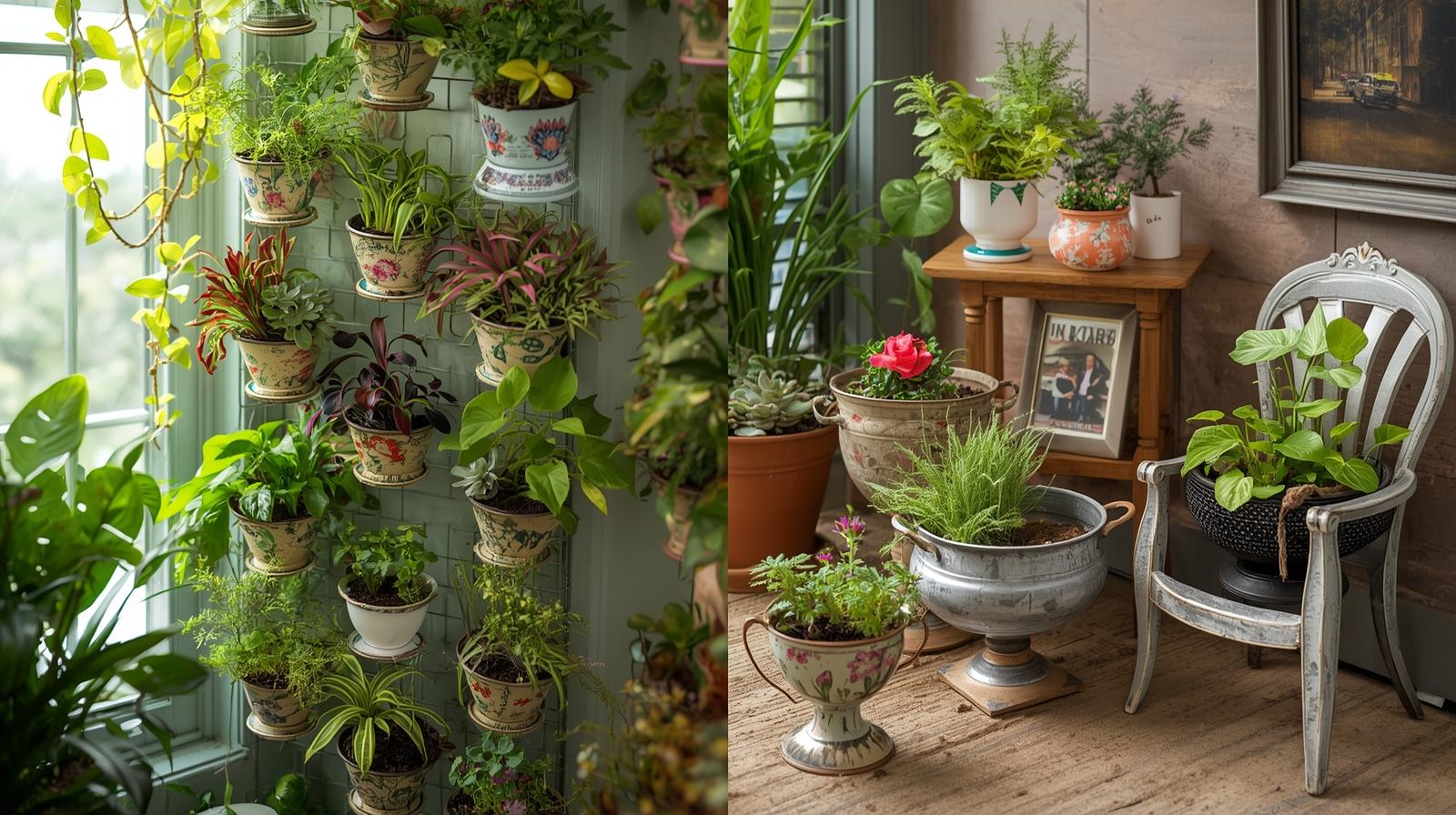
Remove labels and clean cans. Paint with weather-resistant paint. Add drainage holes at bottom. Use quality soil mix. Plant herbs or flowers. Arrange creatively. Avoid sharp edges. Maintenance is minimal.
5. Old Drawers Turned into Large Planters
Old drawers offer ample planting space. They suit vegetables and flowers. Wooden drawers add vintage charm. Multiple plants fit easily. Drawers work well outdoors. Line drawers for durability. Elevate drawers for drainage. They become statement pieces. Large planters improve productivity.
How to Use Drawers as Planters Successfully
Seal wood to prevent rot. Add drainage holes properly. Line interior with fabric. Fill with nutrient-rich soil. Choose suitable plants. Place in sunny areas. Water consistently. Seasonal care extends life.
Choosing Plants for Upcycled Planters
Plant size should match container. Herbs adapt easily. Flowers enhance visual appeal. Vegetables need deeper containers. Succulents suit small items. Climate affects plant choice. Light availability matters. Healthy selection ensures success.
Drainage Solutions for Upcycled Containers
Drainage prevents root rot. Pebbles improve airflow. Holes allow excess water escape. Layering soil helps balance. Avoid water retention. Drainage trays catch runoff. Proper setup is essential. Drainage ensures longevity.
Indoor vs Outdoor Placement of Upcycled Planters
Indoor planters suit herbs and décor. Outdoor planters handle weather exposure. Material choice affects placement. Sunlight availability matters. Temperature affects plants. Mobility allows adjustment. Placement determines success. Planning avoids damage.
Maintenance Tips for Upcycled Planters
Regular watering is essential. Inspect drainage frequently. Clean containers periodically. Monitor plant health. Adjust care seasonally. Replace worn containers. Proper maintenance prolongs use. Care ensures growth.
Environmental Impact of Upcycled Gardening
Upcycling reduces landfill waste. It conserves natural resources. Gardening becomes sustainable. Carbon footprint decreases. Awareness spreads through example. Eco-friendly habits develop. Communities benefit collectively. Gardening supports planet health.
Creative Ideas to Personalize Upcycled Planters
Use paint and patterns. Add labels creatively. Combine multiple containers. Create vertical displays. Mix textures and colors. Add lighting accents. Personal touches stand out. Creativity enhances beauty.
Common Mistakes When Upcycling Planters
Ignoring drainage causes failure. Using toxic materials harms plants. Poor placement affects growth. Overwatering damages roots. Choosing wrong plant size limits success. Avoid these mistakes. Knowledge improves results. Awareness ensures thriving plants.
Table: Popular Upcycled Household Planters
Household Item
Old buckets suitable for deep-rooted plants
Household Item
Glass jars ideal for indoor herbs
Household Item
Old shoes for decorative small plants
Household Item
Tin cans perfect for herbs
Household Item
Old drawers suitable for large planters
Image Generation Prompt (2 Half in 1 Image)
“Split image showing creative upcycled planters: left side displays tin cans and glass jars used as indoor herb planters, right side shows old shoes and wooden drawers transformed into outdoor planters, eco-friendly gardening style, natural lighting, high detail”
🌿 Article 2: Creative Ways to Turn 5 Upcycled Household Items into Beautiful Planters at Home
Introduction: The Art of Upcycled Gardening
Upcycled gardening transforms waste into beauty. Household items can gain new life as planters. This approach supports sustainable living. Gardening becomes affordable and creative. Each planter reflects personal style. Upcycling reduces environmental impact. Homes gain unique décor pieces. Gardening becomes a creative outlet. Sustainability meets design.
Why Upcycled Planters Are Perfect for Home Gardens
Upcycled planters cost very little. They reduce household waste. Custom designs fit any space. They work in small homes. Gardening becomes inclusive. Creativity replaces expensive décor. Environmental awareness grows naturally. Upcycled gardens inspire others. Benefits extend beyond plants.
Safety and Practicality in Upcycled Planters
Material safety matters for plants. Avoid chemical-treated containers. Ensure proper drainage always. Stability prevents tipping. Weight affects placement choices. Weather resistance matters outdoors. Practicality ensures plant survival. Planning avoids issues.
1. Plastic Bottles Reimagined as Vertical Planters
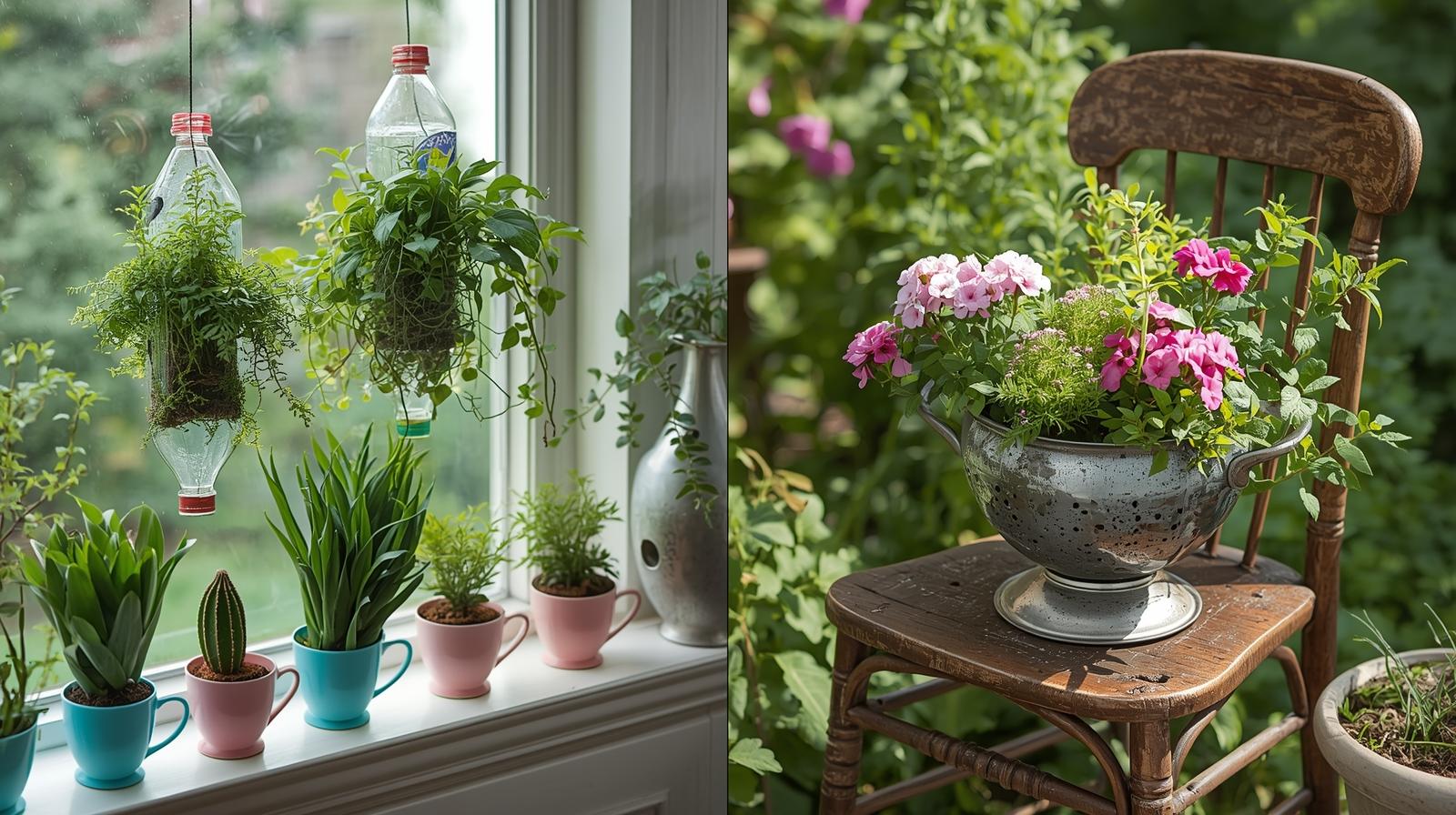
Plastic bottles are easy to reuse. They suit vertical gardening. Bottles save space effectively. They work well for herbs. Lightweight design aids hanging. Bottles reduce plastic waste. Creative cuts add style. Vertical gardens improve airflow. Bottles are versatile.
Preparing Plastic Bottles for Planting
Wash bottles thoroughly. Cut openings carefully. Add drainage holes. Fill with light soil. Choose small plants. Hang securely. Monitor moisture levels. Bottles require frequent watering. Maintenance is simple.
2. Teacups and Mugs as Decorative Planters
Old teacups add elegance. They suit succulents well. Cups fit desks and shelves. Drainage requires careful watering. Teacups enhance indoor décor. They add vintage charm. Compact size suits small plants. Decorative planters elevate interiors.
Best Plants for Teacup Planters
Succulents thrive in cups. Cacti need minimal water. Mini herbs work well. Small flowering plants suit décor. Avoid fast-growing plants. Choose shallow-rooted varieties. Monitor moisture carefully. Healthy plants enhance beauty.
3. Old Kitchen Colanders as Hanging Planters
Colanders provide excellent drainage. They suit hanging displays. Metal colanders add industrial style. Lightweight design aids hanging. Airflow supports root health. Colanders fit trailing plants. Decorative liners enhance look. They suit balconies well.
Preparing Colanders for Gardening
Clean colanders thoroughly. Line interior with fabric. Fill with soil mix. Choose trailing plants. Hang securely. Water carefully. Inspect hooks regularly. Maintenance ensures safety.
4. Broken Furniture Turned into Statement Planters
Broken furniture can be repurposed creatively. Drawers and chairs work well. Furniture adds bold style. Large spaces suit multiple plants. Wood requires sealing. Statement planters enhance gardens. Furniture planters last long. Creativity transforms waste.
Using Furniture as Garden Planters
Remove sharp edges. Seal surfaces properly. Add drainage holes. Line interior well. Choose appropriate plants. Place securely outdoors. Water consistently. Maintenance extends lifespan.
5. Old Baskets Converted into Cozy Planters
Baskets add natural texture. They suit indoor décor. Lining prevents leaks. Lightweight design helps mobility. Baskets suit houseplants. Natural materials enhance aesthetics. Decorative and functional. Cozy appearance complements homes.
How to Prepare Baskets for Plants
Line baskets with plastic. Add drainage holes. Use inner pots. Choose moisture-tolerant plants. Place in indirect light. Avoid excess water. Inspect regularly. Care keeps baskets usable.
Choosing the Right Plants for Upcycled Containers
Plant roots should fit container size. Herbs adapt easily. Flowers enhance visuals. Succulents suit small containers. Vegetables need depth. Climate affects choice. Light availability matters. Selection ensures success.
Drainage Techniques for Non-Traditional Planters
Drainage holes prevent root rot. Pebble layers improve airflow. Inner pots help control water. Trays protect surfaces. Avoid standing water. Drainage planning is essential. Healthy roots ensure growth.
Indoor Styling with Upcycled Planters
Match planters with décor themes. Group containers creatively. Use shelves for display. Combine textures. Lighting enhances appearance. Indoor gardens improve mood. Styling adds elegance. Creativity makes impact.
Outdoor Display Ideas for Upcycled Planters
Arrange planters at varying heights. Combine materials creatively. Use vertical space. Protect from harsh weather. Rotate plants seasonally. Outdoor displays attract attention. Upcycled gardens look artistic.
Maintenance Tips for Long-Term Success
Check drainage regularly. Water appropriately. Replace worn containers. Clean planters occasionally. Monitor plant health. Adjust care seasonally. Maintenance ensures longevity. Healthy plants thrive longer.
Environmental Advantages of Upcycled Gardening
Upcycling reduces landfill waste. Conserves natural resources. Promotes sustainability. Encourages eco-conscious habits. Gardening becomes responsible. Environmental impact decreases. Small actions matter. Upcycled gardening helps the planet.
Common Mistakes to Avoid
Ignoring drainage harms plants. Using toxic materials is risky. Poor placement affects growth. Overwatering causes rot. Wrong plant choice limits success. Avoid mistakes through planning. Knowledge ensures thriving gardens.
Table: Creative Upcycled Planter Ideas
Upcycled Item
Plastic bottles ideal for vertical gardening
Upcycled Item
Teacups suitable for succulents
Upcycled Item
Colanders provide natural drainage
Upcycled Item
Old furniture works for large planters
Upcycled Item
Baskets perfect for indoor plants