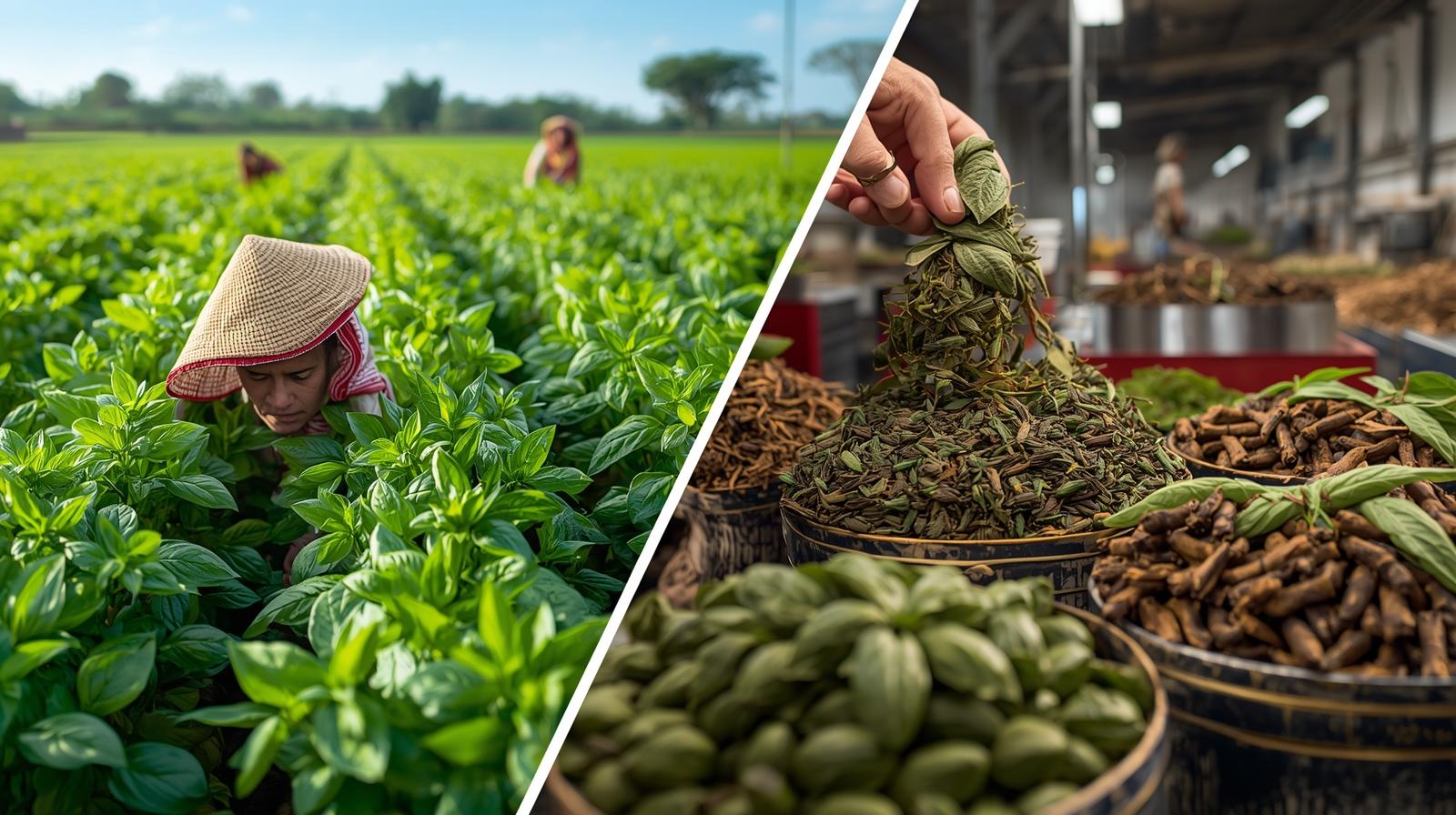
Basil is a highly valued aromatic herb used in culinary, medicinal, and ornamental applications. It is known for its sweet fragrance, culinary versatility, and health-promoting properties. While basil is grown in many countries, a few dominate production at a global scale. Understanding the largest basil producer reveals agricultural practices, climate suitability, and global trade dynamics. Basil is used fresh, dried, in sauces, and essential oils. Its increasing demand for culinary and medicinal purposes has boosted international production.
Global Importance of Basil
Basil contains essential oils with antimicrobial, antioxidant, and anti-inflammatory properties. It is widely used in cuisines worldwide, including Italian, Thai, Indian, and Mediterranean dishes. Basil supports agro-industries producing sauces, teas, and herbal remedies. Global demand for fresh and dried basil continues to rise. The herb thrives in tropical and subtropical climates, making production geographically concentrated. It contributes to rural livelihoods and economic development. The herb’s global importance spans nutrition, health, and trade.
Climate and Soil Requirements
Basil grows best in warm, sunny climates with well-drained fertile soil. Optimal temperature ranges between seventy and ninety degrees Fahrenheit. Poor drainage or waterlogging reduces growth and encourages disease. Adequate sunlight enhances essential oil production, aroma, and flavor. Fertilization with nitrogen, phosphorus, and potassium supports vigorous growth. Climate control in greenhouses allows year-round production in non-tropical regions. Proper soil preparation and irrigation are crucial for high-quality yield. Climate suitability explains why certain countries dominate production.
Top Basil-Producing Countries
Major producers include India, Italy, Egypt, the United States, and Thailand. India leads production due to its favorable climate and large-scale cultivation. Italy is known for high-quality culinary basil, especially Genovese and sweet varieties. Egypt and Thailand focus on essential oil production. The U.S. specializes in fresh basil for domestic consumption. Production techniques differ based on market focus, including fresh, dried, and processed forms. Global production is influenced by climate, tradition, and trade.
India: Global Leader in Basil Production
India is currently the largest producer of basil in the world, contributing over thirty-five percent of total output. Major cultivation regions include Uttar Pradesh, Gujarat, Rajasthan, and Madhya Pradesh. India grows varieties like Holy Basil (Tulsi), Sweet Basil, and Genovese types. Farmers use a combination of traditional and modern techniques to enhance yield. Domestic consumption is high, especially for religious, culinary, and medicinal purposes. India exports basil leaves, dried forms, and essential oils. Favorable climate, labor availability, and infrastructure make India the global leader.
Italy’s Culinary Basil Production
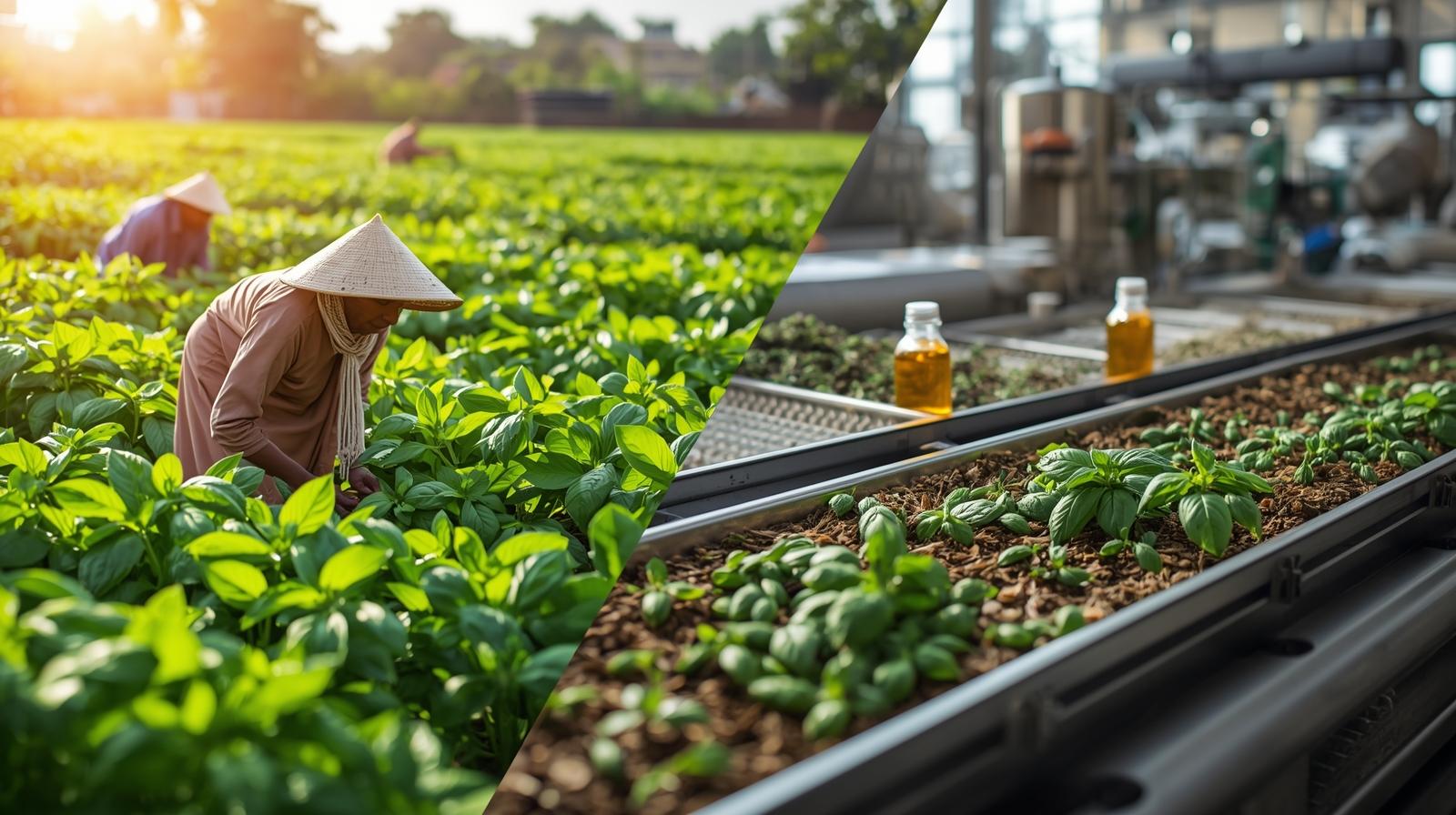
Italy is renowned for its high-quality culinary basil. Genovese basil is a premium variety used in pesto and Italian cuisine. Cultivation occurs in Liguria, Tuscany, and Sicily. Italian basil is mostly exported to Europe, North America, and Japan. Greenhouse cultivation ensures year-round supply. Farmers focus on aroma, leaf size, and color for quality. Italy’s basil production combines tradition, aesthetics, and international demand. Culinary prestige makes Italy a major producer for niche markets.
Egypt and Basil Oil Production
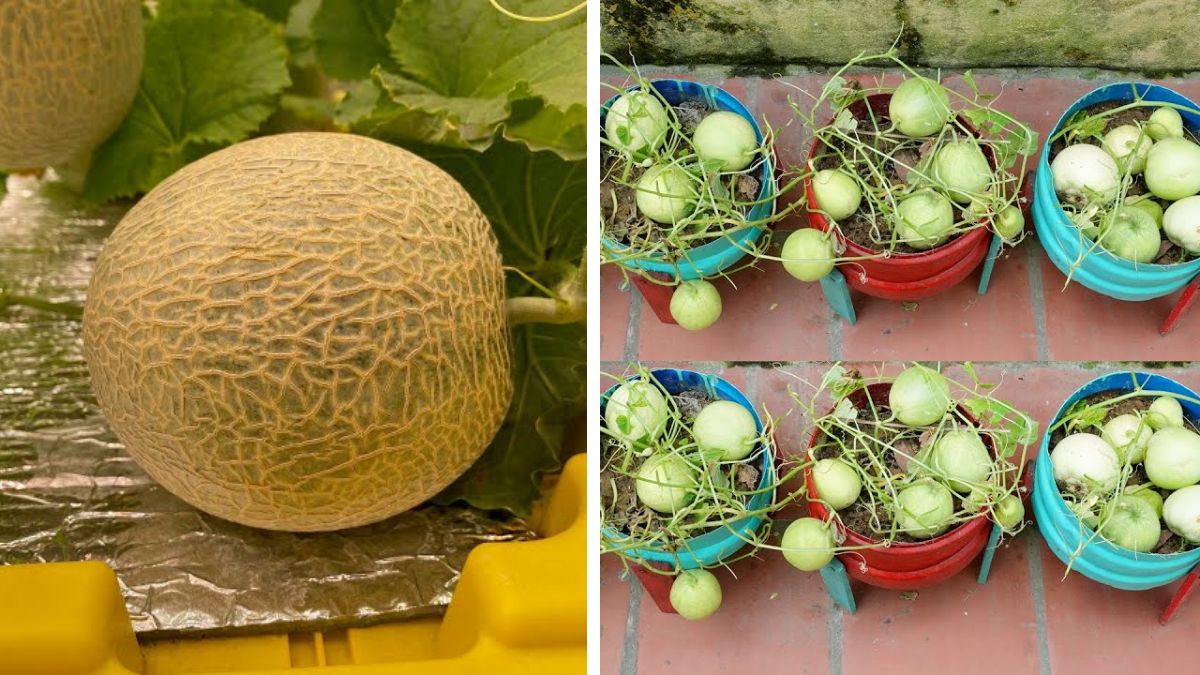
Egypt produces basil primarily for essential oils used in perfumes, cosmetics, and aromatherapy. Basil varieties cultivated include Sweet Basil and Holy Basil. Large farms near Nile Delta benefit from fertile soil and warm climate. Export markets include Europe, the Middle East, and Asia. Production focuses on high oil content rather than leaf quantity. Mechanized harvesting and distillation improve efficiency. Egypt’s contribution strengthens global supply of basil oil. Climate and soil favor high-yield, aromatic cultivation.
United States Basil Production
In the United States, basil is cultivated mainly in California, Florida, and Arizona. Production focuses on fresh leaves for domestic markets. Greenhouse cultivation extends the growing season. Varieties include Sweet Basil, Genovese, and Lemon Basil. Labor-intensive harvesting ensures leaf quality. Hydroponic systems and drip irrigation improve productivity. The U.S. also imports basil to supplement domestic supply. Production emphasizes freshness, quality, and culinary demand.
Thailand’s Basil Production
Thailand grows basil for culinary and medicinal purposes. Varieties include Holy Basil, Thai Basil, and Lemon Basil. Production occurs in central and northern regions. Thai basil is a staple in local cuisine and exported to Southeast Asia and Europe. Fertile soil and tropical climate enhance aroma and leaf quality. Farmers use irrigation, fertilizers, and controlled harvesting. Thailand’s contribution supports regional trade and culinary markets. It combines tradition and commercial agriculture efficiently.
Table: Top Basil-Producing Countries
| Country Name | Annual Production | Major Varieties | Primary Market |
|---|---|---|---|
| India | Very high | Tulsi, Sweet Basil, Genovese | Domestic and global |
| Italy | High | Genovese, Sweet Basil | Europe, North America, Japan |
| Egypt | Medium | Sweet Basil, Holy Basil | Europe, Middle East, Asia |
| United States | Medium | Sweet Basil, Genovese | Domestic consumption |
| Thailand | Medium | Holy Basil, Thai Basil | Southeast Asia, Europe |
Basil Varieties and Their Uses
Sweet Basil is popular in cooking for sauces, salads, and pesto. Holy Basil is used in medicine, teas, and aromatherapy. Genovese Basil is prized for Italian culinary uses. Thai Basil adds flavor to stir-fries and curries. Lemon Basil provides a citrusy aroma for desserts and beverages. Each variety has specific cultivation and harvesting requirements. Proper selection ensures optimal yield and quality. Variety choice is influenced by market demand and climate suitability.
Harvesting and Post-Harvest Practices
Basil leaves are harvested when mature but before flowering. Morning harvesting preserves essential oils. Manual harvesting ensures leaf integrity. Leaves are often sun-dried or processed into oils for long-term storage. Refrigeration maintains freshness for export and retail. Proper packaging prevents wilting and contamination. Post-harvest practices are essential to maintain aroma, color, and quality. Efficient handling supports both domestic and international markets.
Economic Significance of Basil
Basil cultivation generates income for farmers and boosts rural economies. Essential oil production and export add value beyond leaf consumption. Culinary and medicinal uses create multiple revenue streams. Export markets provide foreign exchange for producing countries. Processing industries employ workers in harvesting, drying, and oil extraction. Government support and cooperative farming initiatives enhance productivity. Basil production contributes to national economies and agricultural development.
Pests and Disease Management
Basil is vulnerable to aphids, whiteflies, and fungal diseases such as downy mildew. Proper spacing, irrigation management, and organic pesticides reduce risks. Regular inspection prevents infestation spread. Disease-resistant varieties improve yield and reduce losses. Crop rotation and soil management enhance plant health. Preventive measures are essential for high-quality output. Farmers combine traditional knowledge with modern techniques. Effective pest control ensures sustainable basil production.
Climate Adaptation Strategies
Basil thrives in warm climates but may need protection in cooler regions. Greenhouses and poly-tunnels allow year-round production. Drip irrigation ensures adequate moisture without waterlogging. Shade nets protect against extreme sunlight. Climate adaptation supports consistent yield and leaf quality. Varieties are selected based on regional suitability. Modern techniques reduce vulnerability to temperature fluctuations. Climate-smart cultivation secures production and market supply.
Sustainable Basil Farming Practices
Organic fertilizers, compost, and natural pest control improve soil health. Crop rotation prevents nutrient depletion. Reduced chemical usage ensures environmental protection. Sustainable practices support export certification standards. Mulching and irrigation efficiency conserve resources. Intercropping with compatible plants enhances biodiversity. Sustainable farming strengthens marketability and global trade compliance. Long-term environmental benefits support continued production.
Value-Added Products from Basil
Basil is processed into essential oils, dried leaves, pastes, sauces, and herbal teas. Essential oils are used in aromatherapy, cosmetics, and medicines. Dried leaves are sold as culinary herbs globally. Basil paste and pesto are popular in international markets. Processing adds value, increases shelf life, and generates higher income. Export of value-added products strengthens economic contribution. Farmers benefit from diversification of products. Value addition supports global demand and revenue growth.
Future Outlook for Basil Production
Global demand for basil is expected to increase due to culinary, medicinal, and aromatic uses. India is likely to maintain its leadership position. Investments in high-yield varieties and modern irrigation improve efficiency. Export markets in Europe, North America, and Asia continue to grow. Sustainable and organic production practices will gain importance. Value-added products enhance revenue potential. Basil production remains a high-demand agricultural commodity with long-term growth prospects.