Cantaloupes, also known as muskmelons, are a popular summer fruit prized for their sweet aroma, juicy flesh, and nutritional value. They are grown in various parts of the world, but only a few countries dominate production on a large scale. Understanding where most cantaloupes are grown highlights agricultural trends, climate suitability, and trade opportunities. The fruit is consumed fresh, in salads, smoothies, desserts, and as a health snack. Global cantaloupe production has increased steadily due to growing demand for nutritious fruits. This article explores the top cantaloupe-producing countries, production methods, and market impact.
Global Significance of Cantaloupes
Cantaloupes are rich in vitamins A and C, potassium, and dietary fiber. They support healthy digestion, immunity, and hydration. The fruit is popular in North America, Europe, and Asia, driving international trade. Beyond consumption, cantaloupes have economic importance for farmers and exporters. They grow in tropical and subtropical climates and require moderate rainfall and warm temperatures. The cultivation of cantaloupes supports rural livelihoods and contributes to agricultural GDP. Understanding production patterns provides insight into global food supply chains.
Key Factors Affecting Cantaloupe Production
Climate is critical for cantaloupe cultivation. The fruit requires warm temperatures, plenty of sunlight, and well-drained soil. Excessive rainfall or humidity may cause disease and reduce yield. Fertile, sandy loam soil ensures proper root development. Irrigation is essential during dry periods to maintain fruit quality. Pest and disease control prevents crop loss. Farming practices such as spacing, pruning, and nutrient management influence output. Access to modern processing and storage facilities supports market supply. These factors determine why certain countries dominate production.
Top Cantaloupe-Producing Countries
Major cantaloupe producers include China, Turkey, Iran, the United States, and Egypt. China leads production, followed by Turkey and Iran. The United States specializes in high-quality cantaloupes for both domestic and export markets. Egypt focuses on Mediterranean and European exports. Production volume depends on climate, irrigation, farm management, and market demand. Export data shows the global reliance on a few key producers for cantaloupes. Comparing production reveals the reasons behind China’s dominance.
China as the Largest Producer
China is the largest cantaloupe producer globally, contributing more than thirty percent of the world’s supply. Cultivation is concentrated in provinces like Shandong, Hebei, and Henan. Favorable subtropical climate, fertile soils, and extensive irrigation allow large-scale production. Chinese farmers employ both traditional and modern agricultural techniques. Domestic demand is high, but China also exports cantaloupes to neighboring Asian countries. Research and hybrid varieties enhance yield and disease resistance. China’s scale and infrastructure make it the global leader in cantaloupe production.
Turkey’s Role in Cantaloupe Production
Turkey ranks second in global cantaloupe output. Production occurs mainly in Mediterranean and Aegean regions. Turkish cantaloupes are valued for sweetness and flavor, preferred in European markets. The country grows several varieties adapted to local climates. Export-oriented farms follow strict quality control measures. Turkey also focuses on domestic consumption, where cantaloupes are popular in summer markets. Irrigation and soil management practices ensure high productivity. Turkey’s balance of domestic use and export strengthens its position in global production.
Iran’s Cantaloupe Industry
Iran is a major producer of cantaloupes in the Middle East. Cultivation regions include Khorasan, Fars, and Isfahan. Iran grows a variety of cantaloupes, including sweet and aromatic types. Domestic demand is significant, with some exports to neighboring countries. Farmers rely on irrigation, fertilizers, and pest management to maximize yield. Iran’s focus on local consumption supports rural economies. Seasonal cultivation ensures a continuous supply. The combination of quality and quantity contributes to Iran’s prominence in cantaloupe production.
United States’ Cantaloupe Production
The United States focuses on high-quality cantaloupe varieties, mainly grown in California, Arizona, and Texas. Varieties like Athena, Ambrosia, and Magnum are popular. U.S. production is technology-driven, with advanced irrigation, greenhouse cultivation, and mechanized harvesting. The domestic market consumes most cantaloupes, with surplus exported to Canada and Mexico. Quality standards ensure uniform size, color, and sweetness. Research in disease-resistant varieties increases productivity. U.S. cantaloupe production combines technology, quality, and market efficiency.
Egypt and Mediterranean Export
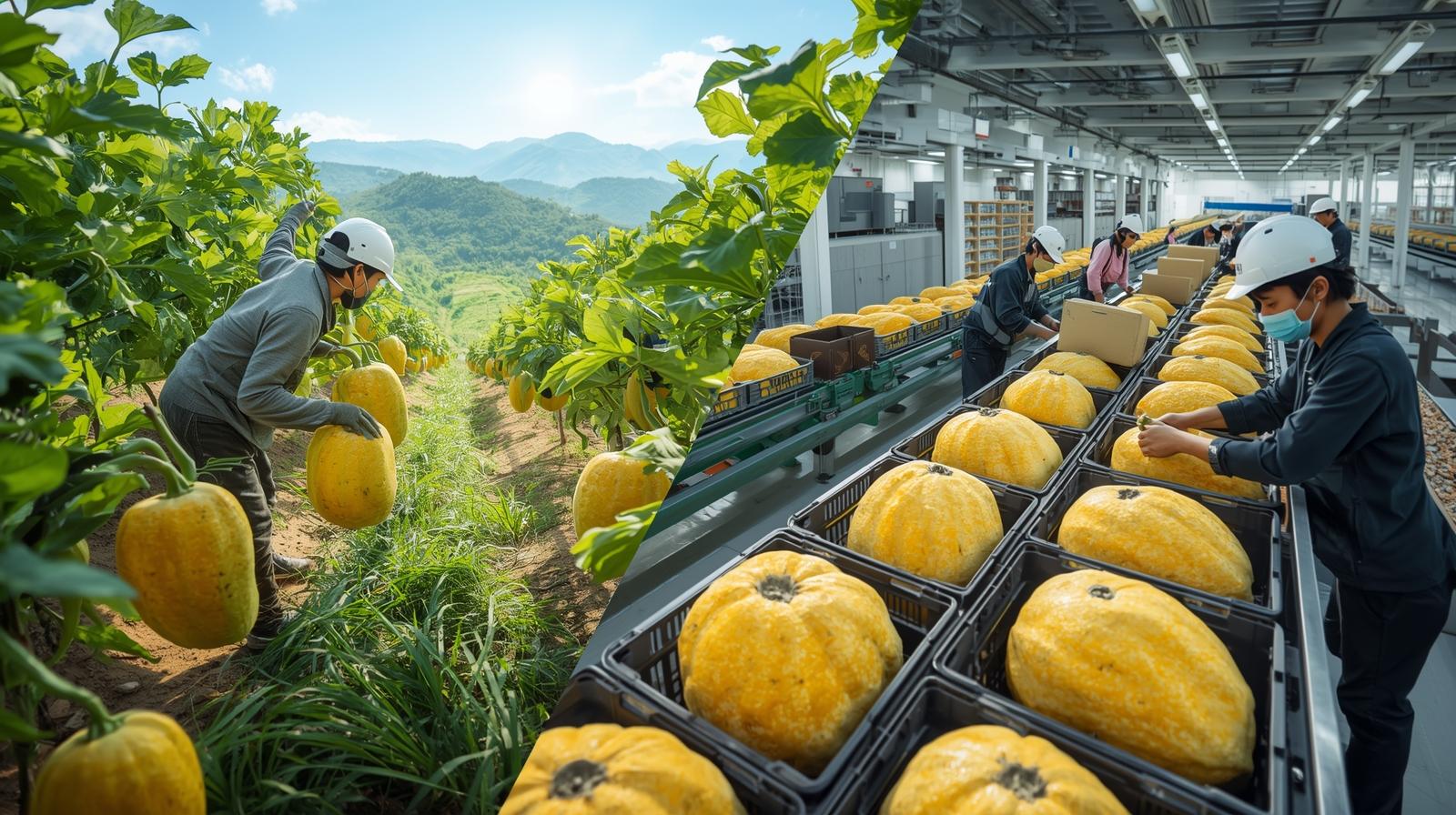
Egypt ranks among the top cantaloupe producers in North Africa. Cultivation occurs along the Nile Delta and Mediterranean coastal regions. Egypt’s favorable climate and fertile soil allow year-round production. Cantaloupes are exported primarily to Europe, filling seasonal demand. Farmers employ drip irrigation and fertilizer optimization to improve yield. Local consumption is also significant. Egypt’s focus on export quality ensures market access. Its production complements global supply and supports regional trade.
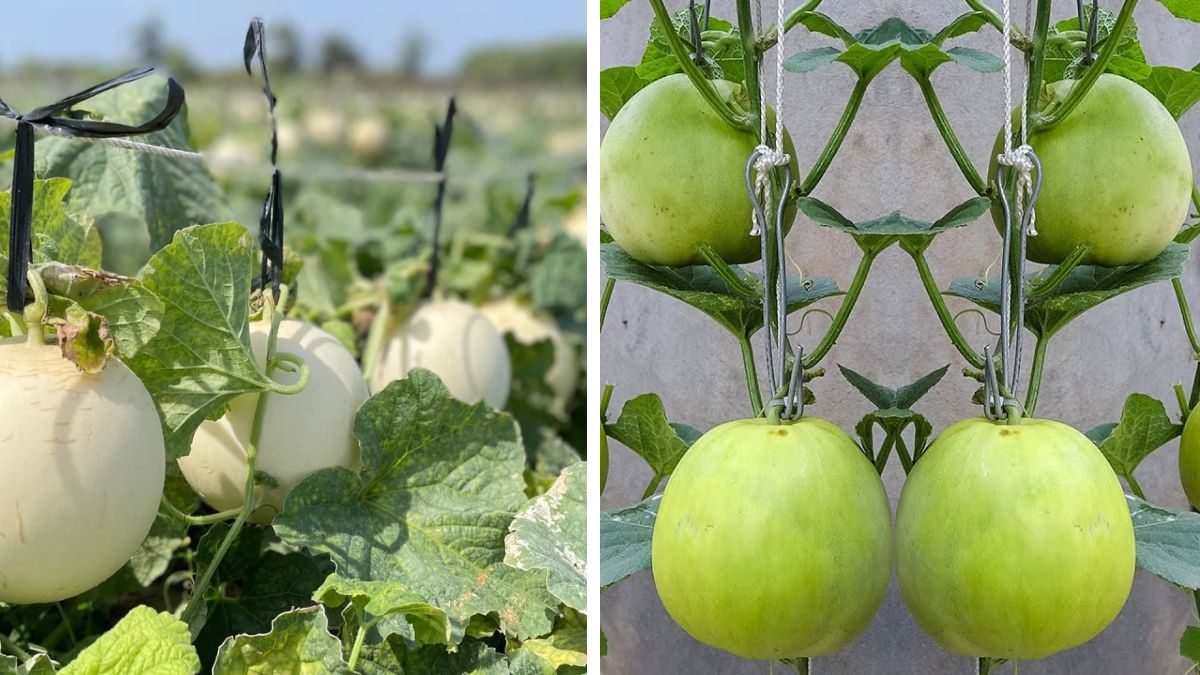
Table: Top Cantaloupe-Producing Countries
| Country Name | Annual Production | Major Varieties | Export Markets |
|---|---|---|---|
| China | Very high | Shandong Sweet, Hebei Golden | Neighboring Asian countries |
| Turkey | High | Kavun, Anatolian Sweet | Europe |
| Iran | Medium | Sweet Aromatic | Regional Middle East |
| United States | Medium | Athena, Ambrosia, Magnum | Canada, Mexico |
| Egypt | Medium | Mediterranean Sweet | Europe |
Climate Requirements for Cantaloupes
Cantaloupes thrive in warm, sunny climates with daytime temperatures above seventy degrees Fahrenheit. Night temperatures should not drop below sixty degrees for optimal fruit set. Excessive humidity promotes fungal diseases such as powdery mildew. Sandy loam soil ensures good drainage, essential for root health. Adequate sunlight improves sugar accumulation and flavor. Drip irrigation prevents water stress and supports uniform growth. Climate adaptation is a major factor for successful cultivation. Countries with ideal weather dominate production.
Economic Importance of Cantaloupes
Cantaloupe cultivation supports millions of smallholder farmers globally. Export-oriented production provides significant foreign exchange earnings. Domestic markets benefit from seasonal sales and food industry supply. Processing facilities convert cantaloupes into dried, canned, and frozen products. Employment opportunities extend to harvesting, packaging, and logistics. Local economies thrive through ancillary services and trade. Government support through subsidies and research strengthens production. Cantaloupes are both a dietary staple and an economic asset.
Harvesting Techniques
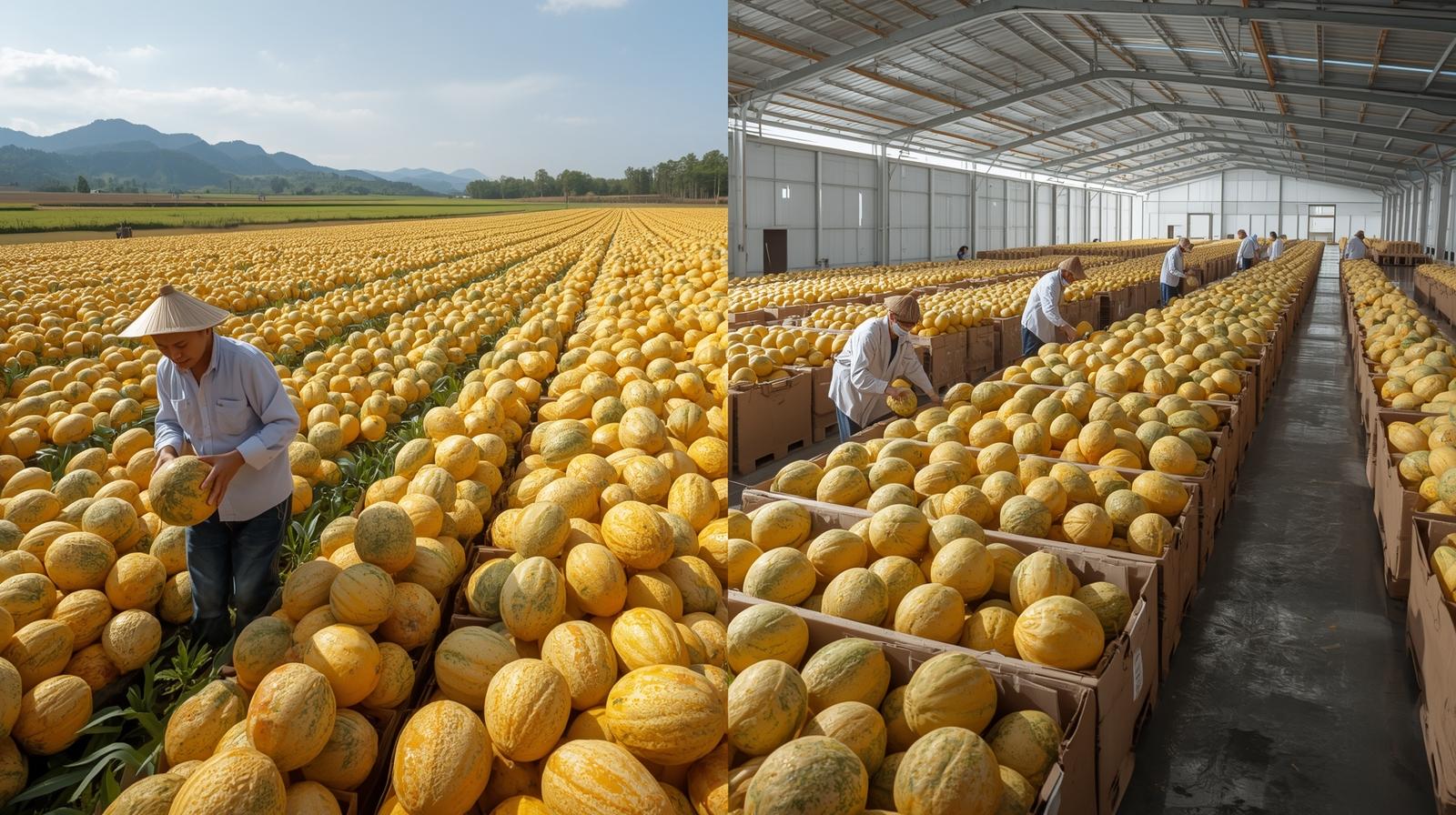
Harvesting is done when cantaloupes reach full maturity for maximum flavor. Manual picking is common in China, Turkey, and Iran. Mechanized harvesting is used in large-scale U.S. farms. Proper handling avoids bruising and spoilage. Post-harvest storage in controlled environments extends shelf life. Export cantaloupes are packed carefully to meet quality standards. Harvest timing is essential for domestic sales and international shipping. Efficient harvesting ensures high-quality produce for global markets.
Storage and Transport
Cantaloupes are perishable and require careful storage. Cool, ventilated warehouses prevent over-ripening. Temperature control between fifty-eight and sixty-two degrees Fahrenheit preserves freshness. Packaging includes protective padding to avoid damage during transit. Export shipments use refrigerated containers. Proper storage reduces post-harvest losses. Transportation efficiency ensures supply to distant markets. Storage and logistics are key to maintaining quality for export-oriented producers.
Challenges in Production
Producers face risks such as pests, diseases, and climate variability. Aphids, melon flies, and powdery mildew can reduce yield. Extreme weather events like heatwaves or unseasonal rains affect fruit quality. Labor shortages impact harvesting efficiency. Market fluctuations can reduce profitability. Maintaining soil fertility is essential for long-term sustainability. Farmers must adopt modern techniques and irrigation to mitigate risks. Effective management ensures consistent supply and profitability.
Future Outlook
Global demand for cantaloupes is expected to grow due to increasing health awareness. China is likely to maintain its leadership role. Expansion in the Middle East and Europe provides new market opportunities. Investments in technology, disease-resistant varieties, and post-harvest handling improve production. Sustainable practices are gaining importance for export compliance. Value-added products like juices, purees, and dried cantaloupes drive revenue growth. Cantaloupe cultivation remains a profitable and strategic agricultural commodity.