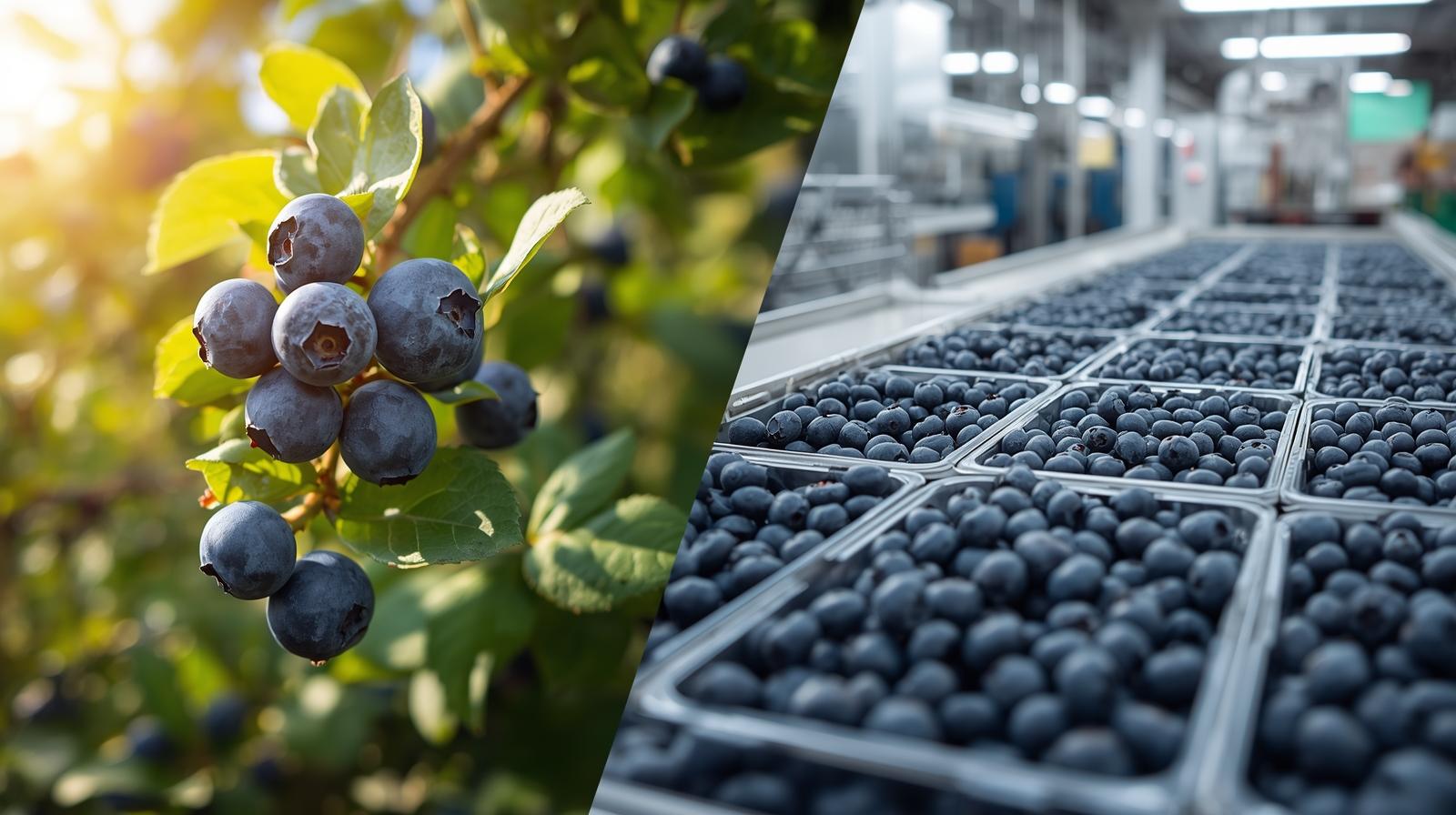
Blueberries (Vaccinium spp.) are small, nutrient-rich berries prized for their antioxidants, vitamins, and culinary versatility. Global demand for fresh and processed blueberries is rapidly increasing due to health trends. Exporting countries contribute significantly to international supply and pricing. Understanding the leading exporter helps farmers, traders, and buyers plan for production, imports, and consumption. This article explores the largest blueberry exporter, production regions, and global market dynamics.
Nutritional and Health Benefits
Blueberries are rich in antioxidants, vitamin C, fiber, and manganese. They support heart health, improve cognitive function, and aid digestion. Their health benefits drive consumer demand worldwide. Processed products like juices, jams, and frozen berries expand market potential. Nutritional appeal increases export volume and profitability. Awareness of health benefits promotes consumption and market growth. Countries capitalize on both fresh and processed blueberry markets.
Historical Cultivation
Blueberries are native to North America and have been cultivated for centuries. Modern farming techniques, hybrid varieties, and greenhouse cultivation have increased yields. Traditional knowledge guides soil preparation, pruning, and harvesting. Export-focused production uses technology to enhance quality and shelf-life. Historical cultivation informs present-day global supply chains. Understanding heritage practices ensures sustainable growth.
Global Blueberry Market
The international blueberry market includes fresh, frozen, and processed products. Key importing regions are Europe, North America, and Asia. Market growth is driven by health awareness, culinary demand, and year-round availability. Exporting countries compete based on quality, size, and shelf-life. Global trade influences production planning and variety selection. Market trends impact both farmers and international buyers. Blueberries are a high-value agricultural commodity.
Ideal Growing Conditions
Blueberries require acidic soil (pH 4.5–5.5), well-draining media, and consistent moisture. They thrive in temperate climates with full sunlight. Frost protection and irrigation management enhance yields. Soil enrichment with organic matter supports fruit quality. Suitable conditions increase berry size, sweetness, and shelf-life. Environmental monitoring improves production efficiency. Optimal growing conditions ensure profitable export-quality berries.
Leading Producing Countries
The United States, Canada, Chile, and Peru are major producers. Among them, Chile is currently the largest blueberry exporter globally, supplying fresh and frozen berries year-round. Favorable climate, modern farming, and robust logistics support its dominance. Other countries supply niche markets or seasonal windows. Chile’s export-oriented production ensures market stability and competitive pricing. Efficient infrastructure enables global reach.
Why Chile Leads in Exports
Chile’s unique southern hemisphere climate allows off-season exports to North America and Europe. Large-scale farms, modern irrigation, and harvesting techniques maintain high-quality berries. Strategic ports and cold-chain logistics preserve freshness during transit. Government support and trade agreements facilitate international sales. Chile’s focus on export-quality blueberries ensures competitive edge. Its geographic advantage enables year-round supply to global markets.
Popular Blueberry Varieties
Exported blueberries include highbush varieties for fresh consumption and rabbiteye types for processing. Varieties are selected for shelf-life, firmness, and flavor. Hybrid varieties increase yield and disease resistance. Varietal selection affects export market acceptance and profitability. Quality, appearance, and taste determine competitiveness. Proper selection maximizes export opportunities and reduces losses.
Planting and Propagation
Blueberries propagate via cuttings, grafting, or tissue culture. Proper spacing, pruning, and soil preparation enhance air circulation and fruit quality. Young plants require consistent watering and protection from pests. Propagation ensures uniformity for large-scale exports. Successful propagation guarantees high yields and consistent berry quality. Establishing healthy plants is critical for market success.
Irrigation Practices
Blueberries require regular watering to maintain soil moisture without waterlogging. Drip irrigation is commonly used to deliver controlled hydration. Mulching reduces evaporation and maintains soil temperature. Efficient irrigation increases fruit size and reduces disease. Monitoring soil moisture prevents stress and ensures consistent quality. Proper water management supports global export standards. Hydration directly impacts taste and firmness.
Fertilization Techniques
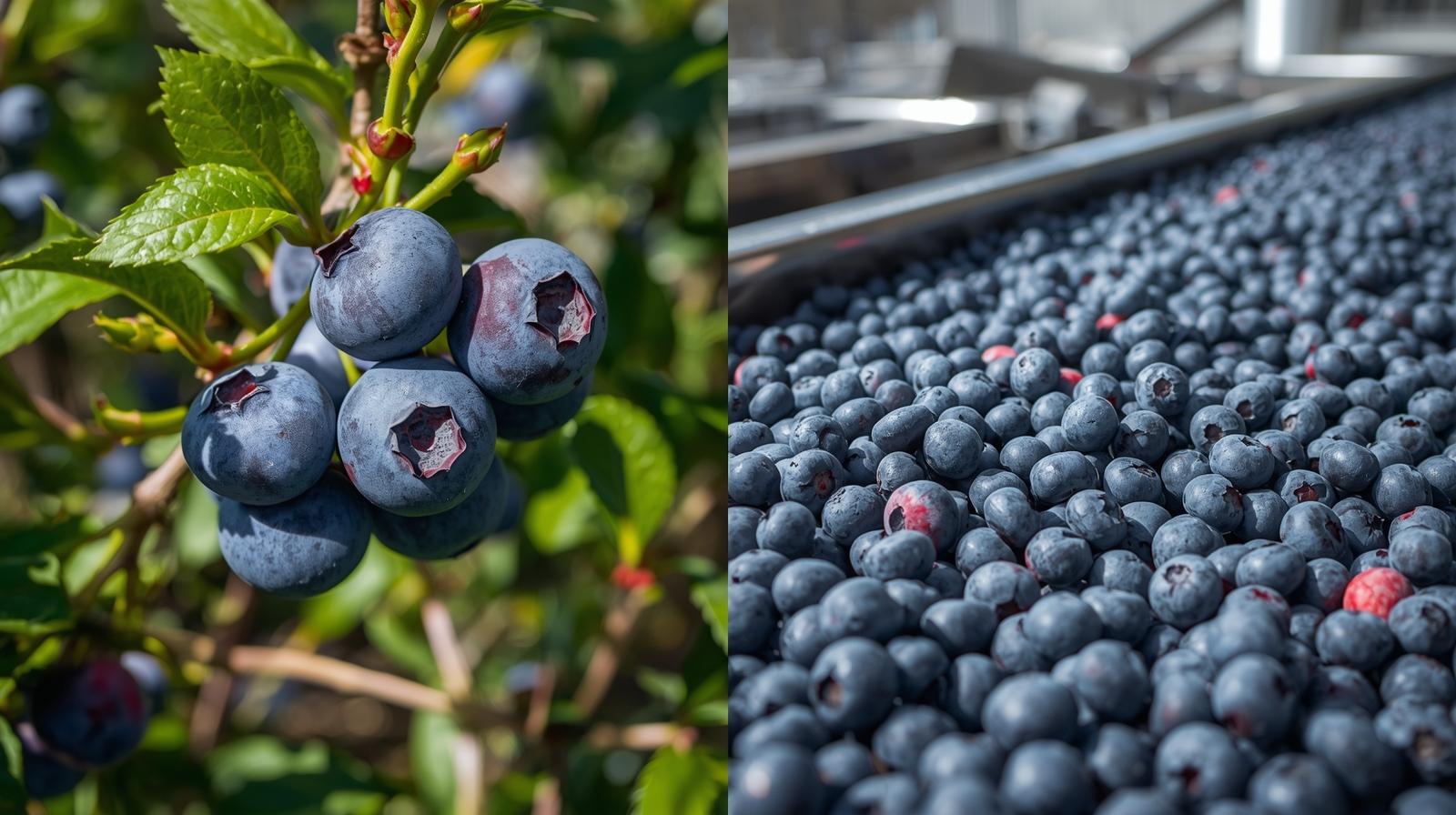
Balanced fertilization ensures strong growth and high yield. Nitrogen, phosphorus, potassium, and micronutrients are applied based on soil testing. Fertilization schedules align with plant growth stages. Proper nutrition enhances berry sweetness, firmness, and color. Excessive fertilization can harm plants and reduce export quality. Fertilizer management complements irrigation for maximum productivity. Nutrient optimization supports competitive exports.
Pest and Disease Control
Common threats include aphids, mites, and fungal infections. Integrated pest management ensures minimal chemical use while protecting yield. Regular monitoring and pruning prevent infestation. Disease-free berries maintain market trust and meet export regulations. Effective pest control protects both quantity and quality. Prevention strategies ensure compliance with international standards. Healthy plants guarantee consistent export-grade produce.
Harvesting Practices
Blueberries are hand-picked to avoid damage. Mechanical harvesting is used in some regions for processing. Timing affects sugar content, firmness, and color. Post-harvest cooling preserves freshness for export. Accurate harvesting practices reduce waste and improve marketability. Quality assurance during picking ensures global competitiveness. Proper harvesting maintains flavor, shelf-life, and consumer satisfaction.
Post-Harvest Handling
Berries are cooled immediately after harvest to prevent spoilage. Sorting, grading, and packaging ensure premium quality. Controlled atmosphere storage extends shelf-life for international shipping. Frozen blueberries provide year-round supply. Post-harvest handling is critical to minimize losses. Efficient logistics guarantee freshness upon arrival. Modern cold-chain infrastructure supports global exports.
Export Destinations
Chile exports primarily to North America, Europe, and Asia. Off-season production fills supply gaps in northern hemisphere markets. Trade agreements and logistics networks optimize distribution. Export destinations drive production planning and variety selection. Maintaining quality and consistency ensures market loyalty. Global reach enhances revenue and economic stability for producers.
Economic Impact
Blueberry exports generate significant income for farmers and export companies. Employment is created in planting, harvesting, processing, and logistics. High-value export markets support rural economies and technological investment. Export revenue contributes to national GDP. Blueberries provide economic stability and global trade influence. Industry growth encourages innovation and sustainability.

Environmental Considerations
Sustainable practices reduce chemical use, water consumption, and soil degradation. Organic blueberry farming is gaining popularity for export markets. Agroforestry integration preserves biodiversity. Environmental responsibility attracts eco-conscious consumers. Sustainable farming ensures long-term viability. Protecting natural resources supports continued global supply. Eco-friendly practices improve market reputation.
Future Trends
Global demand for blueberries is expected to rise due to health awareness. Year-round supply from southern hemisphere producers fills gaps. Organic, frozen, and processed products expand market reach. Technological innovations improve yield, quality, and logistics efficiency. Export-oriented production continues to grow. Future trends favor quality, sustainability, and global accessibility.
Blueberry Export Summary Table
| Aspect | Details |
|---|---|
| Largest Exporter | Chile |
| Other Producers | USA, Canada, Peru |
| Main Export Markets | North America, Europe, Asia |
| Uses | Fresh consumption, processed products |
| Market Drivers | Health trends, year-round supply, export demand |
Conclusion
Chile is currently the largest global exporter of blueberries due to favorable climate, modern farming techniques, and efficient logistics. Global demand continues to rise, driven by health benefits and culinary versatility. Sustainable practices, proper harvesting, and cold-chain infrastructure ensure premium export quality. Understanding export trends and production regions informs buyers, traders, and farmers worldwide. Blueberries remain a high-value, globally traded fruit with significant economic and nutritional impact.