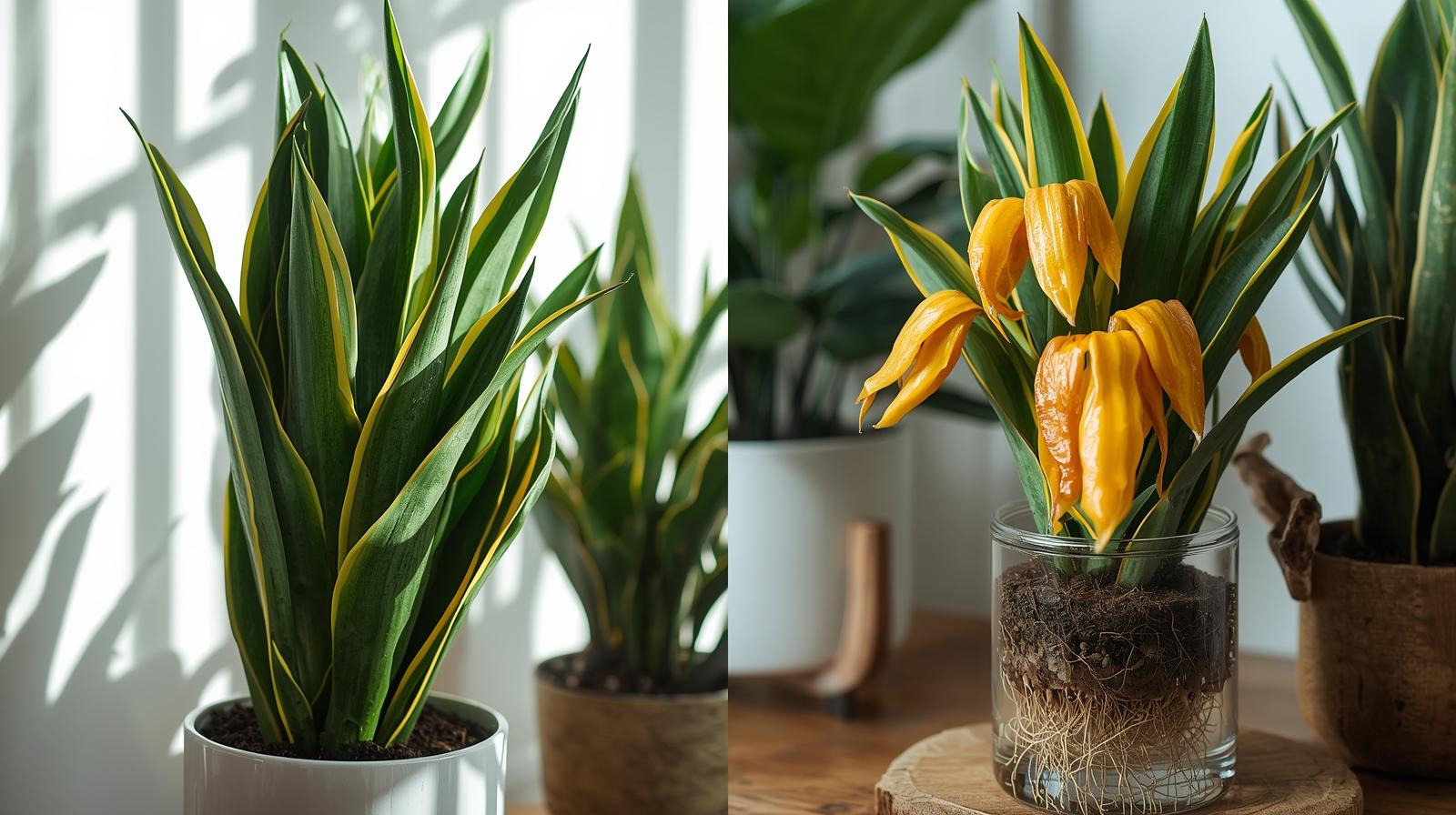
Snake plants (Sansevieria trifasciata) are popular indoor plants known for their upright, sword-like leaves and air-purifying properties. They are highly adaptable and require minimal maintenance, making them ideal for beginners. Despite their drought tolerance, overwatering is the most common cause of root rot. Understanding proper watering schedules, soil conditions, and pot selection is crucial. Snake plants can thrive for years with consistent care. This guide provides expert advice to keep leaves healthy and roots strong, avoiding common mistakes.
Understanding Snake Plant Water Needs
Snake plants store water in thick leaves and tolerate dry conditions. Their roots are sensitive to excess moisture, and standing water often leads to rot. While they can survive droughts, underwatering may slow growth but rarely kills the plant. Observing leaf firmness and soil moisture helps gauge watering needs. Proper watering ensures vibrant leaves and prevents disease. Balancing water intake with environmental conditions is key to healthy indoor growth.
The Role of Soil
Well-draining soil is essential to prevent root rot. Cactus or succulent soil mixes work best, as they allow excess water to drain quickly. Adding perlite or coarse sand improves aeration. Heavy soils retain moisture and increase the risk of root decay. Nutrient-rich soil supports growth while reducing waterlogging risk. Refresh soil every 1–2 years to maintain optimal conditions. Correct soil choice directly impacts watering frequency and overall plant health.
Choosing the Right Pot
Pot selection affects moisture retention. Terracotta pots are porous and allow soil to dry faster, reducing rot risk. Plastic or glazed pots retain more moisture, so careful monitoring is required. Ensure every pot has drainage holes to prevent water accumulation. Pot size also matters: large pots hold more water and can increase rot risk, while smaller pots dry faster. Container choice complements watering routine for optimal plant health.
Watering Frequency Basics
Snake plants typically require watering every 2–6 weeks depending on season, indoor humidity, and pot size. In summer, water once every 2–3 weeks; in winter, extend intervals to 4–6 weeks. Always check soil moisture before watering. The top 1–2 inches should feel dry. Overwatering is more dangerous than underwatering. Adjust watering based on observation rather than a fixed schedule. Proper frequency prevents stress and promotes root longevity.
Seasonal Adjustments
During warmer months, indoor heating and sunlight increase evaporation, requiring slightly more frequent watering. In winter, reduced light and cooler temperatures slow growth, decreasing water demand. Adjusting watering schedules seasonally prevents rot and leaf yellowing. Monitor environmental conditions closely. Gradual changes avoid shock to the plant. Seasonal awareness ensures balanced hydration year-round.
Signs of Overwatering
Overwatered snake plants develop soft, mushy leaves and yellowing tips. Roots may become brown and slimy, indicating rot. Soil that remains wet for prolonged periods signals excess watering. Address overwatering immediately by reducing water, repotting in dry soil, and removing affected roots. Early intervention prevents permanent damage. Recognizing these signs ensures timely corrective measures. Observing leaves daily helps prevent overwatering problems.
Signs of Underwatering
Underwatered snake plants exhibit wrinkled or curling leaves. Soil may pull away from the pot edges and feel dry several inches below the surface. While not immediately fatal, prolonged drought slows growth. Provide deep, thorough watering when soil is dry. Maintaining minimal moisture encourages healthy foliage. Observing leaf texture and firmness helps adjust watering. Balanced hydration prevents stress and maintains upright leaves.
Watering Techniques
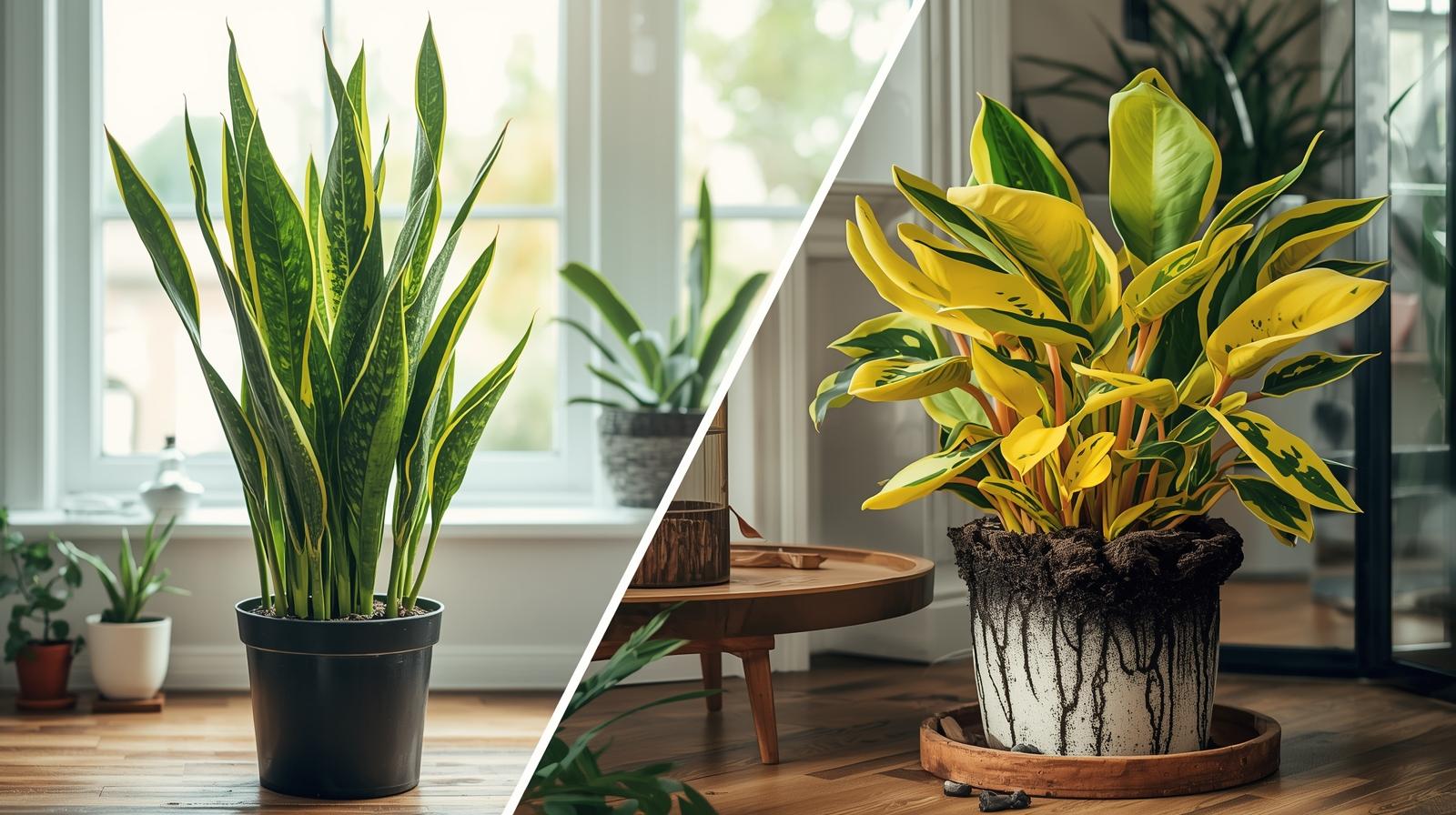
Water should be applied at the base, directly to the soil, avoiding leaf rosettes. Use a watering can with a narrow spout for controlled distribution. Water slowly until excess drains through the holes. Avoid letting the plant sit in standing water. For potted plants, empty saucers after watering. Proper technique prevents root damage and promotes uniform soil hydration. Technique directly affects plant health and longevity.
Humidity Considerations
Snake plants tolerate low humidity but grow better with moderate indoor humidity (40–60%). Dry air alone doesn’t necessitate extra watering, as the plant stores water efficiently. High humidity may increase rot risk if soil remains wet. Monitor both soil moisture and ambient humidity. Adjust watering schedules accordingly. Maintaining appropriate humidity complements correct watering practices. Awareness reduces stress and prevents fungal issues.
Light and Water Needs
Snake plants prefer indirect light but tolerate low-light conditions. Higher light intensity increases evaporation and may slightly increase water needs. Low-light environments reduce transpiration, requiring less frequent watering. Balance light exposure and watering for optimal growth. Avoid direct sunlight that can scorch leaves. Proper lighting supports photosynthesis and overall vigor. Observing growth patterns informs watering adjustments.
Fertilization Tips
Fertilize snake plants lightly during the growing season (spring and summer) using a balanced, diluted fertilizer. Fertilizer increases growth, slightly raising water needs. Avoid fertilizing dormant plants in winter. Proper nutrition enhances leaf health, allowing the plant to tolerate variations in moisture. Over-fertilization combined with excessive watering increases rot risk. Fertilization supports lush growth alongside careful watering.
Repotting Guidelines
Repot snake plants every 2–3 years to refresh soil and allow root expansion. Spring is ideal for repotting. Use a pot slightly larger than the current root ball. Avoid overwatering immediately after repotting. Inspect roots for rot and trim damaged sections. Fresh soil improves drainage and supports controlled hydration. Repotting promotes healthy growth and prevents stagnation. Root care ensures long-term vitality.
Preventing Root Rot
Root rot occurs when soil stays wet for extended periods. Avoid frequent watering and poor drainage. Remove affected roots promptly and repot in fresh, dry soil. Monitor watering frequency and soil moisture carefully. Well-draining soil, proper pots, and correct techniques prevent rot. Early detection and care can revive a plant with mild damage. Preventive practices ensure thriving, long-lasting snake plants.
Propagation and Watering
Snake plants propagate via leaf cuttings or rhizome division. Propagated plants need minimal watering until roots establish. Overwatering during propagation can cause rot. Ensure indirect light, proper soil, and controlled moisture. Propagation increases plant numbers and adds decorative versatility. Successful propagation relies on careful monitoring of hydration. Young plants benefit from patient watering practices.
Common Mistakes to Avoid
Frequent watering, using non-draining pots, and ignoring seasonal adjustments are common errors. Applying water to leaves, rather than soil, can promote rot. Over-fertilization or poor soil selection exacerbates issues. Observing leaf condition, soil texture, and seasonal changes prevents mistakes. Avoiding these pitfalls ensures healthy roots and leaves. Consistent monitoring and proper technique are essential.
Maintenance and Cleaning
Dust on leaves reduces photosynthesis. Wipe leaves gently with a damp cloth. Prune damaged or yellow leaves to promote energy flow. Proper maintenance complements correct watering and improves aesthetics. Keeping the plant clean prevents pest infestations and disease. Healthy plants are more resilient to environmental stress. Routine care extends the life and vibrancy of snake plants.
Indoor Placement Tips
Place snake plants in indirect light, avoiding drafts or heaters. Elevate pots slightly for drainage if needed. Choose locations where occasional neglect won’t compromise growth. Indoor placement influences watering frequency and leaf health. Strategic positioning enhances aesthetics and plant longevity. Proper placement minimizes overwatering risks. Consider both design and plant needs for indoor arrangements.
Environmental Adaptability
Snake plants tolerate low light, fluctuating temperatures, and occasional drought. Understanding these tolerances informs watering schedules. Adjust care based on room conditions, light, and humidity. Adaptable species are forgiving but benefit from observation. Monitoring environmental factors prevents rot and promotes healthy leaves. Adaptability supports low-maintenance, resilient indoor greenery.
Snake Plant Watering Summary Table
| Aspect | Recommendation |
|---|---|
| Soil | Well-draining, cactus/succulent mix |
| Watering | Every 2–6 weeks; allow top 1–2 inches to dry |
| Pot Type | Terracotta or plastic with drainage |
| Light | Indirect, bright preferred |
| Signs of Stress | Yellow leaves, mushy roots, wrinkled leaves |
Conclusion
Proper watering is critical to avoid root rot and maintain lush, upright snake plant leaves. Use well-draining soil, drainage pots, and seasonal adjustments. Observing leaf and soil conditions ensures healthy growth. Correct watering, along with maintenance and placement, promotes long-lasting, vibrant indoor plants. Snake plants remain resilient and attractive with consistent, careful hydration practices.