Perennial ground cover plants are a smart solution for low-maintenance gardens. These plants spread naturally and return year after year. They reduce weeds, retain soil moisture, and improve landscape appearance. Gardeners appreciate them for their durability and minimal care requirements. Once established, ground covers require little attention. They protect soil from erosion and temperature extremes. Many also produce attractive flowers or foliage. This article highlights five reliable perennial ground cover plants.
Understanding Perennial Ground Cover Plants
Perennials are plants that live for multiple years. Ground covers spread horizontally, covering bare soil. They grow densely, reducing space for weeds. Many adapt to different climates and soil types. Their root systems stabilize soil effectively. Once mature, they need minimal watering. Ground covers reduce the need for mulch. They create a uniform, natural look in gardens.
Creeping Thyme: Fragrant and Hardy
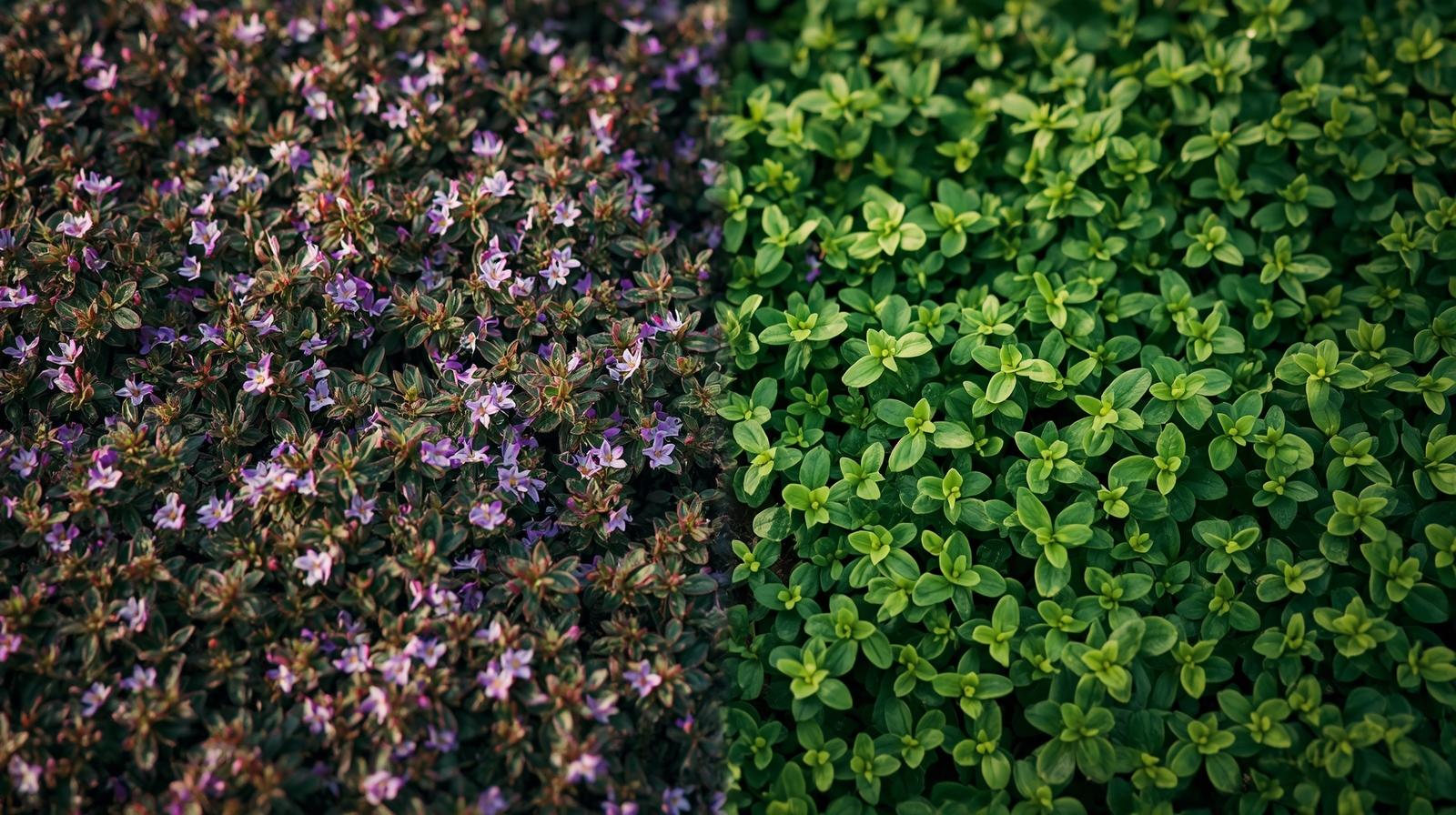
Creeping thyme is a popular perennial ground cover. It forms a dense mat of small green leaves. This plant produces tiny purple or pink flowers. Creeping thyme tolerates drought and foot traffic. It thrives in full sunlight. The fragrance adds sensory appeal to gardens. It attracts pollinators naturally. Once established, it requires little care.
Periwinkle: Evergreen Beauty
Periwinkle is valued for its evergreen foliage. It spreads quickly and suppresses weeds effectively. Blue or purple flowers bloom in spring. Periwinkle tolerates shade well. It grows in various soil conditions. Minimal watering is required after establishment. This plant adds year-round greenery. It is ideal for shaded garden areas.

Ajuga: Colorful and Resilient
Ajuga, also known as bugleweed, offers colorful foliage. Leaves range from green to purple and bronze. Blue flower spikes appear in spring. Ajuga thrives in partial shade. It spreads rapidly and covers soil efficiently. Ajuga tolerates different soil types. It is resistant to pests. Minimal care keeps it thriving.
Sedum: Drought-Tolerant Ground Cover
Sedum is a succulent ground cover plant. It stores water in its leaves. Sedum thrives in dry, sunny areas. It produces star-shaped flowers. Sedum requires very little watering. It tolerates poor soil conditions. This plant adds texture to landscapes. It is ideal for rock gardens.
Creeping Jenny: Bright and Versatile
Creeping Jenny is known for its vibrant foliage. Its bright green or golden leaves spread rapidly. It grows well in sun or partial shade. Creeping Jenny tolerates moist soil. It works well along borders and pathways. This plant adds contrast to gardens. Minimal pruning keeps it controlled. Its color enhances visual appeal.
Benefits of Using Ground Cover Plants
Ground covers reduce weed growth naturally. They conserve soil moisture. These plants stabilize soil and prevent erosion. They reduce maintenance effort significantly. Ground covers improve garden aesthetics. They support beneficial insects. Many are drought tolerant. Long-term benefits outweigh initial planting effort.
Soil Preparation for Ground Covers
Proper soil preparation ensures success. Remove weeds before planting. Loosen soil to improve root growth. Add organic matter if needed. Well-prepared soil reduces maintenance later. Proper spacing helps plants spread evenly. Healthy soil supports faster establishment. Preparation saves time long term.
Watering Needs During Establishment
Newly planted ground covers need regular watering. Keep soil consistently moist initially. Once established, watering needs decrease. Avoid waterlogging the soil. Deep watering encourages strong roots. Adjust watering based on weather. Proper watering ensures survival. Establishment phase is crucial.
Sunlight Requirements
Different ground covers have varying light needs. Creeping thyme prefers full sun. Periwinkle tolerates shade. Ajuga grows best in partial shade. Sedum needs bright sunlight. Creeping Jenny adapts to mixed light. Matching plants to light conditions ensures success. Proper placement improves growth.
Spacing and Planting Techniques
Correct spacing allows ground covers to spread naturally. Crowded planting may cause disease. Too much spacing delays coverage. Follow plant-specific guidelines. Plant during mild weather. Water after planting thoroughly. Proper spacing reduces maintenance. Balanced planting ensures uniform coverage.
Seasonal Maintenance
Most ground covers need minimal maintenance. Trim back excessive growth occasionally. Remove dead foliage in spring. Fertilize lightly if needed. Monitor for invasive spreading. Seasonal care keeps plants healthy. Minimal effort yields lasting beauty. Maintenance is simple and quick.
Table: Perennial Ground Cover Comparison
| Plant Name | Light Requirement | Water Needs | Special Feature |
|---|---|---|---|
| Creeping Thyme | Full sun | Low | Fragrant |
| Periwinkle | Partial shade | Low | Evergreen |
| Ajuga | Partial shade | Moderate | Colorful foliage |
| Sedum | Full sun | Very low | Drought tolerant |
| Creeping Jenny | Sun to shade | Moderate | Bright foliage |
Common Mistakes to Avoid
Overwatering causes root problems. Poor spacing limits growth. Ignoring light requirements weakens plants. Allowing invasive spread creates issues. Skipping soil preparation reduces success. Neglecting early watering slows establishment. Awareness prevents problems. Simple planning ensures results.
Using Ground Covers in Landscape Design
Ground covers create visual flow. They soften hard edges. They complement shrubs and trees. Ground covers unify garden design. They add texture and color. Slopes benefit from erosion control. Pathways gain charm. Design flexibility enhances beauty.
Environmental Benefits
Ground covers protect soil health. They reduce water evaporation. These plants support biodiversity. Pollinators benefit from flowering varieties. Reduced lawn space saves resources. Ground covers lower maintenance needs. They promote sustainable gardening. Environmental impact is positive.
Long-Term Growth and Spread
Perennial ground covers expand naturally over time. Their spread fills bare spaces. Minimal intervention is needed. Occasional trimming controls growth. Healthy plants return every season. Longevity makes them cost-effective. Natural spread improves coverage. Patience yields results.
Why These Plants Return Every Season
Perennials store energy in roots. They survive winter dormancy. Seasonal regrowth is reliable. Climate-adapted varieties thrive easily. Strong root systems ensure survival. Proper placement supports longevity. These plants are resilient. Nature does the work.
Final Thoughts on Perennial Ground Covers
Perennial ground covers offer beauty with minimal effort. They return year after year reliably. Choosing the right plants matters. Proper establishment ensures success. Maintenance remains low. These plants save time and resources. They enhance landscapes naturally. Effortless gardening becomes possible.