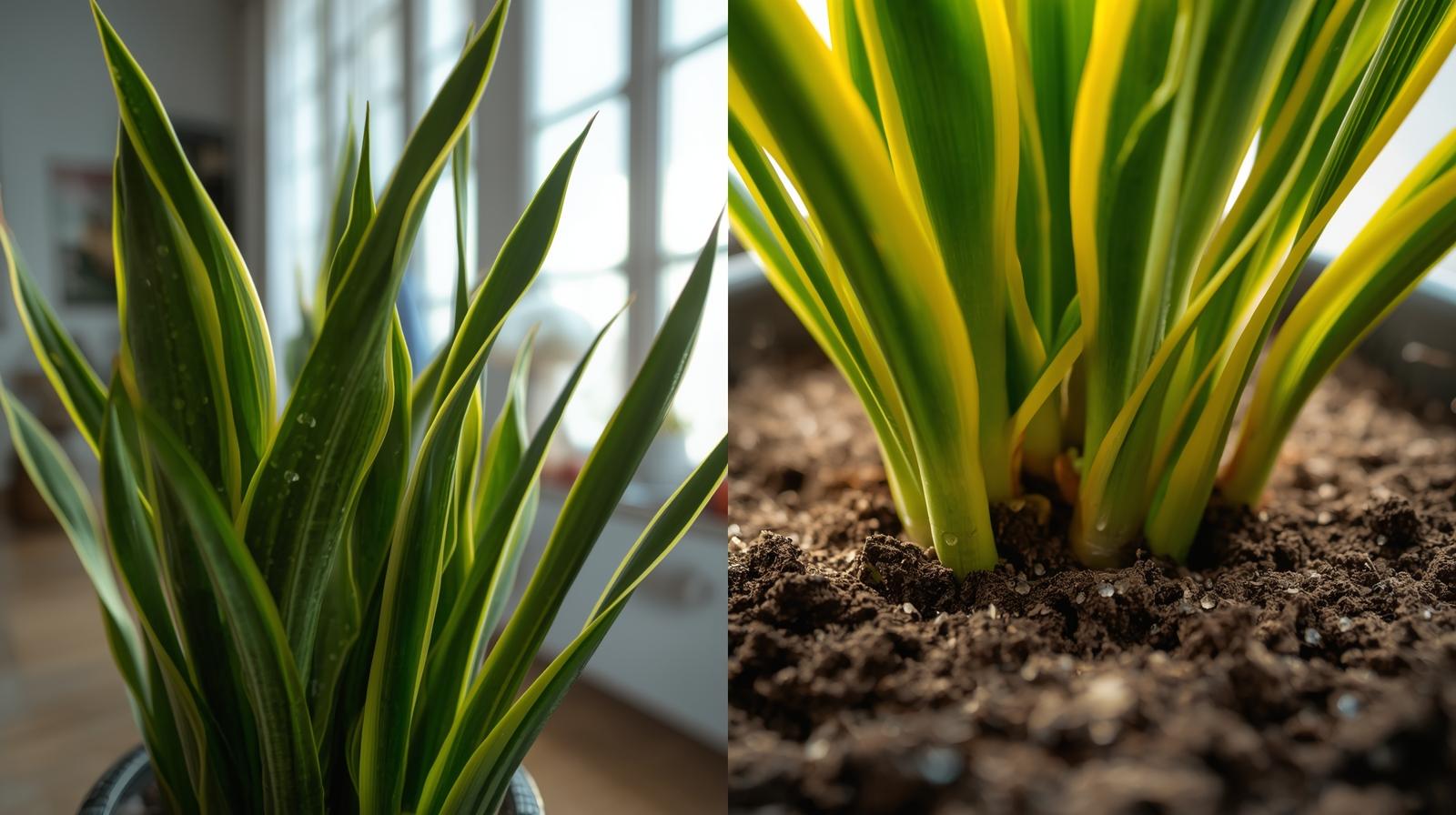
Snake plants are among the most reliable and attractive indoor plants available today. Their upright, sword-shaped leaves give them a modern and architectural appearance that fits almost any interior style. These plants are especially popular because they tolerate neglect better than most houseplants. Snake plants improve indoor air quality and require very little attention. They thrive in a wide range of lighting conditions and watering schedules. Beginners often choose snake plants because mistakes are easily forgiven. With proper understanding, they can live for many years. This guide explains how to keep snake plants healthy and thriving indoors.
Understanding the Nature of Snake Plants
Snake plants are succulents, meaning they store water in their thick leaves. This natural adaptation allows them to survive long periods without watering. Their roots prefer dry conditions rather than constantly moist soil. In their native environment, snake plants grow in rocky, well-drained areas. This explains why overwatering causes more damage than underwatering. Knowing this natural behavior helps prevent common care mistakes. Snake plants grow slowly but steadily under the right conditions. Respecting their natural habits leads to long-term success.
Choosing the Right Location Indoors
Placement plays a crucial role in snake plant health. These plants adapt well to both bright and low-light conditions. Bright indirect light encourages faster growth and richer leaf color. Low light slows growth but does not harm the plant. Avoid placing snake plants in harsh direct sunlight, which can scorch leaves. Corners, bedrooms, and offices are excellent locations. Keep them away from cold drafts or air conditioners. A stable environment supports strong and upright growth.
Light Requirements for Healthy Growth
Snake plants are famous for their light tolerance. They grow well near windows with filtered sunlight. Artificial light also supports healthy growth. Insufficient light may result in slower growth but not leaf damage. Excessive sunlight can cause leaf discoloration. Rotating the plant occasionally ensures even exposure. Balanced lighting enhances leaf texture and color. Consistency matters more than intensity. Proper light conditions keep the plant visually appealing.

How Often Should You Water a Snake Plant
Watering is the most critical aspect of snake plant care. Always allow the soil to dry completely between waterings. Typically, watering once every two to three weeks is sufficient. During winter, watering should be reduced further. Overwatering causes root rot, which is difficult to reverse. Check soil moisture with your finger before watering. Avoid watering on a fixed schedule. Let the soil condition guide your decision.
Signs of Underwatering and Overwatering
Snake plants clearly show signs of watering issues. Underwatered plants develop wrinkled or curling leaves. Overwatered plants show yellowing, mushy leaves, and foul-smelling soil. Root rot often results from standing water. Soft leaf bases are a warning sign. Adjust watering immediately when symptoms appear. Early action can save the plant. Observing leaf texture helps maintain balance.
Best Soil for Snake Plants
Well-draining soil is essential for snake plant health. A cactus or succulent soil mix works best. Heavy garden soil retains too much moisture. Adding sand or perlite improves drainage. Loose soil allows air to reach the roots. Healthy roots support strong leaf growth. Soil quality directly affects watering success. Proper soil prevents common problems like rot.
Choosing the Right Pot
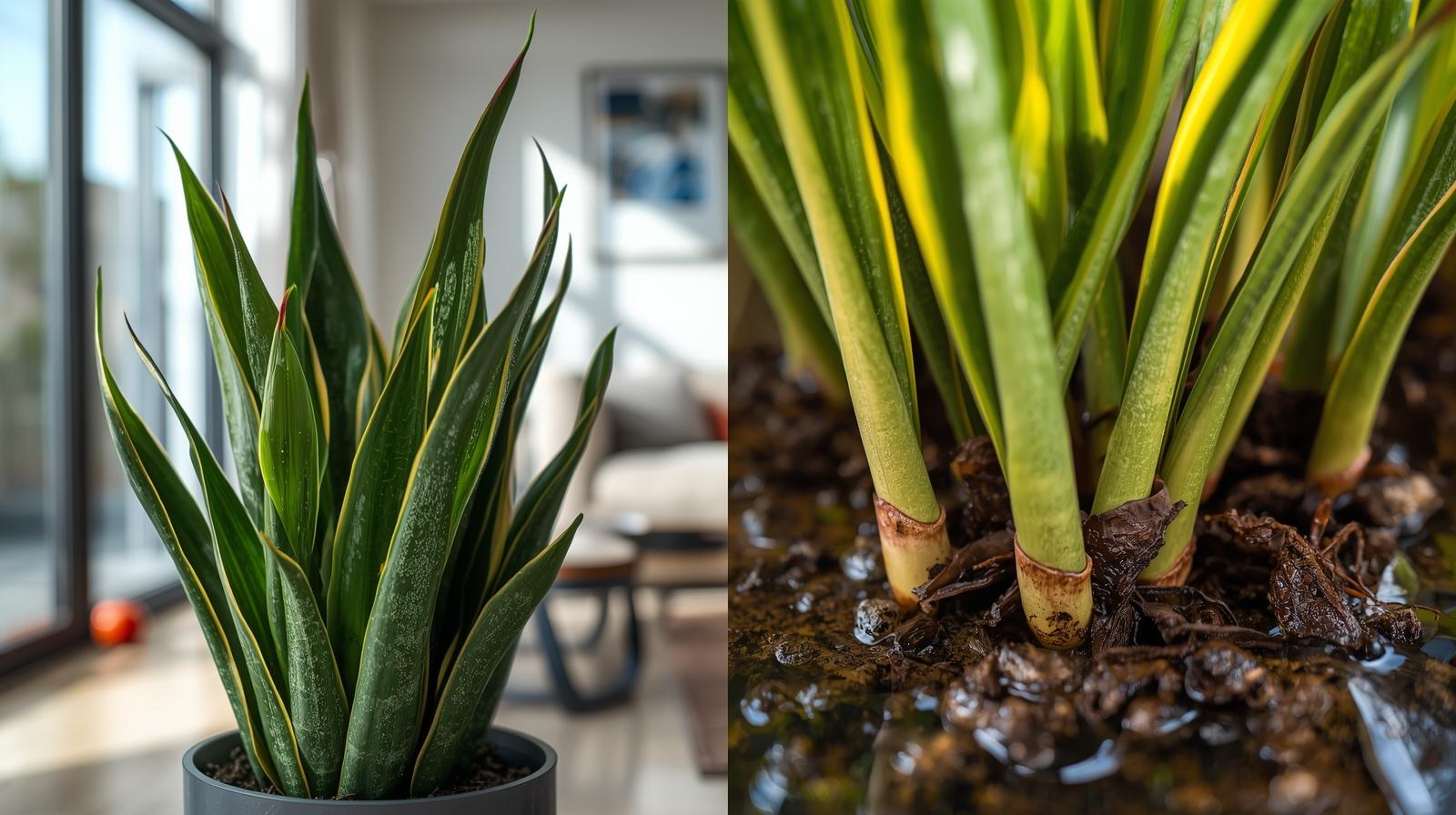
Pots with drainage holes are mandatory for snake plants. Terracotta pots are ideal because they allow moisture to evaporate. Plastic pots retain moisture longer and require careful watering. The pot size should match the root system. Oversized pots increase overwatering risk. Repot only when roots become crowded. Stable pots prevent tipping as plants grow taller. The right pot simplifies long-term care.
Temperature and Indoor Climate Needs
Snake plants prefer stable indoor temperatures. Average room temperature suits them well. They tolerate dry air and do not require high humidity. Avoid placing them near heaters or cold windows. Sudden temperature changes stress the plant. Consistent conditions support steady growth. Indoor climates are usually ideal for snake plants. Stability promotes longevity.
Fertilizing Snake Plants Correctly
Snake plants require minimal feeding. Use a diluted balanced fertilizer during spring and summer. Fertilize once every six to eight weeks. Overfertilizing causes weak growth and root damage. Avoid fertilizing during winter dormancy. Nutrients support slow but healthy growth. Less fertilizer produces better results. Balanced feeding maintains leaf strength.
Cleaning and Routine Maintenance
Dust can accumulate on snake plant leaves over time. Clean leaves gently with a damp cloth. Clean leaves absorb light more efficiently. Avoid using leaf shine products. Remove damaged or yellow leaves when necessary. Inspect occasionally for pests. Simple maintenance keeps the plant attractive. Regular care improves plant health.
Repotting Snake Plants
Snake plants need repotting every two to three years. Signs include crowded roots and slowed growth. Choose a pot only slightly larger than the current one. Use fresh, well-draining soil. Handle roots gently to avoid damage. Repotting encourages healthy root expansion. Avoid repotting during winter. Proper timing reduces stress.
Propagation Methods for Snake Plants
Snake plants are easy to propagate at home. Division is the fastest and most reliable method. Leaf cuttings are also effective with patience. Allow cuttings to dry before planting. Use clean tools to prevent disease. Propagation allows sharing plants with others. It also refreshes older plants. Proper technique ensures success.
Common Problems and How to Fix Them
Yellow leaves usually indicate overwatering. Brown tips may result from inconsistent watering. Soft leaves suggest root rot. Slow growth is normal in low light. Pests are rare but manageable. Adjust care based on symptoms. Early detection prevents serious damage. Observation is key to plant health.
Table: Snake Plant Indoor Care Summary
| Care Aspect | Recommended Practice | Benefit |
|---|---|---|
| Light | Bright indirect or low | Flexible placement |
| Watering | Every two to three weeks | Prevents root rot |
| Soil | Well-draining mix | Healthy roots |
| Pot | Drainage holes required | Moisture control |
| Fertilizer | Light seasonal feeding | Steady growth |
Benefits of Snake Plants Indoors
Snake plants improve air quality naturally. They release oxygen even at night. Their upright form saves space. They require minimal attention. Snake plants suit busy lifestyles. They add greenery without clutter. Their resilience makes them long-lasting. Few plants offer such versatility.
Placement Tips for Style and Growth
Snake plants look best in corners or near furniture. Bedrooms benefit from their air-purifying ability. Offices enjoy their low maintenance needs. Decorative planters enhance visual appeal. Avoid cluttered areas. Balanced placement improves aesthetics. Proper positioning supports healthy growth. Style and function combine seamlessly.
Seasonal Care Adjustments
Reduce watering during colder months. Growth slows naturally in winter. Increase light exposure if possible. Resume normal care in spring. Avoid fertilizing during dormancy. Seasonal awareness prevents stress. Adjusting care keeps plants healthy. Nature guides the schedule.
Mistakes to Avoid
Overwatering is the most common mistake. Poor drainage causes root rot. Direct sunlight damages leaves. Overfertilizing weakens growth. Ignoring dust reduces photosynthesis. Frequent repotting stresses roots. Consistency matters more than effort. Simplicity ensures success.
Final Thoughts on Snake Plant Care
Snake plants thrive with minimal effort. Understanding their needs prevents problems. Proper watering is the key factor. Balanced light and soil support longevity. These plants reward patience. Their beauty lasts for years. Snake plants suit every home. Simple care yields lasting greenery.