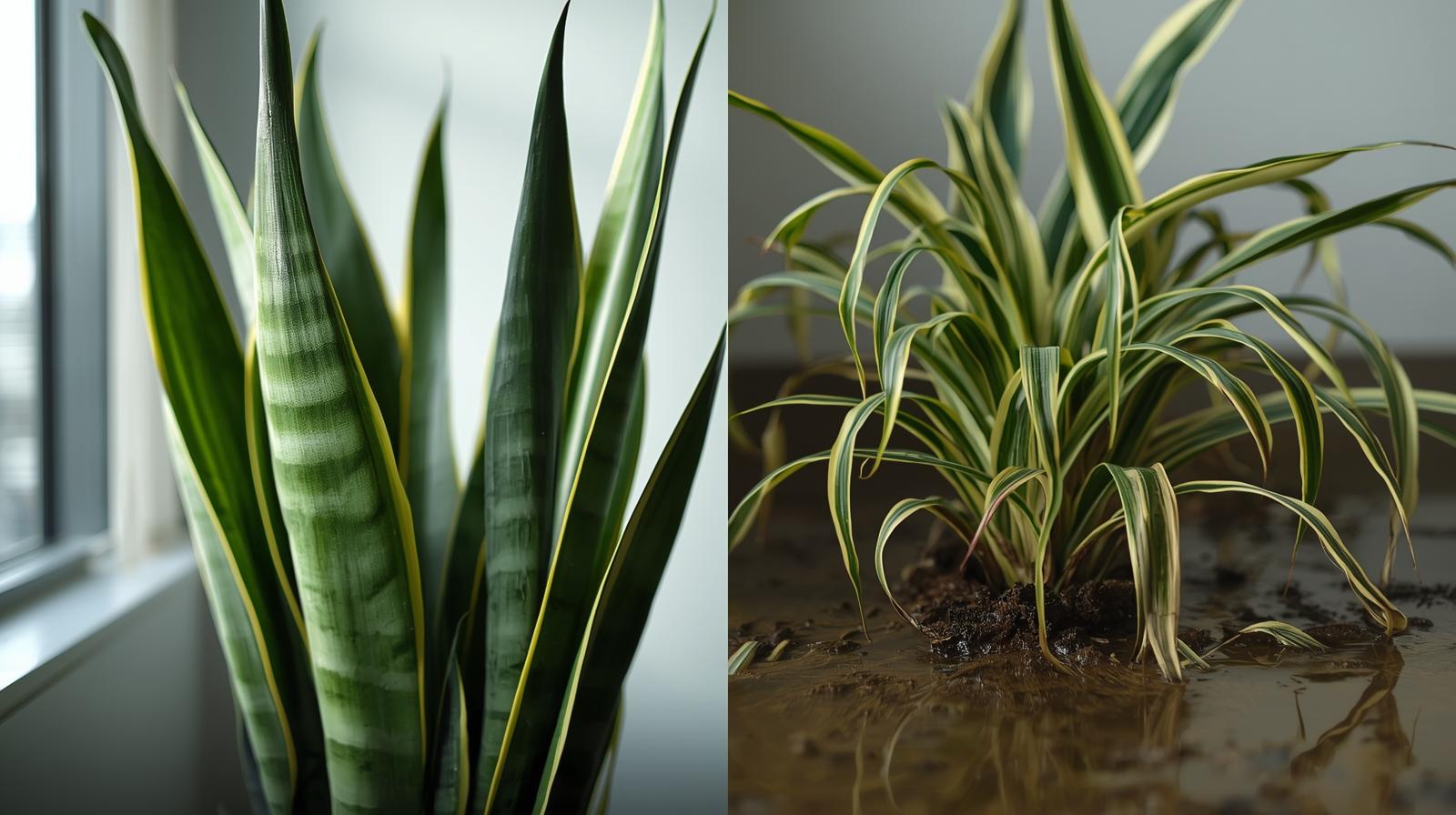
Snake plants are among the most resilient houseplants available. Known for their upright leaves and striking patterns, they suit modern interiors perfectly. These plants are famous for surviving neglect, making them ideal for beginners. Snake plants improve indoor air quality by filtering toxins. Their adaptability to low light and minimal water makes them highly versatile. They also symbolize protection and strength. With basic care, snake plants thrive for years. This guide explains how to keep them healthy indoors.
Understanding Snake Plant Characteristics
Snake plants belong to the Sansevieria family. They have thick, sword-shaped leaves that store water. This feature allows them to survive drought conditions. Snake plants grow slowly but steadily. They adapt well to various indoor environments. Their roots prefer dry conditions. Understanding their structure helps prevent overcare. Minimal intervention yields the best results.
Ideal Light Conditions for Snake Plants
Snake plants tolerate a wide range of light conditions. They grow best in bright indirect light. Low light slows growth but does not harm them. Direct sunlight may scorch the leaves. Indoor placement near windows is ideal. Artificial light also supports growth. Consistent light exposure improves leaf color. Balanced lighting ensures healthy growth.
How Often to Water Snake Plants
Overwatering is the most common cause of snake plant problems. Water only when the soil is completely dry. Typically, watering every two to three weeks is sufficient. In winter, reduce watering further. Snake plants store water in their leaves. Excess moisture causes root rot quickly. Always check soil before watering. Proper watering ensures long-term health.

Soil Requirements for Healthy Growth
Well-draining soil is essential for snake plants. A cactus or succulent mix works well. Poor drainage leads to root rot. Adding sand or perlite improves aeration. Avoid heavy garden soil. Proper soil prevents moisture buildup. Healthy roots support upright leaves. Soil quality directly affects plant longevity.
Choosing the Right Pot
Pots with drainage holes are essential. Terracotta pots help excess moisture evaporate. Plastic pots retain water longer. Choose pot size based on root growth. Oversized pots increase overwatering risk. Repot only when roots outgrow the container. Stable pots support upright growth. Proper pot selection simplifies care.
Temperature and Humidity Preferences
Snake plants prefer warm indoor temperatures. Ideal range is between moderate room temperatures. They tolerate dry air well. High humidity is not required. Avoid cold drafts and sudden temperature changes. Stable conditions prevent stress. Indoor climates suit snake plants naturally. Consistency supports healthy growth.
Fertilizing Snake Plants
Snake plants require minimal fertilization. Feed lightly during the growing season. Use diluted balanced fertilizer. Overfertilizing damages roots. Fertilize once every two months in summer. Skip feeding in winter. Nutrient balance supports steady growth. Less is more with snake plants.
Cleaning and Maintenance
Dust accumulates on leaves over time. Clean leaves with a damp cloth regularly. Clean leaves improve photosynthesis. Avoid leaf shine products. Inspect for pests occasionally. Remove damaged leaves carefully. Simple cleaning keeps plants attractive. Maintenance enhances longevity.
Repotting Snake Plants
Repot snake plants every two to three years. Signs include crowded roots and slow growth. Use fresh, well-draining soil. Handle roots gently during repotting. Choose a slightly larger pot. Repotting encourages healthy root expansion. Avoid repotting during winter. Timing ensures minimal stress.
Propagation Methods
Snake plants are easy to propagate. Leaf cuttings and division are common methods. Division is faster and more reliable. Propagation encourages plant sharing. Use clean tools to prevent disease. Allow cuttings to callus before planting. Patience ensures successful growth. Propagation extends plant enjoyment.
Common Problems and Solutions
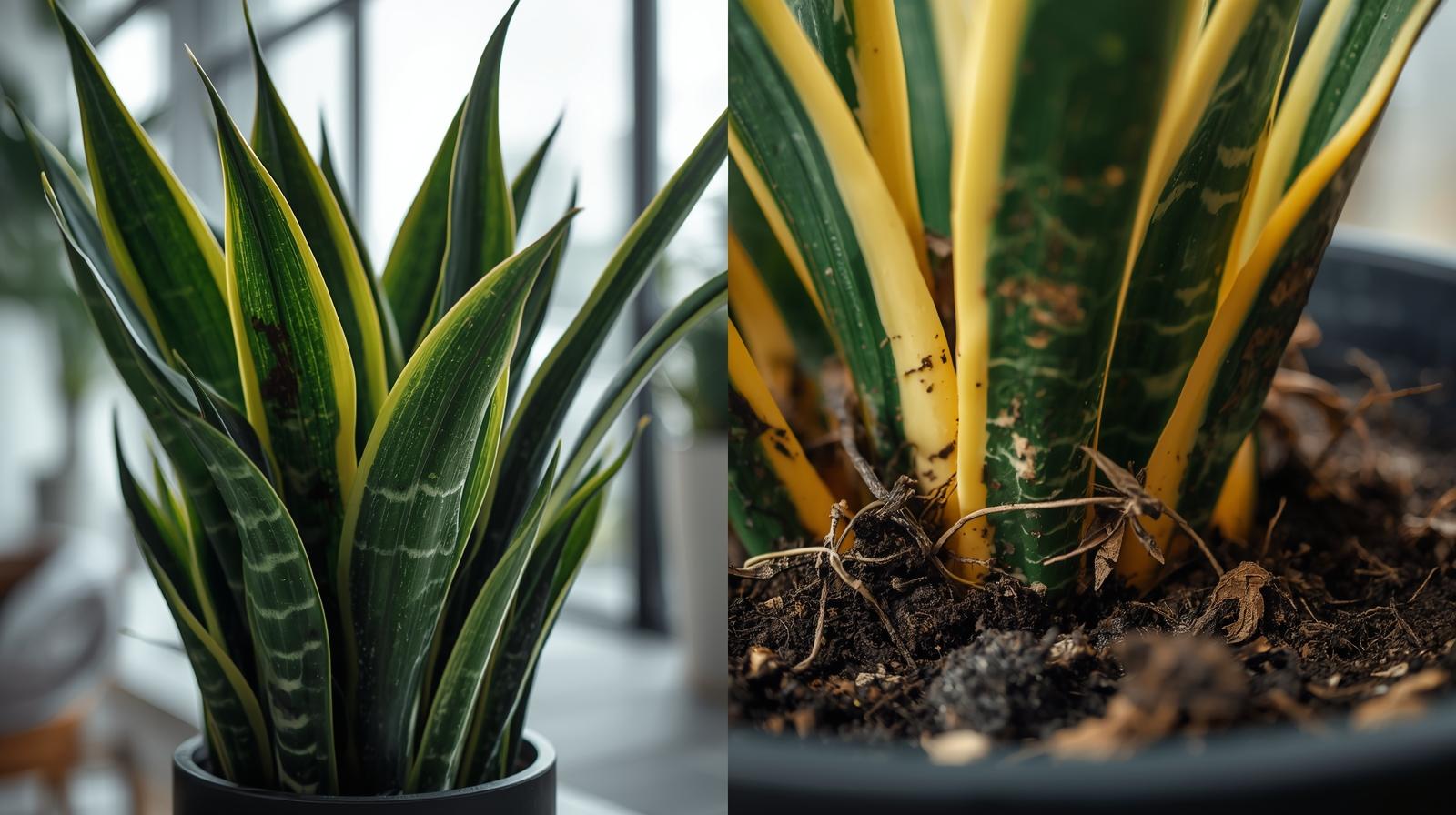
Yellow leaves indicate overwatering. Soft leaves signal root rot. Brown tips may result from inconsistent watering. Slow growth is normal in low light. Pests are rare but possible. Address issues early for recovery. Adjust care based on symptoms. Observation prevents major problems.
Table: Snake Plant Care Summary
| Care Aspect | Recommended Practice | Key Benefit |
|---|---|---|
| Light | Bright indirect | Healthy growth |
| Watering | Every two to three weeks | Prevents rot |
| Soil | Well-draining mix | Root health |
| Pot | With drainage holes | Moisture control |
| Fertilizer | Light feeding | Balanced nutrition |
Benefits of Snake Plants Indoors
Snake plants improve air quality significantly. They release oxygen at night. Their strong structure adds visual interest. Low maintenance suits busy lifestyles. They adapt to various spaces. Symbolically, they represent protection. Snake plants enhance well-being. Their benefits are long-lasting.
Placement Tips for Snake Plants
Place snake plants in bedrooms or living rooms. Corners work well for upright growth. Avoid cold windows in winter. Ensure stable surfaces. Decorative pots enhance appearance. Proper placement improves growth. Balanced positioning adds harmony. Thoughtful placement complements décor.
Seasonal Care Adjustments
Reduce watering in winter months. Increase light exposure if possible. Avoid fertilizing during dormancy. Monitor temperature changes. Resume regular care in spring. Seasonal adjustments prevent stress. Adaptation ensures longevity. Awareness supports healthy cycles.
Mistakes to Avoid
Overwatering is the biggest mistake. Using poor drainage soil causes rot. Exposing to harsh sunlight damages leaves. Overfertilizing stresses roots. Ignoring dust buildup affects growth. Avoid frequent repotting. Consistency prevents problems. Simple care works best.
How Snake Plants Enhance Interior Style
Snake plants suit modern and minimalist décor. Their vertical lines add structure. Green tones soften interiors. They pair well with neutral colors. Stylish planters enhance elegance. Snake plants balance form and function. They elevate indoor spaces effortlessly. Design and care meet perfectly.
Final Thoughts on Snake Plant Care
Snake plants thrive with minimal attention. Simple care routines yield great results. Proper watering is essential. Light and soil balance ensure success. These plants reward patience. Long-lasting beauty makes them valuable. Snake plants suit every home. Easy care ensures lasting greenery.