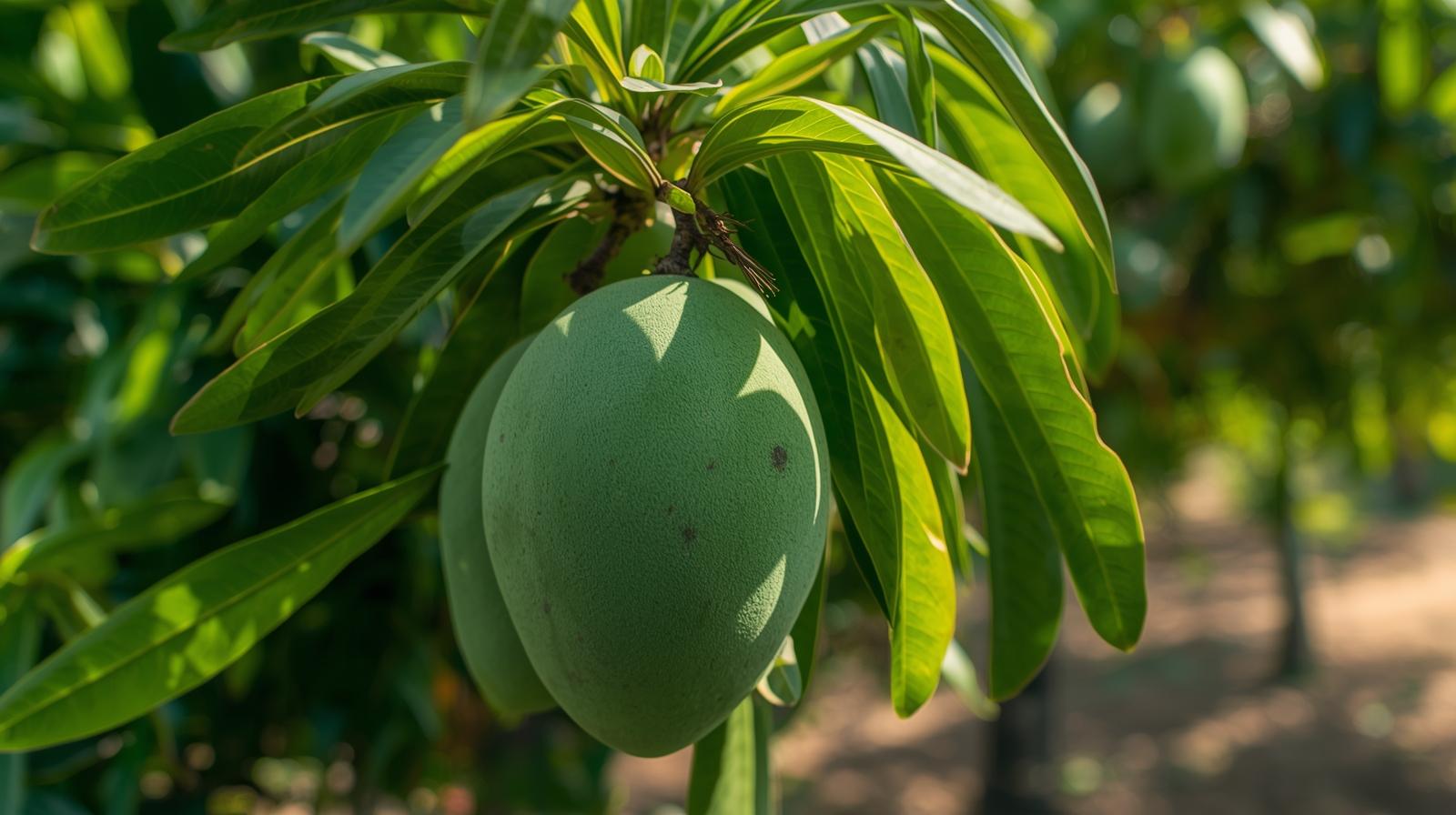
Introduction to Modern Mango Cultivation
Mango plants are known for long juvenile periods and large canopy growth. The new technique for growing mango plants focuses on root activation, canopy control, and nutrient timing to achieve faster establishment and early fruiting without compromising tree health.
Selecting the Right Mango Variety
Dwarf and semi-dwarf mango varieties are preferred for this technique. Climate-adapted varieties reduce stress and respond better to controlled growth methods.
Advanced Soil Preparation Method
Mango plants require deep, well-drained soil. A mix of garden soil, compost, and sand improves drainage and microbial activity.
Root Zone Activation Technique
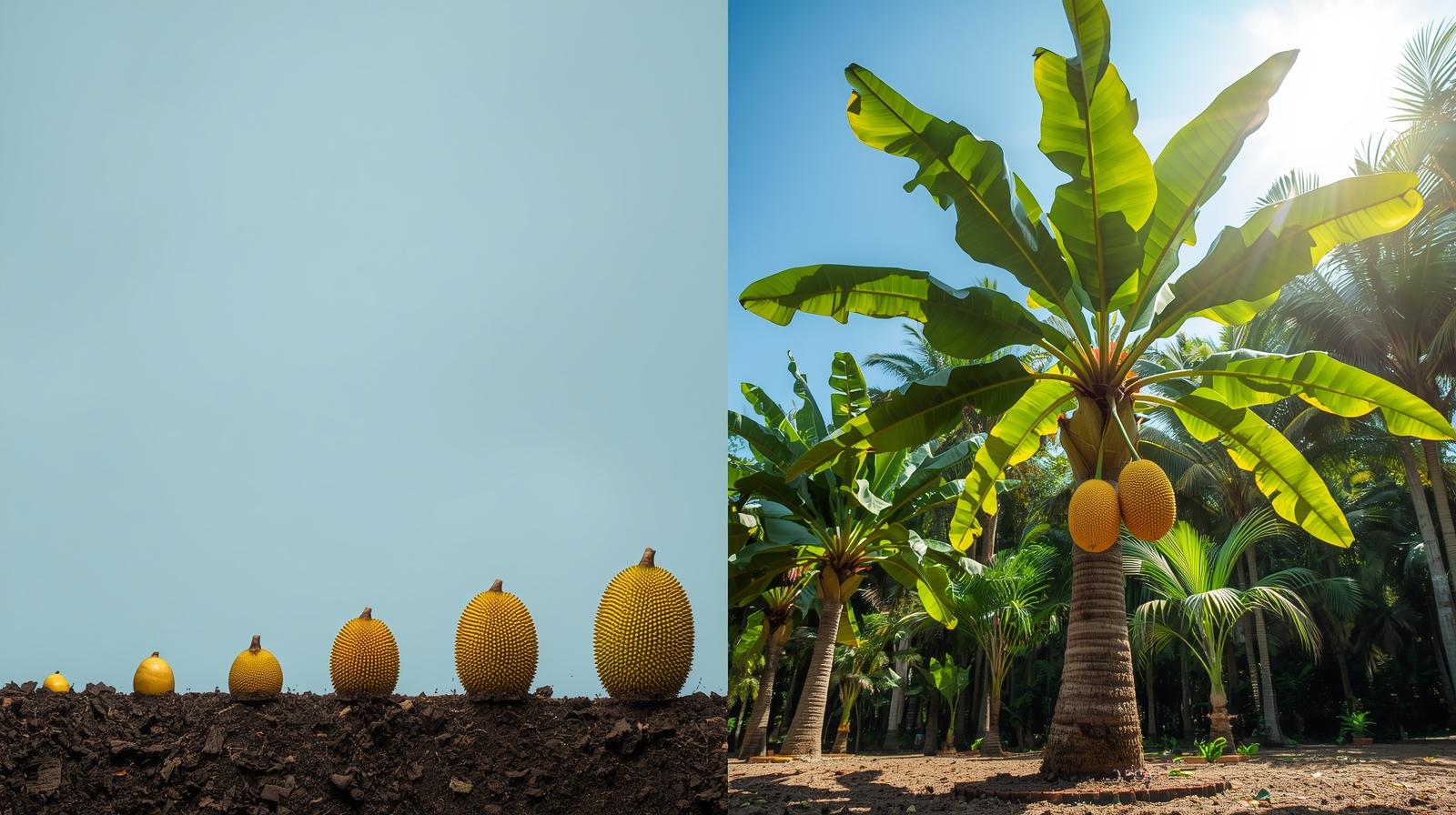
Before planting, roots are treated with beneficial microbes to improve nutrient uptake and early root growth.
Precision Planting Strategy
The graft union is kept above soil level to prevent disease. Proper spacing ensures good air circulation and sunlight access.
Smart Irrigation Approach
Deep watering at longer intervals encourages deep root growth. Overwatering is avoided to prevent root rot.
Nutrient Timing for Controlled Growth
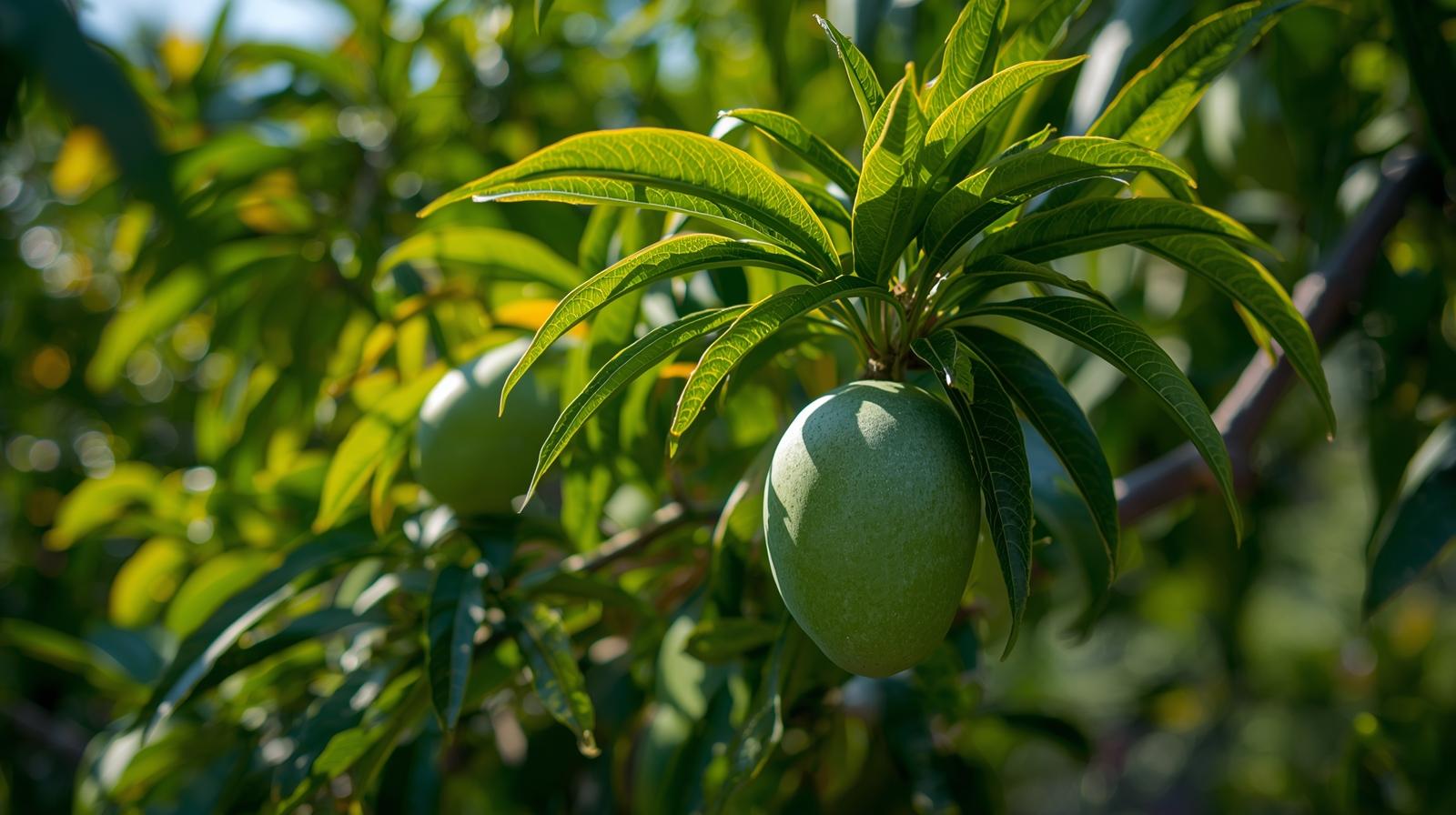
Nitrogen is applied carefully to avoid excessive vegetative growth. Phosphorus and potassium are emphasized for flowering and fruiting.
Canopy Management and Pruning
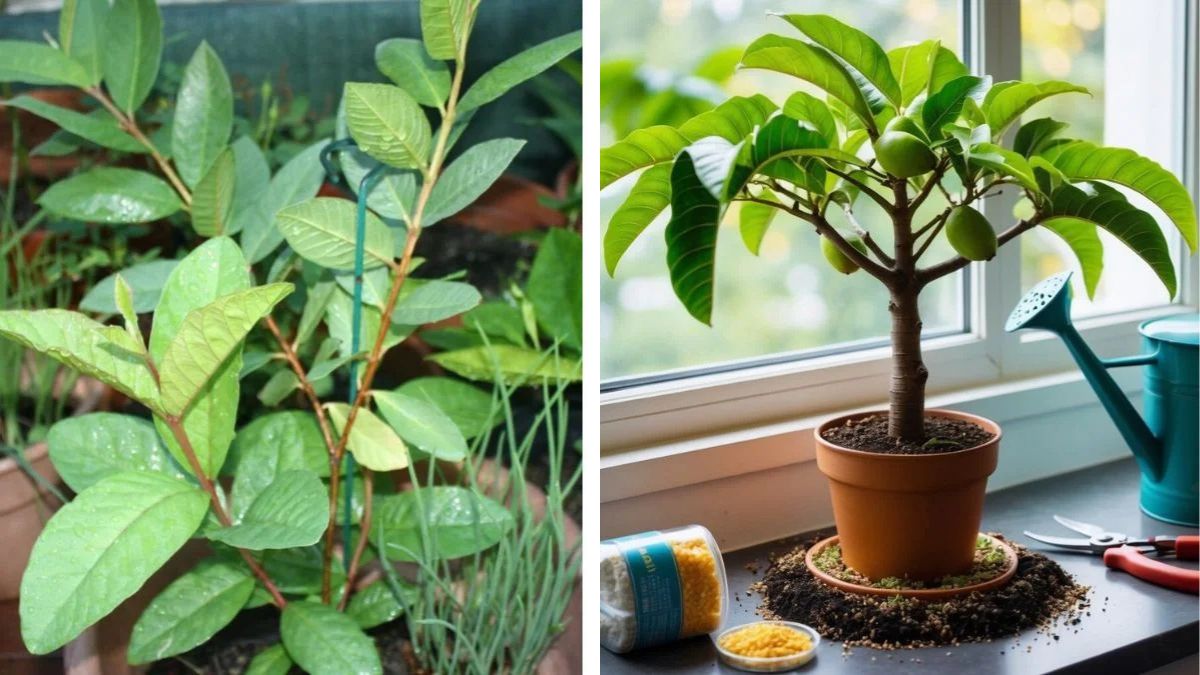
Regular pruning maintains a compact canopy and improves light penetration, leading to better fruit set.
Flower Induction Techniques
Stress management through controlled watering and nutrient balance helps induce uniform flowering.
Pest and Disease Management
Organic sprays and clean cultivation practices reduce pest pressure and disease incidence.
Fruit Development Enhancement
Micronutrients improve fruit size, sweetness, and color. Proper thinning ensures high-quality mangoes.
Harvesting and Seasonal Care
Mangoes are harvested at physiological maturity. Seasonal feeding and pruning ensure long-term productivity.
Mango Growing Technique Comparison Table
| Method | Growth Speed | Tree Size | Yield |
|---|---|---|---|
| Traditional Method | Slow | Large | Medium |
| New Technique | Fast | Compact | High |