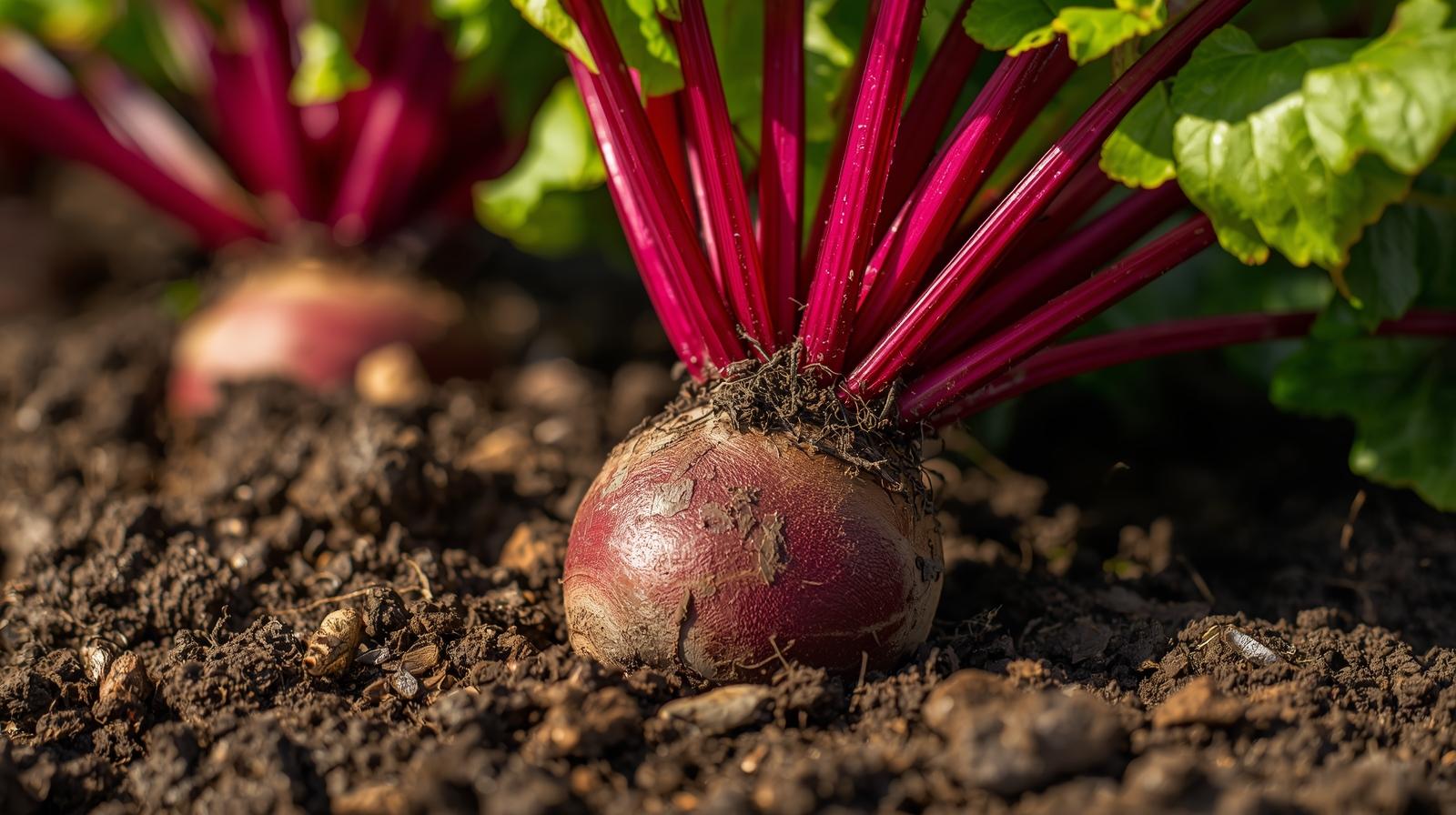
Introduction to Modern Beetroot Cultivation
Beetroot is a fast-growing root vegetable, but traditional methods often result in small, misshapen roots and uneven color. The new technique for growing beetroot plants focuses on soil refinement, seed preparation, and nutrient balance to produce uniform, deep-colored, and nutrient-rich beetroots suitable for both home gardens and commercial farming.
Choosing the Right Beetroot Variety
Selecting a suitable beetroot variety is essential for success. Round-rooted and early-maturing varieties respond best to modern cultivation methods. Climate-adapted varieties reduce stress and ensure consistent growth throughout the season.
Fine Soil Preparation Technique
Beetroot roots require loose, stone-free soil to grow evenly. The new technique emphasizes deep soil loosening and the removal of clumps and debris. Adding compost and sand improves aeration and allows roots to expand freely.
Seed Preparation for Better Germination
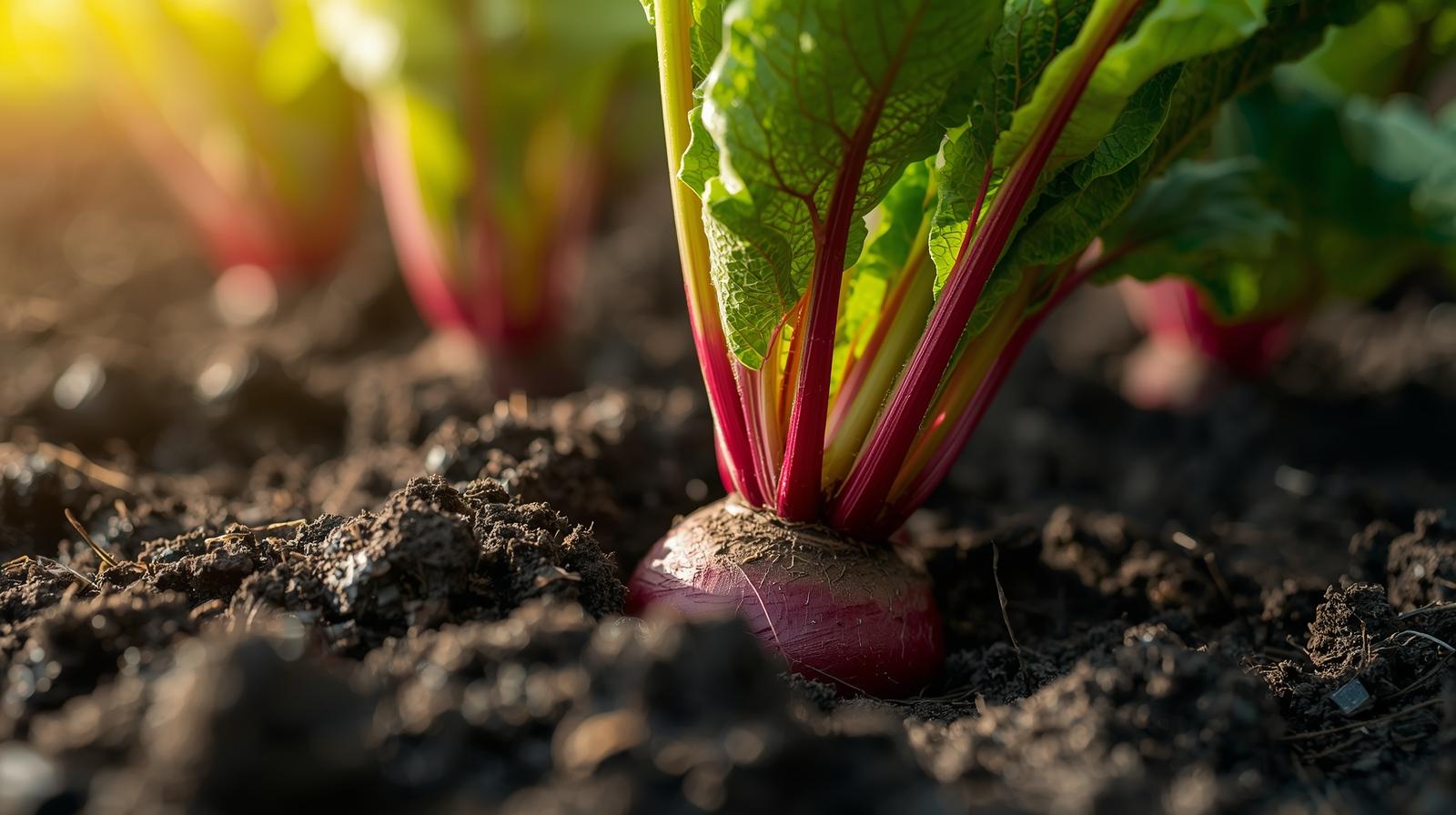
Beetroot seeds are naturally clustered and benefit from pre-soaking. Soaking seeds in clean water for several hours softens the seed coat and improves germination speed and uniformity.
Precision Sowing Method
Seeds are sown at a controlled depth with proper spacing. This reduces competition between plants and ensures each beetroot develops a full-sized root without crowding.
Smart Irrigation Strategy
Consistent moisture is maintained without waterlogging. Light but regular watering prevents root cracking and promotes smooth, tender beetroot development.
Balanced Nutrient Management
The new technique avoids excess nitrogen, which promotes leafy growth at the expense of roots. Balanced organic feeding supports steady root enlargement and vibrant color.
Mulching for Temperature Control
Organic mulch is applied to stabilize soil temperature and reduce moisture loss. Mulching also suppresses weeds that compete for nutrients.
Weed Management Without Disturbance
Shallow weeding is practiced to avoid disturbing developing roots. This helps maintain root shape and soil structure.
Pest and Disease Prevention
Crop rotation and natural pest deterrents reduce the risk of leaf miners and fungal infections. Healthy soil biology plays a key role in plant resistance.
Root Development Enhancement
Calcium-rich inputs improve root firmness and storage quality. Proper nutrient timing ensures even root expansion.
Harvesting for Best Quality
Beetroots are harvested when roots reach optimal size. Timely harvesting ensures sweetness, tenderness, and long shelf life.
Beetroot Growing Technique Comparison Table
| Method | Root Size | Uniformity | Yield |
|---|---|---|---|
| Traditional Method | Medium | Uneven | Average |
| New Technique | Large | Uniform | High |