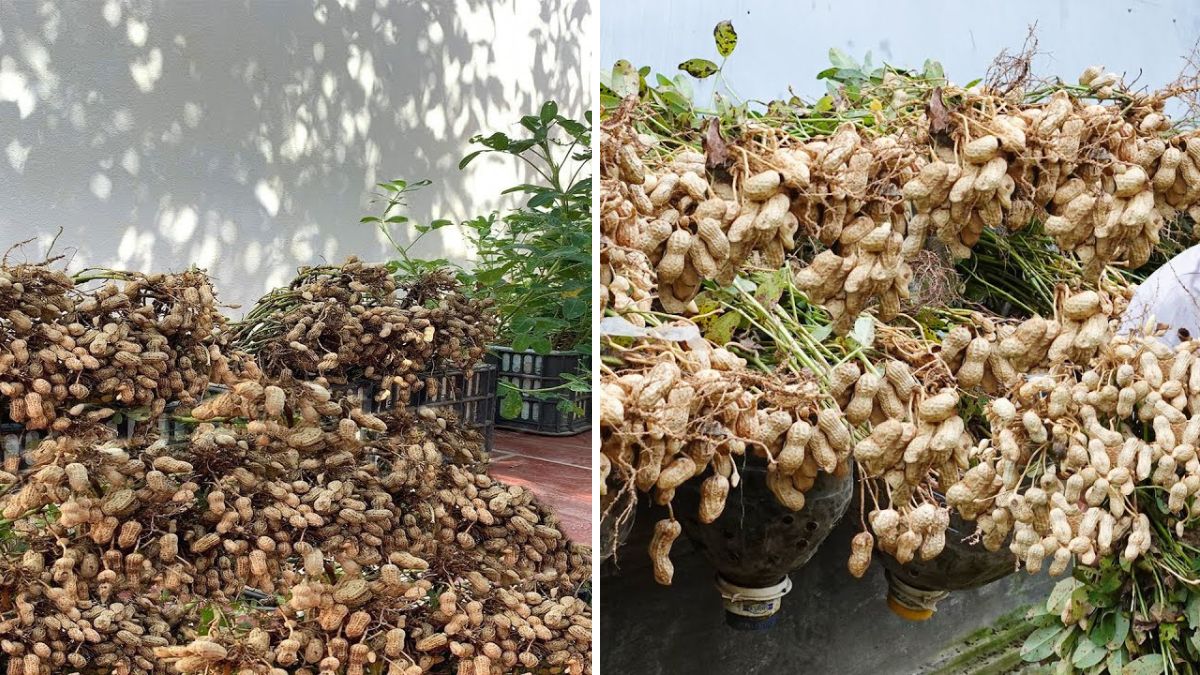
Peanuts may look like a crop that only farmers with big fields can grow, but here’s a wonderful secret: you can grow peanuts right at home—even without a garden! Whether you live in an apartment, a flat, or a house without outdoor soil, peanuts adapt surprisingly well to pots, buckets, tubs, and grow bags. And with the right technique, you can harvest a whole basket of fresh, delicious peanuts from just a few containers.
Homegrown peanuts taste richer, nuttier, and fresher than store-bought ones. They’re incredibly fun to grow, especially for kids, because the entire process—from flowering to digging up the pods—feels magical.
In this complete 1200-word guide, you’ll learn how to grow peanuts at home using containers, how to care for them, and how to harvest the biggest possible yield—all without needing a garden or farmland.
Why Peanuts Are Perfect for Home Gardening
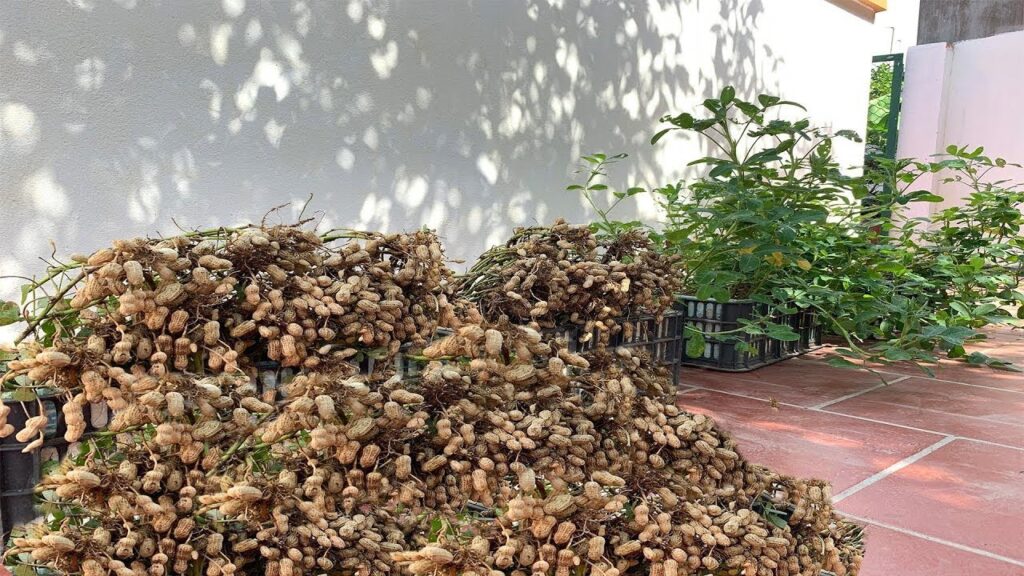
Most people don’t realize just how beginner-friendly peanuts really are. Here’s why they’re ideal for home growers:
1. Peanuts Thrive in Containers
They don’t need deep soil; even 12–15 inches of depth is enough for the pods to develop.
2. Easy and Low Maintenance
Once planted, peanuts need very little care—just sunlight and light watering.
3. High Yield With Little Space
Even a single container can produce dozens of pods.
4. Natural Soil Enrichers
Peanuts are nitrogen-fixing plants. They improve soil quality as they grow.
5. Suitable for Any Climate
Warm regions see faster growth, but peanuts can grow indoors or on balconies in temperate areas too.
Materials You Need to Start
Growing peanuts at home is simple. Here’s what you need:
- Raw peanuts with shells (not roasted!)
- Containers (15–25 liter tubs, buckets, or grow bags)
- Loose, sandy potting mix
- Compost or vermicompost
- Cocopeat
- Garden soil
- Mulch (dry leaves, straw)
- Watering can
Step 1: Choosing the Best Peanuts for Planting
You don’t need special seeds. You can grow peanuts using raw, unroasted peanuts from your local market.
Make sure they are:
✔ Entirely raw
✔ Unsalted
✔ In-shell if possible
✔ Fresh and plump
Remove the shells gently—avoid breaking the seed coat.
Step 2: Select the Right Container
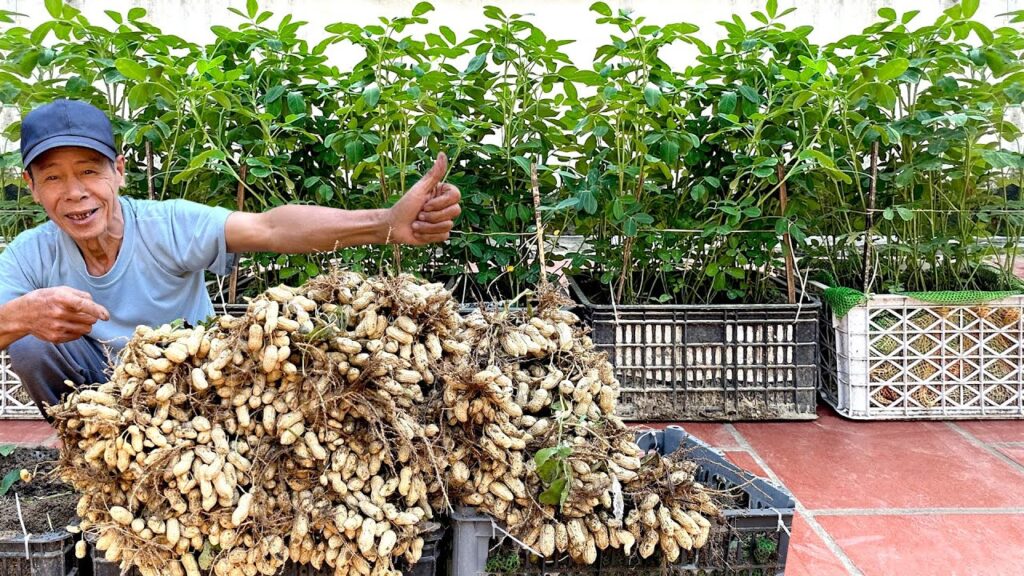
Though peanuts don’t need deep soil, they do need space to spread their “pegs”—the structures that form after pollination.
Best Container Options:
- 15–25 liter buckets
- Plastic tubs
- Grow bags
- Fabric pots
- Large recycled paint buckets
Minimum Requirements:
- 12–15 inches deep
- Wide surface area (important for spreading)
- Several drainage holes
Step 3: Prepare the Perfect Soil Mix
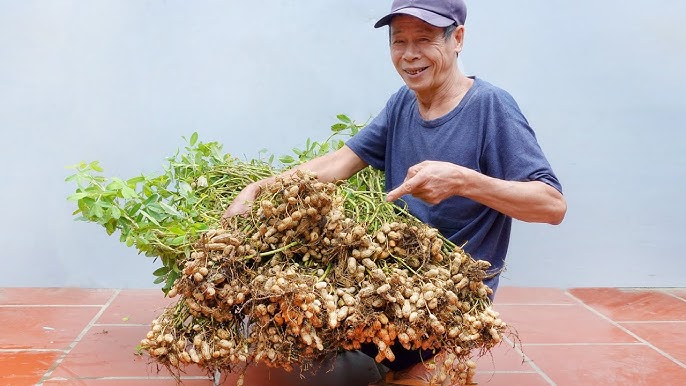
Peanuts love loose, sandy, well-draining soil. Heavy soil can reduce yields.
Ideal Peanut Soil Mix:
- 40% garden soil
- 30% sand or perlite
- 20% compost
- 10% cocopeat
Mix thoroughly until light and crumbly.
Why sandy soil?
Peanuts form underground pods. Sandy soil lets them expand easily and reduces the risk of rot.
Step 4: Plant the Peanuts Properly
Planting peanuts is incredibly simple.
Steps:
- Fill the container with soil, leaving 2–3 inches at the top.
- Place peanuts 1–2 inches deep, 4 inches apart.
- Cover lightly with soil.
- Water gently.
Recommended Planting Density:
- 15–20 liter pot: 4–6 peanut seeds
- 25 liter pot: 8–10 peanut seeds
More plants = more pods = a bigger harvest.
Step 5: Provide the Right Growing Conditions
Peanuts prefer warm temperatures and full sunlight.
Ideal Conditions:
✔ 6–8 hours of sunlight daily
✔ Warm area (25–32°C is ideal)
✔ Breezy but not windy location
Balconies, terraces, and sunny windowsills all work perfectly.
Step 6: Watering the Plants Correctly
Peanuts don’t need heavy watering.
Watering Guidelines:
- Keep soil slightly moist during germination
- After seedlings grow, water only when the top soil feels dry
- Reduce watering after flowering begins
Overwatering can cause pod rot, so keep moisture balanced.
Step 7: Peanut Flowering—The Magic Stage
Around 35–50 days, the plant begins to flower.
The yellow flowers fall off after pollination.
Instead of producing fruit above ground, the plant sends thin pegs downward into the soil.
This is where the peanut pods develop.
What You Should Do:
- Keep the soil loose
- Add a thin layer of mulch
- Avoid disturbing the base of the plant
- Ensure soil is not hard or compacted
This stage is critical for high yield.
Step 8: Fertilizing for Bigger Harvests
Peanuts don’t need lots of fertilizer, but a little boost helps.
Give these nutrients:
- At planting: 2–3 handfuls of vermicompost
- After 30 days: Banana peel fertilizer (for potassium)
- During flowering: Wood ash or crushed eggshells
Avoid nitrogen-heavy fertilizers—they reduce pod production.
Step 9: Care Tips to Maximize Peanut Yield
To grow a full basket from just containers, follow these professional tips:
1. Hill the Soil
When pegs start entering the soil, add more loose soil around the plant base.
This encourages more pod formation.
2. Use Mulch
Mulch keeps soil cool and prevents hardening.
3. Keep Soil Loose
Don’t press or compact the soil at any stage.
4. Protect from Heavy Rain
Too much water can spoil forming pods.
5. Watch for Pests
Peanuts rarely get pests, but if needed, use neem spray.
Step 10: When and How to Harvest
Peanuts take 90–120 days to mature.
Signs They’re Ready:
✔ Leaves start to turn yellow
✔ Plant begins drying
✔ Pods feel firm inside the shell
How to Harvest:
- Gently loosen the soil using hands
- Pull the whole plant from the base
- Shake off the dirt
- Collect all pods
- Sun-dry for 3–5 days
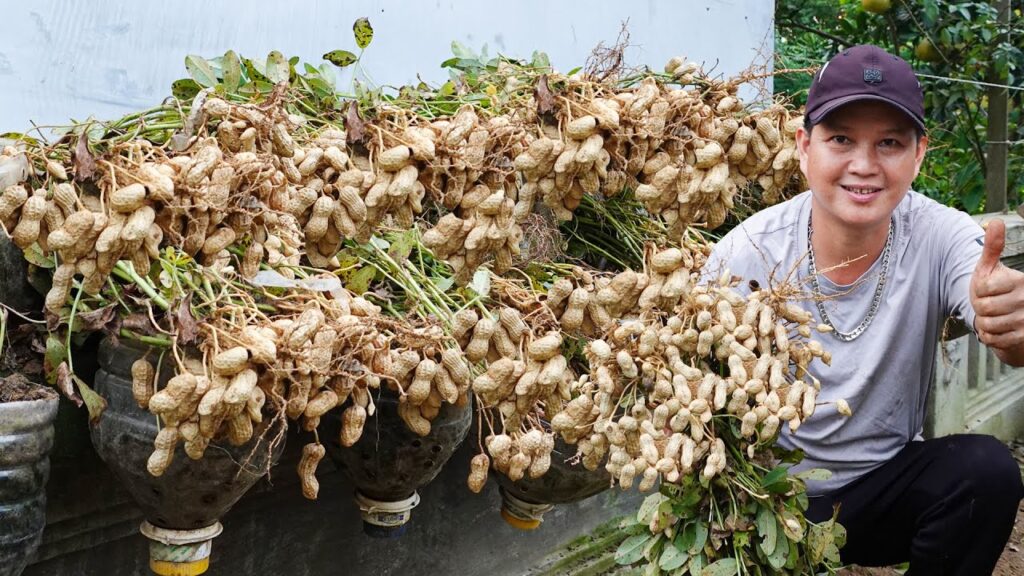
Your container-grown peanut harvest is ready!
A single container can yield a full basket—sometimes 50–100 pods depending on care.
Benefits of Growing Peanuts at Home
Growing peanuts offers surprising advantages:
- Completely chemical-free
- Fun for children and adults
- Improves soil fertility
- Saves money on snacks
- Produces both nuts and edible greens
Peanut leaves can even be used as organic mulch or compost material.
Common Mistakes to Avoid
Here are the errors most beginners make:
❌ Using clay-heavy soil
Prevents pod formation.
❌ Overwatering
Causes pod rot.
❌ Using roasted peanuts
They won’t germinate.
❌ Planting in small containers
Restricts growth → fewer pods.
❌ Lack of sunlight
Reduces flowering and yield.
Avoid these, and your harvest will be abundant.
Final Thoughts
Growing peanuts at home—without soil beds or a garden—is easier and more rewarding than most people ever imagine. With just a small container, a handful of raw peanuts, and a sunny spot, you can enjoy a generous harvest of fresh, delicious, and organic peanuts.
This method is perfect for:
✔ Apartment balconies
✔ Rooftops
✔ Small patios
✔ Indoor sunny windows
✔ Beginner gardeners
You’ll be amazed at how productive these humble plants can be. Try it once, and you’ll want to grow peanuts every year!