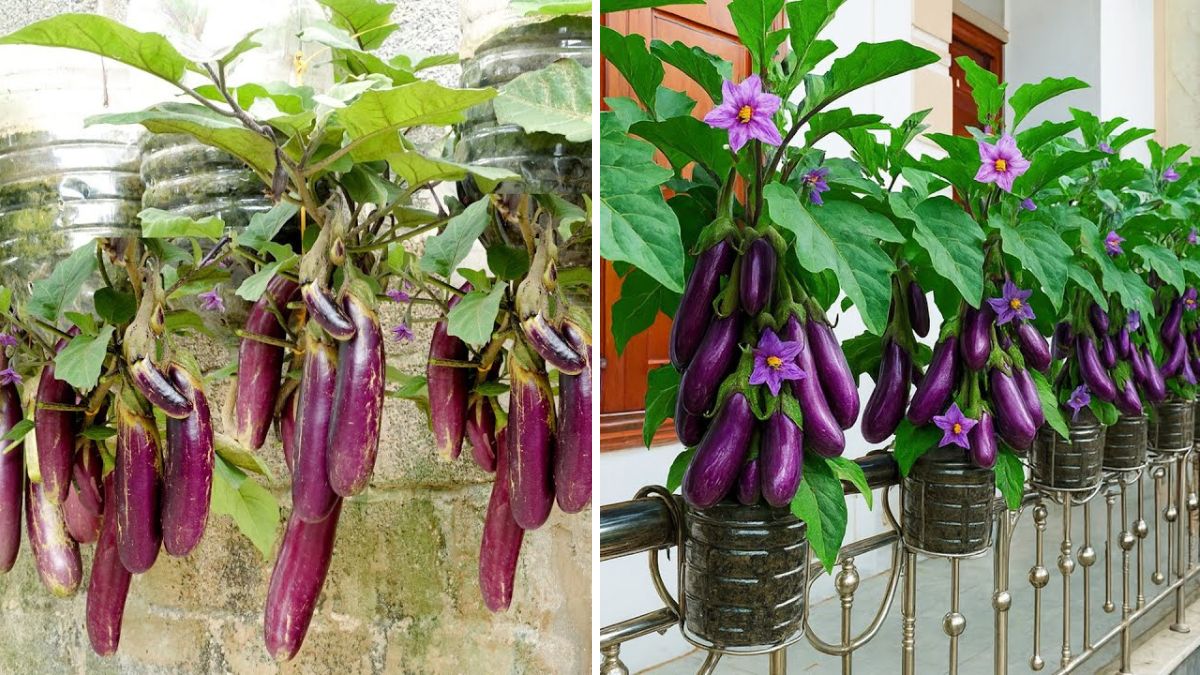
If you think lush, productive eggplant plants are only possible in large garden beds, think again. Balcony gardeners around the world—including those with tiny apartments—are harvesting beautiful, glossy, market-quality eggplants using a simple and incredibly effective method. You don’t need a backyard, you don’t need fancy tools, and you don’t need years of gardening experience. All you need is a sunny balcony, the right pot, and the right care routine.
This guide reveals the easy balcony method that transforms ordinary eggplant seedlings into strong, productive plants loaded with fruits—all while fitting perfectly in urban spaces. Whether you live in a high-rise in the city, a small apartment, or a suburban home with a modest balcony, this technique works anywhere.
Let’s dive into the step-by-step method that will turn your balcony into an eggplant paradise.
Why Eggplants Are Perfect for Balcony Gardening
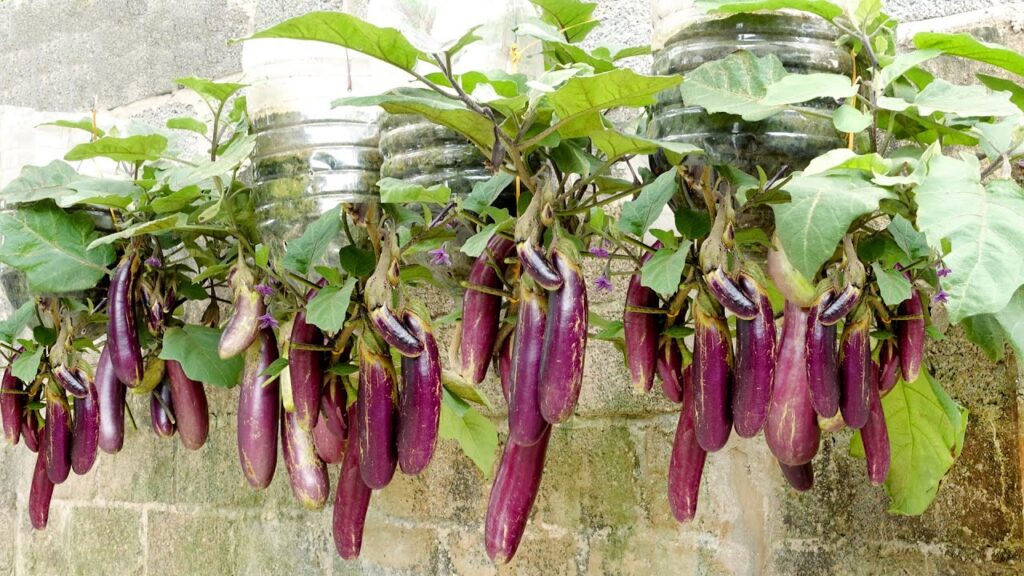
Eggplants (also known as brinjals or aubergines) are surprisingly adaptable. They love warm weather, do great in containers, and reward you with continuous harvests for months. Balcony conditions—sun, airflow, and contained soil—actually create an ideal environment for them.
Benefits of Growing Eggplants on a Balcony:
✔ Needs only one large container
✔ Thrives in warm, sunny spots
✔ Produces for 6–8 months
✔ Easy to maintain
✔ Less susceptible to soil-borne diseases
✔ Perfect for compact, vertical spaces
You can grow almost any variety in containers, from long Asian eggplants to classic round varieties.
Step 1: Choose the Right Container
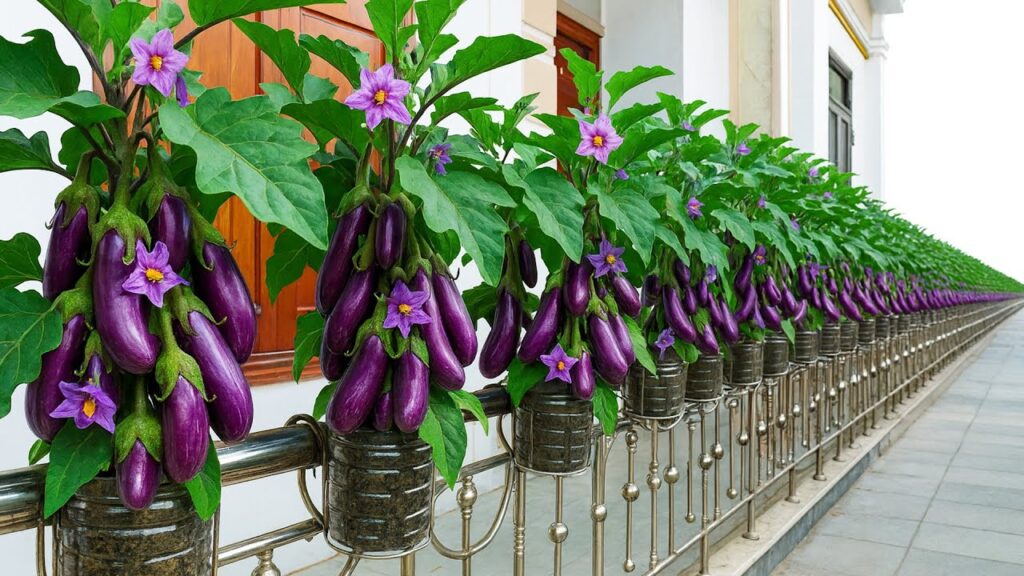
The secret to balcony-grown eggplants starts with the container. Eggplants have deep, strong root systems, so pot size matters.
Ideal Pot Size:
- 15–20 inches deep
- 14–16 inches wide
- Minimum 20–30 liters capacity
- Made of plastic, ceramic, grow bag, or fabric pot
Avoid small pots—they restrict root growth and reduce fruit size.
Drainage Is Non-Negotiable
Make sure the pot has 5–8 drainage holes. Eggplants hate soggy soil, and poor drainage leads to root rot, yellowing leaves, and almost zero fruit.
Step 2: The Perfect Balcony Eggplant Soil Mix
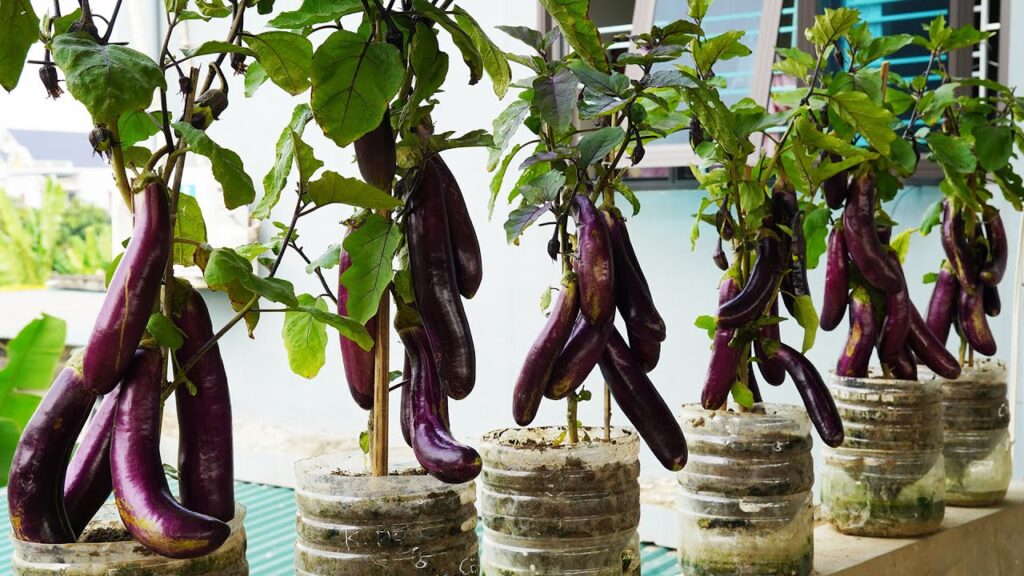
Eggplants are heavy feeders. They need rich, fertile, loose soil that drains well but retains moisture.
Best Soil Mix Formula:
- 40% garden soil
- 30% compost (or vermicompost)
- 20% cocopeat
- 10% sand/perlite
Add-Ons for Better Growth:
- 1 handful neem cake for pest prevention
- 1 cup bone meal for root and flower development
- A small handful wood ash for potassium (improves fruit production)
Mix well and fill the pot, leaving 2 inches at the top.
Step 3: Selecting the Best Eggplant Variety
Different balconies have different space and sunlight conditions. Choose a variety that suits your environment.
Best Varieties for Balcony Gardening:
- Black Beauty
- Long Purple
- Thai Green
- Indian Round Eggplants
- Ichiban Japanese Eggplant
- Compact hybrid varieties
Smaller varieties produce faster and often yield more in containers.
Step 4: Planting Your Eggplants
You can grow eggplants from seeds or seedlings.

Growing from Seedlings (Recommended):
- Select a healthy seedling with strong stems.
- Plant it in the center of the pot.
- Water immediately.
- Keep the pot in partial shade for 2–3 days.
After that, shift it into full sun.
Growing from Seeds:
- Sow seeds 1 cm deep in a small tray.
- Seeds sprout in 7–14 days.
- Transplant when plants have 4–6 true leaves.
Step 5: The Magic of Sunlight and Positioning
Eggplants need 6–8 hours of direct sunlight daily. The more sunlight they receive, the stronger and more productive they become.
Ideal Balcony Position:
- East-facing balconies: Best for morning sun
- South-facing balconies: Full-day sun
- West-facing balconies: Afternoon sun (may require shade cloth in summer)
Avoid north-facing balconies unless you use grow lights.
Step 6: The Balcony Watering Technique
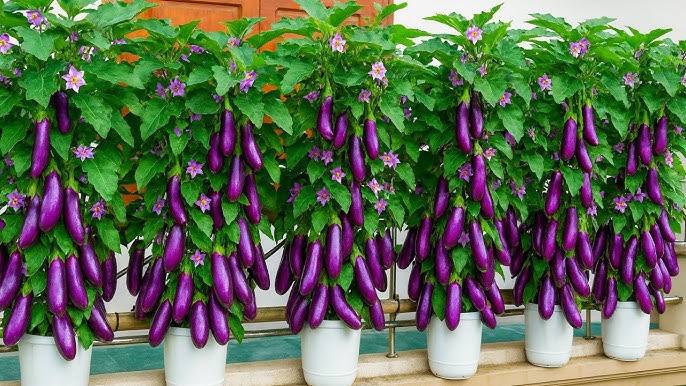
Eggplants love consistent moisture but hate waterlogged roots.
Watering Rules:
- Water deeply every 2–3 days
- In summer, water daily
- Always check soil before watering
- Water at the base, never on leaves
Dry soil causes small fruits, while overwatering causes yellow leaves.
Mulching your pot with dry leaves or cocopeat helps maintain moisture and reduce heat stress.
Step 7: Feeding Your Balcony Eggplants
Here’s where many balcony gardeners go wrong. Eggplants are heavy feeders and need regular nutrition for continuous fruiting.
Fertilizer Schedule for Maximum Yield:
Every 15 days:
- Add a handful of compost
- Mix with soil gently
Every 10 days:
- Give liquid fertilizers like:
- Compost tea
- Seaweed extract
- Cow dung liquid
At flowering stage:
- Add 1–2 spoons of potash or wood ash
- Use banana peel fertilizer
Avoid too much nitrogen after flowering—it leads to more leaves and fewer fruits.
Step 8: Supporting and Pruning for Bigger Eggplants
A balcony-grown eggplant can grow tall and heavy with fruit. Supporting the plant keeps it stable and increases airflow.
Support Ideas:
- Bamboo stakes
- Tomato cages
- Small trellises
Tie the main stem loosely with soft string.
Pruning Tips:
- Remove bottom leaves touching the soil
- Cut off weak side shoots
- Prune excess branches for better airflow
- Remove first flowers (optional) to encourage stronger root growth
Pruning ensures fewer but larger fruits.
Step 9: Pest Control—Balcony Edition
Balconies usually have fewer pests, but eggplants still attract:
- Aphids
- Whiteflies
- Mealybugs
- Spider mites
- Caterpillars
Organic Solutions:
- Neem oil spray every 7–10 days
- Soap water spray for aphids
- Remove infected leaves immediately
- Use sticky yellow traps for whiteflies
Good airflow reduces fungal problems dramatically.
Step 10: Flowering, Pollination & Fruit Development
Eggplants are self-pollinating, but light air movement helps. On a balcony, where airflow may be low, gently shake the plant once daily to improve pollination.
Signs of Healthy Pollination:
- Flowers stay firm
- Base begins swelling
- Small fruit appears within days
If flowers fall without fruit formation, you may need to:
- Add potash
- Improve sunlight
- Increase watering frequency
Step 11: Harvesting at the Perfect Time
Eggplants must be harvested at the right moment for the best taste.
Harvest When:
- Skin is glossy and smooth
- Fruit feels slightly firm
- Size matches your chosen variety
- Seeds inside are soft and white
Don’t wait too long—overripe eggplants become dull and bitter.
Cut with scissors or a knife, leaving a short stem.
Why This Balcony Method Works So Well
This easy method works because it combines the three essentials of eggplant success:
1. Correct pot size for deep roots
Strong roots = strong plants.
2. Rich soil + consistent feeding
Eggplants thrive on nutrition.
3. Full sunlight exposure
Energy = flowers = fruits.
Even small balconies can deliver farm-like productivity when these conditions are met.
Final Thoughts: Eggplant Paradise on a Balcony
With the right container, soil, feeding schedule, and sunlight, growing eggplants on a balcony becomes not only possible—but incredibly rewarding. This easy balcony method ensures your plants stay strong, pest-free, and full of glossy fruits for months.
Whether you’re a beginner or someone with experience, this simple system guarantees lush, productive eggplants right outside your window. So grab a pot, choose your favorite eggplant variety, and turn your balcony into a beautiful mini farm today.