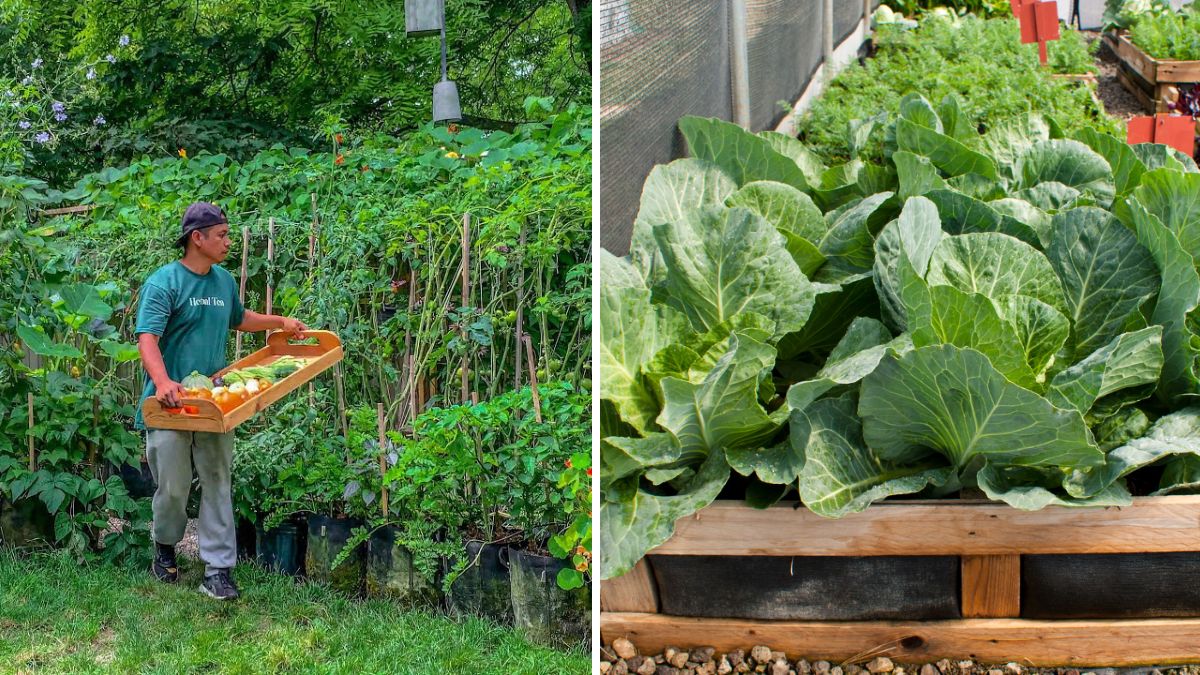
Growing your own food may sound like a dream—especially if you live in a small home, have limited space, or are just starting out. Many people believe they need a huge garden, plenty of land, or expensive equipment to produce enough vegetables for a family. But what if we told you that you can grow a surprising amount of food in just two simple garden beds?
Yes, it’s absolutely possible.
With smart planning, the right crops, and efficient gardening techniques, two raised beds can supply fresh vegetables for your family throughout the year. In this article, we’ll walk you through exactly how we did it—step by step. Whether you’re a beginner gardener or someone looking to maximize a small space, this guide will show you how to turn a tiny garden into a powerful food-producing machine.
🌾 Step 1: Choose the Right Size Garden Beds
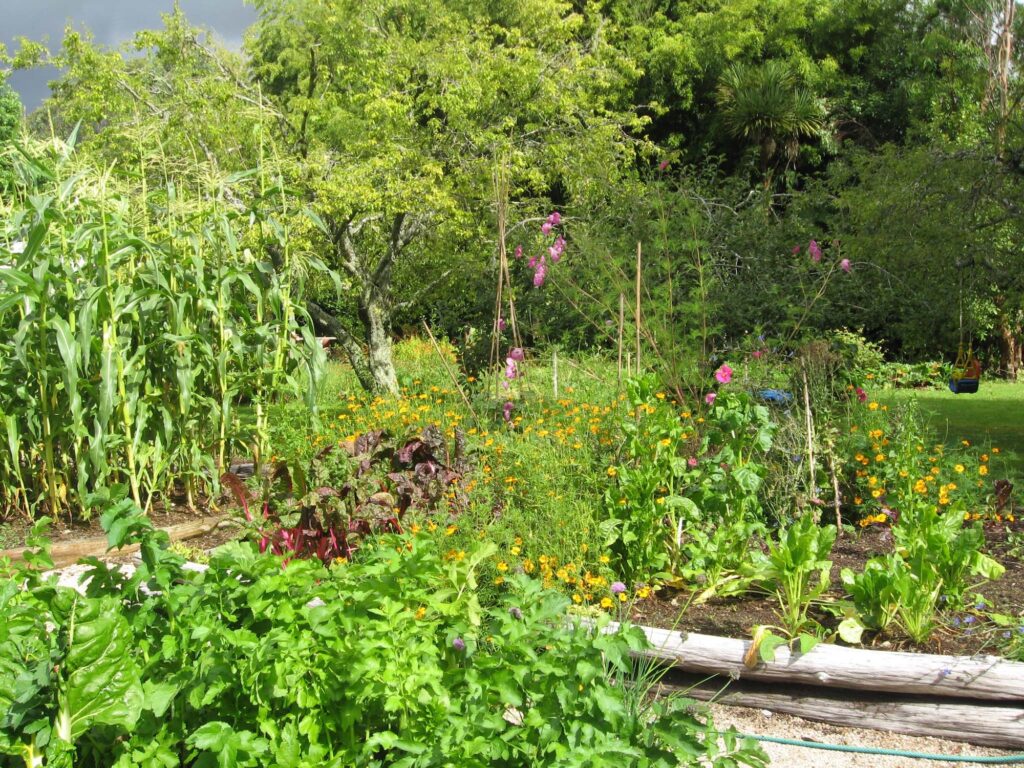
To grow enough food for the family, size matters—but not in the way you may think. You don’t need massive beds. Instead, focus on efficiency.
Our Garden Bed Size
We used:
- Two raised beds
- Each 4 feet wide and 8 feet long
- About 12–16 inches deep
This gives you 64 square feet per bed and a total of 128 square feet to grow food—more than enough when managed properly.
Why this size works:
- 4 ft width allows easy access from both sides
- 8 ft length provides multiple rows for mixed crops
- Deep beds create healthy root zones
🌿 Step 2: Build Super-Rich Soil
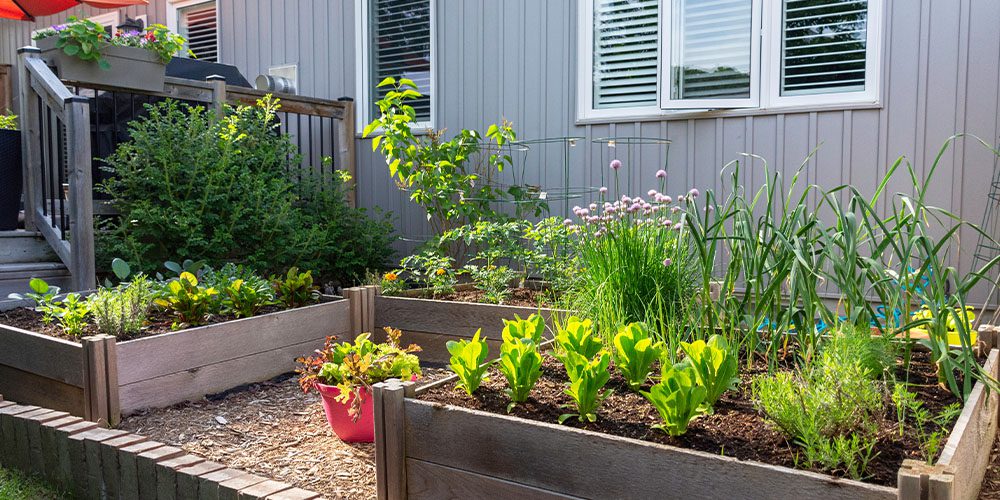
The secret behind productive garden beds is not the size—it’s the soil. Rich, fluffy, nutrient-loaded soil produces more vegetables in less space.
Our Soil Recipe
We filled each bed with a powerful mix:
- 40% garden soil
- 30% compost
- 20% cocopeat or peat moss
- 10% sand/perlite
Add Soil Boosters
To take it to the next level, we added:
- Neem cake powder (prevents pests in soil)
- Bone meal (promotes root development)
- Vermicompost (slow-release nutrients)
Healthy soil = stronger plants = more food.
🥕 Step 3: Grow the Right Crops for Maximum Yield
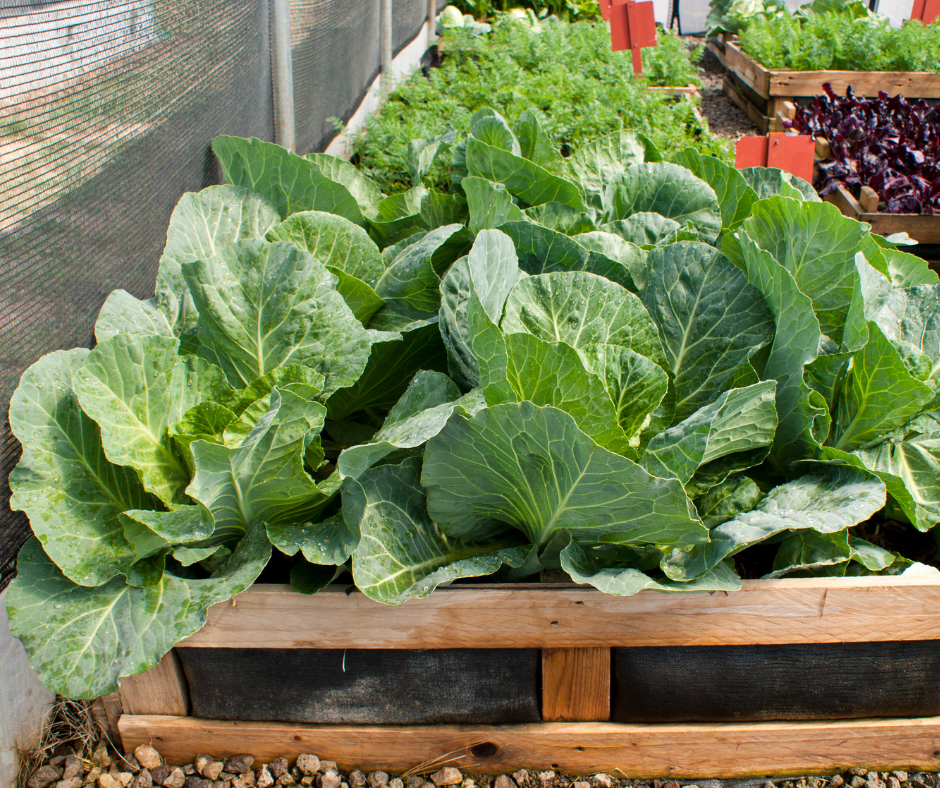
Not all vegetables perform well in small spaces. To feed a family, choose high-yield, fast-growing, and space-efficient crops.
Bed 1: Fast-Growing & Continual Harvest Crops
We planted:
- Lettuce
- Spinach
- Swiss chard
- Radish
- Carrots
- Green onions
- Beetroot
- Herbs (basil, coriander, mint, parsley)
These crops regrow after cutting or mature quickly, allowing multiple harvests.
Bed 2: Heavy Producers
We planted:
- Tomatoes
- Cucumbers
- Pole beans
- Peppers (bell & chili)
- Eggplants
These plants produce for months and give huge returns for the space they use.
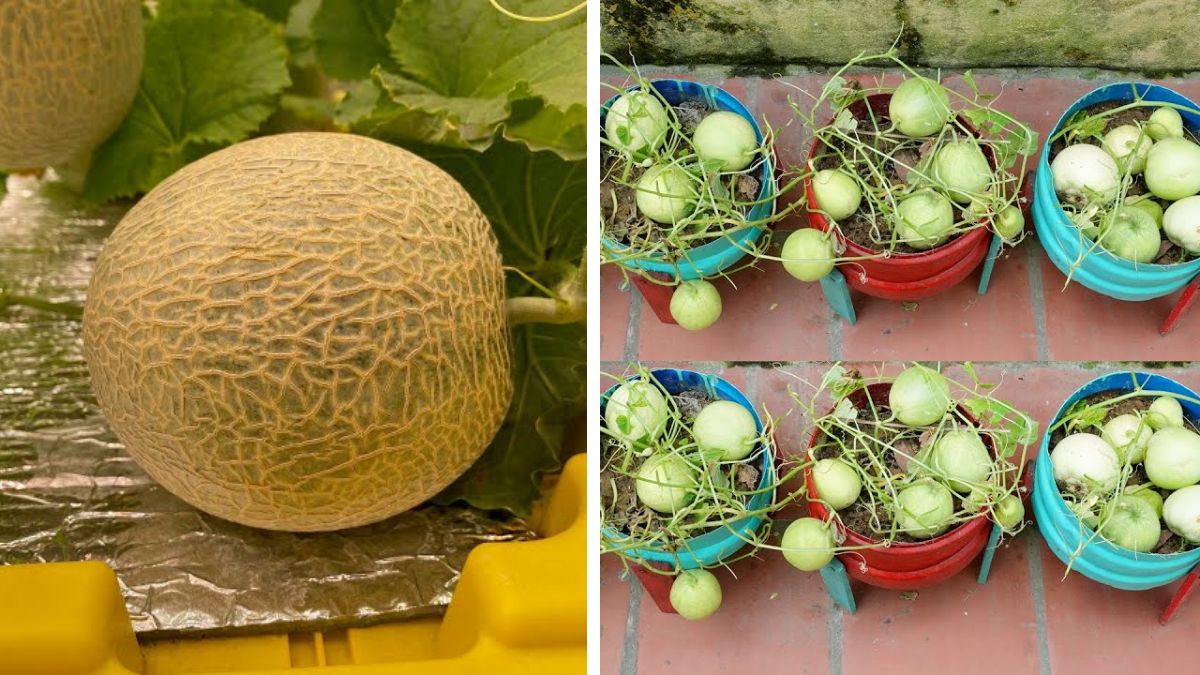
Why This Works:
One bed gives you daily salad greens, herbs, and root veggies.
The other provides big harvests like tomatoes, beans, and cucumbers.
Together, they keep your kitchen supplied for months.
🌞 Step 4: Plant Vertically to Save Space
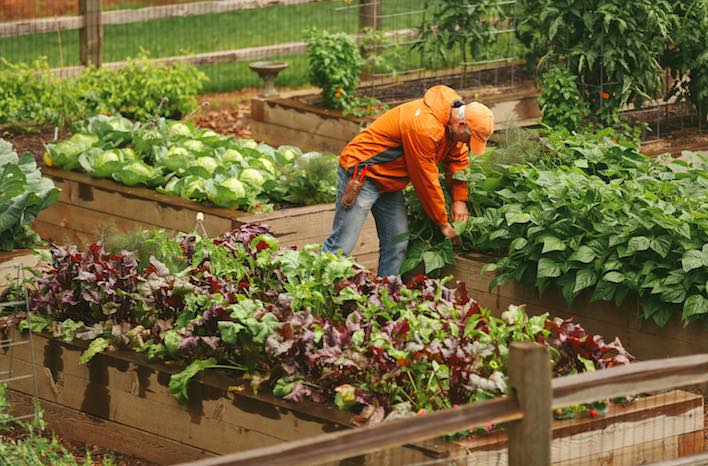
Vertical gardening is the biggest reason we succeeded with just two beds.
How We Used Vertical Space
- Cucumber vines trained onto trellises
- Pole beans on rope lines
- Tomatoes supported with cages
- Peppers planted beneath taller plants
- Hanging baskets for strawberries placed above the bed edges
By going upward, we doubled our growing area—without increasing the footprint.
💧 Step 5: Master the Watering Routine
Water management plays a crucial role in plant productivity.
Our Watering Strategy
- Deep watering 2–3 times a week
- Mulching the soil with dry leaves and straw
- Installing a simple drip system to prevent overwatering
Consistent moisture kept plants healthy and increased yields dramatically.
🌿 Step 6: Succession Planting — The Real Game Changer
This one technique allowed us to harvest food nonstop.
How We Did It:
- As soon as radishes were harvested (in just 25 days), we planted new ones.
- After lettuce bolted, we replaced it with spinach.
- Once beans slowed down, we replaced them with peas for winter.
By constantly replanting, the beds stayed productive all year long.
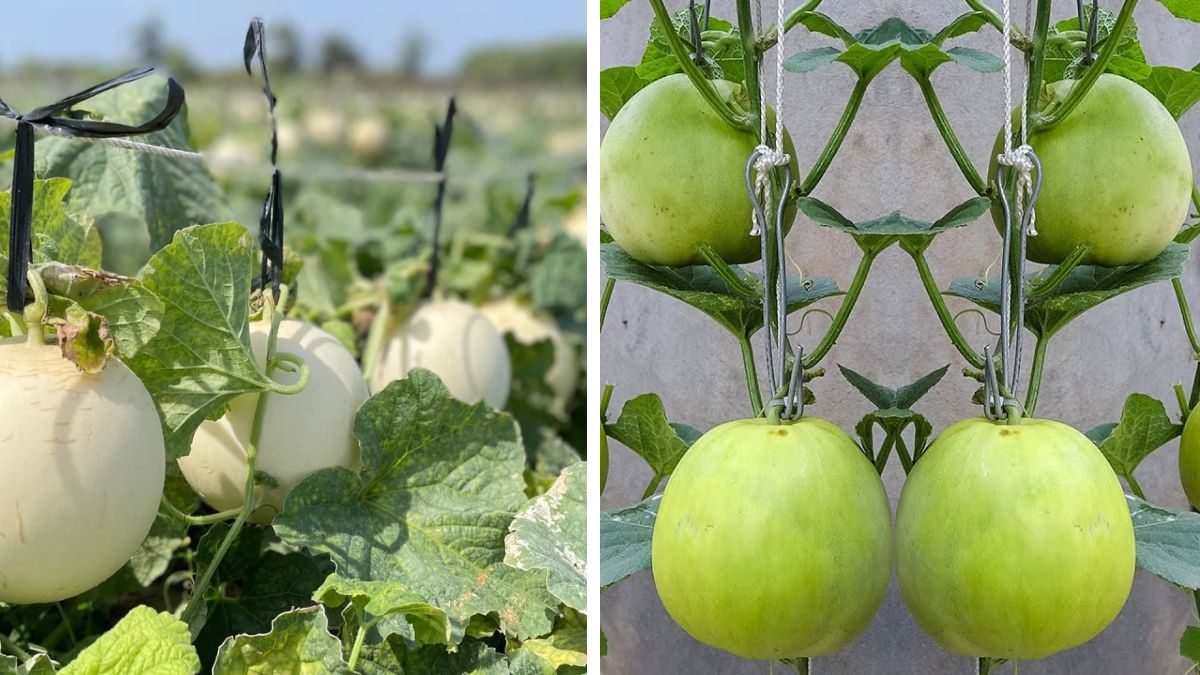
🍅 Step 7: Companion Planting for Bigger Harvests
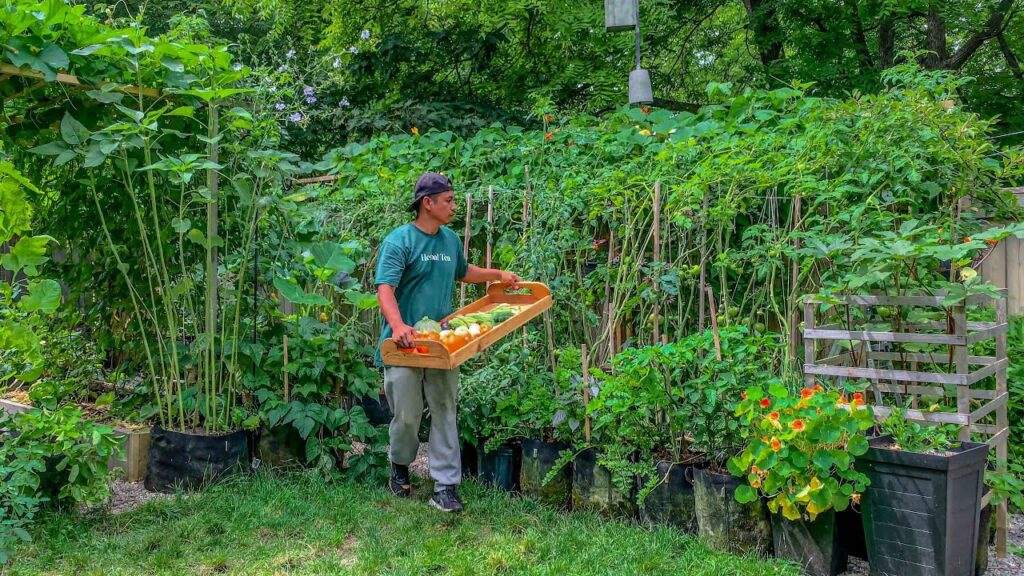
Certain plants help each other grow.
Our Favorite Pairings
- Tomatoes + Basil = better flavor, pest protection
- Cucumbers + Beans = beans fix nitrogen, helping cucumbers grow
- Carrots + Onions = repel pests naturally
- Spinach under peppers = shade-grown leafy greens
This maximized yield without needing extra fertilizers.
🌼 Step 8: Natural Pest Control
Instead of chemicals, we used simple organic methods:
- Neem oil spray every 10 days
- Soap water spray for aphids
- Marigolds around the beds to deter pests
- Garlic and onion extract spray for fungal issues
Healthy plants = higher yield.
📦 Step 9: Regular Feeding for Massive Growth
High-yield beds need frequent nutrition.
Our Feeding Schedule
Every 15 days we added:
- Compost tea
- Mustard cake water
- Seaweed extract
- Banana peel fertilizer (for potassium)
This kept plants strong and productive.
🍽️ Step 10: Harvest Smartly — Cut & Come Again
Many plants give more if you harvest correctly.
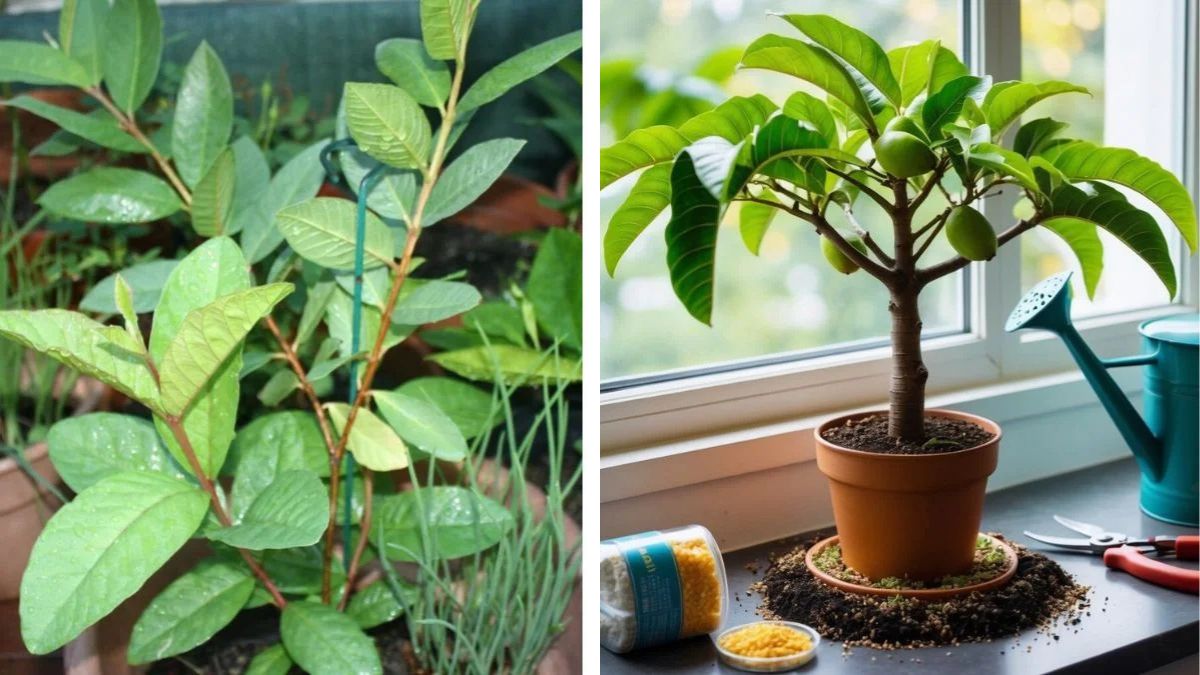
For leafy greens:
Harvest outer leaves—new ones keep growing.
For beans and cucumbers:
Pick frequently to encourage more fruit.
For tomatoes:
Prune suckers & harvest when slightly orange to allow continuous flowering.
Smart harvesting means more food from the same plants.
🌿 Results: What We Actually Grew in 2 Beds
With proper planning, we harvested:
- Buckets of tomatoes
- Loads of cucumbers
- Continuous beans
- Daily handfuls of herbs
- Regular supply of lettuce and spinach
- Carrots and radishes every few weeks
- Peppers all season long
It was more than enough for our family—and we even shared with neighbors!
🏡 Conclusion: You Don’t Need a Farm — Just Smart Techniques
Yes, it’s absolutely possible to grow enough food for a family in just two garden beds. All it takes is:
- Rich soil
- Smart crop selection
- Vertical gardening
- Succession planting
- Companion planting
- Consistent care
With these techniques, even a small home garden can become a powerful source of fresh, healthy, organic food for your family.
If you want, I can also create:
✅ YouTube Script
✅ Social Media Caption
✅ Thumbnail Text