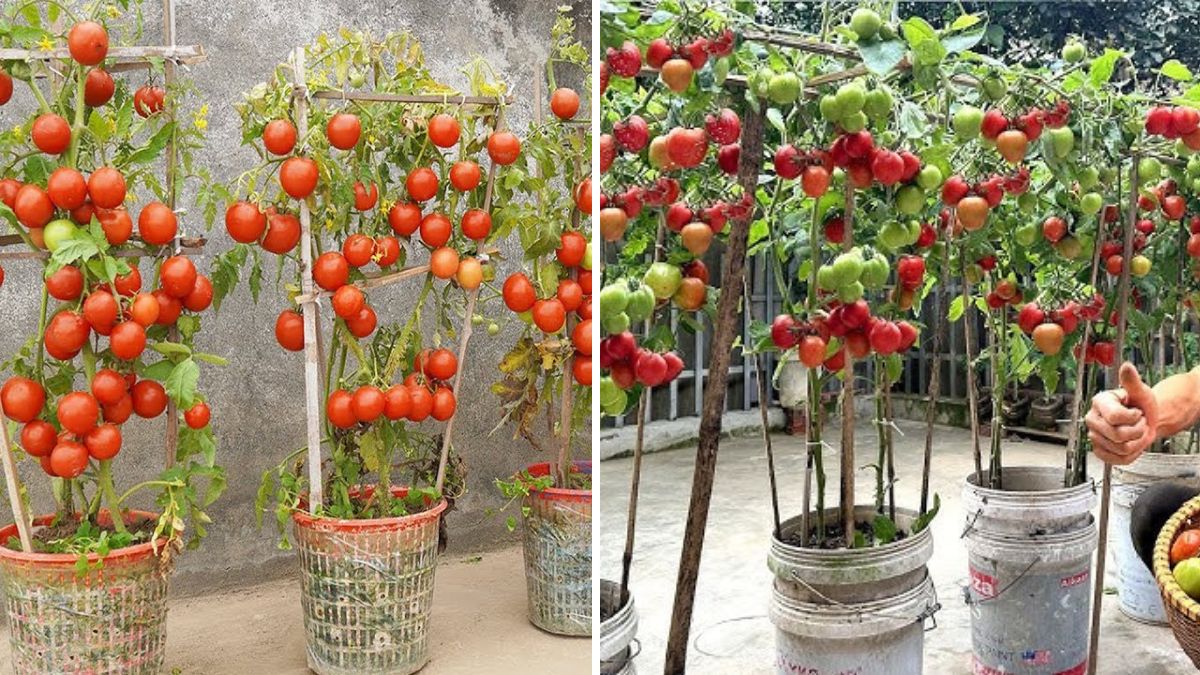
Tomatoes are among the most popular vegetables grown by home gardeners, farmers, and commercial growers around the world. Whether for salads, sauces, or markets, tomatoes are always in high demand. But one challenge every grower faces is how to harvest tomatoes early without sacrificing yield. Early harvest means quicker profits for farmers, consistent supply for the market, and a longer harvest season for home gardeners.
Fortunately, with the right early tomato harvest techniques, you can enjoy both speed and quantity—harvesting tomatoes sooner and achieving higher yields. This article reveals the methods, science, and practical steps behind early tomato production so you can replicate the success in your own garden or farm.
🌱 Why Early Harvesting Matters
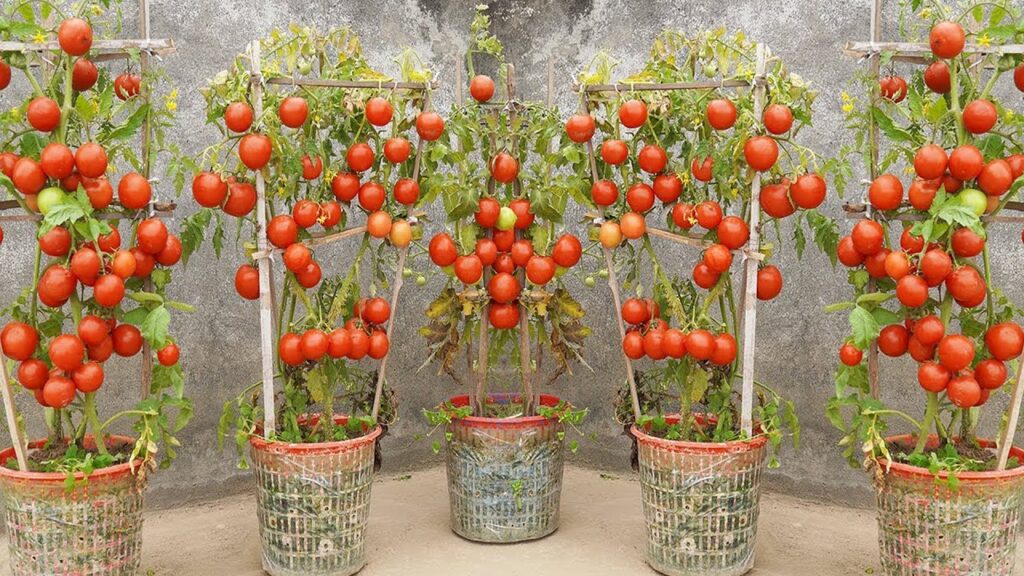
Early harvesting is not only about getting tomatoes sooner. It provides several advantages:
✔️ Higher Market Price
Early-season tomatoes sell for a premium due to less competition.
✔️ Reduced Pest & Disease Damage
Harvesting early means your fruits spend less time on the plant, reducing exposure to blight, fruit borers, whiteflies, and worms.
✔️ Longer Harvest Period
Early harvest allows the plant to redirect nutrients and energy toward producing more fruit.
✔️ Better Resource Use
Water, fertilizer, and time are used more efficiently when tomato maturity is accelerated.
With these benefits in mind, let us explore the practical techniques to ensure early and high-yield tomato harvesting.
🍅 1. Choose the Right Tomato Variety
The earliest step in achieving early harvest success begins with selecting suitable varieties. Some varieties mature faster than others.
🌿 Best Early-Maturing Varieties
- Early Girl
- Roma VF
- Cherry Tomatoes
- Pusa Ruby (India)
- Celebrity
These varieties reach maturity in 55–65 days, much quicker than typical tomatoes that take 75–90 days.
🌟 Tip:
Choose certified disease-free seeds for better germination and faster growth.
🌼 2. Grow Healthy Seedlings (The Foundation of Early Harvest)
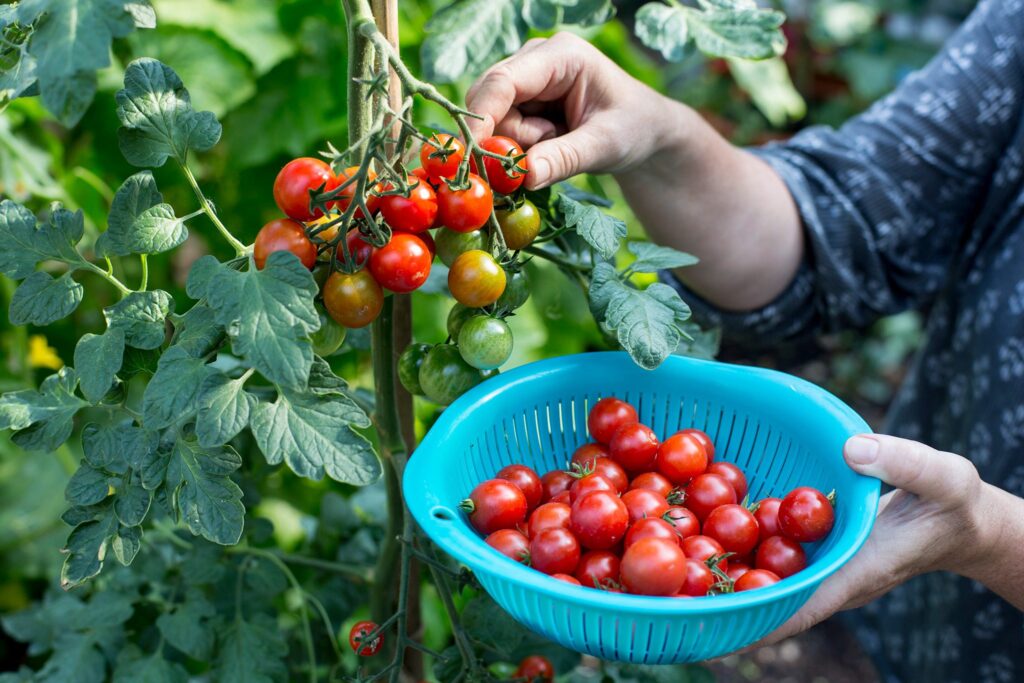
The secret to early harvesting lies in strong, vigorous seedlings.
👉 Steps to Prepare Fast-Growing Seedlings:
- Use a light, aerated seed-starting mix (cocopeat + compost + perlite).
- Sow seeds 0.5 cm deep.
- Provide 6–8 hours of sunlight or a grow light.
- Maintain warm temperatures (20–28°C).
- Keep the soil moist, not soggy.
🚀 Harden Seedlings Before Planting
One week before transplanting:
- Gradually expose seedlings to outdoor conditions.
- Reduce watering slightly to strengthen stems.
Strong seedlings = faster establishment = early flowers = early harvest.
🌞 3. Plant at the Right Time and Right Spacing
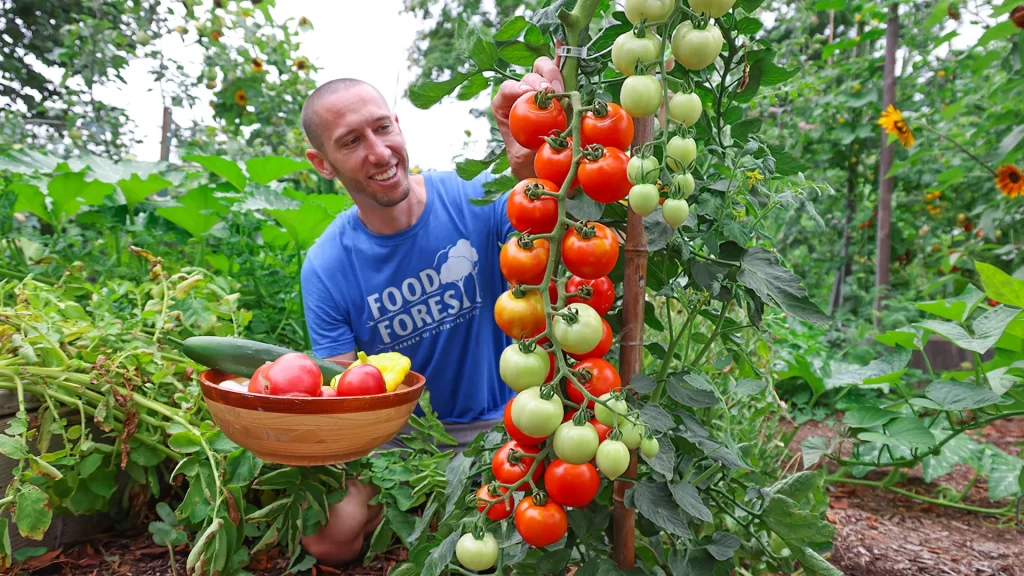
Planting tomatoes too early in cold soil slows growth, while overcrowding leads to competition for nutrients.
✔️ Ideal Soil Temperature:
18–30°C
Cooler soil delays root development.
✔️ Spacing:
- Indeterminate varieties: 60–75 cm apart
- Determinate varieties: 45–60 cm apart
Proper spacing improves air circulation, reduces diseases, and increases flower formation—resulting in early and heavier yields.
💧 4. The Magic of Deep Planting (Secret to Faster Growth)
Tomato plants have the unique ability to grow roots along their stems. When you plant them deeper, they develop a powerful root system.
🌱 Benefits of Deep Planting:
- Stronger roots
- Faster nutrient uptake
- Faster flowering
- Early fruit set
This technique alone can speed up the harvest by 10–15 days.
Bury at least one-third of the stem when transplanting.
🌿 5. Use Mulching for Early Growth and High Yield
Mulching is one of the most overlooked yet powerful techniques.
⭐ Benefits of Mulching:
- Maintains warm soil for faster root activity.
- Conserves moisture.
- Prevents weeds.
- Protects fruits from soil diseases.
Best Mulch Materials:
- Dried leaves
- Straw
- Black plastic mulch
- Sugarcane bagasse
Black plastic mulch is widely used by commercial farmers for early harvest because it warms the soil and accelerates growth.
🍽️ 6. Balanced Fertilization for Faster Fruiting
Tomatoes love nutrients, especially during the early stages.
Recommended Fertilizer Plan:
At Planting:
- 2–3 kg compost per plant
- A handful of neem cake
After 15 Days:
- Nitrogen-rich fertilizer (vermicompost or NPK 19:19:19)
Before Flowering:
- Potassium and Phosphorus (to trigger early fruiting)
During Fruiting:
- Use banana peel fertilizer, seaweed extract, or potash-rich manure.
🚀 Pro Tip:
Avoid excessive nitrogen (N) after flowering. Too much nitrogen causes leafy growth but delays fruiting.
🌼 7. Pruning & Training for Early Harvest
Proper plant training ensures early blooming and better yields.
✂️ Pruning Steps:
- Remove the lower leaves touching the soil.
- Cut off extra suckers (side shoots) to focus energy on fruits.
- Keep the plant well-ventilated.
🌱 Training:
- Use stakes or trellis to keep the plant upright.
- Tie the stem gently every 20–30 cm.
This helps the plant channel energy directly to fruit formation—leading to earlier and larger harvests.
💧 8. Smart Watering Technique
Watering tomatoes incorrectly can delay growth or cause disease.
⭐ Best Watering Strategy:
- Water deeply but less frequently.
- Water at the base, not on leaves.
- Drip irrigation is ideal for early harvesters.
⚠️ Avoid:
- Overwatering (causes root rot)
- Watering during midday (evaporation)
- Wetting the leaves (promotes blight)
🌸 9. Boost Flowering with Natural Stimulants
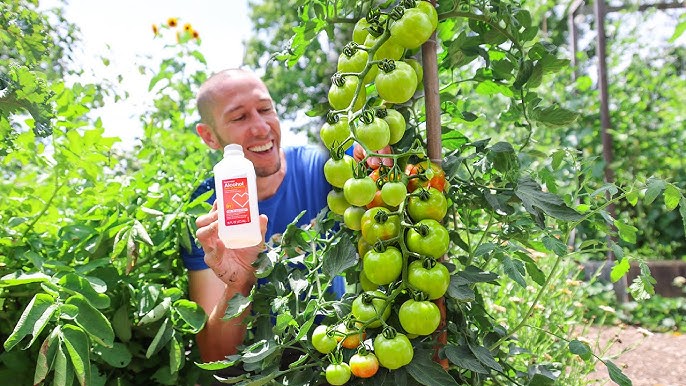
Early flowering = early fruiting = early harvest.
Natural Flower Boosters:
- Epsom salt (1 tbsp per liter of water)
- Seaweed extract
- Cow dung fermented water (Jeevamrut)
- Banana peel tea
- Eggshell calcium water
Spray once every 15–20 days for best results.
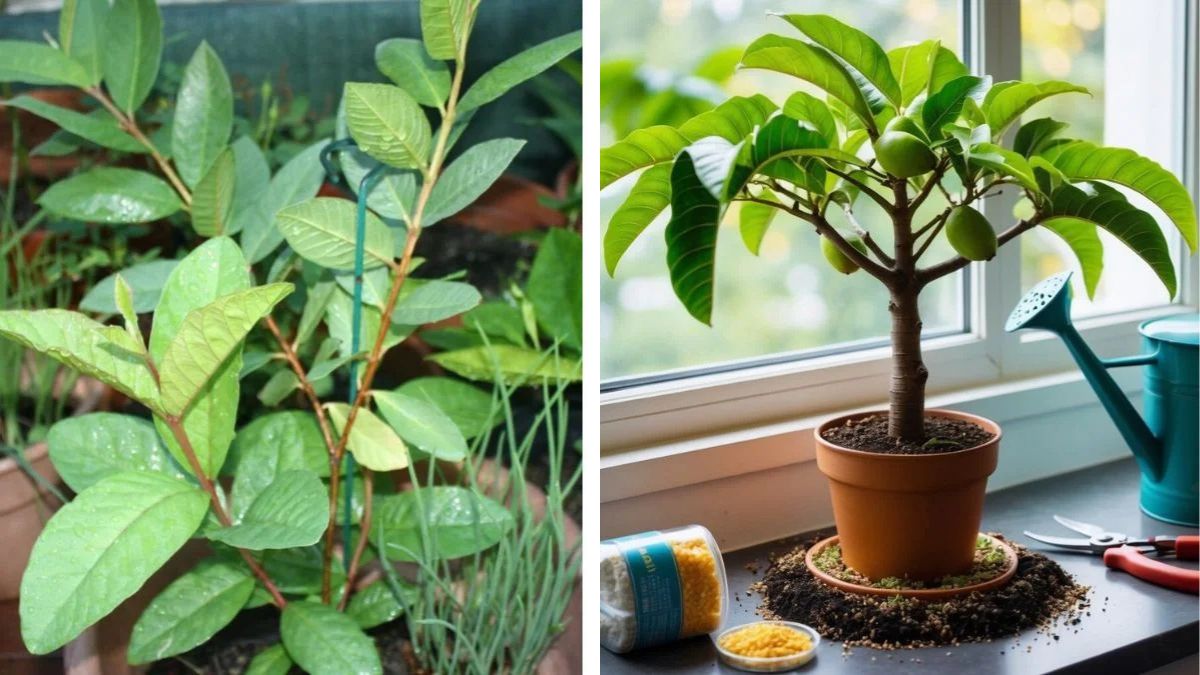
🐝 10. Improve Pollination for Faster Fruit Set
Poor pollination delays fruiting and reduces yield.
Ways to Improve Pollination:
- Keep flowers dry.
- Tap the stems gently to help pollen release.
- Attract beneficial insects by planting marigold and basil nearby.
- Provide airflow with proper spacing and pruning.
Good pollination can speed up fruit formation by 7–10 days.
🛡️ 11. Protect Plants from Early Diseases
Diseases like blight, wilt, and fungal infections can delay harvest and reduce yield.
Preventive Measures:
- Spray neem oil every 10 days.
- Keep lower leaves off the soil.
- Mulch to avoid soil splash.
- Ensure good airflow around plants.
Healthy plants grow faster and produce earlier.
🍅 12. Harvest at the Right Stage for Continuous Yield
For early harvest, tomatoes can be picked at the breaker stage—when they turn slightly pink or light red.
Benefits:
- Encourages the plant to produce more fruits.
- Reduces pest damage.
- Easier to transport (for farmers).
Picking early ensures a continuous cycle of fruit production.
🌟 Final Thoughts: Early Tomato Harvesting is a Smart Strategy
With the right combination of:
- proper variety selection
- strong seedlings
- mulching
- balanced fertilization
- pruning and training
- pollination improvement
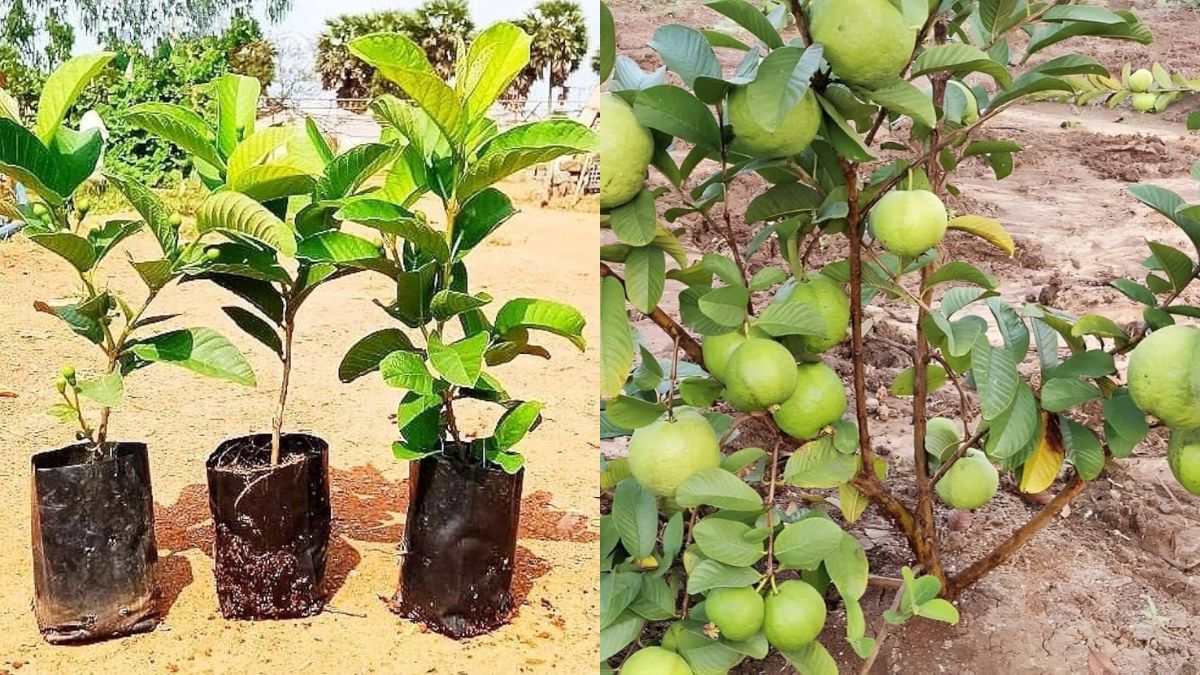
…you can easily achieve faster tomato harvests with significantly higher yields.
Whether you’re a commercial farmer or a home gardener, these early-harvest techniques will help you enjoy a longer, more productive tomato season—filled with juicy, healthy, and market-ready fruits.