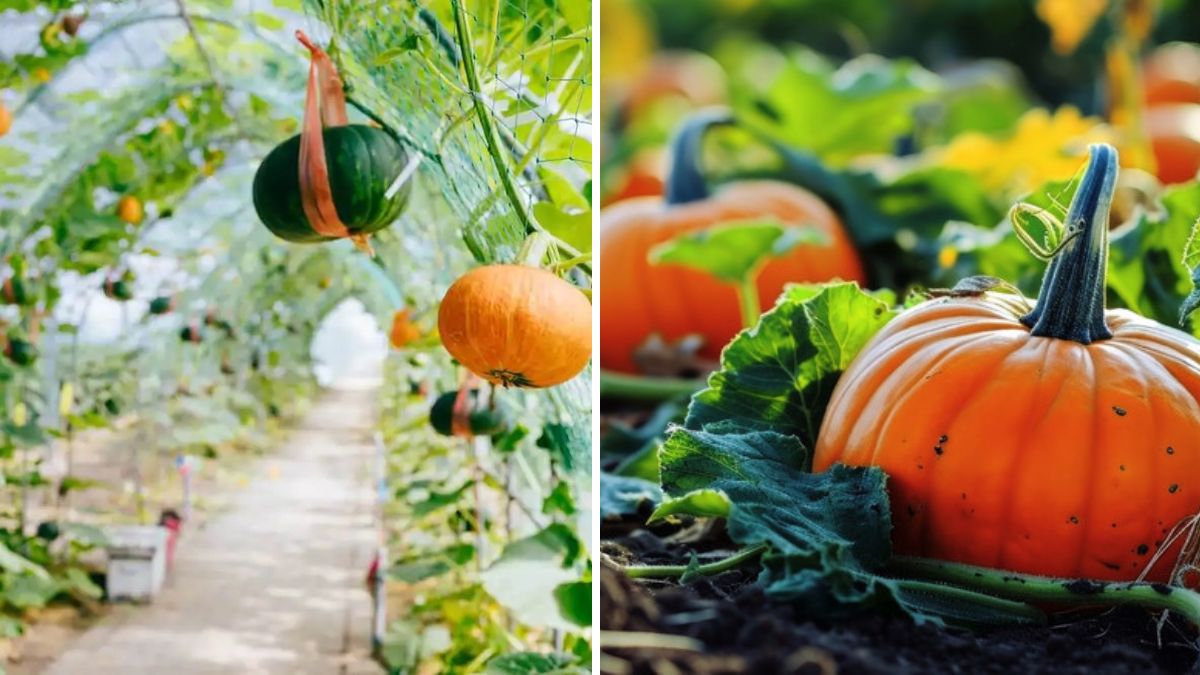
Pumpkins are one of the most popular and versatile crops grown worldwide. From delicious curries and soups to decorative uses and nutrient-packed seeds, pumpkins offer endless benefits. But what makes pumpkin cultivation even more exciting is how easy, productive, and profitable it can be when done correctly. With the right techniques, the pumpkin crop has very good potential to reward you with huge fruits, continuous harvests, and strong market demand.
In this detailed guide, we explore why pumpkin crops thrive so well and how you can grow them successfully—whether you have a large farm or just a small garden. This 1200-word comprehensive article will give you step-by-step guidance, effective methods, and expert tips to ensure your pumpkin harvest is truly impressive.
1. Why Pumpkin Crop Has Very Good Potential
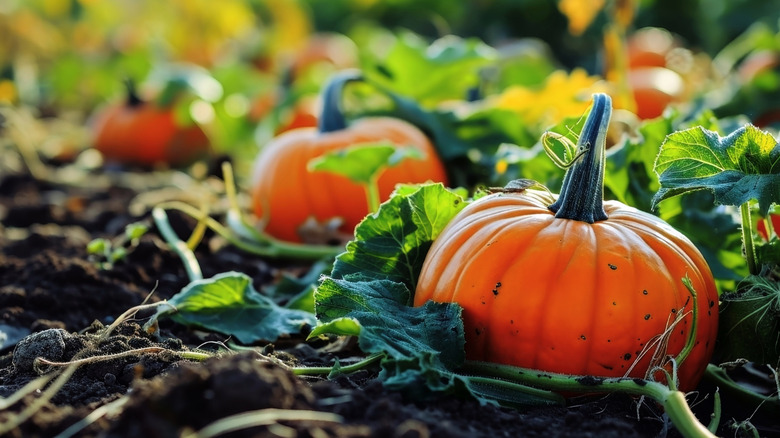
Pumpkins are fast-growing, adaptable, and highly productive. They thrive in various climates, making them a favourite among farmers and home gardeners.
✔ High Yield Per Plant
One healthy pumpkin vine can produce several large fruits. With proper care, the yield is extremely satisfying.
✔ Strong Market Demand
Pumpkin is used year-round in households, restaurants, temples, and festivals. This makes it a profitable crop for farmers.
✔ Low Maintenance for Big Rewards
Compared to other vegetables, pumpkins require less attention and are more resistant to pests and diseases.
✔ Grows Well in Poor Soil
Pumpkins can grow even in moderate-quality soil as long as organic matter is added.
✔ Long Shelf Life
Harvested pumpkins can be stored for weeks or months, reducing waste and increasing earning potential.
These advantages make pumpkin cultivation very attractive for anyone looking to grow a productive and rewarding crop.
2. Choosing the Right Pumpkin Variety
The secret to a good pumpkin crop starts with choosing the right variety for your region.
🌱 Popular Pumpkin Types
- Sugar Pumpkin: Sweet, rich flavour; ideal for baking.
- Field Pumpkin: Large fruits used for cooking and decoration.
- Hybrid Pumpkins: High-yield varieties designed for commercial farming.
- Green/Indian Pumpkin: Common in Asian cooking; fast-growing and hardy.
When selecting a variety, consider:
- Climate of your region
- Intended use (home consumption, market sale, decoration)
- Available growing space
3. Soil Preparation: The Foundation of a Healthy Crop
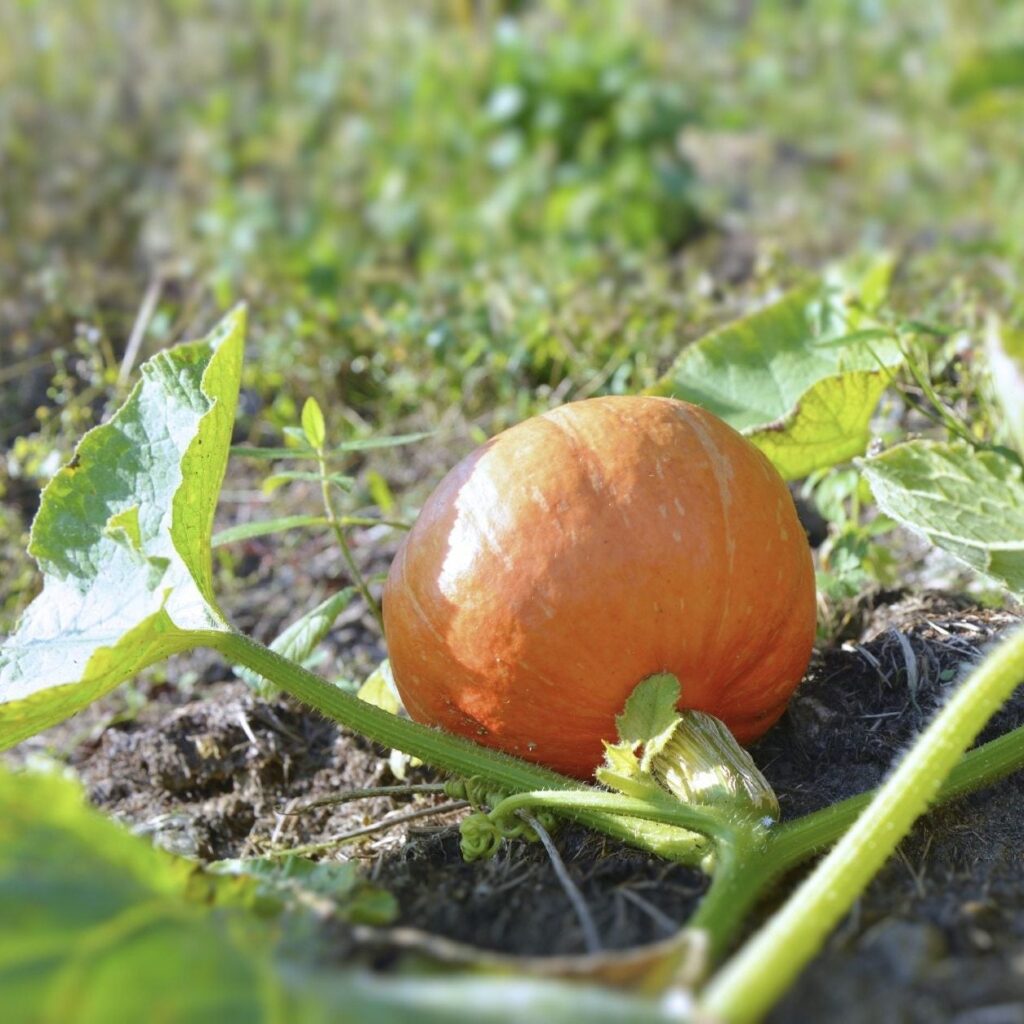
Pumpkins love nutrient-rich, loose, and well-drained soil. Their roots spread deep, so preparing the soil well ensures high yields.
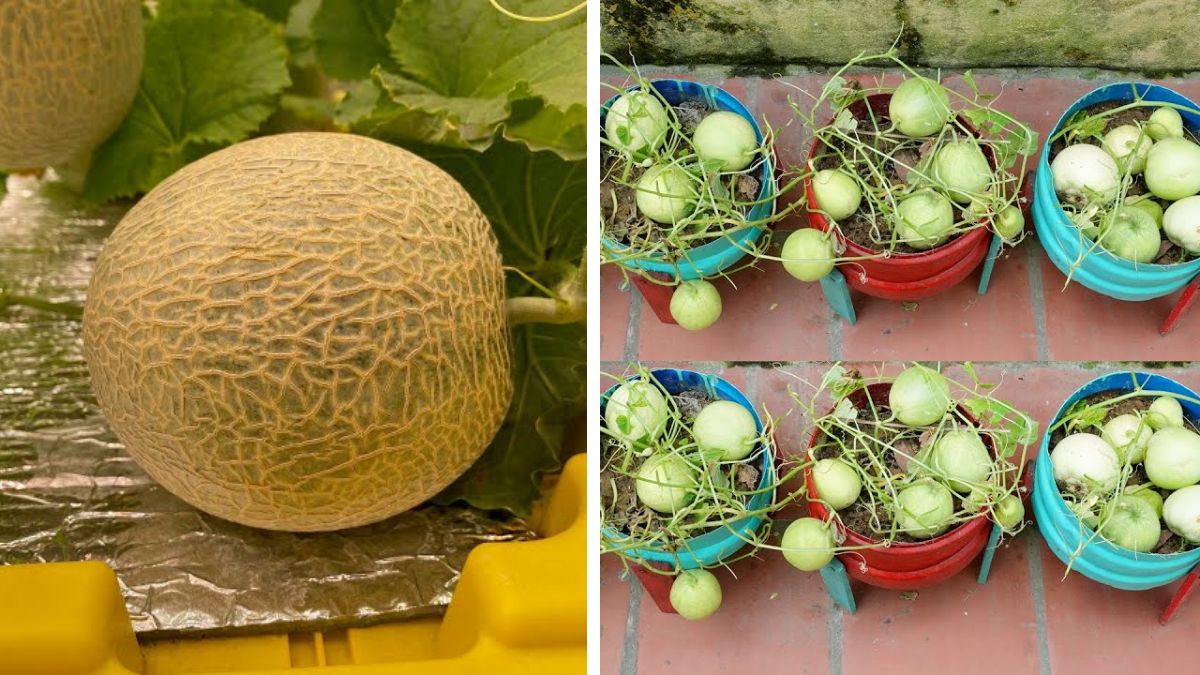
✔ Ideal Soil Characteristics
- pH level: 6.0–7.5
- Loamy soil high in organic matter
- Good drainage
✔ How to Prepare Soil
- Add 3–5 kg of compost or cow dung per planting pit.
- Mix in ash or bone meal for extra phosphorus.
- Loosen the soil 12–15 inches deep.
- Create small raised mounds to prevent waterlogging.
Pumpkins feed heavily, so rich soil produces stronger vines and bigger fruits.
4. Planting Pumpkins: Seeds or Seedlings?
Pumpkins grow best when sown directly from seeds, as their roots dislike being disturbed.
🌱 How to Plant Pumpkin Seeds
- Sow seeds 1 inch deep.
- Plant 2–3 seeds per pit or mound.
- After germination, keep the healthiest seedling.
- Provide 3–4 feet spacing between plants.
🌱 Best Season for Planting
Pumpkin seeds sprout quickly in warm weather.
The ideal temperature: 20–30°C
Planting seasons vary by region but generally include:
- Early spring
- Start of monsoon
- Late summer
5. Watering for Strong and Fast Growth
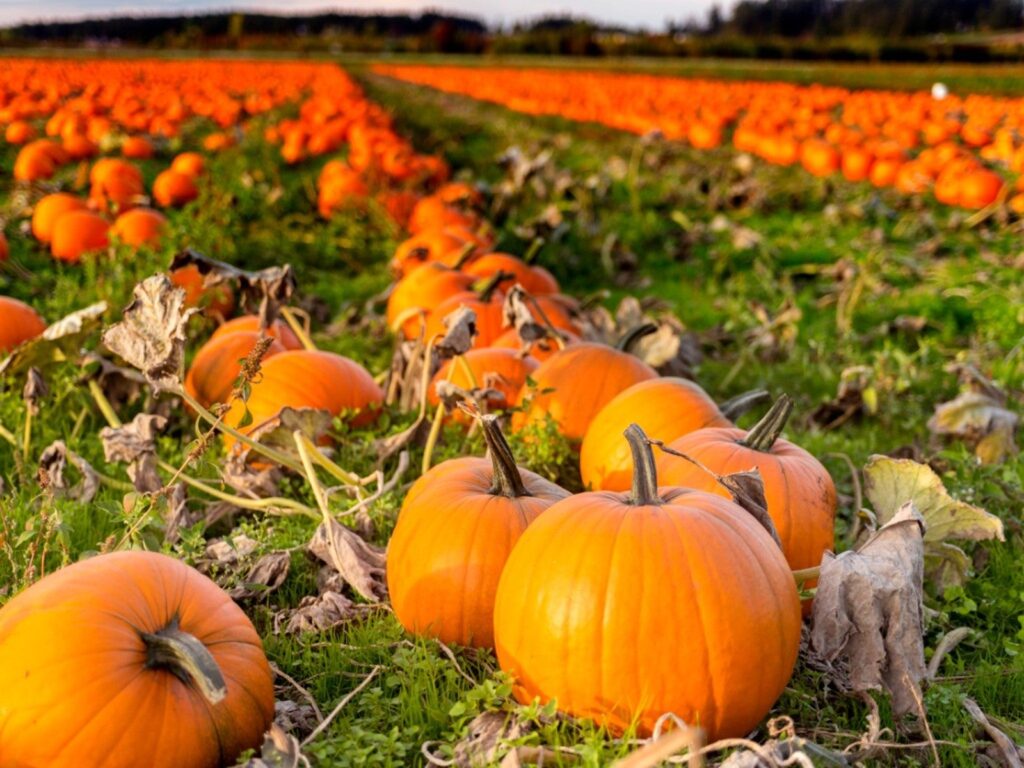
Pumpkin plants love moisture, especially during the growth phase and fruit formation.
✔ Watering Tips
- Water deeply 2–3 times a week.
- Avoid wetting the leaves to reduce fungal diseases.
- Increase watering during flowering and fruiting.
- Mulch heavily with dry grass or leaves to retain moisture.
Avoid overwatering—waterlogging stops root growth and leads to rot.
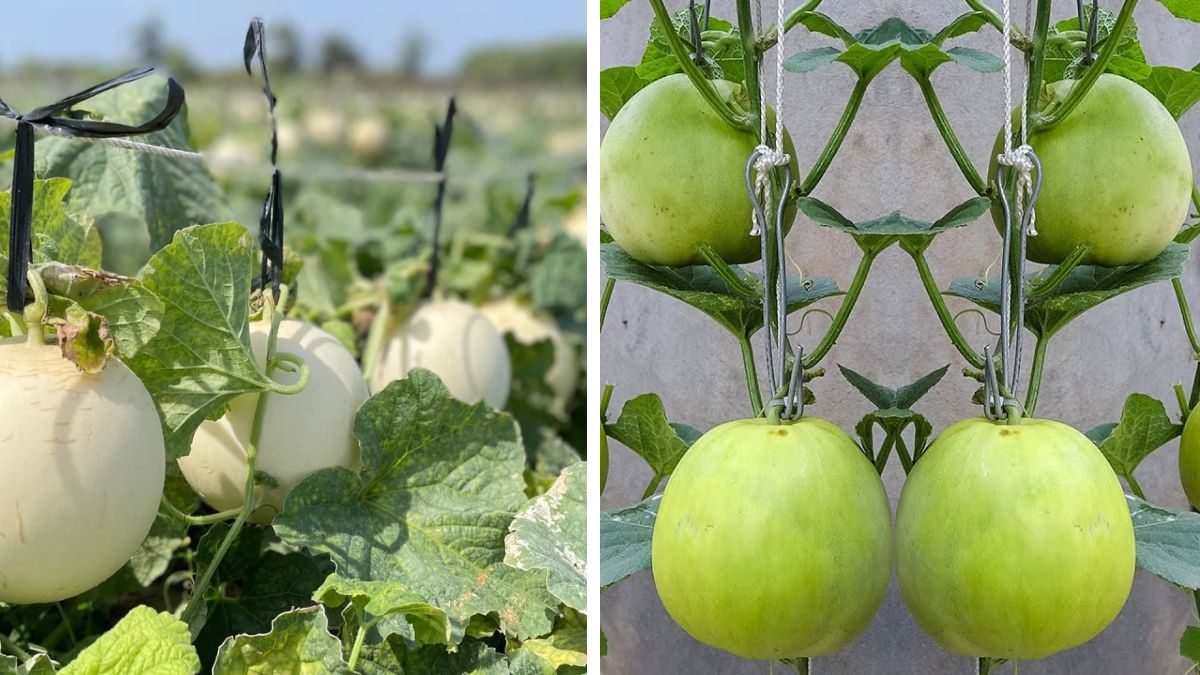
6. Fertilizing the Pumpkin Crop
Pumpkins are heavy feeders, which means they need regular nutrition to grow large fruits.
🔸 Organic Fertilizer Options
- Well-rotted compost
- Cow dung manure
- Poultry manure (careful with quantity)
- Neem cake for pest prevention
- Vermicompost
🔸 Homemade Liquid Fertilizers
- Compost tea
- Jaggery-based microbial solution
- Banana peel fertilizer (rich in potassium)
📅 Fertilizing Schedule
- At planting: Add compost + bone meal
- After 20–25 days: Add vermicompost + mulch
- At flowering: Feed liquid fertilizers
- During fruiting: Add potassium-rich fertilizers
Balanced nutrition = more flowers, more fruits, and better quality pumpkins.
7. Providing Proper Support and Space
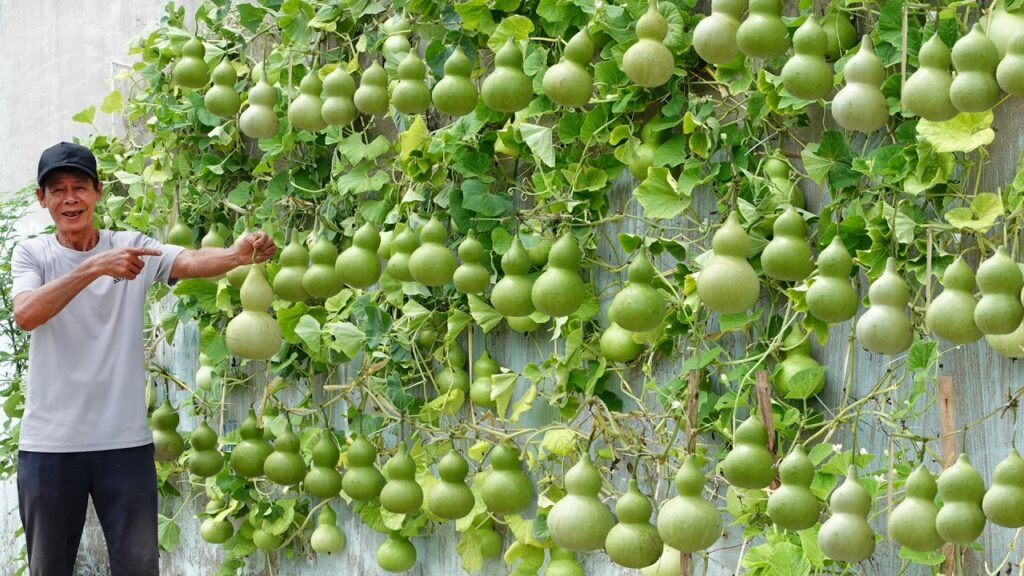
Pumpkins are vine crops, and they need space to spread.
Two Ways to Grow:
1. Ground Spreading
- Let vines run naturally.
- Good for large fields.
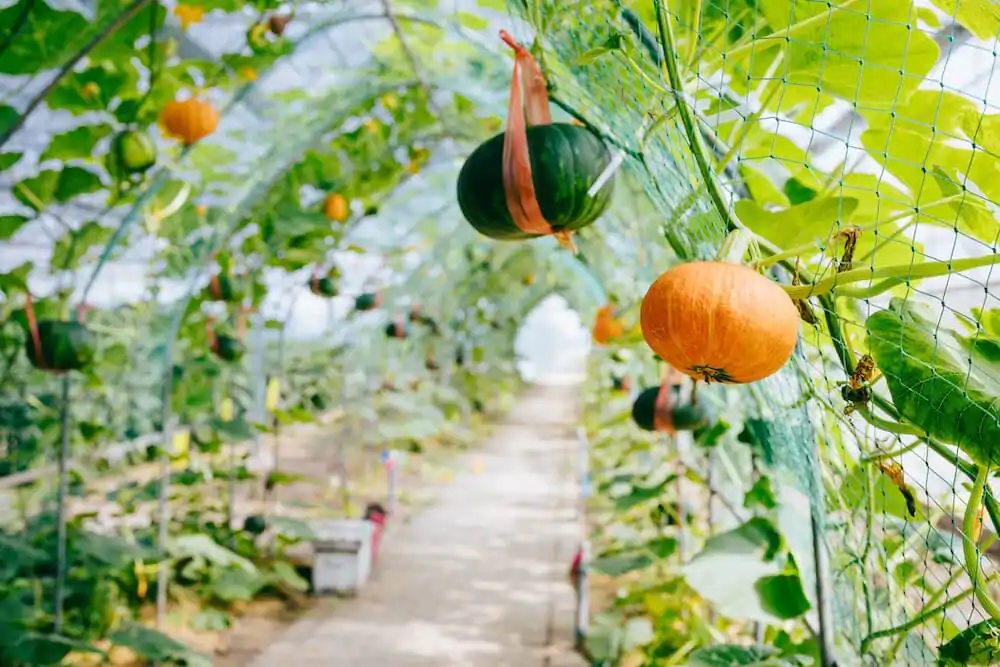
2. Trellis Growing
- Saves space
- Keeps fruits clean
- Reduces pest attacks
If growing on trellis:
- Reinforce support for heavy fruits
- Use cloth or net bags to hold hanging pumpkins
8. Flowering and Pollination: The Key to More Fruits
Pumpkin plants produce two types of flowers:
- Male flowers (first to appear)
- Female flowers (produce fruits)
✔ Improving Pollination
- Plant near bee-friendly flowers
- Water plants early morning
- Avoid chemical sprays during flowering
- Hand-pollinate early in the morning if bees are fewer
Healthy pollination ensures more fruits per vine.
9. Common Pests and Diseases & How to Control Them
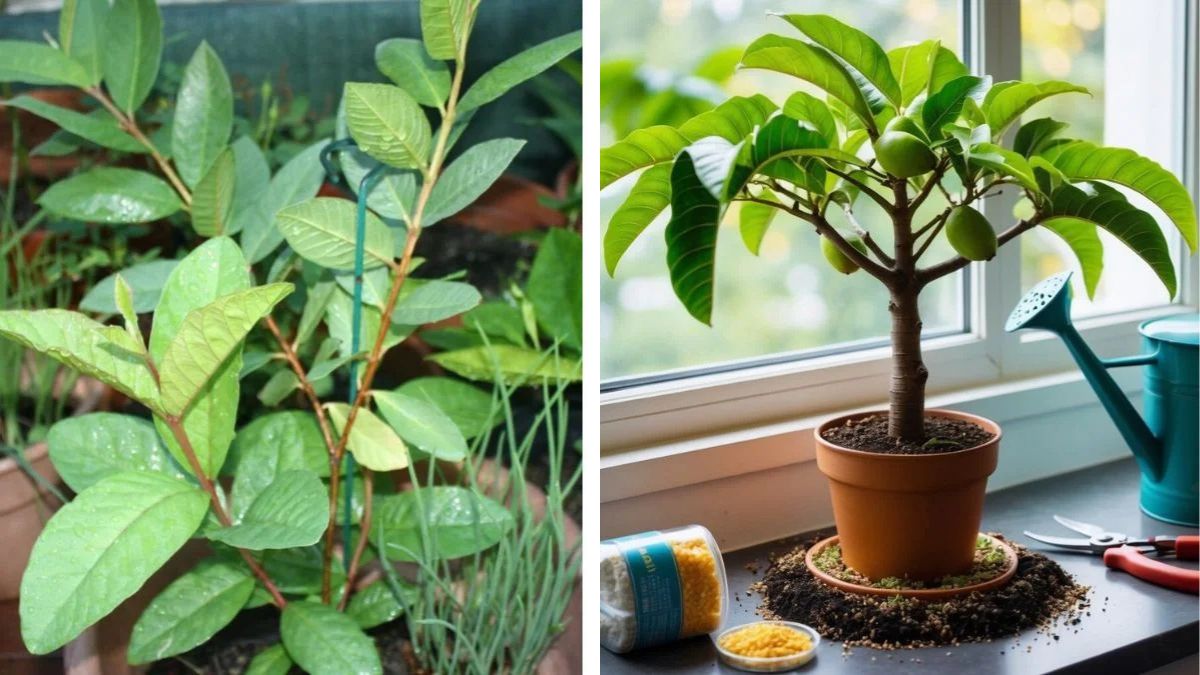
Pumpkin crops are strong, but they may occasionally face pests.
🐛 Common Pests
- Fruit flies
- Beetles
- Aphids
- Caterpillars
🌿 Organic Pest Control
- Neem oil every 10 days
- Garlic–chili spray
- Soap water for aphids
- Yellow sticky traps for flying pests
🌱 Diseases
- Powdery mildew
- Downy mildew
- Leaf spot
To prevent diseases:
- Provide good spacing
- Avoid watering leaves
- Improve airflow
- Remove infected leaves immediately
10. Fruit Development and Care
Once small pumpkins begin to form:
- Place a flat stone or plank under them to avoid rot.
- Reduce nitrogen fertilizers.
- Increase potassium for size and sweetness.
- Allow only 2–3 fruits per vine for bigger pumpkins.
Prune excess vines to direct the plant’s energy to fruit growth.
11. Harvesting Pumpkins at the Right Time
Pumpkins are ready to harvest when:
- The skin becomes hard and changes to variety-specific color.
- The stem begins to dry.
- They sound hollow when tapped.
Cut the fruit with a small stem attached. Avoid pulling—it can damage the vine.
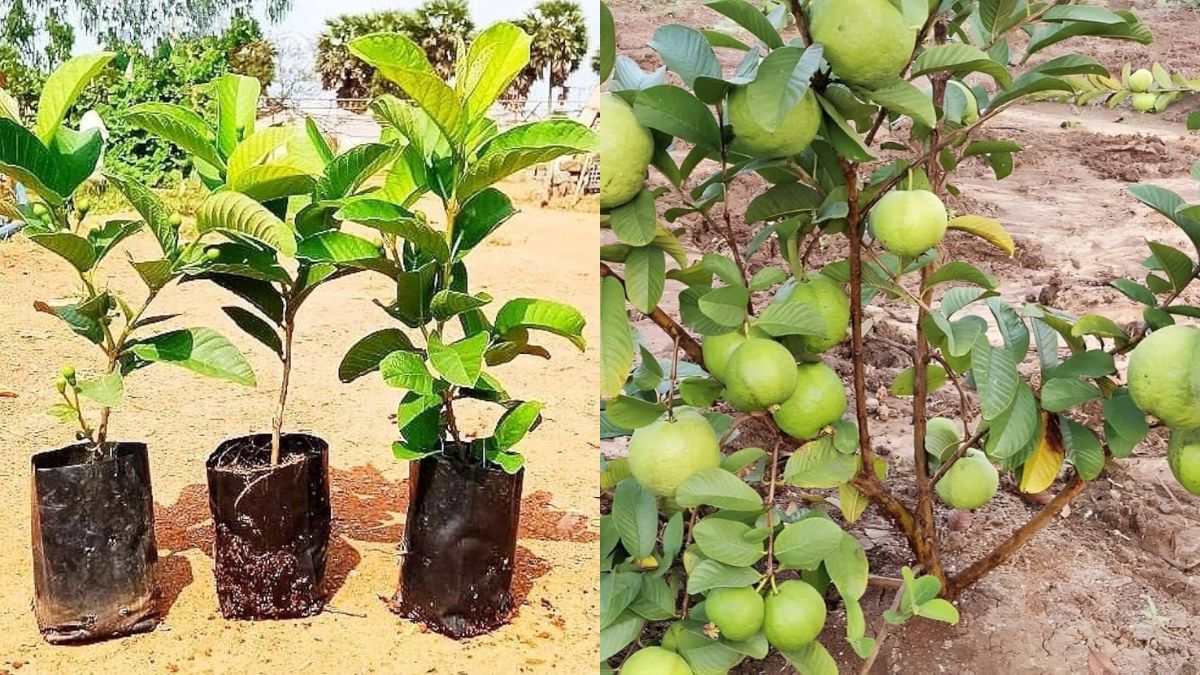
✔ Post-Harvest Storage
Store pumpkins in a cool, dry place.
They can last 2–6 months without spoiling!
12. Why Pumpkin Crop Gives Very Good Results
When grown correctly, pumpkins offer:
- High yield
- Low cost of cultivation
- Long storage life
- Continuous demand
- Multiple uses (cooking, seeds, fodder, decoration)
This combination makes pumpkin farming one of the most reliable, profitable, and easy-to-manage crops.
Conclusion
Pumpkin cultivation is one of the most rewarding experiences for both beginners and experienced growers. With rich soil, proper watering, enough sunlight, and organic care, the pumpkin crop has very good potential to bless you with big, healthy, and abundant harvests. Whether you grow pumpkins for your family or for commercial farming, following the techniques in this guide will guarantee success.
If you’d like, I can also create: