Cucumbers are among the easiest, fastest, and most rewarding vegetables to grow—especially if you know the right techniques. Whether you’re gardening in pots, a backyard, or even on a balcony, cucumbers can thrive beautifully when given the right care. Their refreshing crunch and hydrating flavor make them a must-have in every home garden.
In this detailed guide, you’ll discover everything you need to grow cucumbers well—from seed selection and soil preparation to watering, pests, trellising, and harvesting. By the end, you’ll be ready to grow strong, disease-resistant plants that yield basket after basket of fresh cucumbers.
1. Choosing the Right Cucumber Variety
Choosing the right type of cucumber is the first step toward a successful harvest. Cucumbers are mainly divided into two groups:
1. Slicing Cucumbers
Perfect for salads, sandwiches, and fresh eating.
Examples: Poinsett, Marketmore, Ashley.
2. Pickling Cucumbers
Shorter cucumbers with bumpy skin.
Examples: Boston Pickling, Calypso.
Climbing vs. Bush Types
- Climbing varieties are ideal for trellises and vertical gardens.
- Bush varieties work well in pots and small spaces.
Select a variety based on your space and purpose. If you’re new to growing, choose disease-resistant hybrids for better success.
2. Preparing the Soil: The Foundation of Healthy Growth
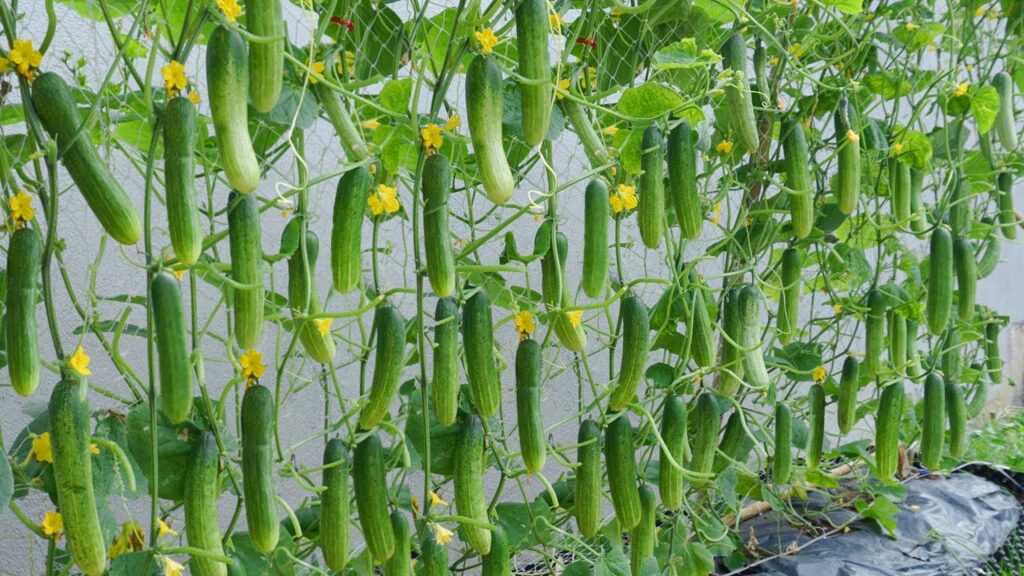
Cucumbers love loose, fertile, well-draining soil. Poor soil equals poor harvest.
Here’s how to prepare perfect soil:
Ideal Soil Mix
- 40% garden soil
- 30% compost
- 20% cocopeat or leaf mulch
- 10% sand for better drainage
Why This Mix Works
- Compost provides nutrition.
- Cocopeat retains moisture without waterlogging.
- Sand improves root growth.
- Garden soil stabilizes the mix.
A soil pH between 6.0 and 7.0 is ideal.
Before planting, enrich the soil with organic fertilizers like:
- Cow dung manure
- Vermicompost
- Neem cake (to prevent soil pests)
3. Sowing Seeds the Right Way
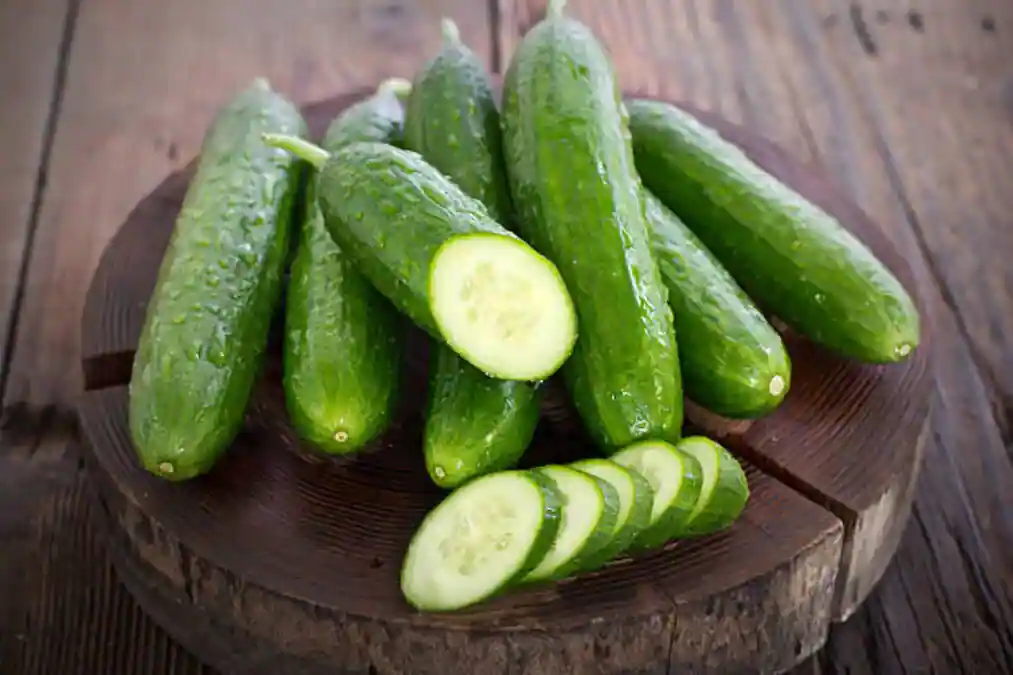
You can directly sow cucumber seeds because they germinate quickly, usually within 3–7 days.
Steps for Sowing Seeds
- Make small holes 1–1.5 inches deep.
- Drop 1–2 seeds in each hole.
- Cover lightly with soil.
- Water gently.
- Keep the soil evenly moist until seeds sprout.
Spacing
- Ground planting: 2–3 feet between plants
- Container growing: Use at least 12–16 inch pots
4. Watering: The Key to Juicy Cucumbers
Cucumbers contain over 95% water, so proper watering is crucial.
Watering Tips
- Keep the soil consistently moist, not soggy.
- Water deeply 3–4 times a week in summer.
- Avoid wetting the leaves to reduce fungal infections.
- Mulch around the plant to retain moisture.
Sudden water shortage can cause bitter-tasting cucumbers—so be consistent!
5. Providing Support: Why Trellising is a Game-Changer
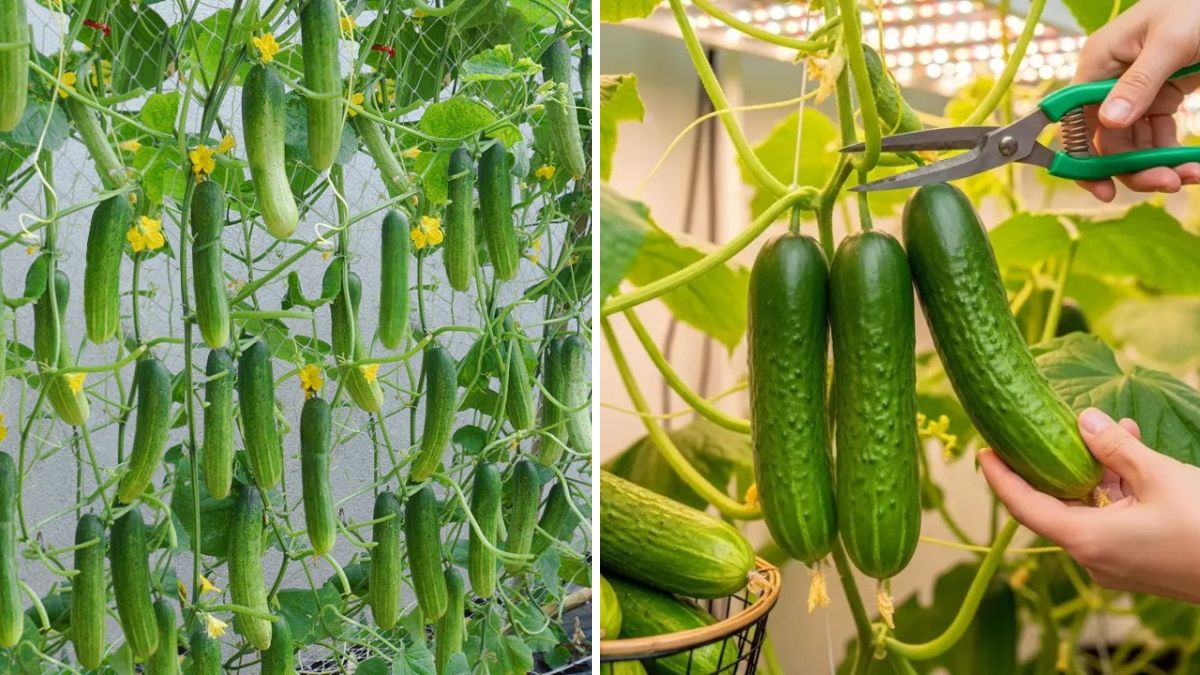
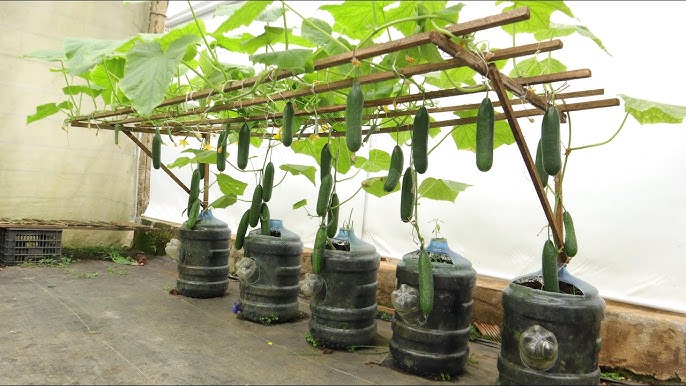
Growing cucumbers on a trellis brings many benefits:
- Healthier plants
- Cleaner fruits
- More airflow
- Better sunlight exposure
- Less pest attack
Trellis Ideas
- Bamboo pole structure
- Net trellis
- Wire frame
- Balcony railings
Training vines upward ensures long, straight cucumbers that grow beautifully.
6. Feeding Your Plants: Organic Fertilizers for Heavy Yield
Cucumbers are heavy feeders. To keep the plant energetic, provide regular feeding every 15–20 days.
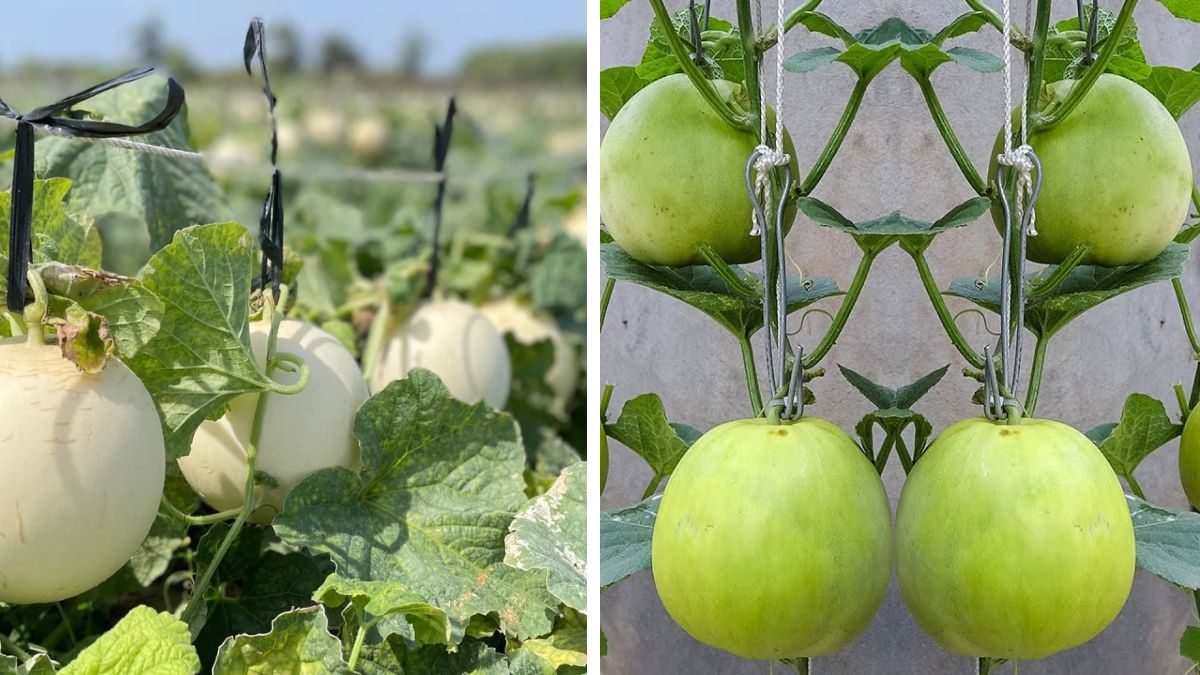
Best Organic Fertilizers
- Vermicompost – Overall growth booster
- Banana peel fertilizer – Potassium for fruit formation
- Seaweed extract – Strong roots and disease resistance
- Cow dung manure – Improves foliage and flowering
- Wood ash – Prevents blossom-end rot
A balanced fertilizer routine ensures continuous flowering and fruiting.
7. Managing Pests & Diseases: Keep Plants Safe Naturally
Cucumbers can be attacked by pests like:
Common Pests
- Aphids
- Whiteflies
- Spider mites
- Cucumber beetles
Natural Solutions
- Neem oil spray (weekly)
- Garlic-ginger-chili spray
- Soap water spray for aphids
Common Diseases
- Powdery mildew
- Downy mildew
- Bacterial wilt
Preventive Measures
- Keep good spacing
- Avoid overhead watering
- Ensure sunlight & airflow
- Remove infected leaves immediately
8. Pollination: The Secret Behind Fruit Formation
Cucumber plants produce male and female flowers.
Female flowers have a small mini cucumber behind them.
Male flowers are simple blooms without fruit.
Bees and natural pollinators help with pollination.
But if pollination is low, you can hand-pollinate:
How to Hand-Pollinate
- Pick a male flower.
- Remove its petals.
- Touch the pollen to the center of the female flower.
- Done!
This ensures higher fruit formation.
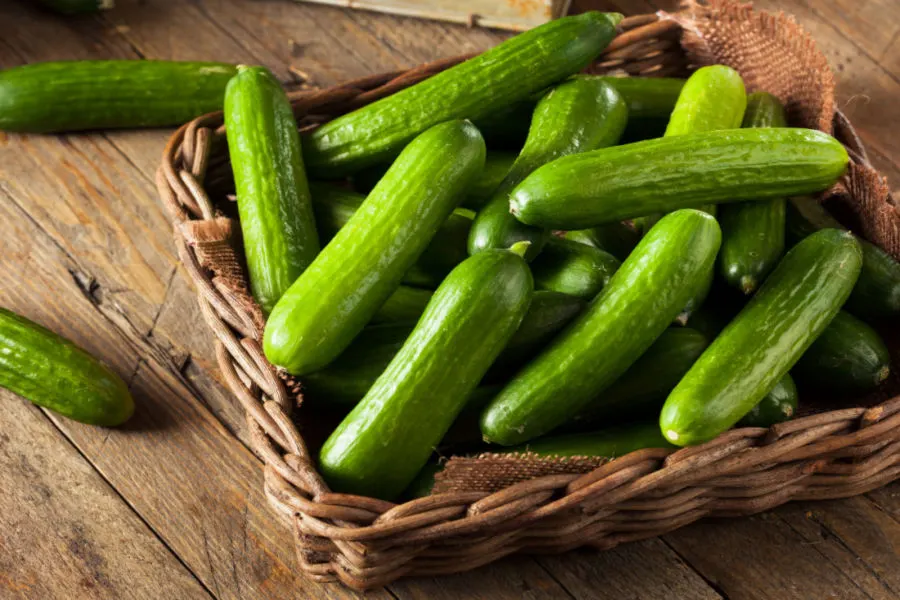
9. Harvesting: The Rewarding Moment
You can start harvesting cucumbers 45–60 days after planting.
Harvesting Tips
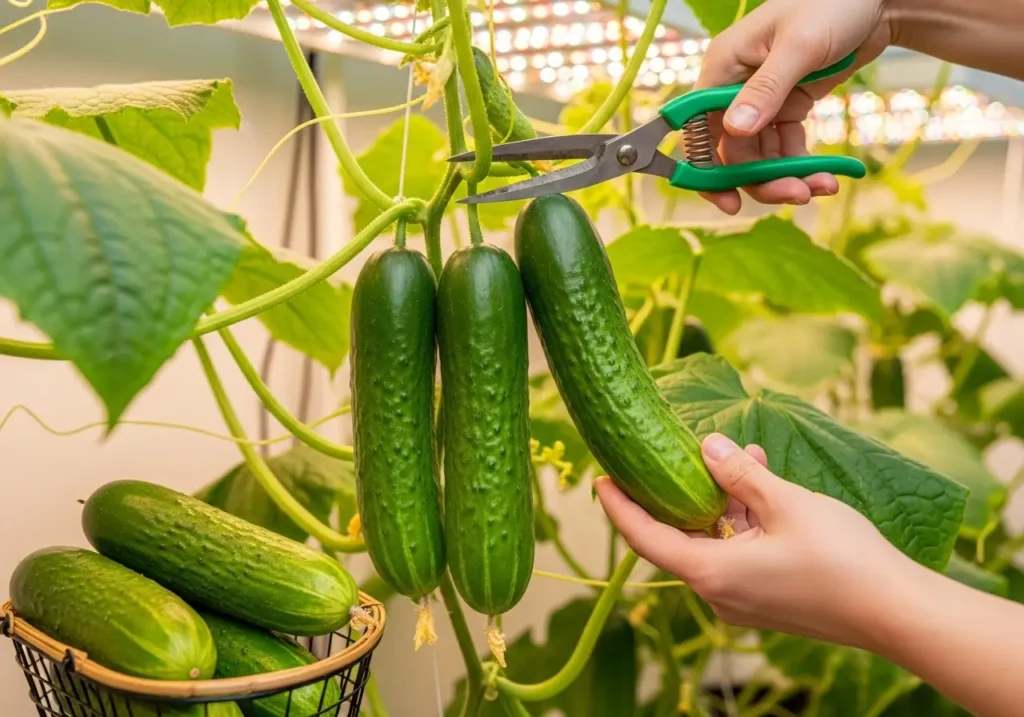
- Pick when fruits are firm, green, and 6–8 inches long.
- Don’t allow fruits to over-ripen—they reduce plant productivity.
- Harvest regularly to encourage new fruit formation.
A healthy cucumber plant can produce 20–30+ cucumbers in a season!
10. Extra Tips to Grow Cucumbers Exceptionally Well
- Plant cucumbers in warm weather (March–September).
- Rotate crops yearly to avoid soil diseases.
- Use drip irrigation for consistent moisture.
- Mix neem cake in soil every month as a preventive measure.
- Add compost tea every 10 days for fast growth.
These simple steps can transform average cucumber growth into extraordinary results.
Conclusion
Growing cucumbers well is not difficult—you simply need the right approach. With proper soil, support, water, and nutrition, cucumber plants grow quickly and produce a large supply of fresh, crunchy fruits. Whether you’re a beginner or an experienced gardener, these methods will help you maximize growth and enjoy a continuous harvest throughout the season.
Start today, and within a few weeks, you’ll see vines climbing, flowers blooming, and cucumbers forming—your own homegrown success story!