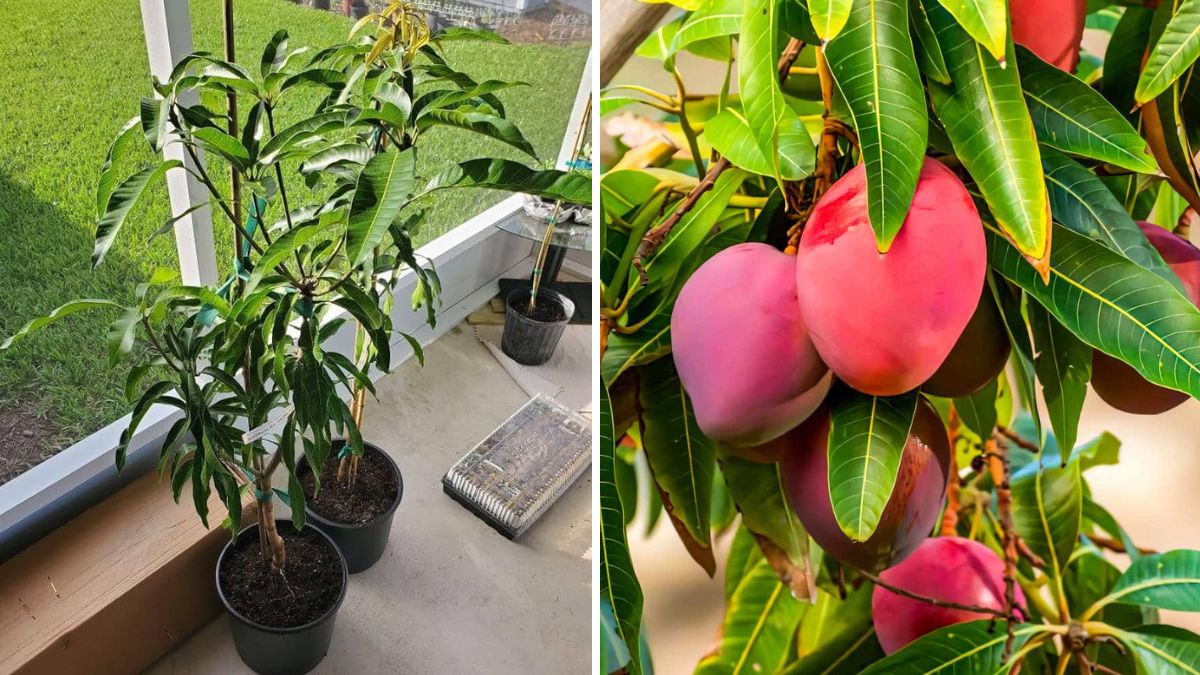
Mango, known as the King of Fruits, is loved worldwide for its irresistible sweetness, rich aroma, and juicy flesh. Growing your own mango tree is a dream for many gardeners, but traditional methods—like growing from seed—often take too long or fail to produce fruits of the desired quality.
Fortunately, there is a great technique for propagating mango that ensures fast growth, disease resistance, and early fruiting: air layering (marcoting) combined with proper aftercare.
This article dives deep into this highly successful method, giving you the steps, science, advantages, and expert tips to help you grow strong, healthy mango trees easily at home.
🌳 Why Choose a Better Propagation Technique?
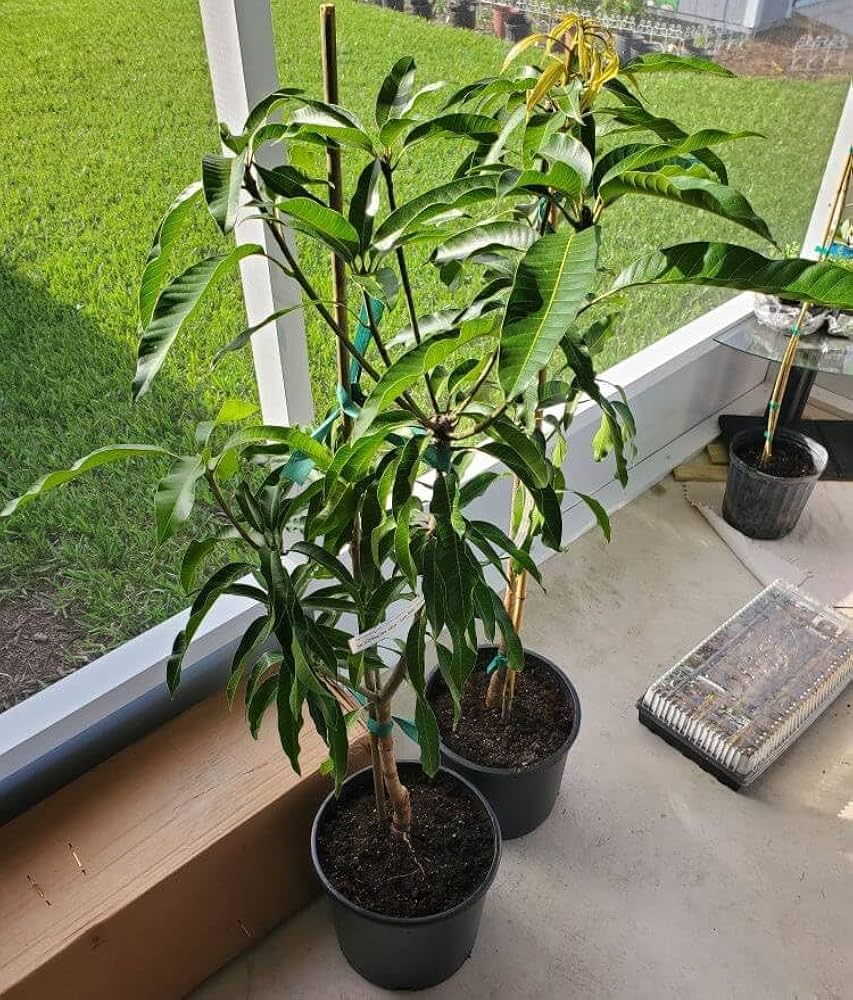
While mango trees can be grown from seeds, there are drawbacks:
- Seed-grown trees take 6–10 years to fruit.
- They may not produce fruits identical to the parent tree.
- Growth can be slow and unpredictable.
With air layering, you can replicate the parent tree exactly, ensuring:
- Faster growth
- Higher fruit quality
- Better adaptability
- Early fruit production
- Shorter tree height for easy maintenance
This makes air layering one of the most reliable techniques for home gardeners.
🍃 What Is Air Layering?
Air layering (also called marcoting) is a propagation method where you induce root growth on a branch while it is still attached to the mother tree.
Once roots develop, the branch is cut off and planted like a new tree.
This gives you a genetically identical clone of the parent mango tree—strong, productive, and reliable.
🌱 Step-by-Step Guide: A Great Technique for Propagating Mango Through Air Layering
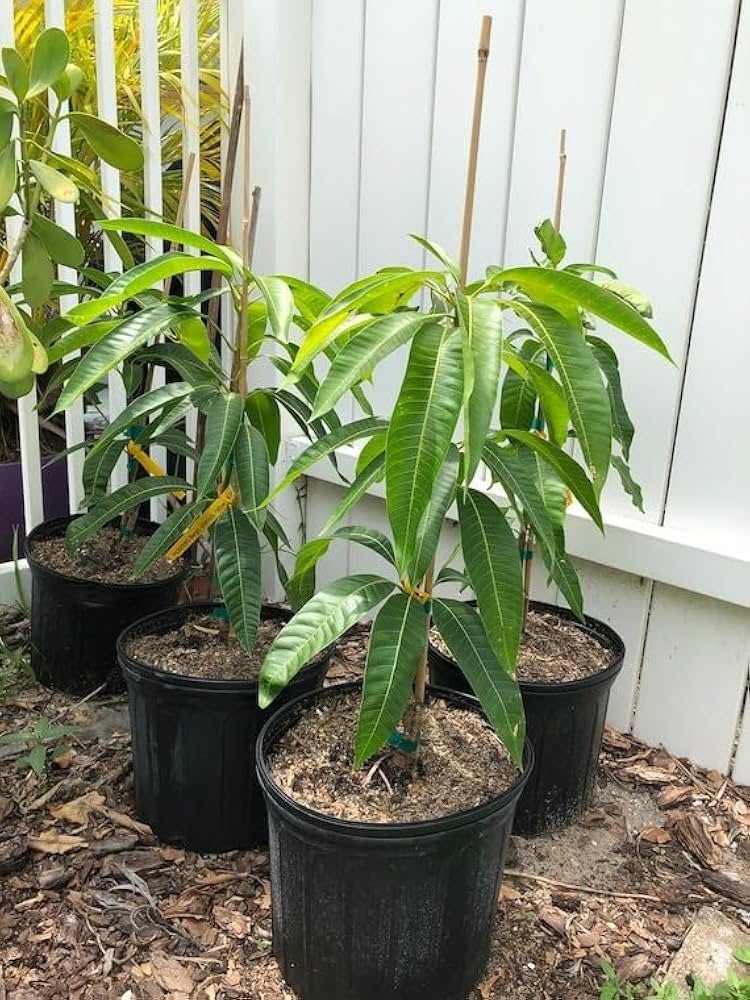
🔧 Materials Needed
- A healthy mango tree (preferably already fruiting)
- Sharp knife or pruning tool
- Cocopeat or sphagnum moss
- Compost or vermicompost
- Plastic sheet or cling wrap
- Rope, thread, or zip ties
- Rooting hormone (optional but boosts success)
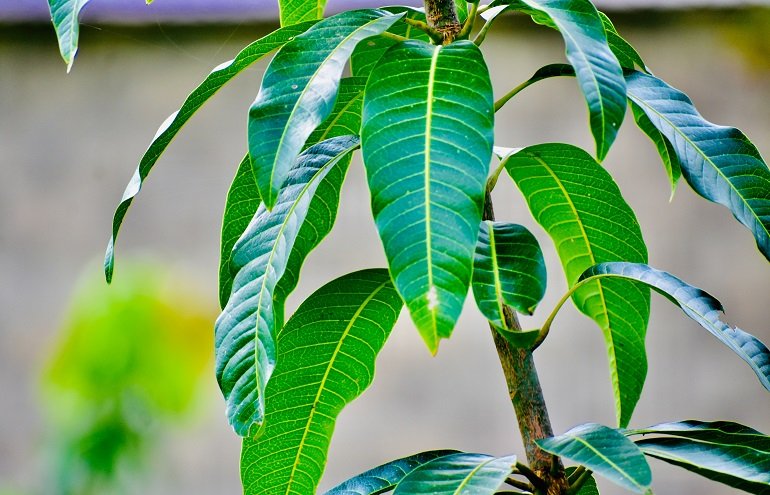
🪴 Step 1: Select the Perfect Branch
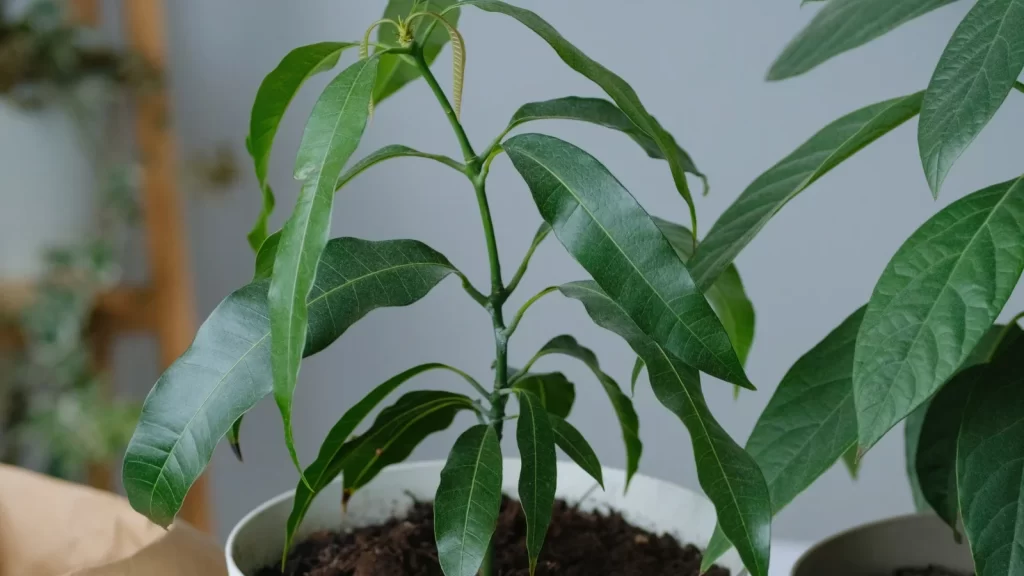
Choosing the right branch ensures the success of your propagation.
Ideal Characteristics:
- 1–2 years old
- As thick as your thumb
- Healthy, disease-free, and flexible
- With good sunlight exposure
Avoid very young, soft branches or very old, woody ones.
🔪 Step 2: Make the Girdling Cut
Girdling removes a small ring of bark to trigger root formation.
How to Do It:
- Choose a spot about 30–40 cm from the tip of the branch.
- Make two circular cuts, 1 inch apart.
- Connect them with a vertical cut.
- Remove the bark ring carefully.
- Scrape the exposed white wood slightly to prevent healing.
- (Optional) Apply rooting hormone on the exposed area.
This prevents the sap from flowing downward, encouraging root generation at the cut site.
🌿 Step 3: Prepare the Rooting Medium
Your rooting ball is the heart of this technique.
Best Medium Options:
- Cocopeat (excellent water retention)
- Sphagnum moss (light and sterile)
- A mixture of compost + soil (nutrient-rich)
Tip: Soak the medium in clean water for 30 minutes and squeeze out extra moisture—it should be damp, not dripping.
🌀 Step 4: Wrap the Medium Around the Cut
This is where roots begin to form.
Method:
- Hold the moist rooting medium around the exposed section.
- Cover it completely with a plastic sheet.
- Tie the top and bottom tightly to seal in moisture.
- Ensure no water enters the wrap during rain.
This micro-environment creates the perfect conditions for new roots to grow.
⏳ Step 5: Waiting for Root Formation
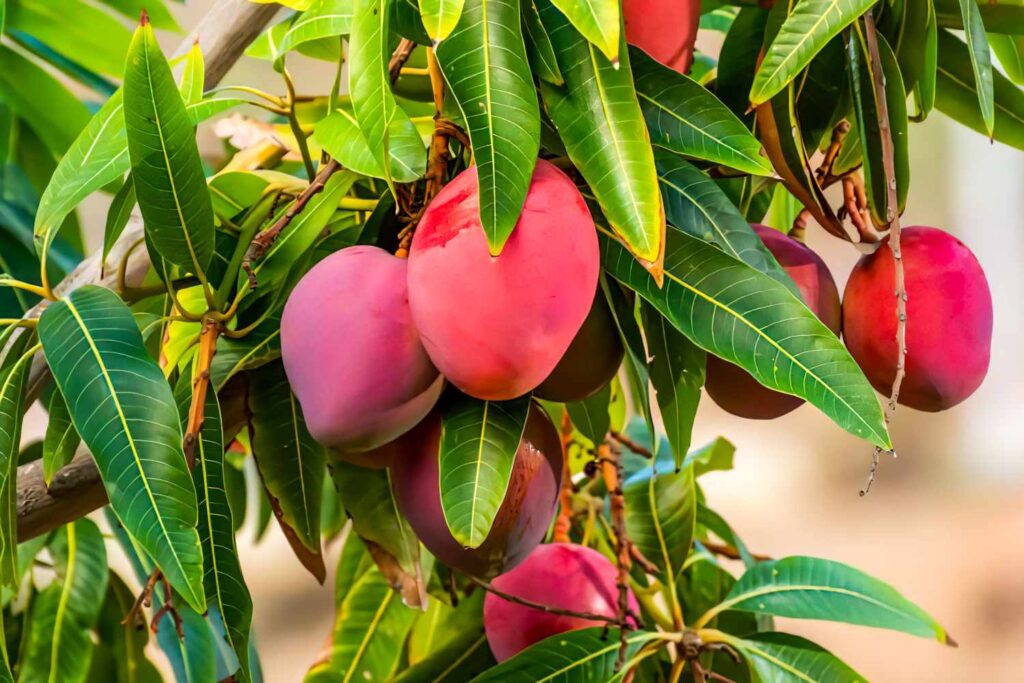
This is the patience stage—but worth the wait!
Time Required:
- 30–60 days depending on climate and temperature.
Signs of Success:
- The rooting medium becomes firm.
- Visible white or brownish roots appear through the plastic.
- The branch becomes heavy and sturdy.
In hot, humid climates, roots appear faster.
✂ Step 6: Cutting and Potting
Once roots form, it’s time to separate your new mango tree.
How to Detach:
- Cut the branch 1 inch below the root ball.
- Handle gently to avoid disturbing young roots.
Planting Instructions:
- Use a pot with good drainage.
- Fill with a soil mix of:
- 40% garden soil
- 30% compost
- 30% sand or cocopeat
- Plant the air-layered branch upright.
- Water gently but thoroughly.
Keep it in partial shade for 7–10 days to reduce stress.
🌞 Step 7: Care After Planting
Proper aftercare ensures strong establishment.
Watering:
- Keep the soil moist, not soggy.
- Water 3–4 times weekly depending on climate.
Sunlight:
- After 10 days, move to full sunlight gradually.
Fertilizing:
After 30 days, feed with:
- Neem cake
- Compost
- Liquid fertilizers (compost tea or fish emulsion)
Avoid chemical fertilizers initially—they can burn the tender roots.
🌳 Benefits of This Great Technique
Air layering offers numerous advantages:
✔ Fast Fruit Production
Air-layered mango plants fruit in 2–3 years, compared to 6–10 years for seed-grown trees.
✔ Clone of the Parent Tree
You get the same size, taste, aroma, and quality as the mother plant.
✔ Compact Tree Size
Air-layered mango trees:
- Stay shorter
- Are easier to prune
- Are perfect for home gardens
✔ High Success Rate
With proper technique, success rates can reach 80–90%.
✔ Grows Well in Pots
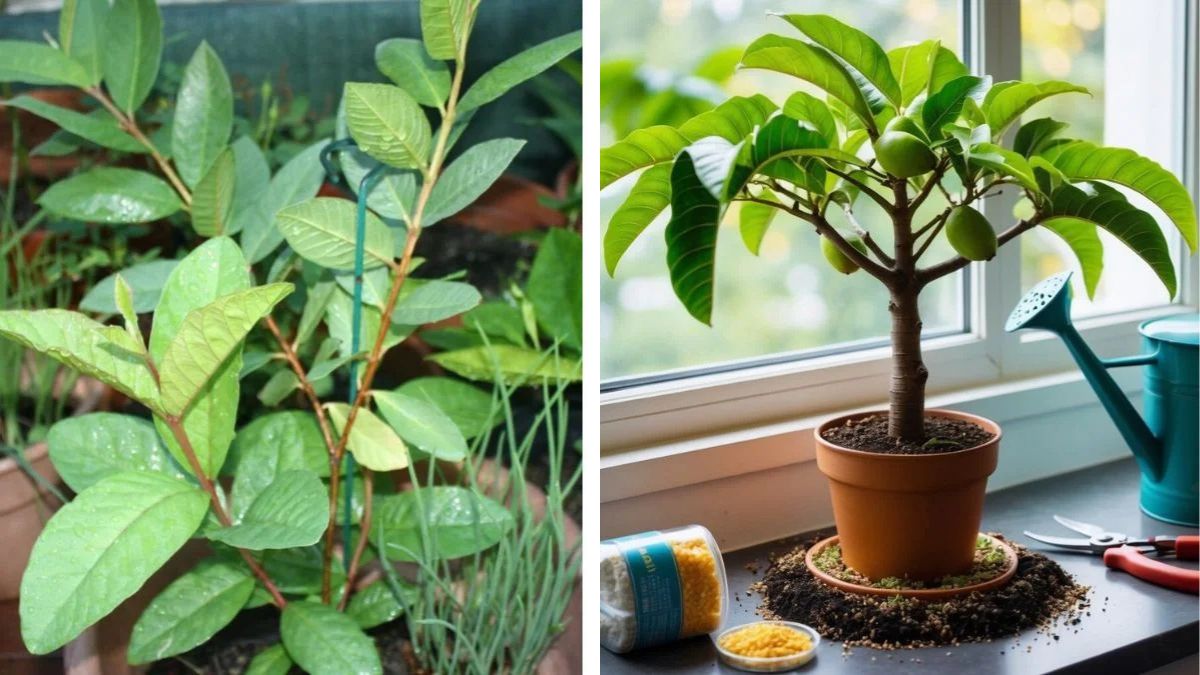
You can grow mango trees in containers if you have limited space.
✔ Disease Resistance
Using a healthy parent tree passes on strong genetic traits.
🌼 Additional Tips for Success
1. Choose the Best Season
Air layering works best during:
- Early monsoon
- Spring
- Late summer
Roots form faster in warm temperatures.
2. Keep the Root Ball Moist
Dry medium will prevent root formation.
Check moisture once a week.
3. Avoid Overwatering After Potting
Too much water can cause root rot.
4. Protect Young Plants
Use shade netting during heatwaves.
5. Prune Regularly
This encourages a bushier plant with more fruits.
🌱 Common Mistakes to Avoid
❌ Using sick or weak branches
Always pick vigorous, healthy branches.
❌ Poor sealing of the plastic wrap
Air leaks dry out the medium and kill the roots.
❌ Planting in heavy clay soil
It suffocates the young roots.
❌ Cutting too early
Always check for visible roots before cutting.
❌ Placing in strong sun immediately
Young plants burn easily—shade is essential at first.
🍋 When Will Your Mango Tree Start Fruiting?
With proper care, air-layered mango trees begin fruiting in:
2 to 3 years
That’s much faster than traditional growing methods.
Expect:
- More flowers
- Higher fruit set
- Early maturity
This technique ensures you enjoy sweet, juicy mangoes from your very own garden.
🌟 Conclusion
Propagating mango through air layering is truly a great technique for gardeners who want:
✔ Faster fruit production
✔ High-quality mango fruits
✔ Strong, healthy plants
✔ Easy, reliable propagation
✔ A mango tree suited for small spaces
With the proper steps—selecting the right branch, making a clean cut, wrapping it with a moist medium, waiting patiently for roots, and transplanting carefully—you can grow high-yield, delicious mango trees right at home.
This method is simple yet powerful, perfect for beginners and experienced gardeners alike.