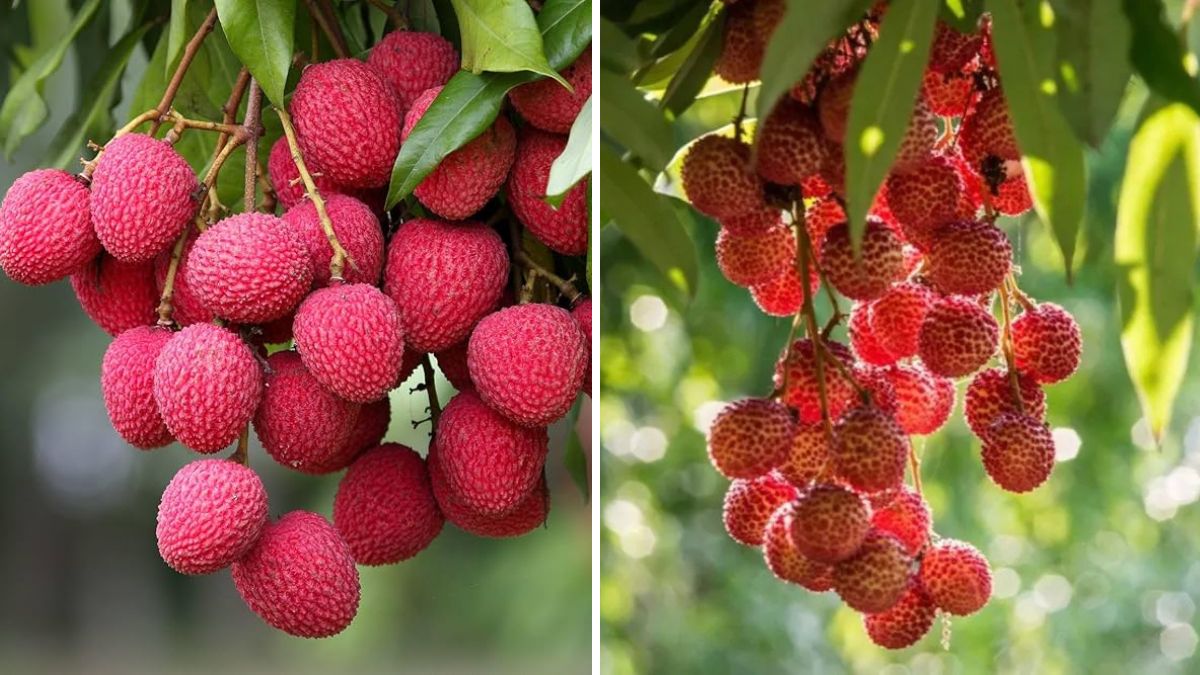
Litchi—also spelled lychee—is one of the most beloved tropical fruits in the world. Sweet, juicy, and incredibly aromatic, litchi trees usually thrive in warm and humid climates. Traditionally, they grow in tropical and subtropical regions where winters are mild and summers are long.
But what if you live in a cold region?
Can you still grow your own litchi tree?
The answer is YES — absolutely!
With the right growing techniques, proper winter protection, and a little understanding of how litchi behaves in cooler conditions, you can successfully cultivate healthy, fruit-bearing litchi plants even in cold climates.
This ultimate guide will walk you through everything you need to know — from choosing the right variety to protecting your plant from snow, frost, and chilly winds.
Let’s begin your journey to growing tropical sweetness in the cold!
🍃 Understanding Litchi’s Natural Needs
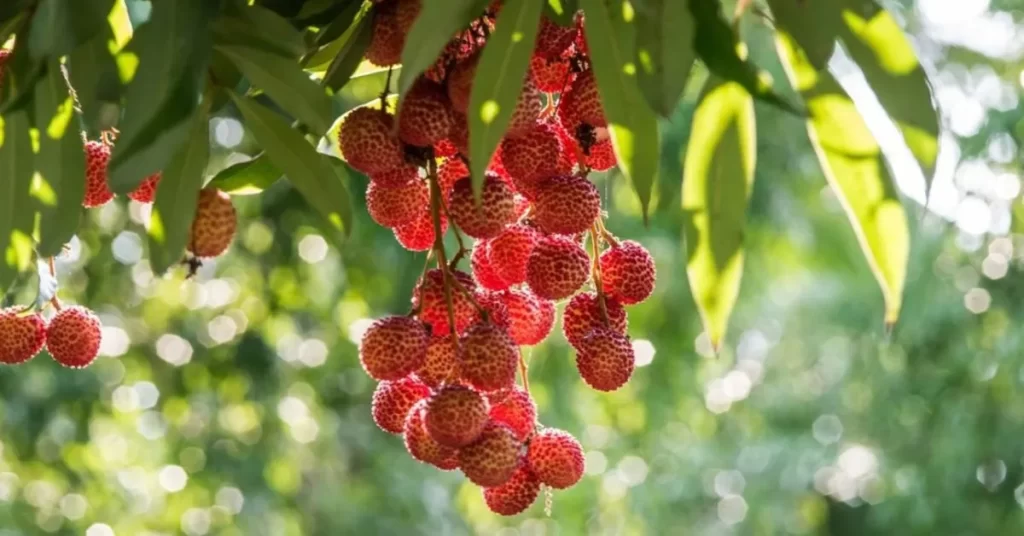
Before learning how to grow litchi in cold climates, it’s important to understand what the plant requires.
🌡 Ideal Growing Temperature
- Litchi thrives between 20°C and 35°C
- It can tolerate short cold spells
- But temperatures below 0°C can damage leaves, flowers, and young shoots
🌬 Why Cold Is Dangerous
– Frost burns tender leaves
– Freezing winds dry out the plant
– Roots can die if soil freezes
– Flowering stops if exposed to low temperatures
But don’t worry — with the right strategies, you can protect your plant and help it adapt beautifully.
🌱 Step 1: Choose the Right Litchi Variety for Cold Climates
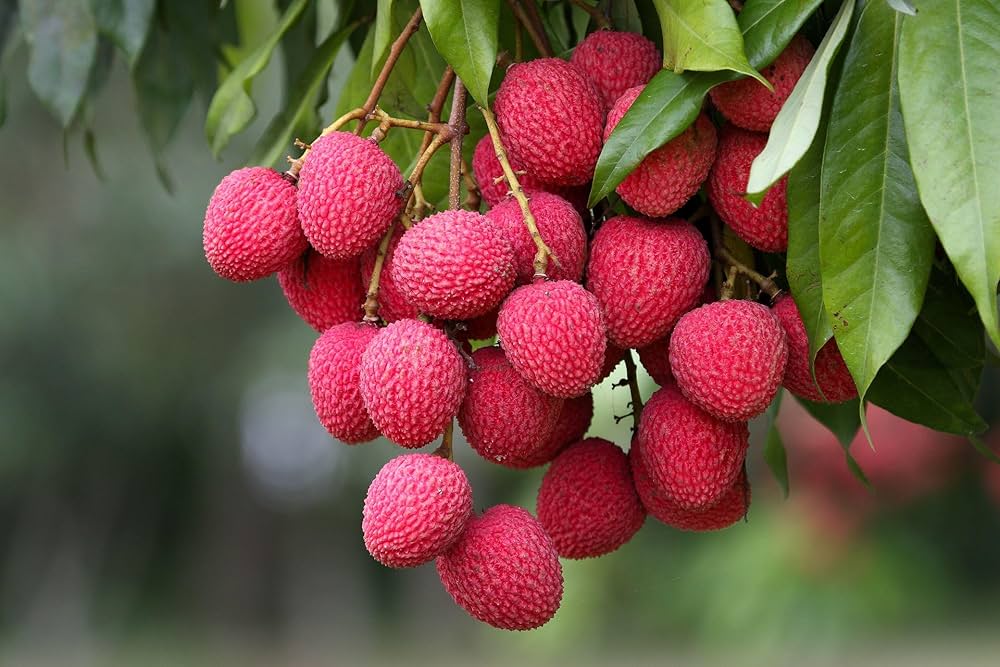
Not all litchi varieties are the same. Some are more cold-tolerant than others.
❄️ Best Cold-Hardy Litchi Varieties
- Brewster – known for its resilience and slightly higher cold tolerance
- Mauritius – tolerates cooler temperatures and fruits reliably
- Sweetheart – grows well in containers and handles mild frost
- Emperor – a dwarf variety suitable for pot growing in cold regions
Tip: If you live in a very cold climate, grow a dwarf or container-friendly variety so you can move the plant indoors during winter.
🪴 Step 2: Grow Litchi in Containers — The Smart Choice for Cold Areas
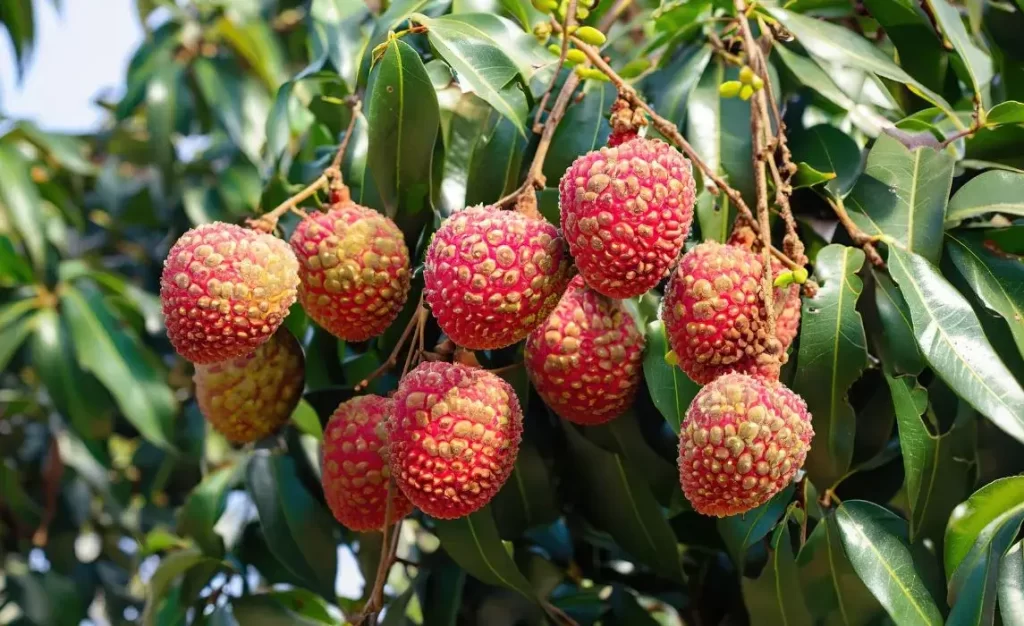
Growing litchi directly in the ground is risky in cold regions. Instead, using a large container gives you control.
✔ Container Size
- Start with a 10–12 inch pot for saplings
- Move to a 20–24 inch container after 1–2 years
- Mature plants do well in 30–40 inch pots
✔ Benefits of Growing in Pots
- Easy to move indoors during winter
- Helps protect roots from freezing
- Allows you to control soil, water, and drainage
- Reduces risk of root rot in colder months
🌍 Step 3: Use the Perfect Soil Mix for Cold Regions
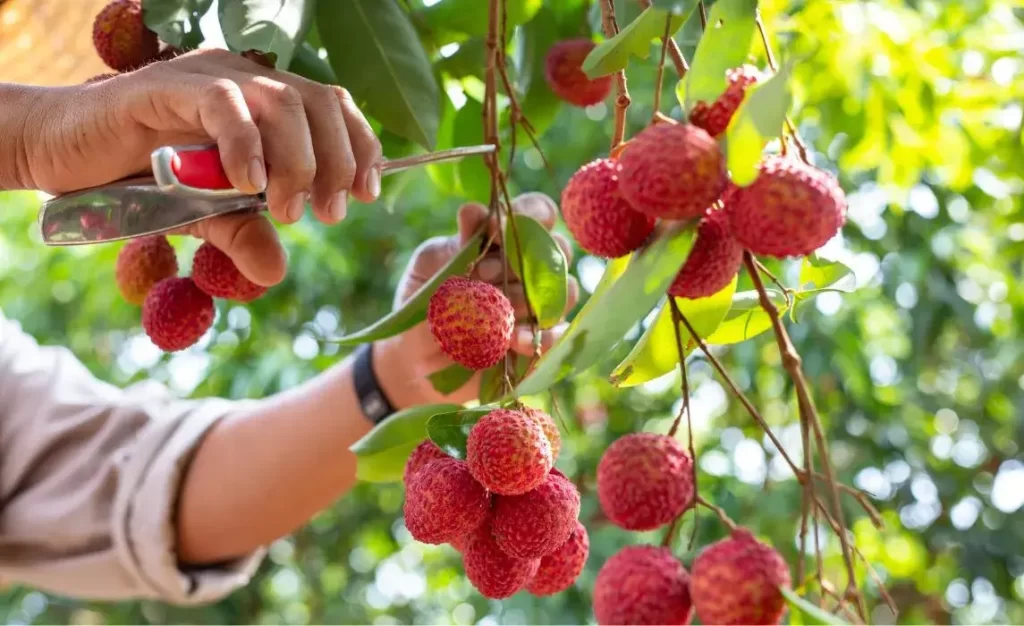
Litchi roots hate soggy, cold soil. In winter, water evaporates slowly, making soil dense and wet. That’s why a light, well-drained soil mix is essential.
🌿 Ideal Soil Recipe
- 40% garden soil
- 30% cocopeat
- 20% compost
- 10% sand or perlite
Why this mix works:
- Cocopeat keeps soil warm and airy
- Sand ensures drainage
- Compost provides nutrients for strong growth
- Light soil prevents root freezing
🌞 Step 4: Provide Maximum Sunlight
Cold regions already have weaker sunlight — so place your litchi plant where it receives the MOST light possible.
☀ Light Needs
- 6 to 8 hours of direct sunlight
- South-facing windows or balconies are ideal
- Avoid placing the plant in shade
- In winter, use grow lights to supplement sunlight indoors
The more sunlight litchi gets, the healthier it grows.
💧 Step 5: Water Carefully — Cold Weather Means Slow Drying
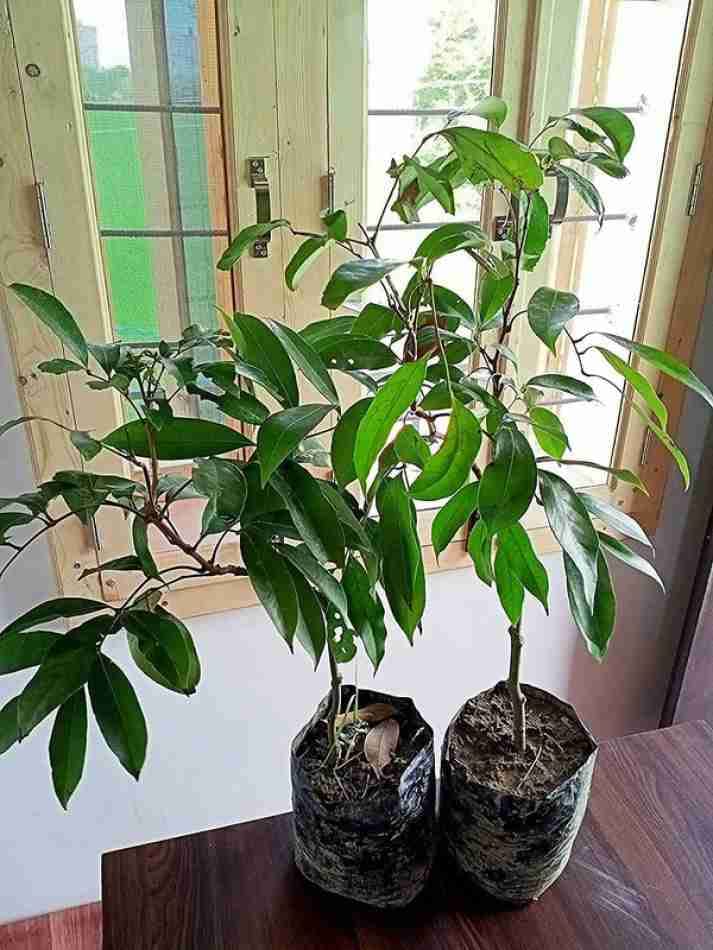
Overwatering is one of the biggest killers of litchi plants in cold climates.
✔ Watering Rule
Only water when the top 2–3 inches of soil feel dry.
In Winter:
- Reduce watering to once every 10–15 days
- Never leave water sitting in the tray
- Use lukewarm water to avoid shocking the roots
Signs of Overwatering:
- Yellow leaves
- Mold on soil
- Soft, rotting roots
- Leaf tips turning brown
Proper watering keeps the plant strong and helps it fight cold stress.
🥶 Step 6: Protect Your Litchi Plant From Frost
Winter protection is the most critical part of growing litchi in cold climates.
❄️ Methods to Protect from Frost
1. Move Indoors
- Bring potted litchi inside when temperatures drop below 5°C
- Keep near a sunny window
2. Use Frost Cloth or Plastic Covers
- Cover the plant at night
- Remove the cover in the morning
- Use breathable materials to avoid moisture buildup
3. Mulch the Soil
Add a 3–5 cm layer of:
- Dry leaves
- Wood chips
- Straw
- Cocopeat
This insulates roots from freezing.
4. Use Garden Heaters or Warm Lamps (For Extreme Cold)
- Outdoor heated bulbs
- Thermal blankets
- Small greenhouse tents
Even slight warmth can prevent major frost damage.
🌿 Step 7: Fertilize Litchi the Right Way
Litchi needs nutrients, but over-fertilization—especially in cold climates—can weaken the plant.
✔ Best Fertilizer Plan
- Apply compost every 45–60 days
- Use liquid seaweed or fish emulsion monthly
- Avoid chemical nitrogen fertilizers
- Add bone meal in spring to promote flowering
Avoid fertilizing in Winter!
Plants go dormant and cannot use nutrients properly.
🌳 Step 8: Prune and Shape Your Litchi Tree
Pruning keeps the plant compact and helps it survive winter better.
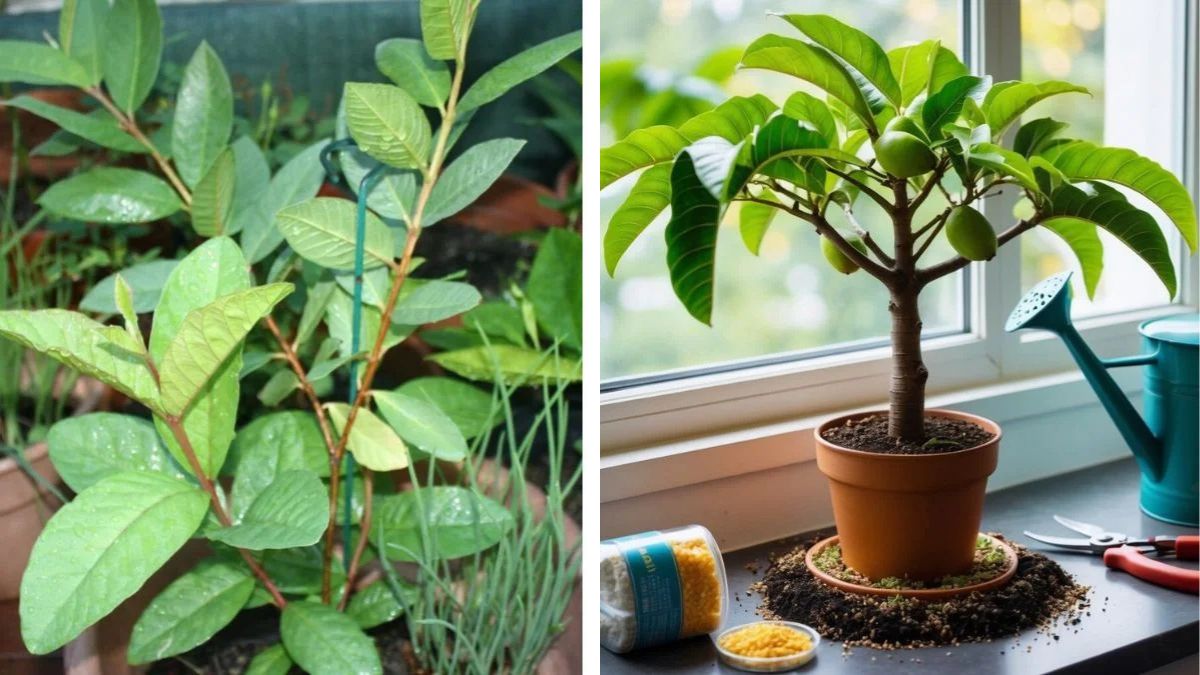
✔ Pruning Tips
- Remove dry or damaged branches
- Trim the top to maintain round shape
- Never prune during winter – do it in spring or summer
- Pruning increases branching and future fruiting
Litchi trees naturally grow wide and bushy — pruning helps keep them manageable indoors.
🍒 Step 9: Encourage Flowering and Fruiting
Litchi fruiting depends on:
- Age (4–5 years for grafted, 8–10 for seed-grown)
- Temperature
- Light
- Nutrition
🌸 To Encourage Flowering:
- Give full sunlight
- Keep the plant root-bound (helps trigger blooms)
- Provide mild winter stress (but not freezing)
- Avoid too much nitrogen
A healthy plant can flower even in cooler climates if properly cared for.
🌱 Step 10: Growing Litchi From Seeds vs. Grafted Plants
Seed-Grown Litchi
- Takes longer to fruit (8–10 years)
- Not true-to-type (fruit quality may vary)
- Good for ornamental purposes
Grafted Litchi
- Fruits in 3–5 years
- Stronger and more cold-resistant
- Best for container growing
- Produces consistent fruit
For cold climates, always choose grafted plants.
🍇 Extra Tips for Growing Litchi in Cold Weather
Here are some expert tips to ensure your plant thrives:
✔ Use dark-colored pots to retain heat
✔ Wrap the pot with bubble wrap during winter
✔ Install a mini greenhouse or plastic tent
✔ Avoid cold drafts near windows
✔ Turn the pot weekly for even sunlight
✔ Use warm mulch to protect the soil
✔ Check roots annually and repot if necessary
🏡 Conclusion: You CAN Grow Litchi in Cold Climates — With the Right Care!
Growing litchi in cold climates might seem challenging, but with proper preparation and smart techniques, it becomes a highly rewarding experience. By giving your plant the warmth, sunlight, protection, and care it needs, you can enjoy a thriving tropical tree right in your home — no matter how chilly the weather outside.
Just follow these essential steps:
- Choose a cold-hardy variety
- Grow in containers
- Use fast-draining soil
- Provide maximum sunlight
- Water carefully
- Protect from frost
- Fertilize wisely
- Prune regularly
- Encourage flowering
- Use grafted plants
Soon, your home will become a little tropical paradise — complete with a beautiful litchi tree that may even reward you with delicious fruit.